


Paper Landscape Wall Art
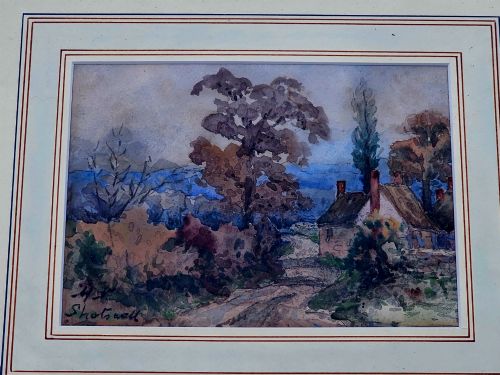
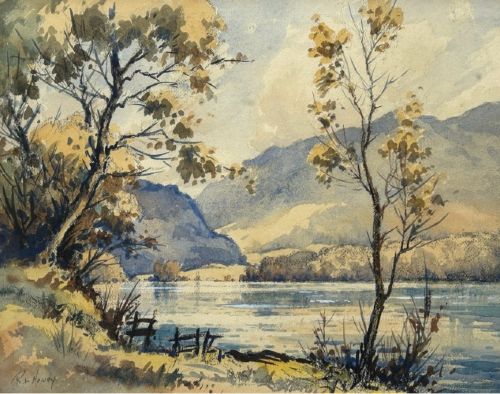
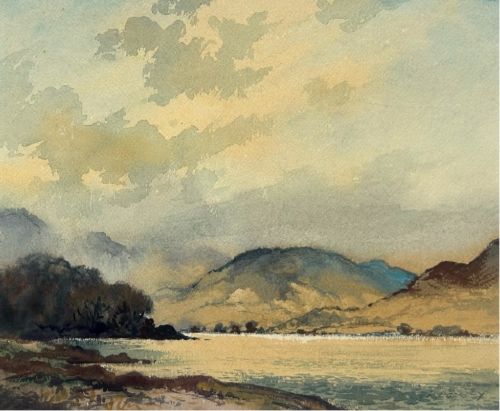
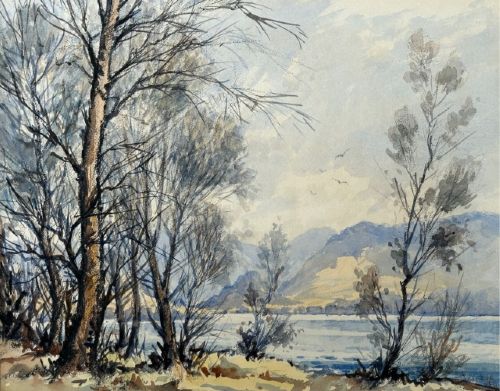
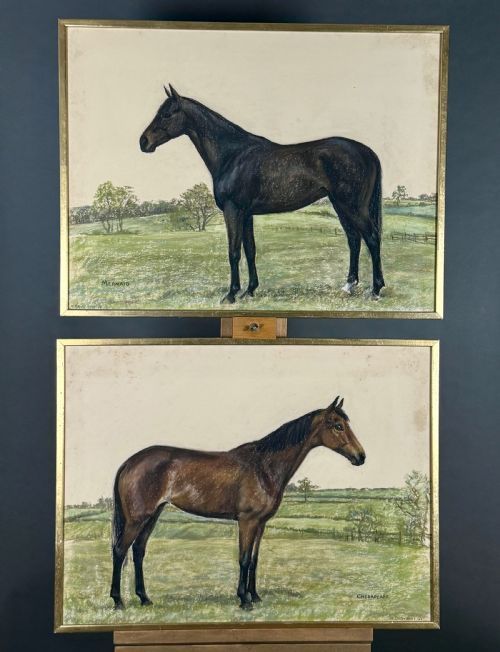
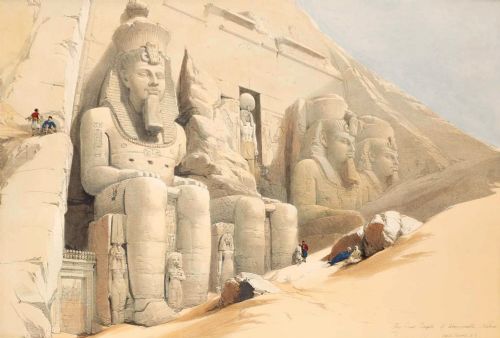
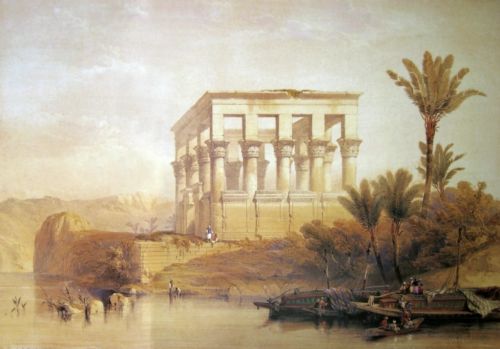
Paper landscape wall art brings together delicate watercolours, pastels, and woodblock prints depicting river valleys, coastal scenes, and rural fields.
Paper Landscape Wall Art
Paper landscape wall art encompasses original watercolours, ink drawings, pastels, lithographs, and woodblock prints spanning from the Victorian period through the mid twentieth century. These works capture rivers, coastal harbours, and rural countryside scenes created on paper supports.
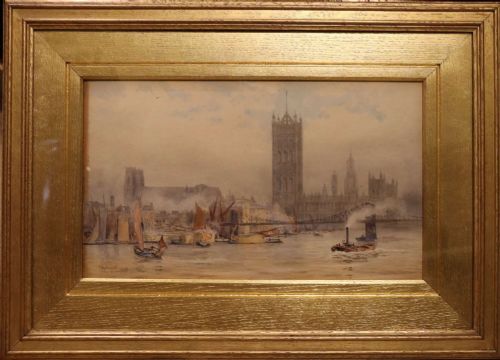
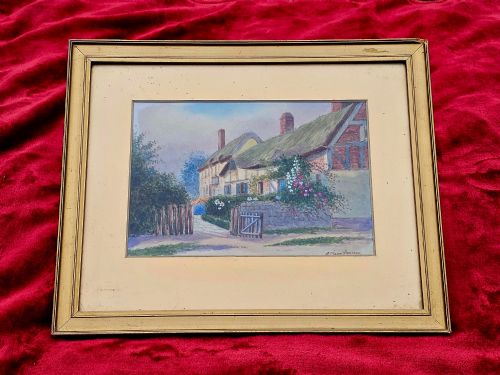
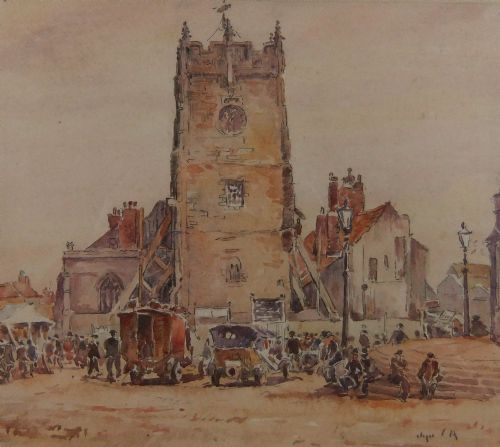
Most items you encounter lean towards traditional British and European watercolours from the nineteenth and early twentieth centuries. Artists utilised these portable mediums to record topographical views, rural cottages, and maritime shipping scenes directly from nature.
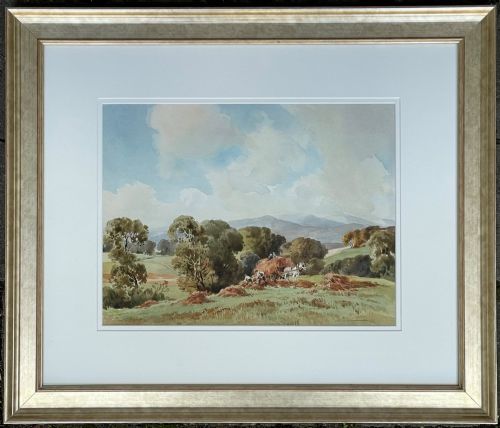
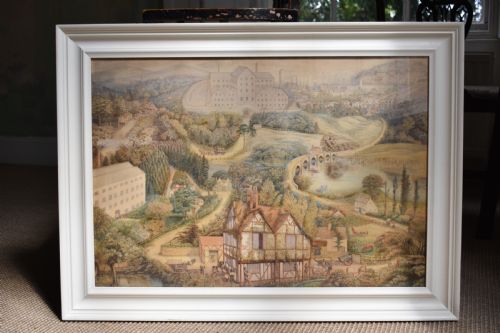
Framed works dominate the selection, preserving delicate paper surfaces behind glass with original or period wood frames. Examples range from intimate cabinet watercolours to larger framed studies of lakes, rivers, and coastal villages.
How they were made
Artists applied watercolour pigments, ink, and pastel onto various paper stocks, sometimes combining media with pen outlines or gouache highlights. These water-based pigments relied on the absorbency and texture of the paper to create translucent washes of colour and light.
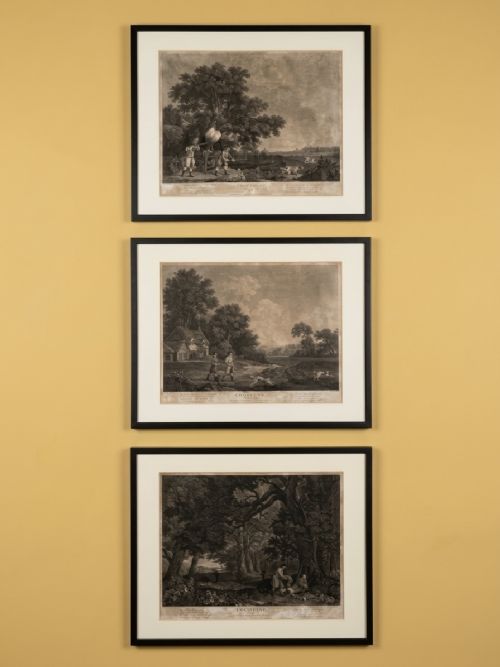
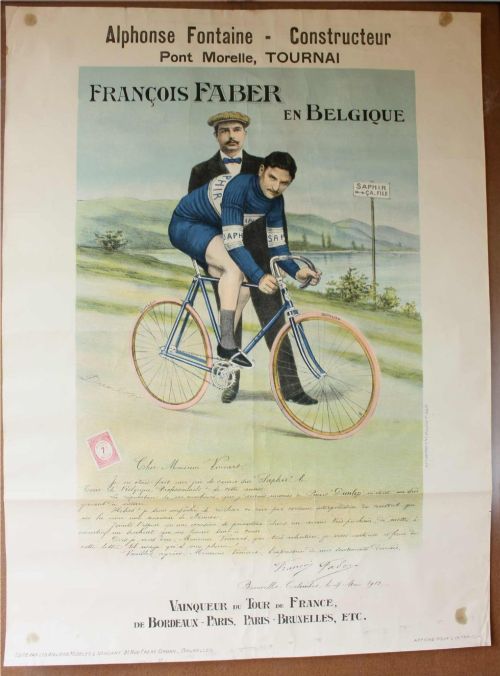
Woodblock printing and lithography offered alternative methods for reproducing landscape imagery on paper through inked blocks or stones. Printers such as William Day produced multi-layered prints that captured fine topographical details of towns and rivers.
Finished works received protection behind glass and mounting within timber frames. These wooden surrounds often incorporate gilt or painted finishes appropriate to periods like Victorian, Edwardian, and Art Deco.
Romany gypsy caravans and racing yachts share the paper stage here with quiet river banks.
What varies in quality
Quality rests upon the artist's handling of light, brushwork fluidity, and composition within the landscape. Master watercolourists captured atmospheric weather and changing daylight with confident, transparent washes, whereas lesser examples rely on stiff, rigid line work.
The preservation of the paper support and pigments influences desirability. Works retaining vibrant watercolour hues without excessive fading or paper discolouration stand apart from those damaged by acidic mounts or damp environments.
James Orrock·Alfred Young Nutt·Percy Lancaster·A. Marie Parsons·Robert Leslie Howey·John Smith Atherton·David Roberts·Thomas Maidment·Étienne Baudet·J.C Burgess·William Matthison·Shiro Katamatsu·Charles Edward Wilson·George F Pennington·William Frederick Settle·Alfred George Morgan·Edgar Woollatt·Edwin Lord Weeks·Samuel Timmins·Henry Charles Fox·Arthur Reginald Smith·William Manners·Fred Lawson·Edward Seago·Arthur Tucker
The Paper Landscape Wall Art Glossary
- Watercolour
- A painting method in which the paints are made of pigments suspended in a water-based solution. This medium allows for transparent washes that let the white of the paper reflect light through the colour.
- Pastel
- A dry art medium in the form of a stick, consisting of powdered pigment and a binder. Pastel artworks offer velvety textures and rich pigment concentration.
- Woodblock print
- A technique for printing text, images or patterns used widely in East Asia and Europe. Carved wooden blocks transfer ink onto paper surfaces.
- Lithography
- A planographic printing process based on the repulsion of oil and water. Artists draw on limestone or metal plates to produce multiple impressions on paper.
Paper Landscape Wall Art: Frequently Asked Questions
How should I hang watercolour wall art?
Hang watercolour paintings away from direct sunlight to prevent the pigments from fading over time. Indirect natural light or gentle wall lighting works best for viewing the delicate details.
Keep these framed pieces in rooms with stable humidity levels to protect the paper and wooden frames from moisture damage.
Are these paper landscapes original artworks?
Many listings feature unique, hand-painted original watercolours and pastels created directly by the artist on paper. These one-of-a-kind pieces capture individual brushstrokes and signed compositions.
The selection also includes period lithographs and woodblock prints produced in limited editions during the nineteenth and twentieth centuries.
How do I identify the period of a piece?
Examine the framing style, paper type, and artist signatures to help determine the era of creation. Victorian and Edwardian works often feature specific framing techniques and handwritten artist inscriptions.
Subject matter and clothing or architecture depicted in the landscape also provide reliable clues to the decade or artistic movement.
What frames come with these artworks?
Most works arrive in period wooden frames that complement the artistic style of the landscape. These surrounds often feature simple moulding or gilt details typical of their respective decades.
Retaining the original frame helps preserve the historical context and aesthetic harmony of vintage paper art.