

British Military Portrait
When you search for a british military portrait, you enter a visual archive of service that spans centuries of commissioned oils and intimate watercolours.
British Military Portrait
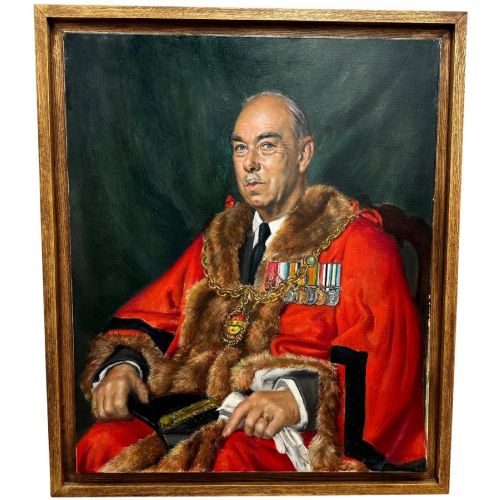
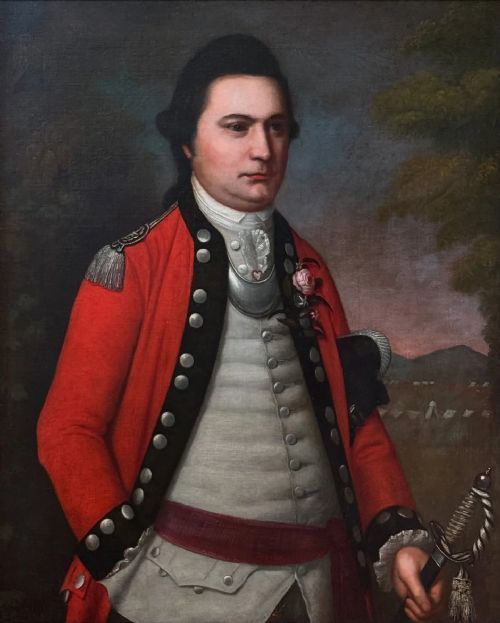
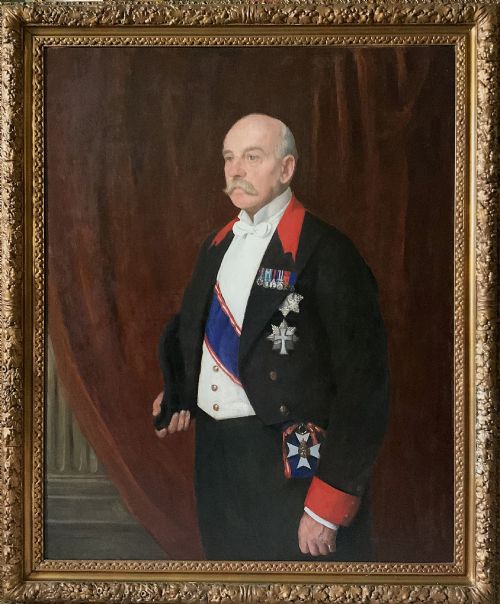
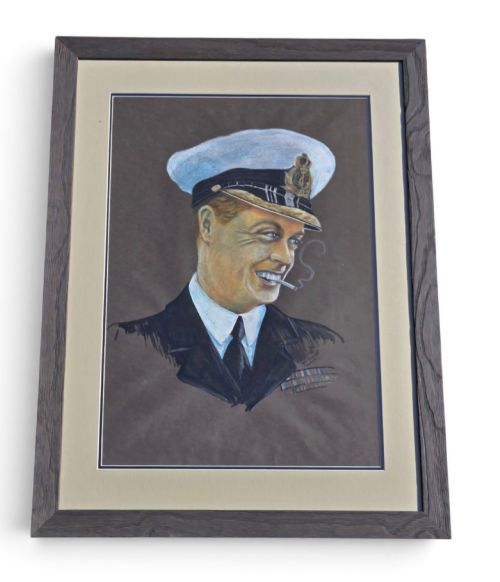
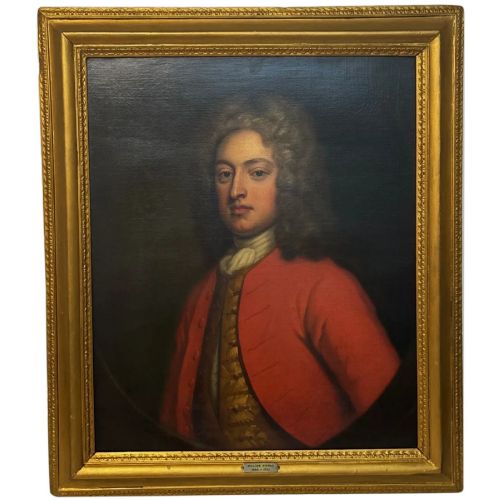
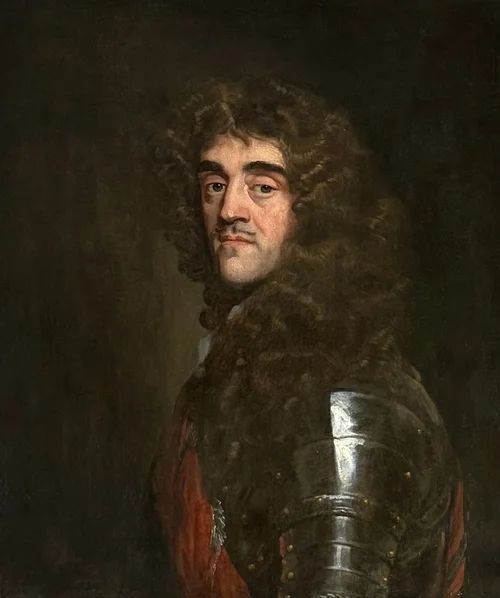
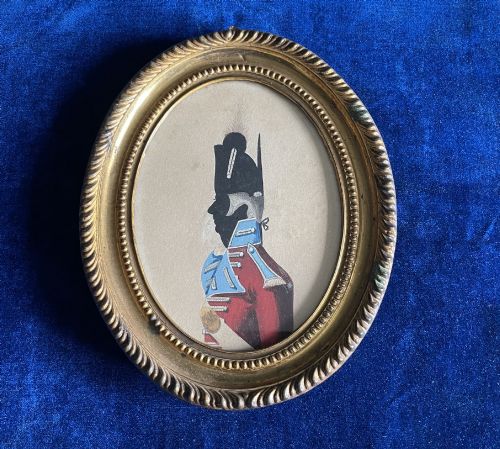
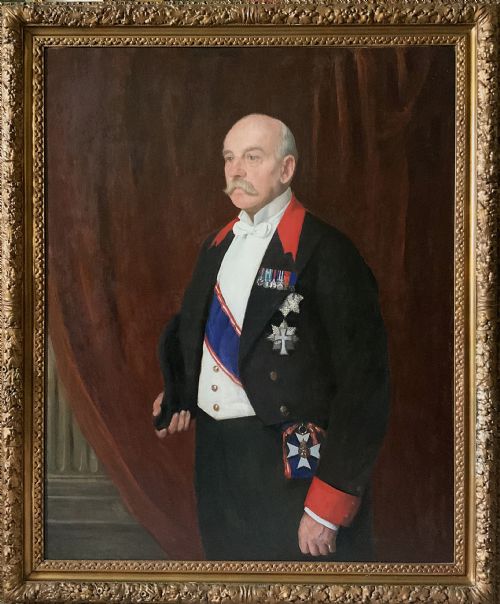
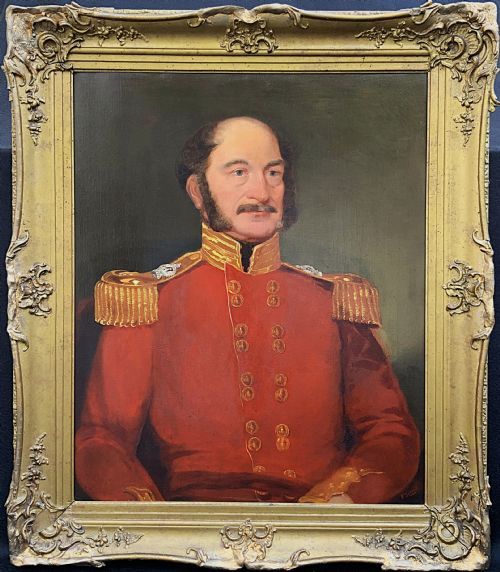
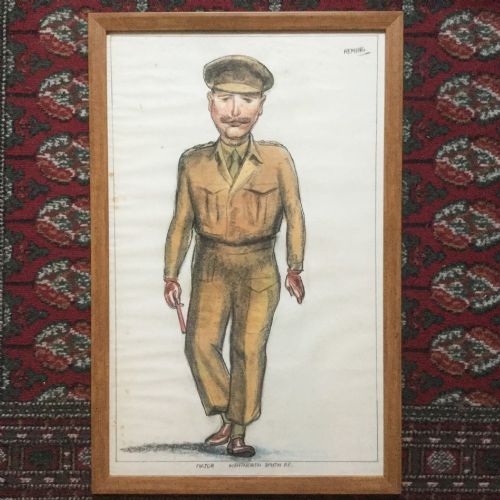
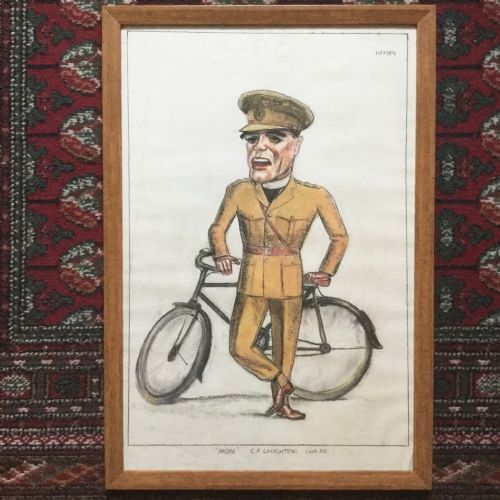
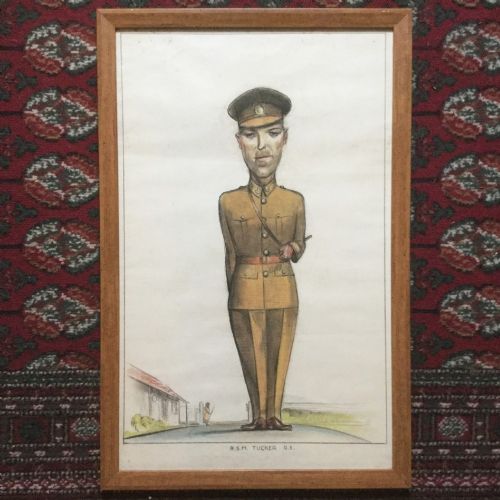
A british military portrait captures officers, soldiers, and commanders in uniform, recording the changing face of military service from the seventeenth century through the mid-twentieth century. The selection ranges from monumental oil paintings on canvas intended for grand reception rooms to modest watercolours and gouache sketches recorded on active campaigns.
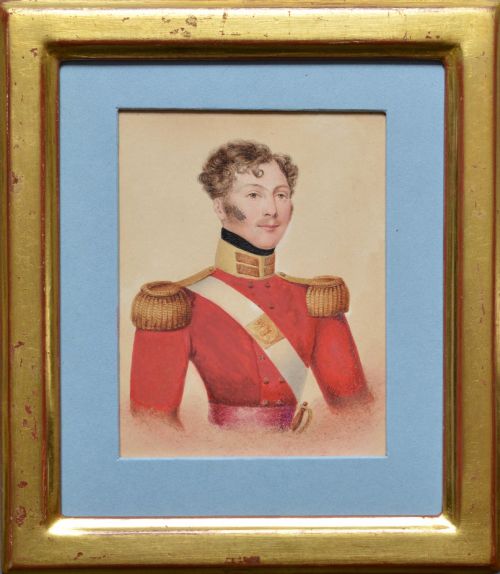
Buyers will encounter formal depictions of high-ranking generals alongside intimate miniature portraits painted on ivory, agate, or paper, often framed in giltwood or precious metals. These works document specific regiments, campaigns, and naval or army postings, anchoring individual identity within broader British history.
Materials and methods
Painters relied primarily on oil on canvas for formal commissions, applying rich layers of pigment to capture the texture of redcoat tunics, gold braid, and polished brass buttons. Watercolour and gouache on paper suited portable, rapid sketches, allowing artists to record military subjects in the field during wartime.
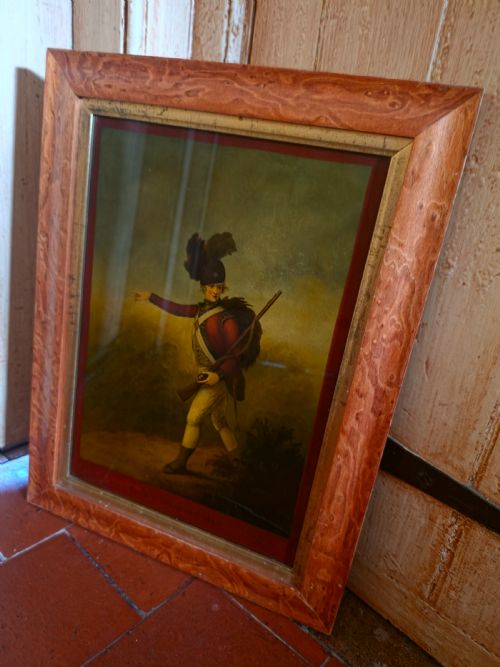
Specialised techniques include reverse glass painting and delicate miniature work executed on panels of agate or glass, housed within protective cases or gold frames. Supports vary from traditional woven canvas and wood panels to tin sheets and heavy paper stock.
The inventory records portrait works executed in oil, watercolour, pastel, gouache, and reverse glass across the eighteenth, nineteenth, and twentieth centuries.
Assessing quality
Quality rests upon the skill of the draughtsman in rendering anatomical proportion, facial expression, and the precise heraldic or uniform details of specific regiments. Master works by documented artists display confident brushwork and psychological depth, moving beyond mere record-keeping to capture the individual character of the sitter.
The integrity of the original medium and frame significantly influences the piece, with untouched surfaces, legible inscriptions, and contemporary gilding preserving the historical context of the commission.
Bernard Hailstone·Stickland Lowry·John Greenhill·Ernest Crofts·Sir Thomas Lawrence·Francis Russell Flint·Aubrey Sykes
The British Military Portrait Glossary
- Portrait miniature
- A small, highly detailed painting, usually executed on ivory, vellum, or card, designed for personal carriage or intimate display.
- Reverse glass painting
- An artwork created by applying pigment directly to the back of a glass pane and viewing the finished image from the front.
- Gouache
- An opaque water-based medium that provides denser, heavier coverage than traditional transparent watercolour.
- Redcoat
- A historical term for British infantry soldiers and officers wearing the iconic red military tunic.
- Provenance
- The documented history of ownership that traces a work from its creation to the present day.
British Military Portrait: Frequently Asked Questions
How do I identify the regiment?
Examine the visible uniform details, including collar insignia, cap badges, lace patterns, and the colour of facings on the tunic. Many portraits include contemporary inscriptions on the reverse or mount detailing the sitter's name and unit.
Cross-reference these visual clues with army lists and regimental histories from the corresponding period to confirm the exact posting.
Where were these portraits displayed?
Large oil paintings typically hung in regimental messes, institutional headquarters, or the ancestral homes of military families to commemorate senior commanders. Smaller watercolours and miniatures were kept in domestic parlours or carried by family members during deployments.
Today, they suit studies, libraries, and hallways where traditional lighting highlights the depth of the pigments.
How should I care for a canvas portrait?
Keep paintings away from direct sunlight, high humidity, and rapid temperature fluctuations to prevent the canvas from sagging and the paint layers from cracking. Dust the surface gently with a soft, dry brush without applying pressure to the pigment.
Consult a professional conservator if the canvas requires cleaning or structural reinforcement.
What indicates an eighteenth-century date?
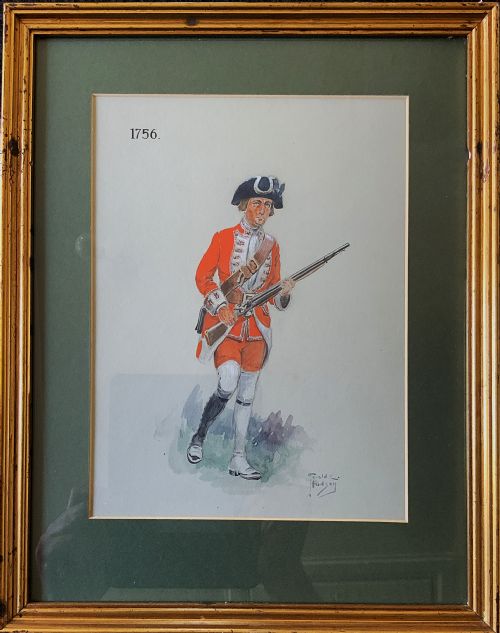
Eighteenth-century portraits frequently feature specific wig styles, distinct hat shapes such as tricorns, and particular cuts of military tailoring that changed with royal warrant updates. The preparation of the canvas, framing methods, and handwritten ink notes on the stretcher bars also point toward this era.
Stylistic conventions in portraiture, such as the use of dark, dramatic backgrounds, reinforce the period context.