



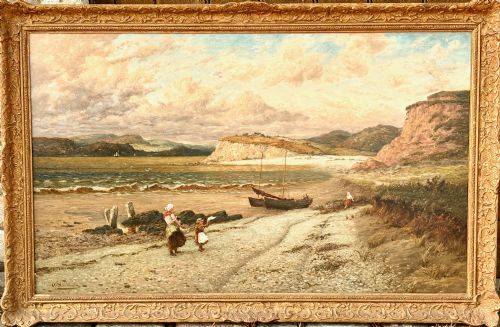
British Maritime Painting
British maritime painting records coastal views, river traffic and working vessels in oil and watercolour across the nineteenth and twentieth centuries.
British Maritime Painting
A british maritime painting captures harbour scenes, coastal inlets and river activity by British artists working from the Victorian era through the mid-twentieth century. Buyers seek these works to bring historic nautical life, local fishing fleets and tidal rivers into domestic spaces.
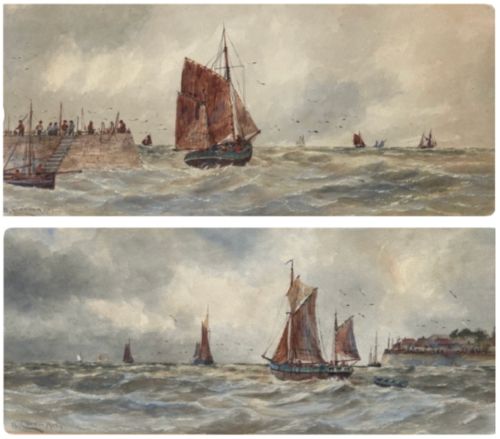
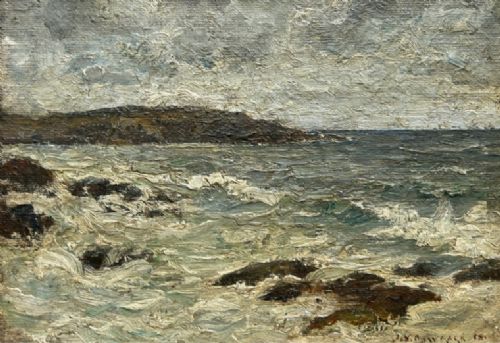
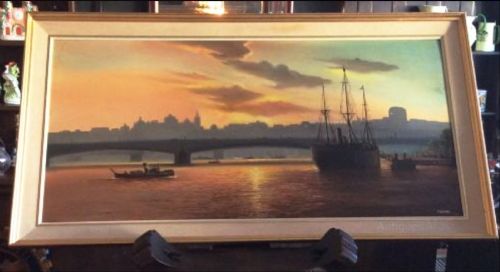
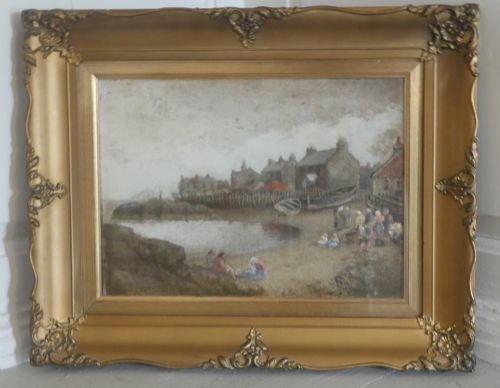
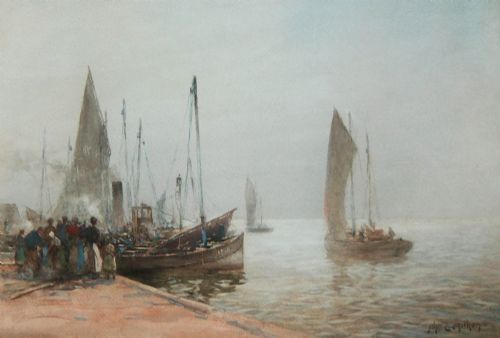
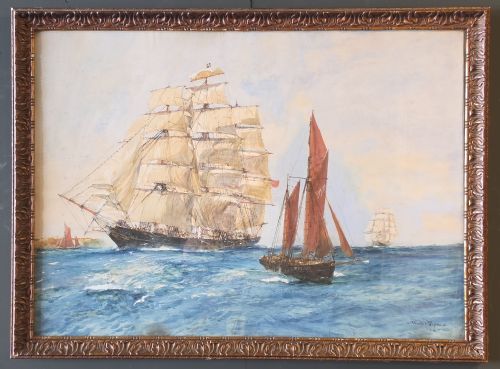
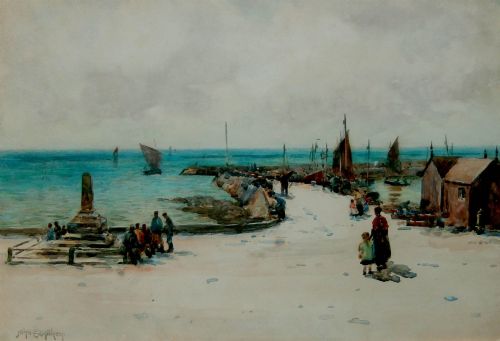
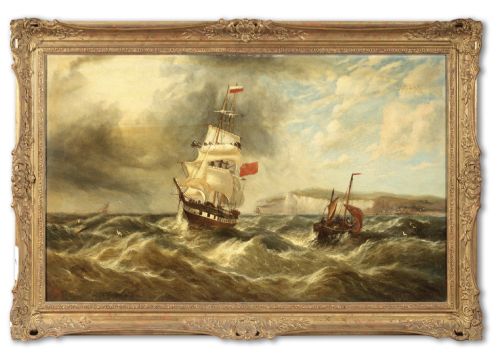
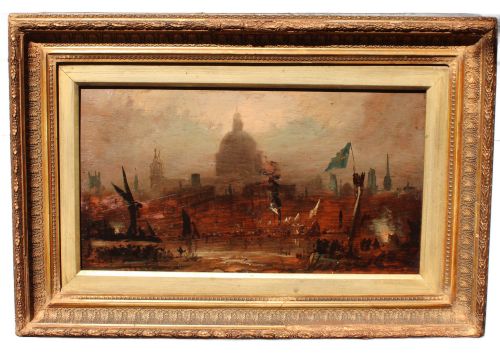
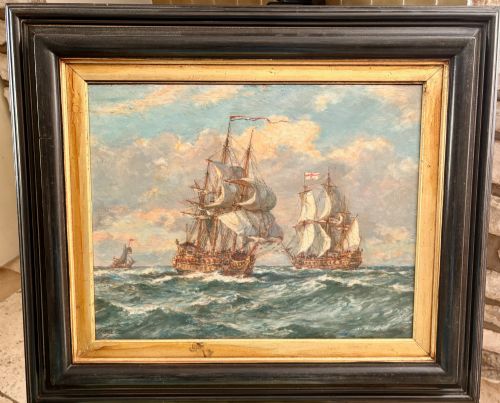
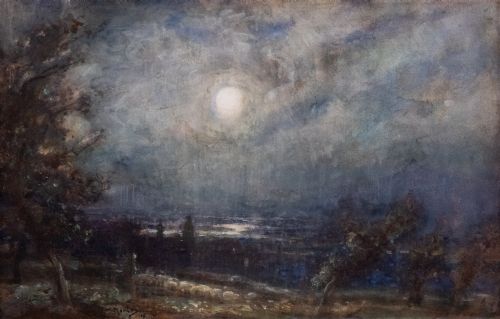
The selection on this page relies heavily on watercolours on paper and oils on board, ranging from nineteenth-century watercolours to mid-century British impressionist marine views. Subjects span named locations such as Anstruther, the Port of London, Runswick Bay and Loch Earn.
Nineteenth-century examples include Victorian watercolours and oils depicting shores and turbulent seas, while twentieth-century pieces introduce modern British and mid-century impressionist approaches to coastal subjects.
Materials and execution
Artists painted on paper, board and canvas, applying watercolour or oil paint to capture coastal light and water movement. Watercolours often utilise paper supports, sometimes set within gilt wood frames behind glass.
Oils were painted directly onto board surfaces, allowing for textured handling of pigment in marine and boat yard scenes. Many works are signed by the artist and dated according to the period of creation.
British Maritime Painting Retail Price Guide 2026
Typical asking prices for british maritime painting among the pieces listed under this phrase on Sellingantiques today, from the lower quarter to the upper quarter. They describe what is for sale here now, not the wider market.
Even a landlocked study wall can smell faintly of salt spray when a mid-century tug boat watercolour moves in.
Judging quality in marine works
Quality rests upon the artist's ability to render water, atmosphere and maritime architecture convincingly rather than relying on formulaic composition. Stronger works demonstrate assured brushwork or controlled watercolour washes that convey weather and coastal light.
The specificity of the subject elevates a piece, moving it beyond a generic coastal view to a recognisable location with accurately depicted rigging, hulls and shorelines. Condition of the paper or board, along with sympathetic framing in wood and gilt, preserves the visual integrity of the painting.
James E Aitken·Frank William Scarbrough·J Hardy·Robert Leslie Howey·Stanley Orchart·Pauline Boumphrey·Lennard Lewis
The British Maritime Painting Glossary
- Watercolour
- A paint consisting of pigment suspended in a water-soluble vehicle, commonly applied to paper in maritime works to achieve translucent effects of light and sea.
- Oil on board
- A painting medium where oil paint is applied to a rigid wooden or composite board rather than stretched canvas.
- Marine painting
- Artwork that depicts ships, boats, coastal views, harbours and the open sea.
- Impressionism
- An art style focused on accurate depiction of light in its changing qualities, seen here in British impressionist marine works from the twentieth century.
- Gilt
- A gold leaf or gold-coloured application used to finish picture frames, enhancing the presentation of nineteenth and twentieth-century paintings.
British Maritime Painting: Frequently Asked Questions
What subjects appear in these paintings?
These works depict harbours, river traffic, fishing boats and coastal scenes across Britain. Common subjects include Scottish lochs, northern fishing bays and London river views.
Artists focused on working vessels, tug boats, and shoreside marine activity rather than grand naval battles.
How do I date a maritime painting?
Dating relies on artist lifespan records, inscribed dates on the front or back, and stylistic markers of the period. Victorian and nineteenth-century works often carry precise dates or characteristic tonal washes.
Twentieth-century pieces show shifts toward British impressionist and mid-century modern palettes and handling.
Are watercolours fragile?
Watercolour paintings on paper require protection from direct sunlight to prevent fading of pigments. Glazing with glass helps shield the paper surface from atmospheric moisture and dust.
Hanging them in stable indoor conditions preserves both the paper support and the surrounding gilt frame.
What is the difference between oil and watercolour marine works?
Oil paintings on board offer heavier impasto and opaque colour application, suitable for turbulent seas and robust yard scenes. Watercolours provide transparency and delicate tonal gradations for calm coastal light.
Both mediums were widely used by British artists to interpret maritime themes.