



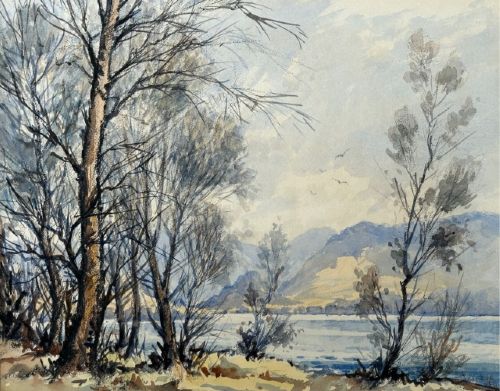
British Landscape Watercolour Painting
British landscape watercolour painting captures the changing moods of the countryside and coast through delicate washes and precise brushwork.
British Landscape Watercolour Painting
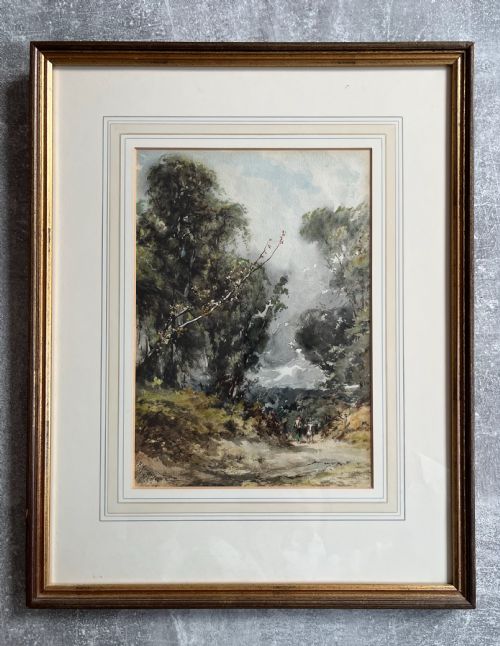
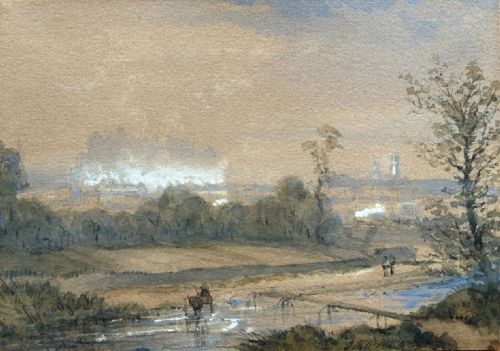
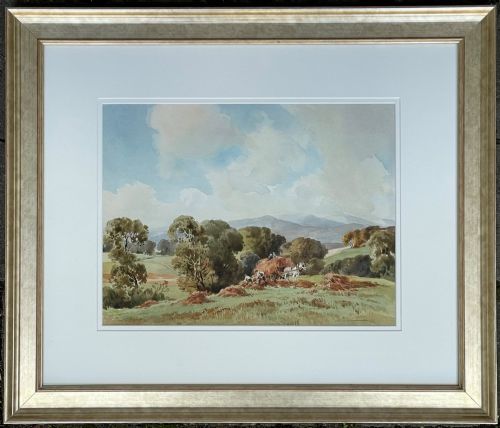
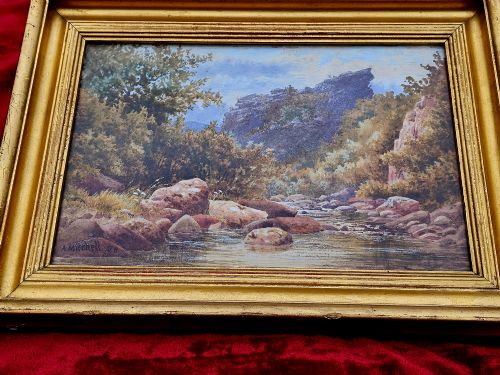
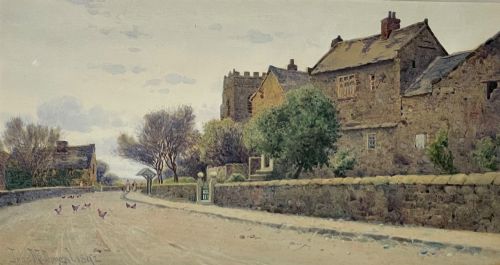
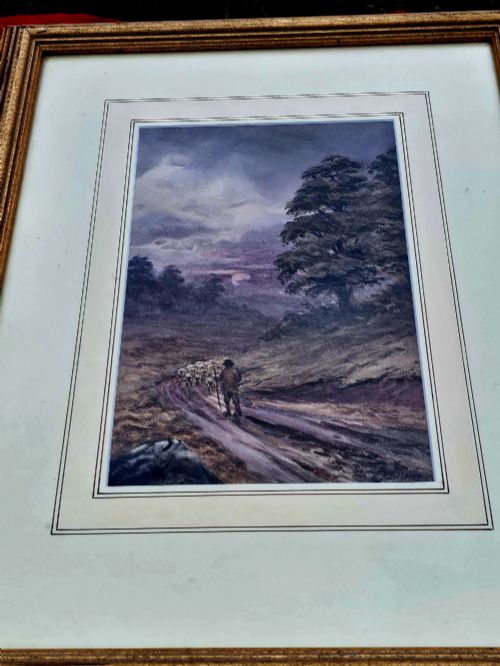
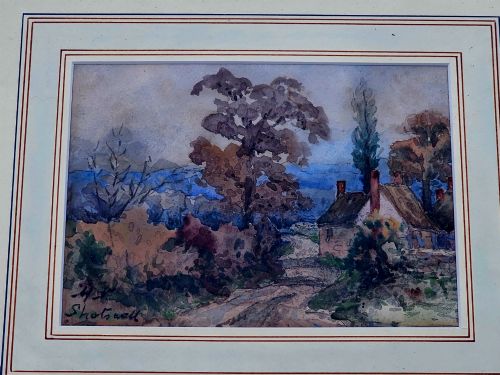
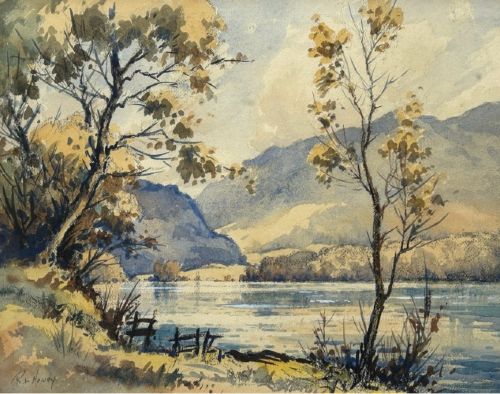
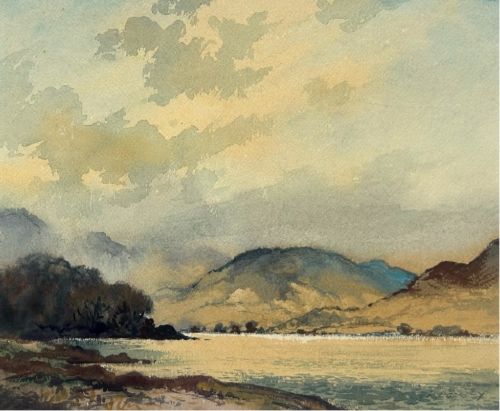
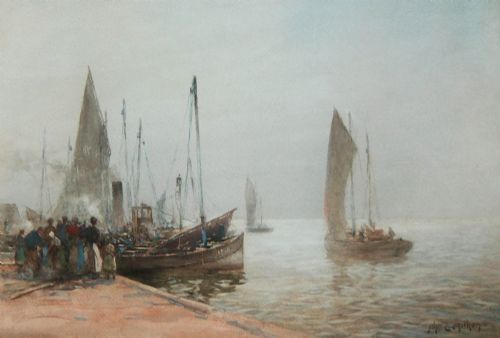
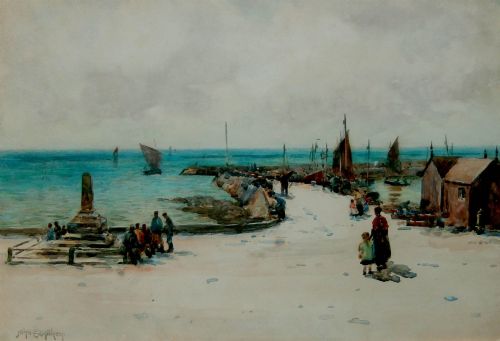
A British landscape watercolour painting presents views of rivers, mountains, rural villages, and coastal harbours executed on paper using water-soluble pigments.
The selections available here span from the nineteenth century through the Edwardian era into the mid-twentieth century, capturing shifting artistic movements.
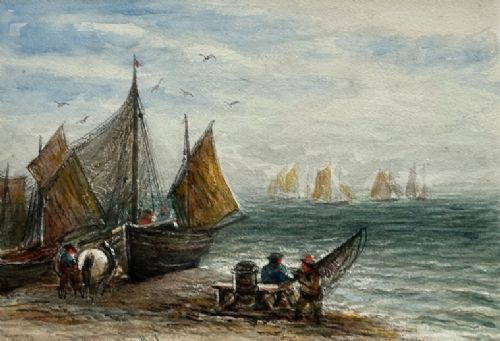
Collectors encounter coastal scenes from fishing ports like St Ives and Whitby alongside pastoral views of Welsh valleys and English lakes.
How They Were Made
Artists applied watercolour pigment suspended in water onto heavy paper surfaces, occasionally incorporating ink for definition or gouache for opacity.
Finished works found protection beneath glass and within wooden frames, frequently featuring gilt wood mouldings that complemented the picture.
Materials recorded across these artworks include watercolour pigment, ink, gouache, paper, glass, wood, and gilt wood frames.
What Varies in Quality
Mastery is evident in the control of transparent washes and the ability to capture atmospheric light without overworking the pigment on the paper.
Compositional strength and confident brushwork distinguish accomplished professional artists from competent amateur practitioners of the period.
George Fotherly Hargitt·James Orrock·John R Prentice·Thomas Ellison·Alfred Young Nutt·Percy Lancaster·John McDougal·EJ Letheren·Robert Leslie Howey·James E Aitken·William Banks Fortescue·William Joseph Boyes·Muriel Metcalfe·Thomas William Morley·Robert Thorne Waite·John Smith Atherton·Hector Caffieri·Richard Henry Wright·Thomas Maidment·George Oyston·Frederick James Kerr·Alfred G Morgan·Russell Sidney Reeves·William Matthison·George Stanfield Walters
The British Landscape Watercolour Painting Glossary
- Watercolour
- A painting method where the paints are made of pigments suspended in a water-based solution. The paper surface often shows through the translucent layers to create luminosity.
- Gouache
- A water-based paint consisting of pigment and other inert materials designed to be opaque. It provides dense highlights and solid areas of colour distinct from transparent washes.
- Gilt wood
- Wood carved and coated with gold leaf or gold-coloured paint. This material forms traditional decorative framing for historical artworks.
- Impressionism
- An art style characterised by relatively small, thin, yet visible brush strokes and an emphasis on accurate depiction of light. British interpretations adapted these continental techniques to local scenery.
British Landscape Watercolour Painting: Frequently Asked Questions
How should I frame a watercolour?
Watercolours require framing behind glass with acid-free mounts to prevent the paper from touching the glazing directly.
Keeping the framed work away from direct sunlight protects the delicate pigments from fading over time.
How do I identify the period of a painting?
Stylistic clues, artist signature dates, and framing materials often provide the most reliable indication of a painting's era.
Nineteenth-century works tend toward detailed topographical accuracy, whereas later twentieth-century pieces embrace broader impressionistic brushwork.
Where were these landscape watercolours created?
Artists travelled extensively across British coastal towns, Scottish highlands, Welsh valleys, and English river systems to paint en plein air.
These locations formed the primary subjects for professional and amateur painters working throughout the Victorian and Edwardian periods.
What is the difference between watercolour and gouache?
Traditional watercolour relies on transparent washes that allow the white of the paper to illuminate the pigment.
Gouache incorporates opaque elements that provide solid coverage, allowing artists to add bright highlights and dense colour blocks.