


Sepia Watercolour Art
Sepia watercolour art brings together monochrome washes and delicate pigment on paper, offering buyers a glimpse into historical landscapes and maritime scenes.
Sepia Watercolour Art
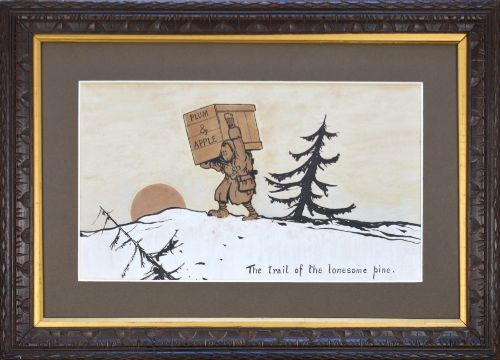
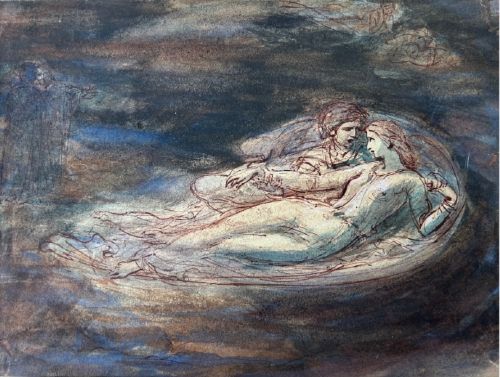
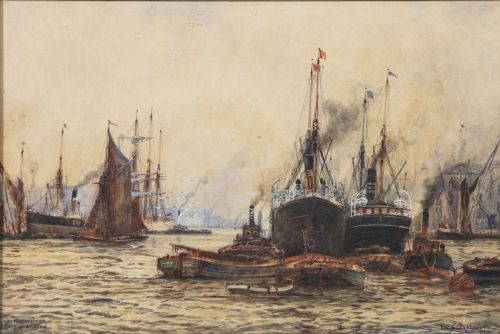
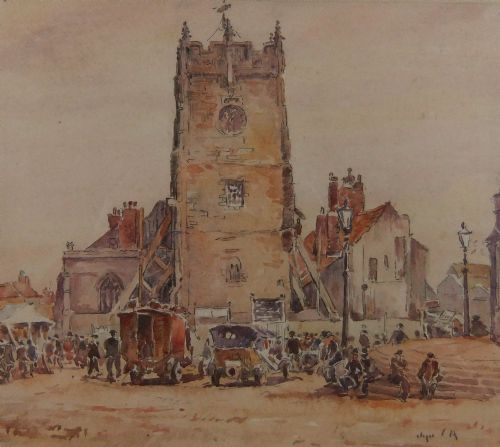
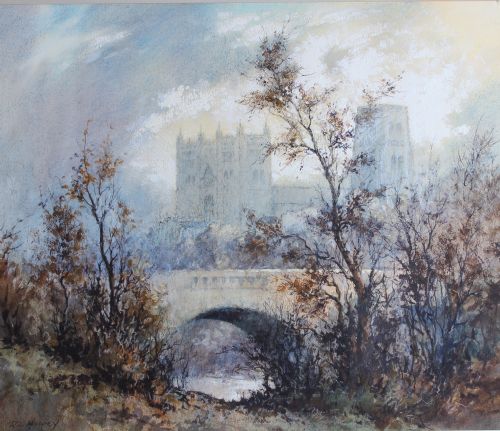
Sepia watercolour art encompasses works on paper executed primarily in monochromatic brownish tones, often combined with pencil, ink, or gouache. These pieces capture subjects ranging from architectural studies and British coastal views to historical military scenes and intimate portraits.
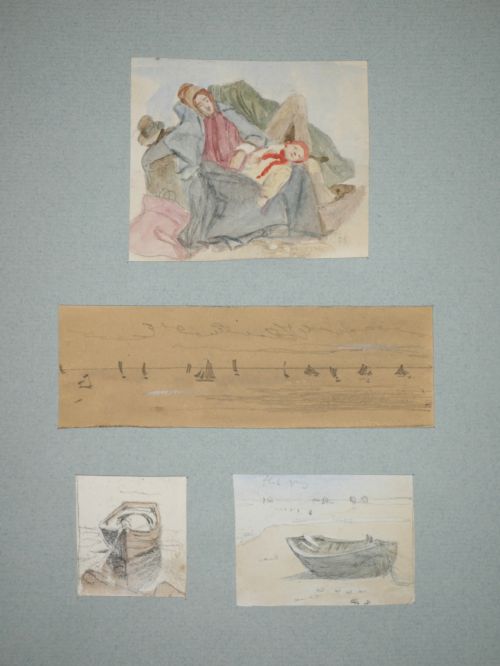
Buyers most frequently encounter 19th-century works on this page, alongside Georgian examples and early 20th-century British impressions. The forms span framed paintings, detailed drawings, and marine sketches created by named artists and skilled amateurs alike.
The enduring appeal of these works lies in their tonal depth and documentary value, recording topography, maritime activity, and daily life across past centuries. Each piece offers a direct connection to the hand of the artist through surviving brushstrokes and ink lines.
Materials and technique
Artists executed these works on paper using natural pigments, water-soluble ink, and graphite pencil. Many examples incorporate sepia ink derived from cuttlefish or rich brownish watercolour paint to build atmospheric depth through layered washes.
Protective framing under glass combined with wood surrounds ensured the survival of these delicate works on paper through the Georgian, Victorian, and Edwardian eras. Conservation methods preserved the original pigment integrity without altering the underlying surface.
Cats and dogs occasionally steal the show in monochromatic animal studies from the nineteenth century.
Distinctions in quality
The calibre of sepia watercolour art rests upon the surety of the draughtsmanship and the control of tonal gradation. Works that display confident pen work beneath expressive washes command greater attention than hesitant or rigid compositions.
Condition and provenance further define the standard of a piece, particularly the preservation of the paper support and the clarity of the monochrome pigments. Signed works by documented painters from the eighteenth to the twentieth centuries carry distinct archival weight.
Bruce Bairnsfather·James Smetham·Frank William Scarbrough·John Smith Atherton·Robert Leslie Howey·Richard Harry Carter·William Frederick Settle·Charles James Lauder·J F Marie Huet Villiers·Francis Wheatley·J W Hogley·John Augustus Atkinson·George Arthur Fripp·Frederick William Booty·Leslie Rackham·William Wyld·Henry Barlow Carter·Thomas Rowlandson·Hercules Brabazon Brabazon·Samuel Palmer·Pio Panfili·W Tatton Winter·Amos Green·Thomas Clavering Alder
The Sepia Watercolour Art Glossary
- Wash
- A thin layer of diluted watercolour pigment applied evenly across paper to create smooth background tones or skies.
- Gouache
- An opaque watercolour paint containing pigment mixed with a binding agent, used to add highlights and solid areas of colour.
- Draughtsmanship
- The skill and precision with which an artist executes preliminary lines and structural forms using pencil or ink.
- Monochrome
- A colour scheme based on variations in a single hue, such as the sepia browns characteristic of these historical works.
- Provenance
- The documented history of ownership that traces a piece from its creation to the present marketplace.
Sepia Watercolour Art: Frequently Asked Questions
What is sepia watercolour art?
Sepia watercolour art consists of works on paper created using brownish monochromatic pigments, often enhanced with ink or pencil lines. These historical pieces record landscapes, coastal views, and architectural studies from the Georgian period through the early twentieth century.
The medium relies on tonal variation rather than a full palette, using washes to build shadow and light. This restrained approach gives the works their characteristic atmospheric quality.
How should I frame and display these watercolours?
Watercolours on paper require framing behind glass with acid-free mounts to prevent direct contact between the paper surface and the glazing. This setup protects the delicate pigments from atmospheric pollutants and physical damage.
Display the pieces away from direct sunlight and damp environments to preserve the integrity of the paper support and prevent fading of the monochrome washes.
How can I tell the age of a watercolour?
Dating relies on stylistic clues, paper characteristics, and the nature of the framing or signature. Eighteenth and nineteenth-century papers often exhibit distinct watermarks and hand-laid textures that differ from later manufactured sheets.
Subject matter, clothing styles in figurative works, and historical signatures or inscriptions provide additional context for narrowing down the production period.
Were these works made as preparatory sketches?
Many sepia works served as preliminary studies or direct notes made on location by artists recording landscapes and marine scenes. Other pieces were finished works intended for exhibition or as standalone illustrations.
The presence of squaring-up grids or rapid brushwork often indicates a working study, whereas highly detailed compositions point to finished art.