

British Impressionist Wall Art
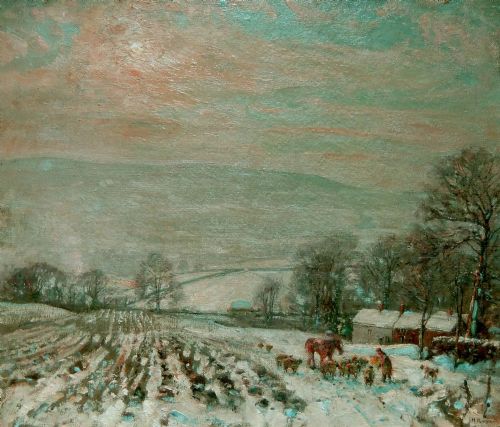
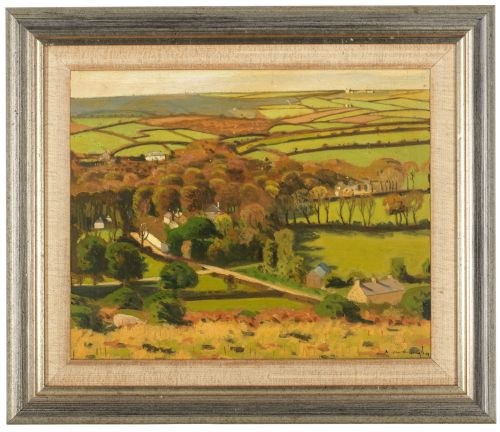
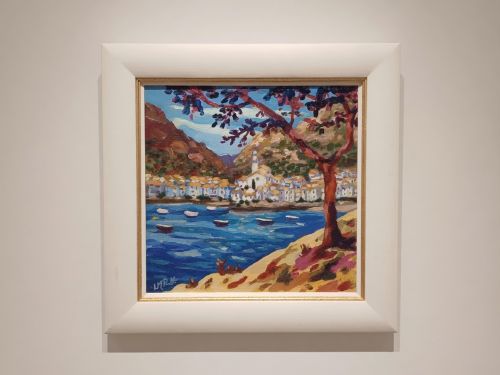
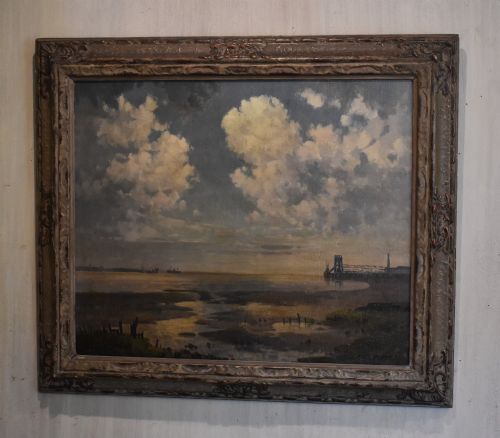
British impressionist wall art captures the shifting light and atmosphere of landscapes through expressive brushwork.
British Impressionist Wall Art
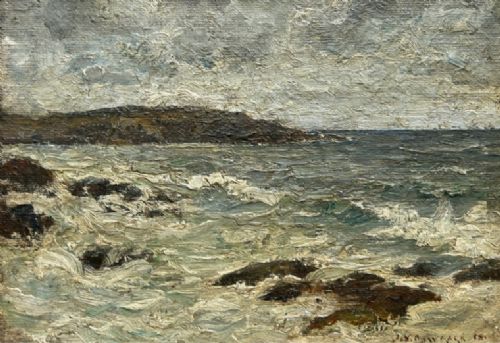
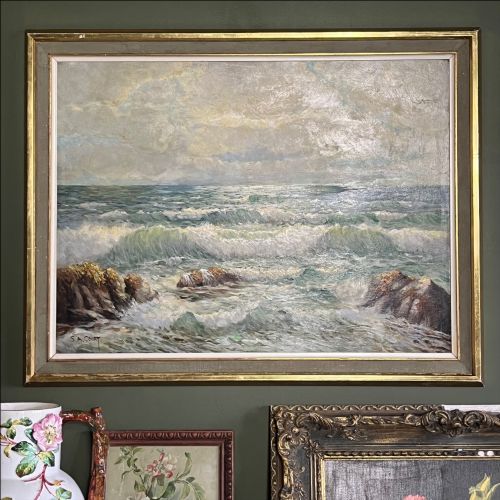
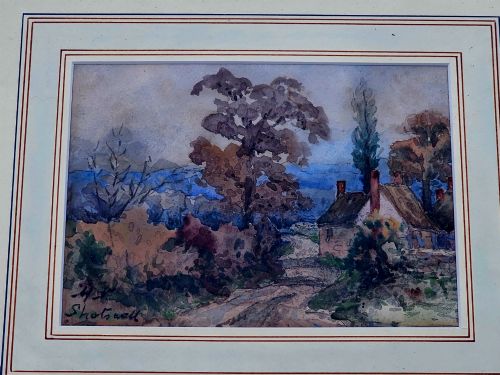
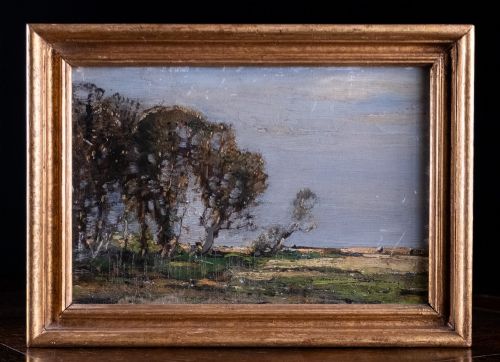
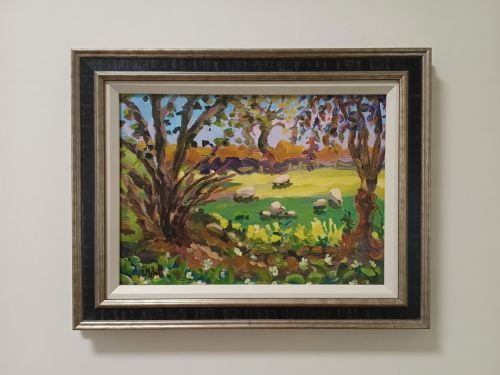
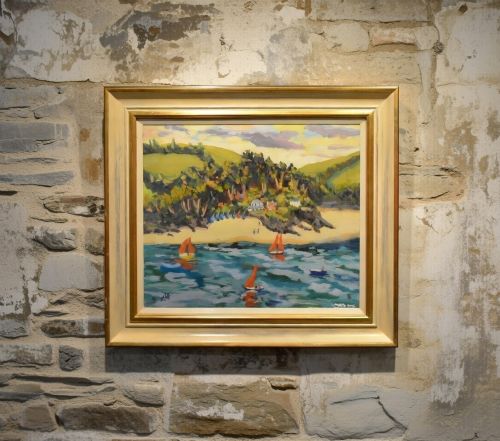
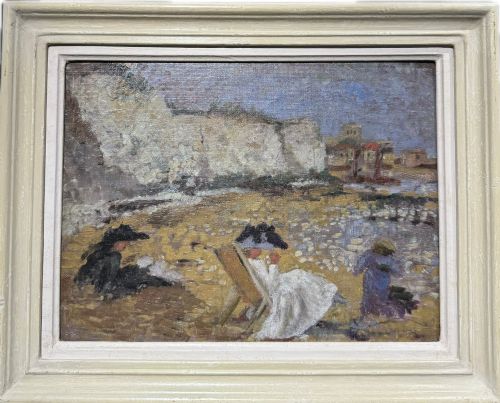
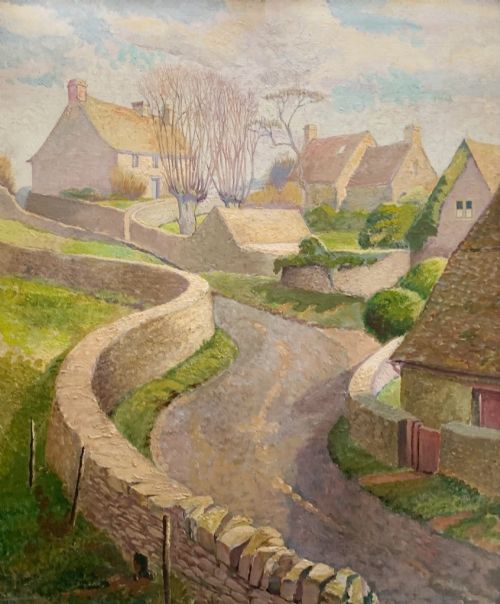
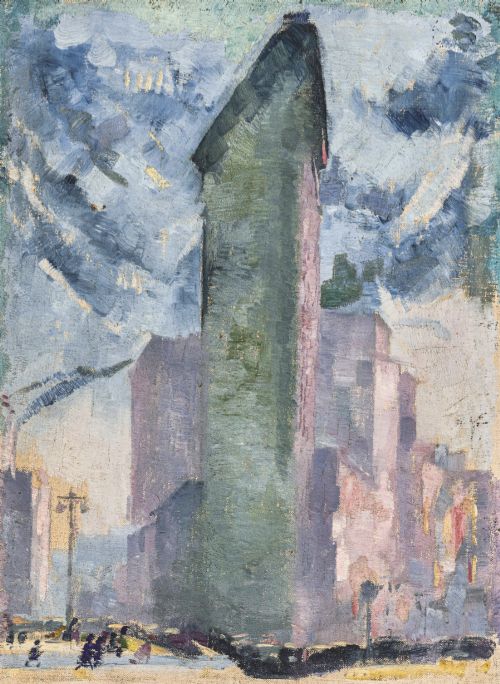
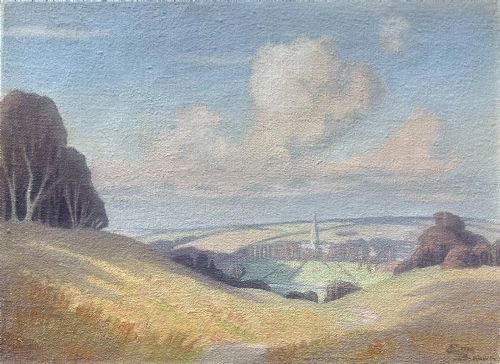
British impressionist wall art comprises paintings and watercolours created across the nineteenth and twentieth centuries. These works record coastal scenes, rural landscapes, and still life compositions in oil and watercolour.
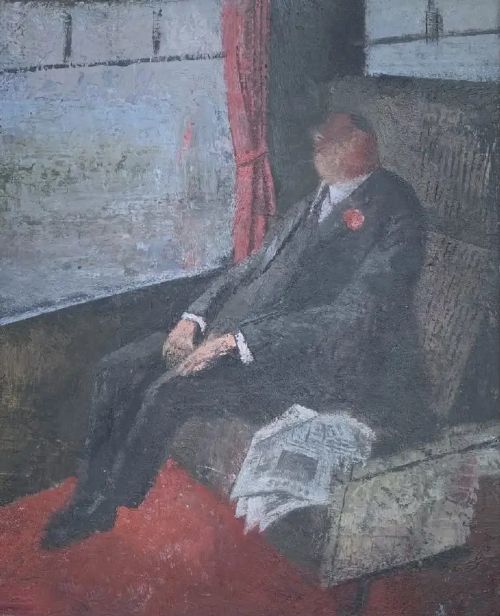
The selections available range from early twentieth-century watercolours to mid-century oil paintings on canvas, board, and panel. Pieces span styles from Edwardian traditionalism through to post-impressionist experimentation.
Makers represented include named artists such as Sidney A. Court, Owen Bowen, and Lucy Pratt alongside works attributed to the broader British School.
How They Were Made
Artists applied oil paint and watercolour using direct observation, frequently painting en plein air to capture immediate light effects. Canvases, wooden panels, and heavy paper support these varied pigment applications.
The inventory includes pastoral landscapes, Cornish harbours, floral still lifes, and artist self-portraits.
What Varies in Quality
Quality rests upon the handling of light, brushwork confidence, and compositional balance. Works by established painters demonstrate a distinct mastery of tone and atmospheric depth.
Materials contribute to overall integrity, with sound supports and stable paint layers preserving the original visual impact across decades.
Sidney A. Court·Kershaw Schofield·Herbert Royle·William Banks Fortescue·Robert Morson Hughes·Lucy Pratt·Clive Browne·Alfred Wolmark·Eric Brown·Ernest Higgins Rigg·Sir Alfred East·Donald McIntyre·Cecil Allan Mould·Maud Raphael Jones·Thomas Hodgson Liddell·Florence Adelina Hess·Ronald Ossory Dunlop·Owen Bowen·Hubert Wellington·Edgar Woollatt·Joseph Edward Hennah·Charles Walter Simpson·Edward Matthew Elliott·William Lee Hankey·Gertrude Hayes
The British Impressionist Wall Art Glossary
- Impasto
- Paint applied thickly to a canvas or panel, standing out in relief from the surface. This technique adds tactile dimension and captures visible brush marks.
- En plein air
- The practice of painting outdoors directly from the subject. Painters observe changing natural light and weather conditions first-hand.
- Panel
- A rigid support surface made of wood used for painting. Panels offer a sturdy alternative to stretched canvas.
- Watercolour
- A paint consisting of pigment suspended in a water-based solution applied to paper. This medium produces transparent washes of colour.
British Impressionist Wall Art: Frequently Asked Questions
What periods do these paintings cover?
The works span from the nineteenth century through the Edwardian era and across the decades of the twentieth century.
Selections include pieces dated from 1900, through the 1920s and 1930s, up to later mid-century examples.
Where were these landscape scenes painted?
Many scenes depict British coastal locations such as St Ives, Cornwall, and Dorset. Other subjects include Yorkshire farmyards, Welsh valleys, and Gloucestershire river landscapes.
Artists frequently travelled to specific regions to capture local topography and coastal light.
How should I frame an antique painting?
Many pieces arrive in their original period frames, which complement the artistic style of the era. Preserving these historic frames maintains the historical context of the artwork.
When framing unframed works, choose wood or gilt moulding appropriate to the painting's creation date.
What is the difference between oil and watercolour?
Oil paint utilises pigment mixed with oil on canvas, board, or wood panels. This medium allows for rich texture and impasto depth.
Watercolour employs water-soluble pigments on paper supports, creating transparent washes and lighter atmospheric effects.