


Edwardian Portrait Watercolour Painting
These edwardian portrait watercolour painting examples capture likenesses on paper using pigment and gouache.
Edwardian Portrait Watercolour Painting
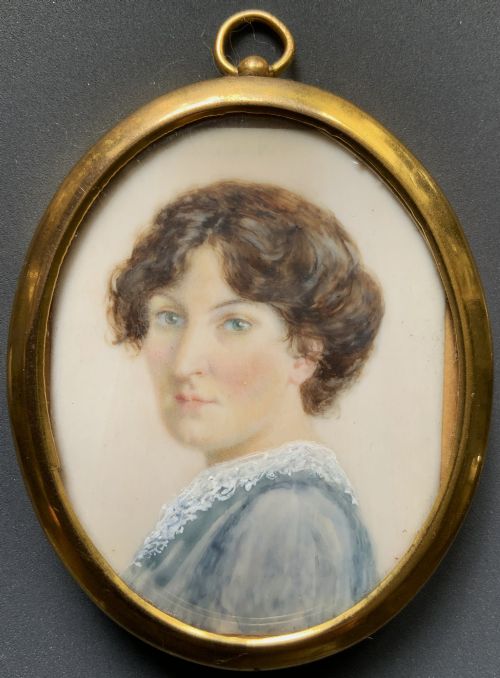
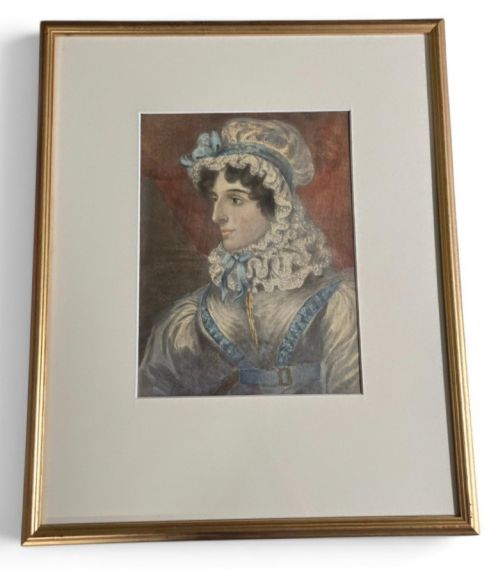
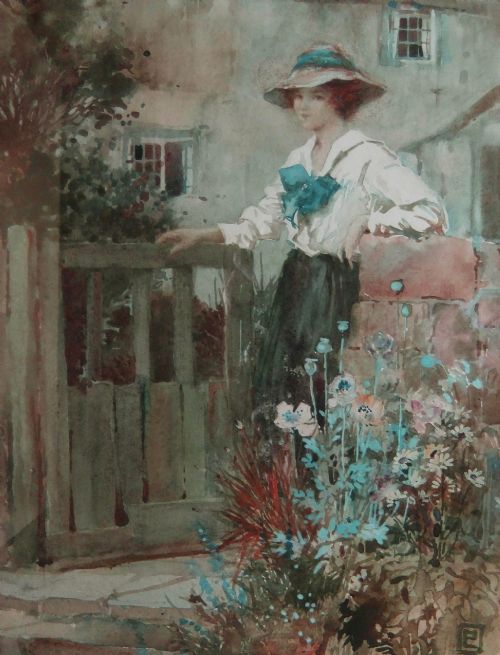
An edwardian portrait watercolour painting represents a distinct genre of works on paper executed during the early twentieth century. These pieces capture subjects ranging from young girls and society figures to named sitters in intimate formats.
The selections on this page span styles such as Victorian, Edwardian, and Art Deco, reflecting the changing tastes of collectors. Buyers frequently encounter framed miniature portraits alongside larger wall art.
Origins include British and continental European creators who worked in watercolour and gouache. Many pieces retain their period framing under glass, preserving the delicate pigments.
How they were made
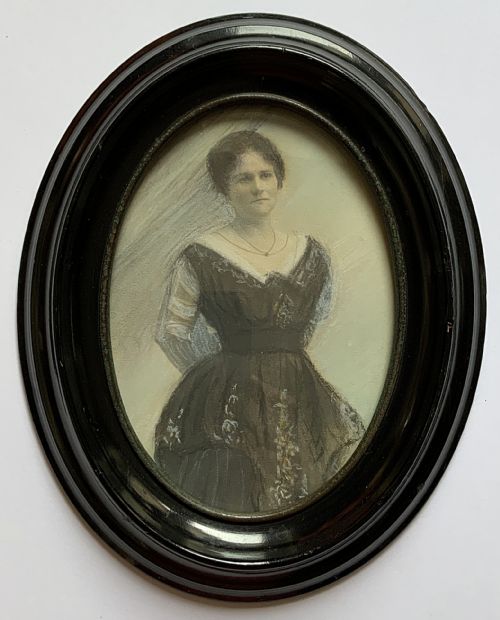
Finished works were protected under glass within wooden or metal frames, occasionally featuring gold leaf accents or silver mounts. Miniature examples required specialised ivory or paper surfaces housed in pocket-sized settings.
Listed periods span the 19th century, Victorian, Edwardian, and the 1920s to the 1950s.
What varies in quality
Technical skill in rendering facial anatomy and expression separates accomplished works from standard examples. The artist's ability to capture light and texture within watercolour pigment dictates the visual success of the piece.
The preservation of the paper support and vibrancy of the pigments determine lasting appeal. Examples that retain original framing and lack excessive fading or foxing command greater appreciation.
John Hassall·Percy Lancaster·Philip Richard Morris·Robert Eadie·Raoul Millais·Susie Lassam·Ralph Todd·Fernand Toussaint·Charles Edward Wilson·Montagu Barstow·Leo Klin·William Lee Hankey·K B Curtis
The Edwardian Portrait Watercolour Painting Glossary
- Watercolour
- A painting method where fine pigment is suspended in a water-based solution and applied to paper. This medium allows for transparent washes of colour.
- Gouache
- An opaque water-based paint that includes a white pigment filler, creating a heavier and more solid finish than standard watercolour. Artists utilised it to add highlights.
- Portrait Miniature
- A small-scale painting depicting a specific person, often created in an oval format to be held or worn. These intimate works required fine brushwork.
- Foxing
- Brown spots and discolouration that appear on old paper due to chemical reactions over time. Collectors monitor this condition when assessing works on paper.
- Support
- The underlying physical material, such as paper or card, upon which the artist applies the pigments. Its weight and quality affect the longevity of the artwork.
Edwardian Portrait Watercolour Painting: Frequently Asked Questions
What is an edwardian portrait watercolour painting?
An edwardian portrait watercolour painting is a work on paper created during the early twentieth century using water-based pigments. These pieces capture individual likenesses, ranging from commissioned portraits to informal studies of children and society figures.
Such artworks typically measure compactly and often remain within their original period frames under glass. They reflect the artistic preferences of the era before photography fully dominated portraiture.
How should I display these watercolours safely?
Watercolours require careful placement away from direct sunlight to prevent the pigments from fading. Hanging them on interior walls with stable humidity protects the paper support and the framing materials.
Ensure that the protective glass does not touch the surface of the painting directly. Professional framing with acid-free backing boards helps preserve the artwork for years to come.
How do I identify the period of a portrait?
Dating relies heavily on the clothing styles, hairstyles, and accessories worn by the sitter. Fashion trends shift visibly between the Victorian era, the Edwardian period, and the subsequent Art Deco years.
Signatures, dates written on the back of the frame, and exhibition labels also provide concrete evidence. Comparing the technique and materials to known dated examples helps narrow down the timeframe.
Were these paintings used in homes?
These portraits served as personal mementos displayed in private parlours, bedrooms, and drawing rooms. Miniature versions were often kept on mantelpieces or carried as pocket items.
Larger framed examples functioned as formal wall art to showcase family members or admired acquaintances. They formed an essential part of domestic decoration in period households.