


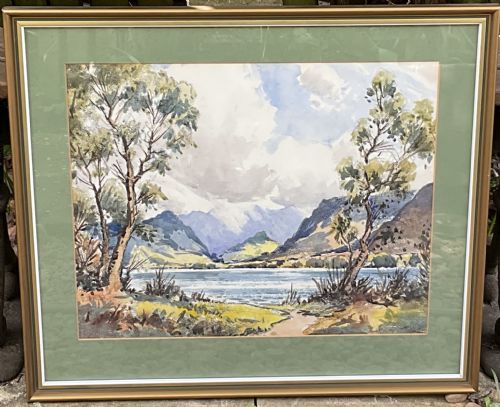


Lake District Watercolour Painting
A lake district watercolour painting captures Cumbrian fells and valleys through pigment on paper, offering a direct view into historical topography.
Lake District Watercolour Painting
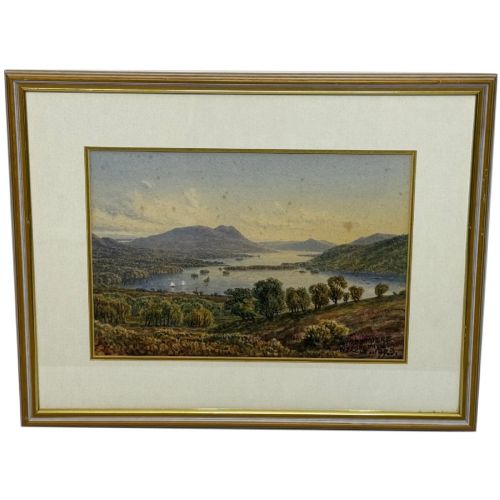
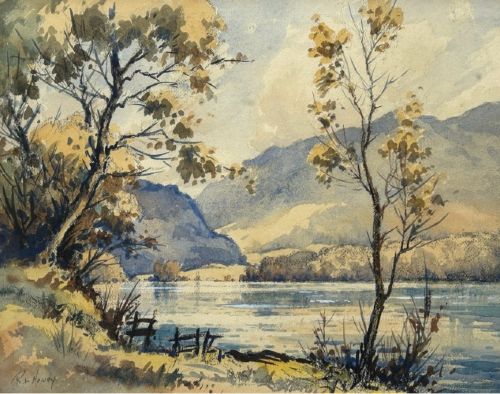
A lake district watercolour painting depicts specific locations across Cumbria, such as Windermere, Derwentwater, and Grasmere, rendered on paper surfaces.
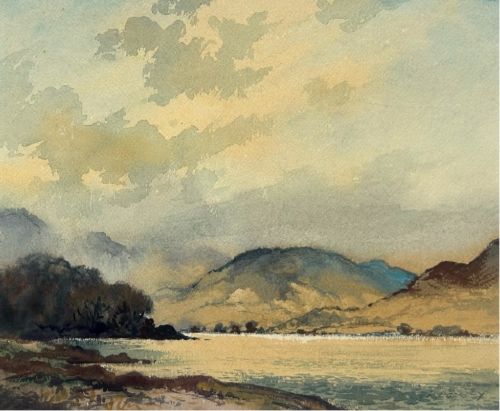
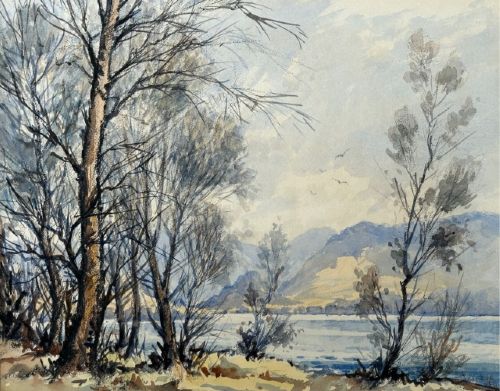
The selections span from late 18th-century Georgian sketches to mid-20th-century impressionist views, encompassing traditional topographical studies and atmospheric landscapes.
Buyers encounter works framed and glazed in wood and gilt wood frames, preserving the delicate pigment and paper materials from environmental damage.
How They Were Made
Artists applied watercolour pigment and ink onto paper sheets, utilising washes to build translucent tones for mountains, lakes, and skies.
Finished works received protection behind glass within wooden frames, occasionally enhanced with gilt surrounds to complement the composition.
Several artists walked the same Cumbrian paths for decades, returning repeatedly to paint the exact same bend in Derwentwater under different skies.
What Varies in Quality
The standard of a lake district watercolour painting depends on the precision of the topographical detail and the fluidity of the brushwork in capturing light across Cumbrian water and fells.
The subtlety of pigment layering and the preservation of the paper support distinguish accomplished works from standard topographical illustrations.
William Taylor Longmire·Robert Leslie Howey·Edward Dayes·Edward Horace Thompson·Claude Muncaster·Frederick Tucker·Cornelius Pearson·Tom Dudley·William Green·James William Whittaker·Bernard Eyre Walker·James Baker Pyne
The Lake District Watercolour Painting Glossary
- Watercolour
- A paint consisting of soluble pigment suspended in a water-based solution. It relies on the white of the paper to provide luminosity through translucent washes.
- Topographical landscape
- An artwork depicting a specific, recognisable geographical location rather than an imaginary scene. These pieces often record historical views of lakes and villages.
- Gilt wood
- Wood treated with a thin layer of gold leaf or metallic gilt paint. It is commonly found on the frames enclosing 19th-century and Edwardian paintings.
- Impressionism
- A style focusing on atmospheric effects and light rather than minute detail. Post-war examples apply looser brushstrokes to Cumbrian scenery.
Lake District Watercolour Painting: Frequently Asked Questions
How should I hang a watercolour painting?
Keep watercolours away from direct sunlight to prevent the pigments from fading over time. Direct exposure to bright light damages both the paper and the water-soluble colours.
Ensure the room maintains a stable humidity level to protect the paper support and the wooden frame from warping.
What subjects do these paintings show?
These works depict recognizable Cumbrian locations, including specific lakes like Windermere and Derwentwater, alongside local fells, waterfalls, and villages.
Artists frequently recorded views of specific valleys such as Langdale and Grasmere, providing a visual record of the region over two centuries.
How can I tell the period of a painting?
Examine the framing style, the paper type, and the artist's signature or recorded working dates. Georgian and 18th-century pieces often feature tighter ink and wash techniques.
Mid-century works tend to display looser impressionistic brushwork, reflecting shifts in British landscape painting traditions during the 20th century.
Are all these paintings framed?
Many examples retain their period wooden or gilt wood frames, often accompanied by glass protection. Glazing is essential for shielding delicate paper and water-soluble pigments from dust and moisture.
Check individual listings to confirm whether a piece retains its original framing or has been reglazed.