

British Hallmark Silver
British hallmark silver comprises marked pieces from Victorian, Edwardian, and mid-century periods that collectors prize for their verifiable metal standard and assay office stamps.
British Hallmark Silver
When you search for british hallmark silver, you are looking at functional and decorative metal objects stamped with official assay marks that confirm their metallic purity. The selections span from the Victorian and Edwardian eras through George V, George VI, and mid-century modern periods.
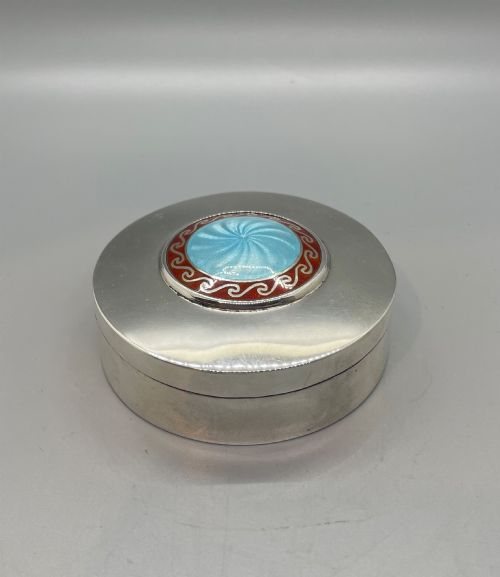
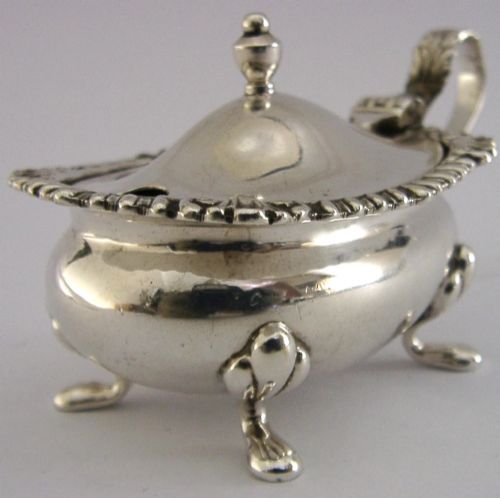
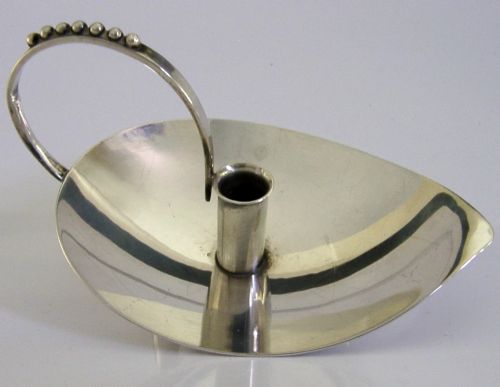
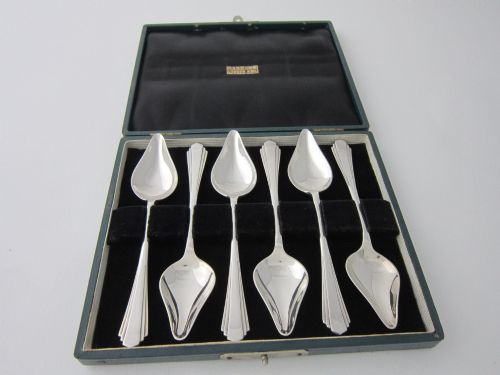
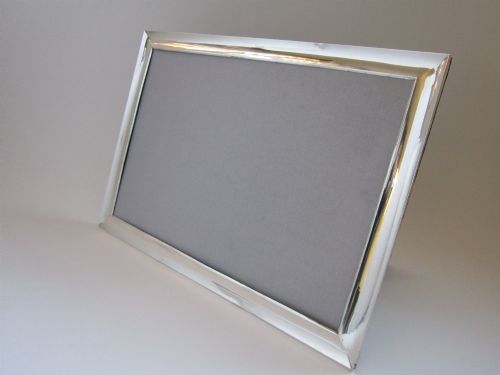
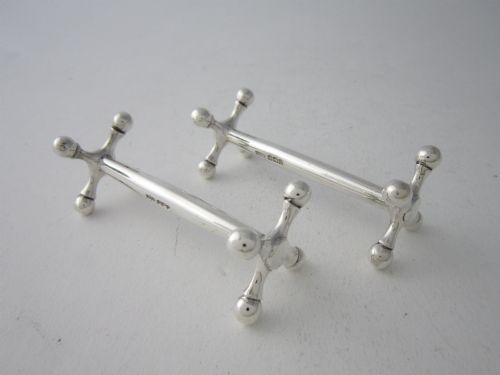
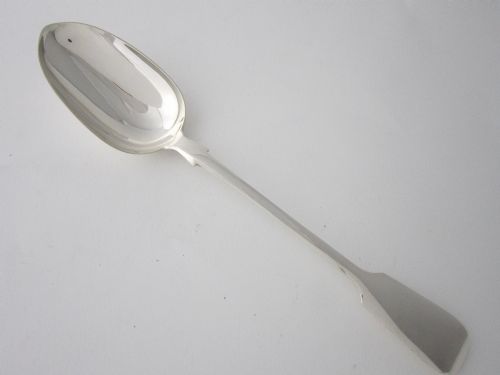
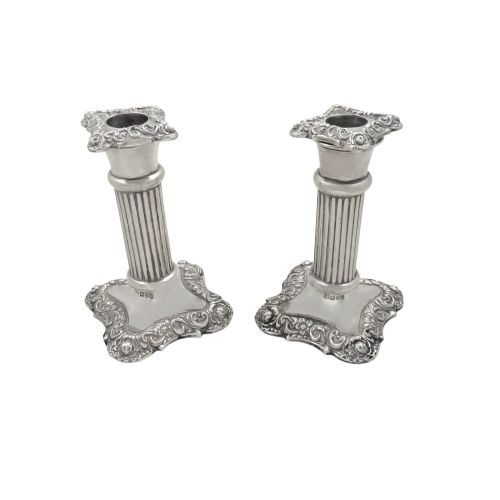
You are most likely to meet smaller dining and desk accessories such as napkin rings, mustard pots, caddy spoons, and serving utensils. Larger ornamental pieces like photograph frames, bowls, and candlesticks also appear regularly.
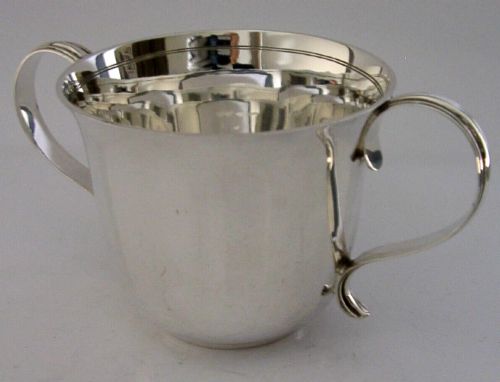
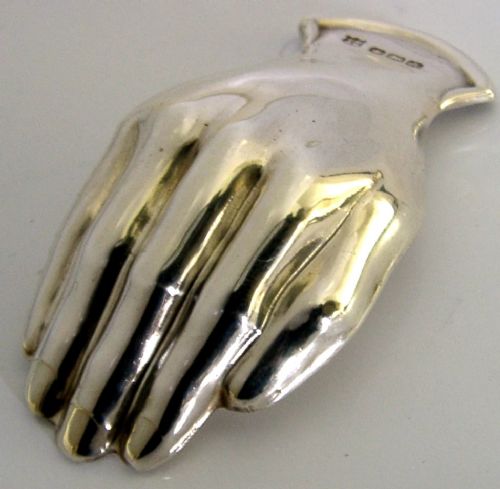
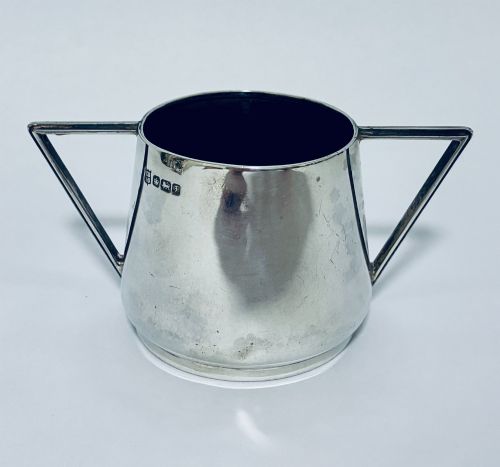
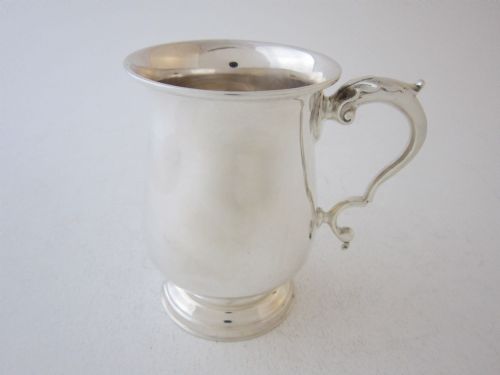
The assortment reflects domestic and ceremonial forms, ranging from Christening mugs and tea strainers to heavy twin-handled porringers and novelty tea caddy spoons.
Materials and construction
Pieces are primarily fabricated from sterling silver and solid silver, frequently combined with secondary elements such as blue glass liners, leatherette, fabric, agate, and gilt.
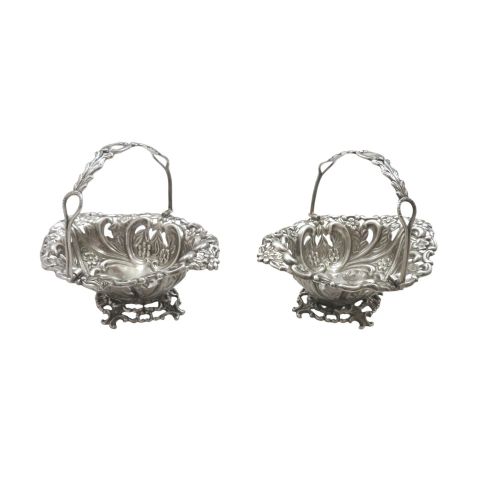
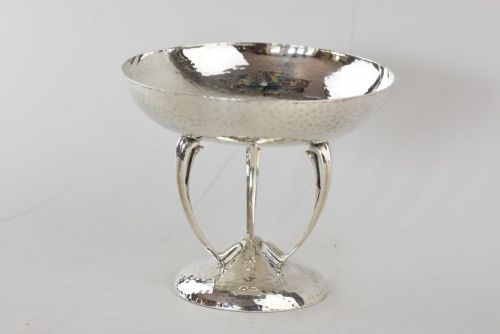
Makers utilised traditional forming techniques, including hand hammering seen in Arts and Crafts pieces, alongside cast and chased decorative motifs.
Objects integrate mixed media elements, such as silver-mounted Doulton Lambeth stoneware beakers, demonstrating diverse craft methods across the periods.
Listings feature sterling silver and solid silver items across Victorian, Edwardian, George V, George VI, and mid-century periods.
Judging the range
The standard of british hallmark silver depends heavily upon the weight of the metal and the crispness of the stamped assay marks. Heavier gauges of silver indicate substantial domestic utility rather than light commemorative manufacture.
The distinction between standard production items and works by notable silversmiths shifts the character of an object. Form complexity, such as novelty shapes or hand-hammered surfaces, elevates certain utilitarian forms above plain domestic wares.
Geoffrey Bellam·Aaron Lufkin Dennison·Goldsmiths and Silversmiths Company London·Connell·Joseph Rodgers·Sutherland of London
The British Hallmark Silver Glossary
- Hallmark
- An official stamp applied by an assay office to guarantee the purity of precious metal items. These marks typically include a standard mark, a sponsor's mark, and a date letter.
- Sterling silver
- An alloy comprising ninety-two point five percent silver and seven point five percent other metals, usually copper. This standard composition is required for British silver bearing the lion passant.
- Assay office
- An official body charged with testing the purity of precious metals before stamping them with hallmarks. Important British offices include London, Chester, and Birmingham.
- Tazza
- A shallow ornamental bowl or cup mounted on a stem and foot. They are often utilised for serving small portions or displaying fruit.
- Porringer
- A small, deep bowl provided with one or two horizontal flat handles. These vessels were historically used for porridges, soups, or broths.
British Hallmark Silver: Frequently Asked Questions
What do the marks on british hallmark silver mean?
Assay office stamps provide verifiable proof of metal purity, the maker's identity, and the exact year of production. These impressions let collectors trace an object's precise origin.
Reading the stamps involves identifying the lion passant for sterling standard, alongside specific town marks and date letters that change annually.
How do I care for sterling silver pieces?
Silver requires gentle cleaning with specialised cloths to remove tarnish without abrading the metal surface. Proper storage away from damp environments preserves the finish.
Avoiding harsh chemical dips protects delicate glass liners, fabric, and stone inserts frequently found in period condiment pots and frames.
What periods are common for these items?
The recorded inventory spans from early nineteenth-century Georgian and Victorian works through Edwardian designs up to mid-century modern pieces from the nineteen-sixties. George V and George VI eras are particularly well represented.
Each period exhibits distinct stylistic shifts, moving from ornate Victorian chasing to clean geometric Art Deco lines and modernist minimalism.