



British Fine Art Canvas
British fine art canvas selections bring historic portraiture, landscape and genre scenes into a room through centuries of painterly tradition.
British Fine Art Canvas
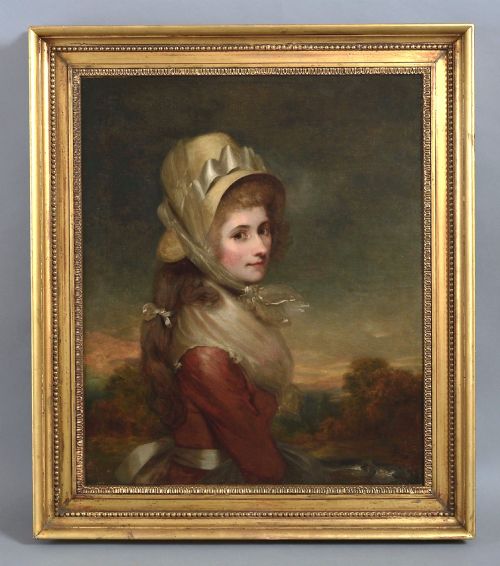
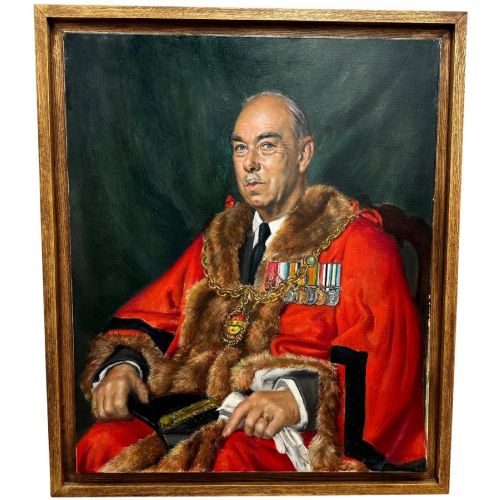
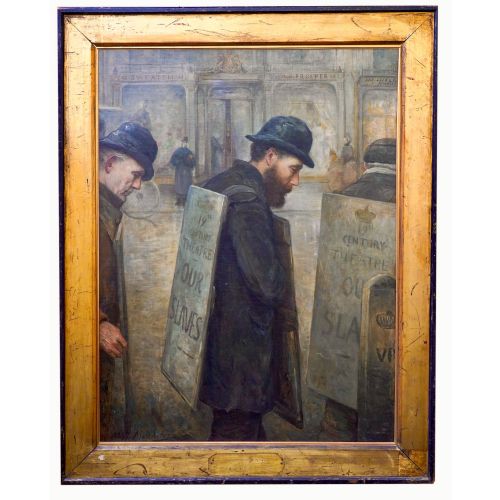
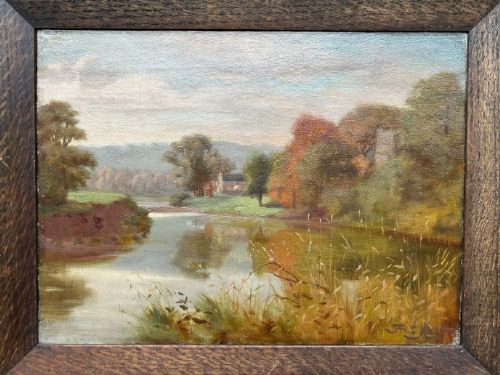
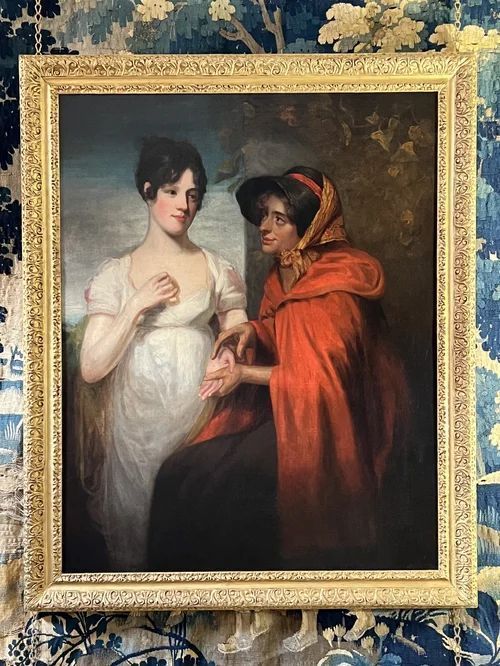
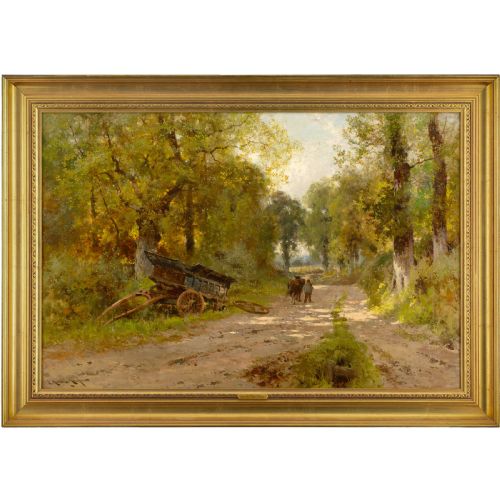
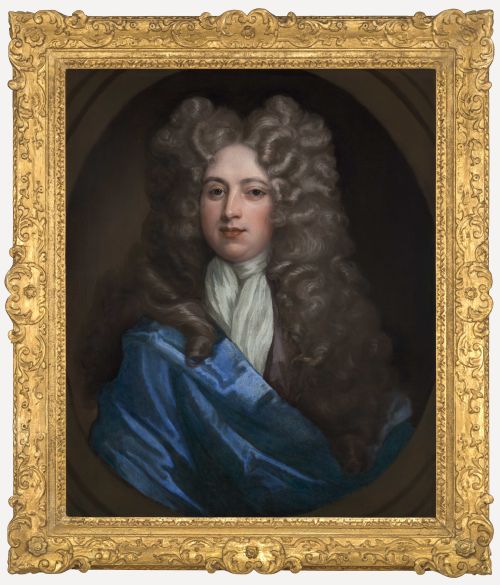
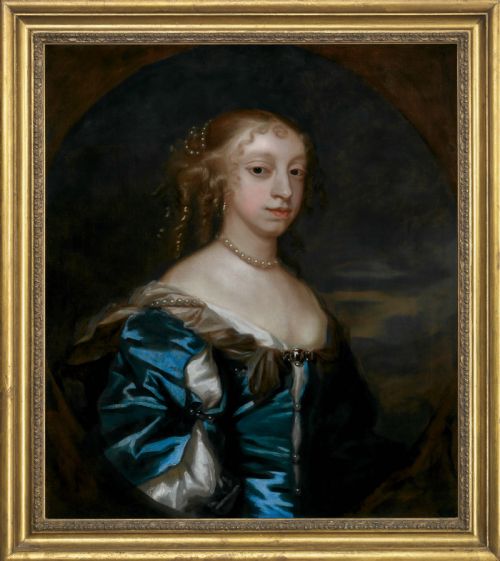
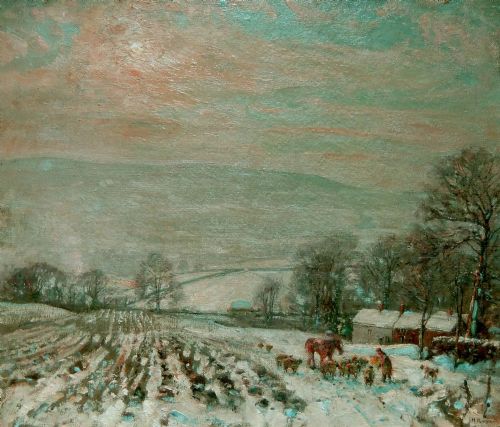
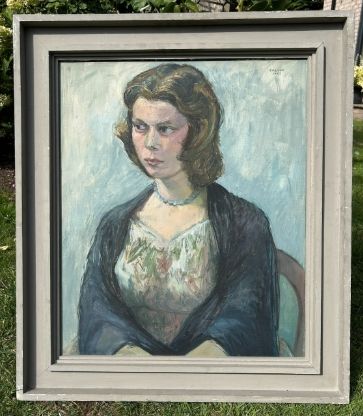
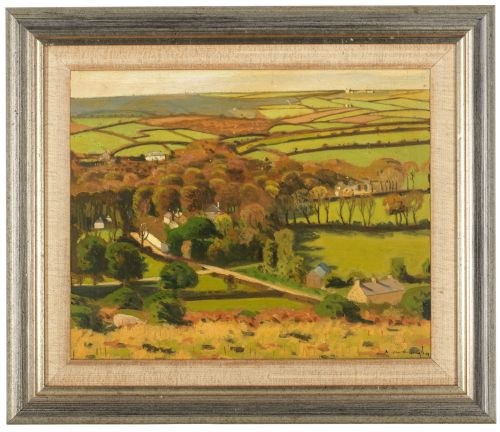
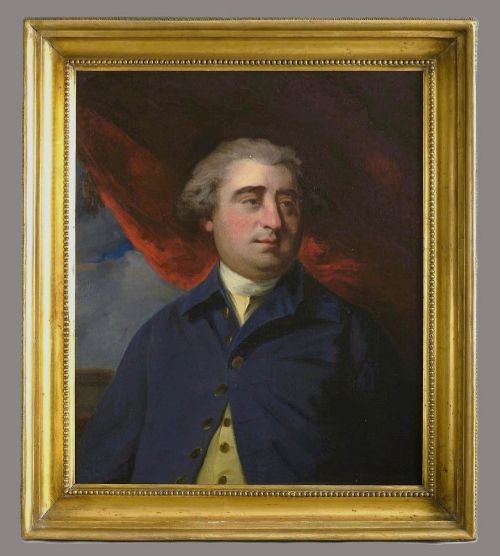
When you search for british fine art canvas, you encounter oil paintings spanning from the seventeenth century through to the mid twentieth century. The selection is heavily anchored by historical portraiture, depicting gentlemen, ladies and public figures alongside pastoral landscapes and river views.
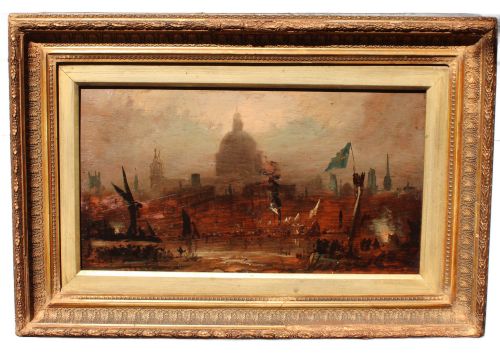
Most examples you meet here are traditional oil on canvas works, often housed in period wooden and giltwood frames that complete the composition. These range from intimate studies by regional English schools to formal portrait commissions from established studios.
How they were made
The primary technique relies on applying oil paint directly onto stretched woven canvas supported by wooden stretchers. Artists utilised rich oil mediums to build texture and depth, particularly visible in the rendering of textiles, foliage and skin tones.
Framing forms an integral part of the physical object, utilising carved wood and giltwood to protect the canvas edge and project the artwork outward. The stretcher frames behind often reveal age through oxidised timber and historical wedge keys.
Several canvases quietly preserve the distinct gaze of historical mayors, duchesses, children with fruit baskets, and dappled buckskin horses.
What varies in quality
Quality separates through the confidence of brushwork and the anatomical accuracy found within the figures or perspective of the landscape. Master works display subtle tonal gradations and lifelike presence that lesser studio copies or provincial student pieces lack.
The integrity of the canvas surface and the preservation of the original paint layer dictate the upper tier of the range. Retaining untouched historical varnish and minimal overpaint distinguishes a superior survivor from a heavily restored canvas.
Sir Martin Archer Shee·Bernard Hailstone·John Maler Collier·John Opie·Thomas Murray·Jean Baptiste Van Loo·John Greenhill·John Closterman·Sir Joshua Reynolds·Sir Allan Ramsay·Albert Clark·Herbert Royle·Robert Morson Hughes·Thomas Beach·W.D. Almond·Lucy Pratt·Peter Brannan·Herbert Ashwin Budd·Gladys Marguerite Baker·Stephen Pearce·Peter Newcombe·Sir Alfred East
The British Fine Art Canvas Glossary
- Oil on canvas
- A painting medium where pigments are suspended in a drying oil, traditionally linseed, applied to a woven fabric support stretched across a wooden frame. This combination allows for rich blending and enduring flexibility over centuries.
- Giltwood
- Timber, typically carved gesso-coated wood, covered with a thin layer of gold leaf or metallic powder. It provides the reflective, ornate border standard to high-status historical picture frames.
- Genre painting
- The pictorial representation of scenes from everyday life, ordinary people, and social history rather than elevated mythological or historical subjects. These works capture domestic interiors, street scenes, and rural pastimes.
- Stretcher
- The internal wooden framework upon which an artist's canvas is fastened and tensioned before painting. Traditional examples utilise corner mitres and wooden keys to adjust tautness.
- Studio of
- A term denoting a work produced by assistants or pupils working under the direct supervision and guidance of a master artist. Such pieces often replicate popular compositions originating from the master's hand.
British Fine Art Canvas: Frequently Asked Questions
What periods do these paintings cover?
The works span from the seventeenth century through the Georgian and Victorian eras up to the mid twentieth century. You will find seventeenth-century cavaliers alongside Edwardian landscapes and mid-century portraits.
This broad chronological range reflects centuries of continuous painting tradition across British art schools and independent studios.
How do I identify a studio piece?
Studio pieces are typically attributed when a composition mirrors a known master's work but exhibits the hand of assistants or pupils. These paintings were generated within the active workshop environment of prominent artists.
They offer historical proximity to major figures while remaining distinct from prime autograph works executed solely by the master.
What is oil on canvas?
Oil on canvas involves applying pigment bound in drying oil onto a woven textile stretched tightly over a wooden frame. This method became the dominant support for fine art due to its durability and capacity for luminous detail.
The textile ground responds to environmental conditions, making stable indoor humidity essential for long-term preservation.
How should I hang a canvas?
Hang oil paintings away from direct sunlight, damp walls, and sudden temperature fluctuations caused by radiators or fireplaces. Proper picture hooks secured to wall studs should support the weight of the heavy wooden frame.
Ensure the canvas remains correctly tensioned on its stretcher behind the frame without pressing directly against the wall surface.