
British Figurative Painting
British figurative painting captures human life and form through oil and watercolour, bringing character and narrative directly into a room.
British Figurative Painting
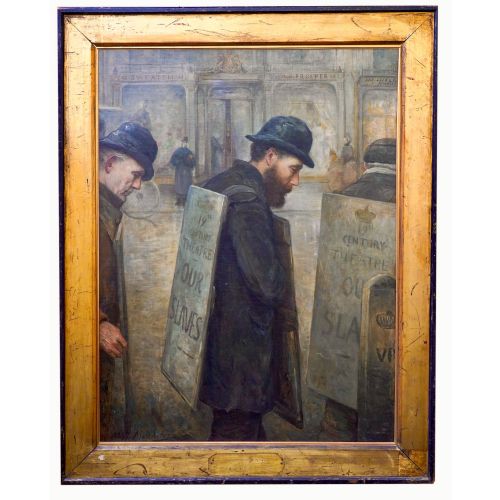
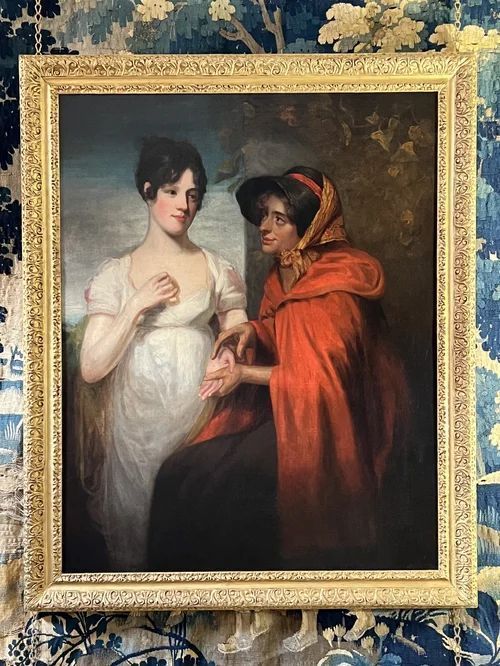
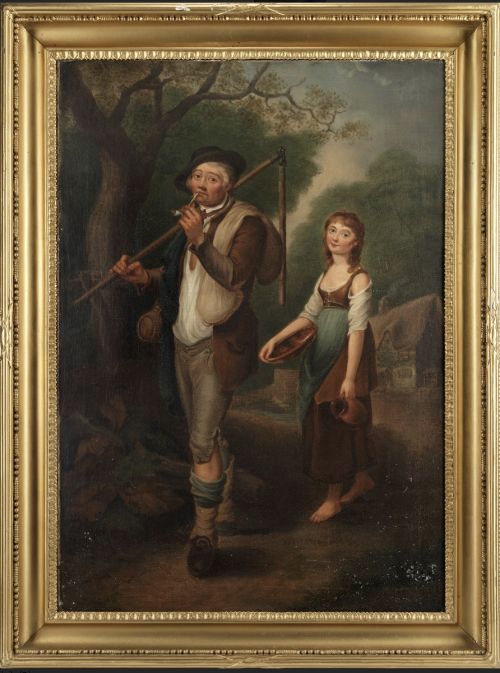
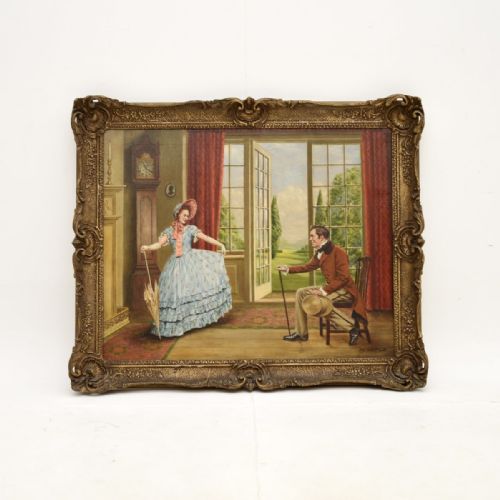
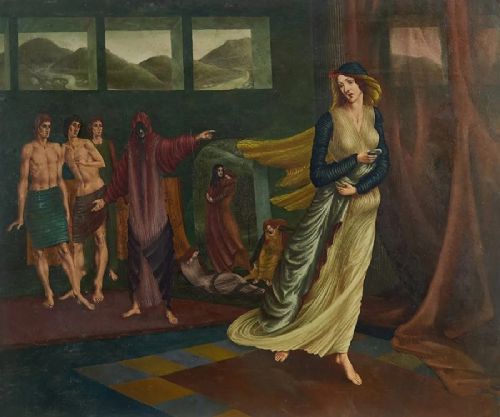
British figurative painting encompasses works focused on the human form, social history, portraiture, and domestic genre scenes. These pieces capture individuals, families, and everyday narratives across various centuries.
Originating from periods spanning the Victorian era through the mid-twentieth century, these artworks reflect evolving British artistic movements including British Impressionism and Modern British styles.
How They Were Made
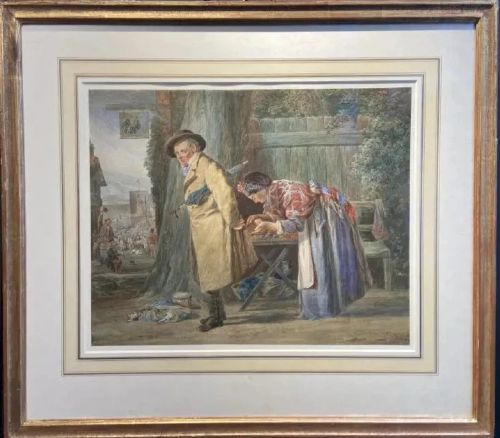
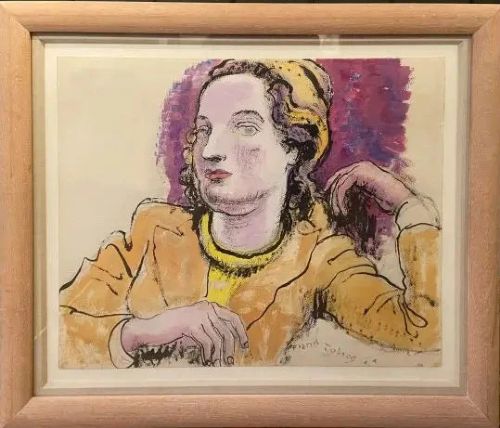
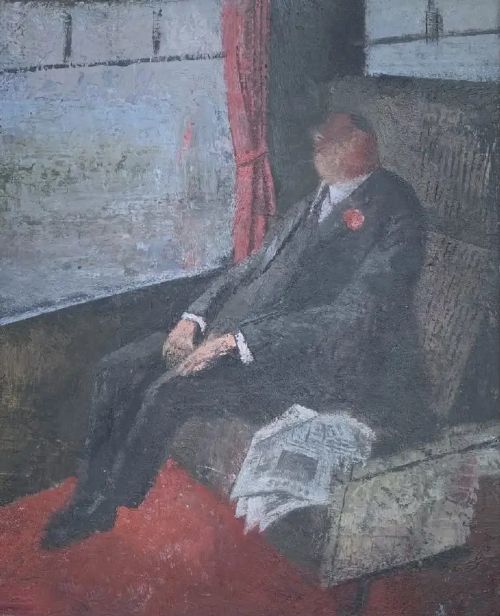
Artists built these compositions primarily using oil paint on stretched canvas or wooden panels, applying pigment with brushes to achieve depth and texture. Watercolours on paper also appear, utilising fluid washes for lighter portraiture and landscape integration.
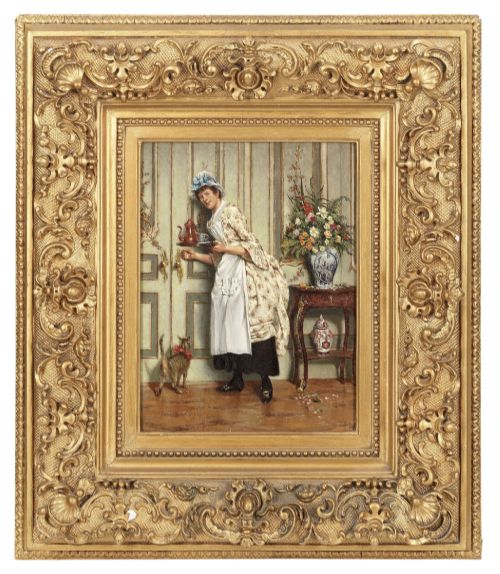
Canvases often sit within period frames constructed from wood and finished with gesso and giltwood details. Panels of wood or board provide sturdy supports for smaller genre scenes and board paintings.
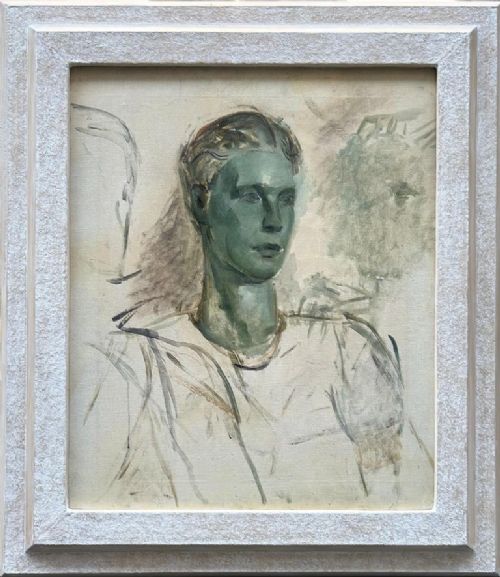
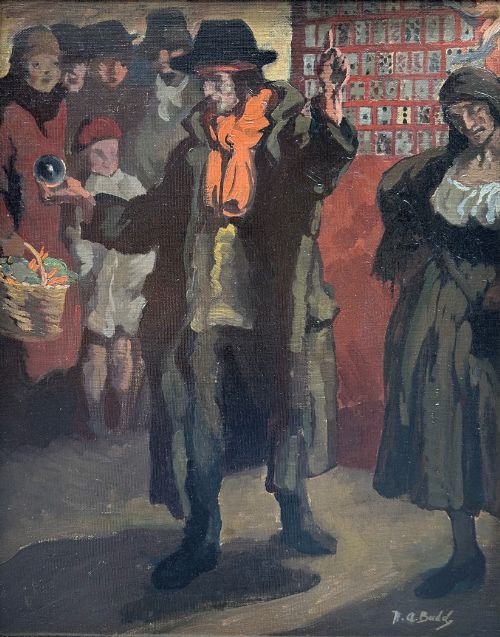
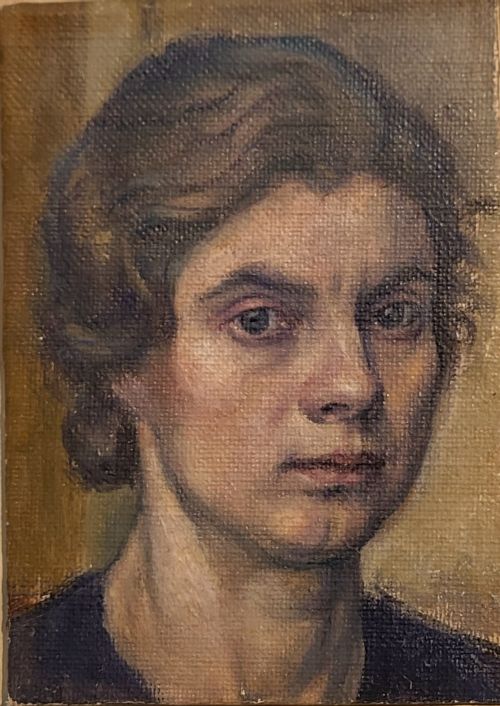
Canvases capture everything from solemn self-portraits to cheeky chimney sweepers and domestic scenes featuring ponies in the stableyard.
What Varies in Quality
Mastery of anatomy, expression, and light distribution separates works by accomplished academicians from standard studio output. Strong composition and a sure handling of paint create enduring visual engagement.
The preservation of the original paint surface and the integrity of the ground matter significantly. Works retaining their untouched pictorial layer present stronger historical and aesthetic value.
Felix Stone Moscheles·John Opie·Stephen Samuel Lewin·Alfred Lyndon Grace·Frank Dobson·James Stroudley·Herbert Ashwin Budd·Winifred Rymer·Charles James McCall·Percy Lancaster·Philip Naviasky·Lilian Colbourn·Ronald Ossory Dunlop·Charles Edward Wilson·Harry Brooker·Byam Shaw·Margaret Maitland Howard·Harry Freckleton·Allan Douglas Davidson·Gertrude Halsband·Septimus Scott·Haynes King·John Sanderson Wells·James Kyd·C S Lidderdale
The British Figurative Painting Glossary
- Genre painting
- Depiction of aspects of everyday life by depicting ordinary people engaged in common activities. These scenes often record domestic interiors and social customs of the period.
- Gesso
- A plaster-like mixture applied to wood or canvas as a base for painting or applied to frames for moulding. It provides a smooth surface for gilding and decorative work.
- Giltwood
- Wood carved and covered with a thin layer of gold leaf or gold paint. Frames utilising this technique complement traditional oil paintings.
- Oil paint
- Slow-drying paint made of pigment particles suspended in a drying oil. This medium allows artists to blend tones and build rich, layered surfaces.
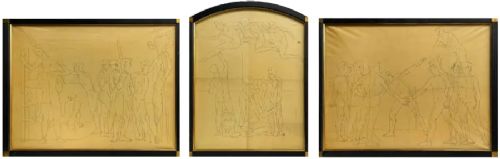
- Triptych
- A picture or relief carving on three panels hinged together side by side. This format often displays sequential narratives or thematic groupings.
British Figurative Painting: Frequently Asked Questions
What subjects appear in these paintings?
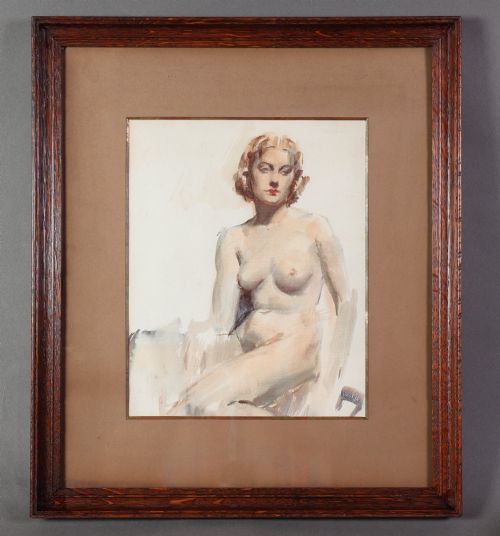
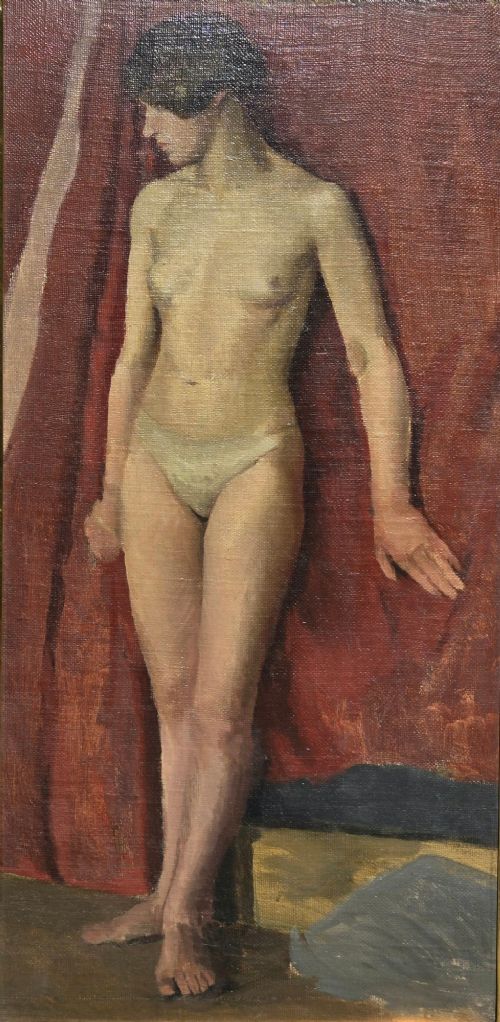
These works display portraiture, studio nudes, children playing, and country house interiors. Figures engage in daily tasks or pose for formal studies.
Scenes range from Victorian social history to mid-century modern interpretations of the human form.
How do I hang a heavy oil painting?
Large works on canvas require secure fixings screwed directly into wall studs or solid masonry using appropriate wall plugs. Ensure the hanging wire and D-rings on the frame are robust enough to support the weight.
Position the centre of the artwork at eye level to achieve a balanced display within the room.
Where should I display these artworks?
Place paintings in rooms with stable humidity and away from direct, harsh sunlight to protect the oil paint and paper. Living rooms, studies, and hallways provide suitable environments for viewing.
Keep pieces away from active heat sources to prevent warping in wooden panels and giltwood frames.
How do I distinguish Victorian works from mid-century pieces?
Victorian paintings typically exhibit detailed realism, narrative domestic subjects, and ornate giltwood frames. Brushwork tends to be tight and blended to achieve smooth transitions.
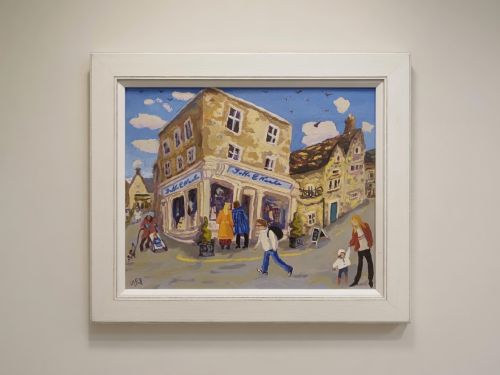
Mid-century British pieces often embrace looser brushwork, simplified forms, and modernist palettes reflecting post-war artistic shifts.