


Brass Walking Stick Holder
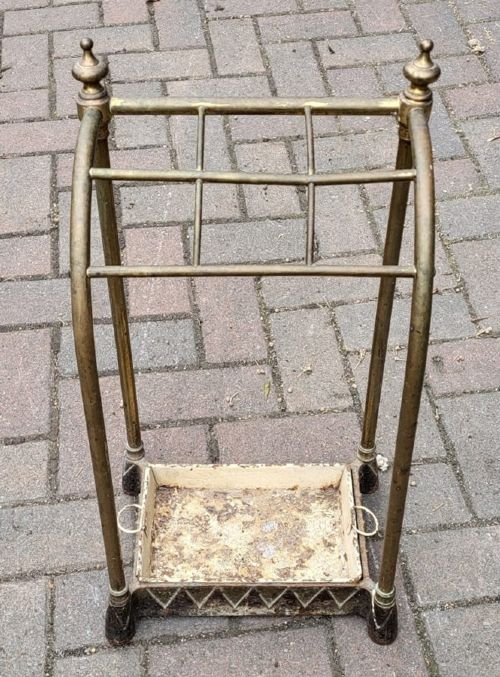
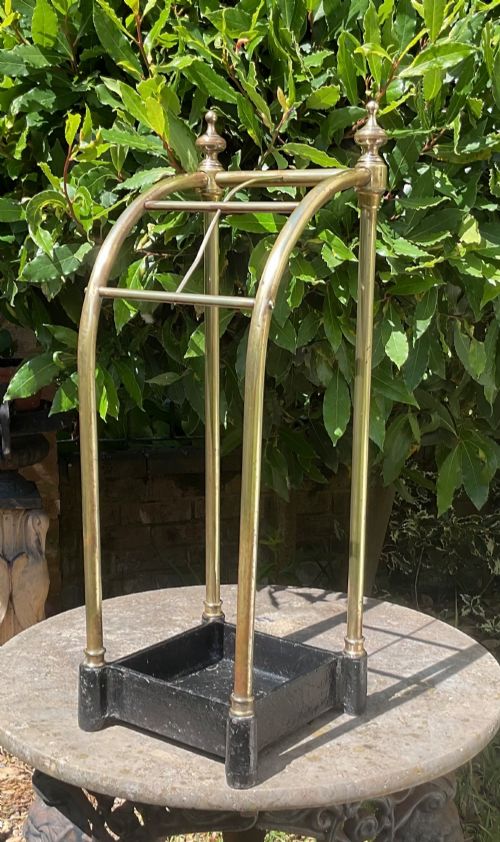
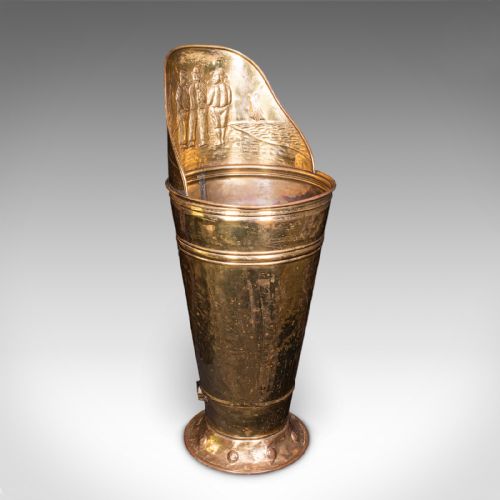
A brass walking stick holder organises the hallway with polished metal and sturdy utility, offering a traditional home for canes and umbrellas.
Brass Walking Stick Holder
A brass walking stick holder serves as a practical hallway accessory for storing canes and umbrellas. When searching for a brass walking stick holder, buyers encounter various forms designed to fit hallway spaces.
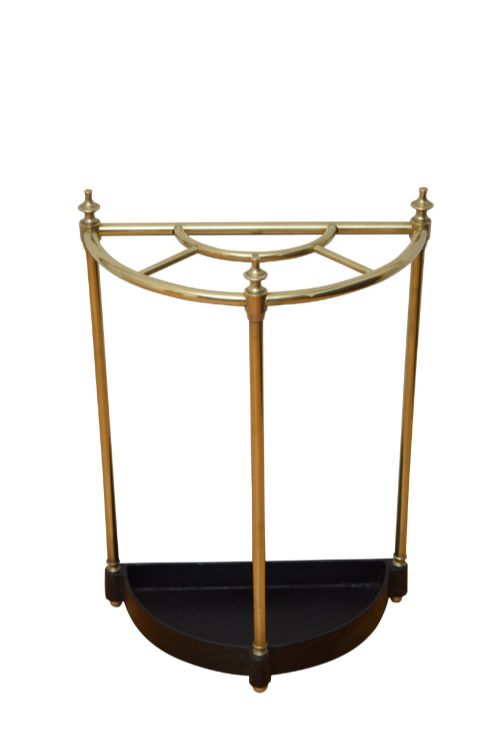
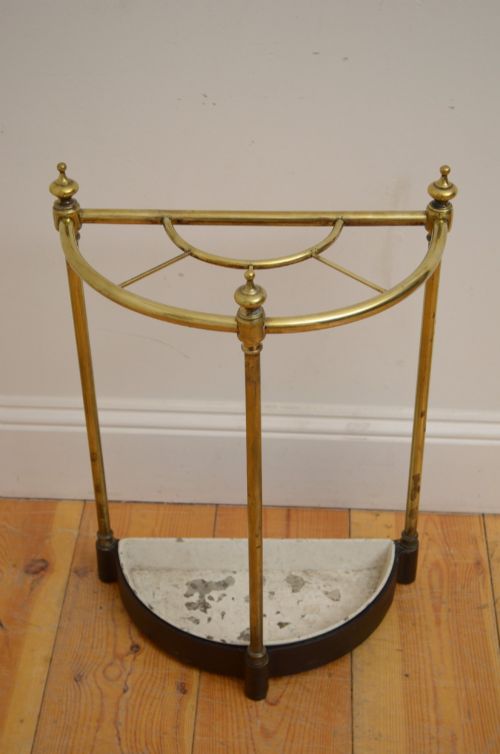
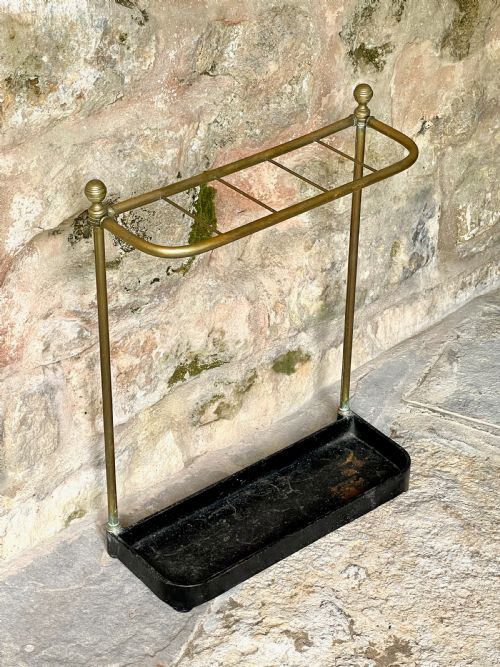
The most common examples on this page are half moon and demi lune designs that sit flat against a wall, alongside circular and corner variations. These objects date from the Victorian and Edwardian periods through to the early twentieth century.
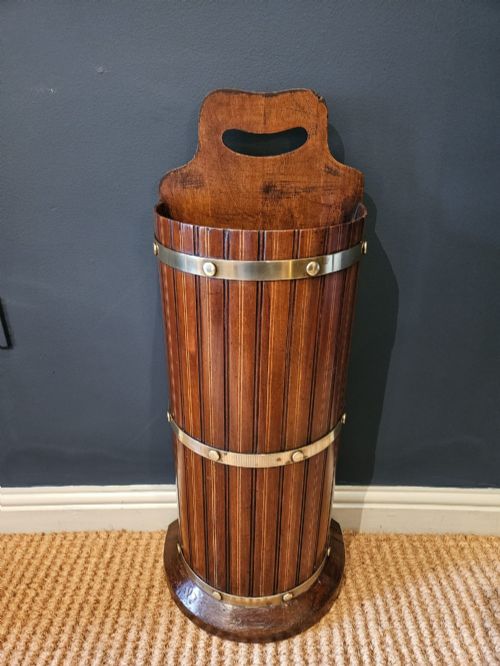
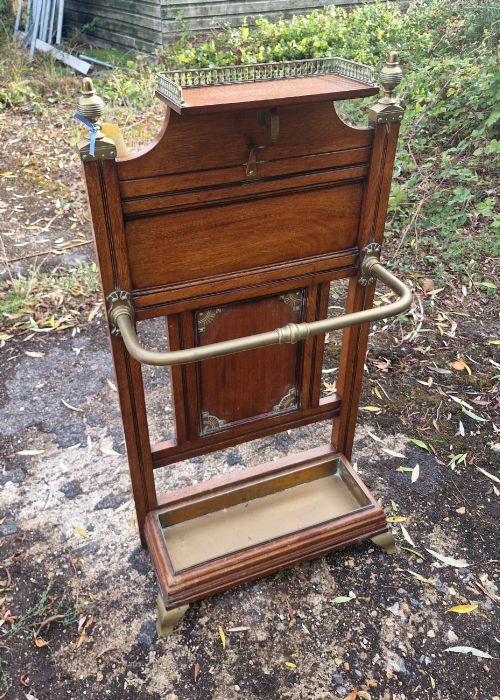
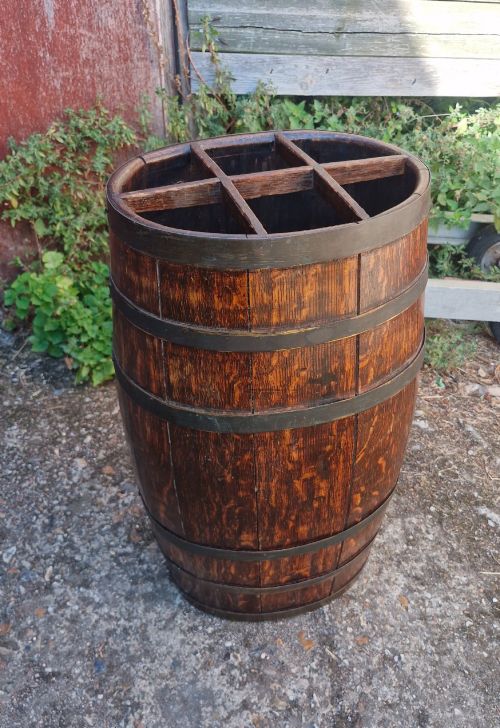
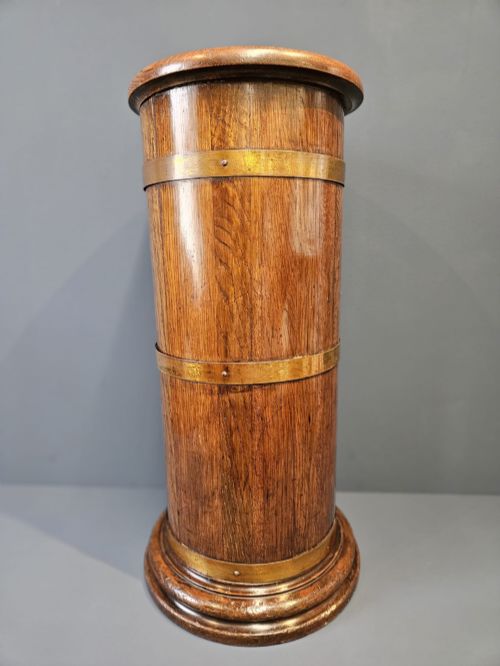
Materials extend beyond pure metal, frequently combining brass with cast iron bases or wooden bodies such as oak and mahogany. Makers also produced coopered wooden barrels bound with brass bands.
How they were made
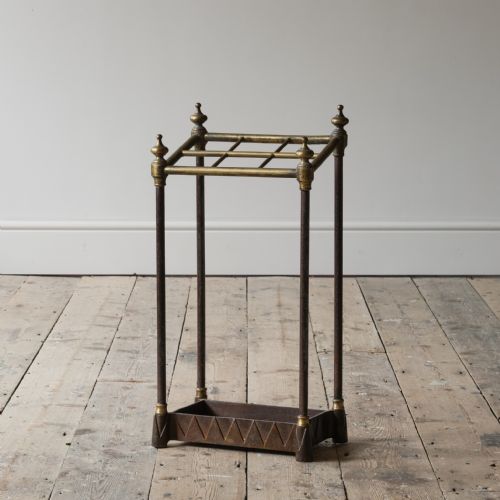
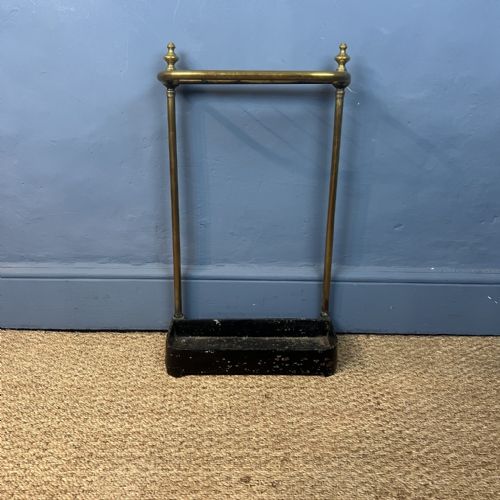
Manufacturers utilised brass for sheet bodies, cast elements, and structural loops, often combining it with heavy cast iron to ensure stability against wet umbrellas and heavy walking canes.
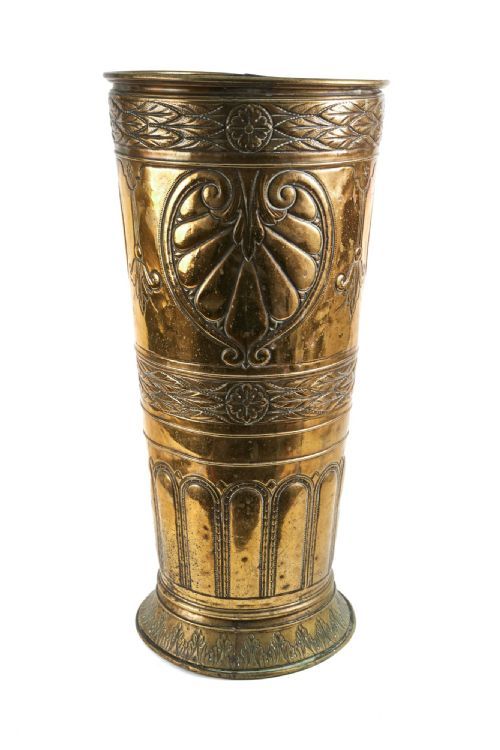
Wooden versions employ traditional coopered construction using oak or mahogany staves held together by tight brass bands. Pierced sheet brass and cast iron frames provide ventilation and drainage for damp items.
Brass Walking Stick Holder Retail Price Guide 2026
Typical asking prices for brass walking stick holder among the pieces listed under this phrase on Sellingantiques today, from the lower quarter to the upper quarter. They describe what is for sale here now, not the wider market.
Listings combine brass with cast iron, oak, mahogany, copper, and leather across Victorian and Edwardian periods.
What varies in quality
The standard of a stick holder depends upon the thickness of the brass and the solidity of the iron base. Heavier castings and substantial oak or mahogany bodies distinguish more robust examples.
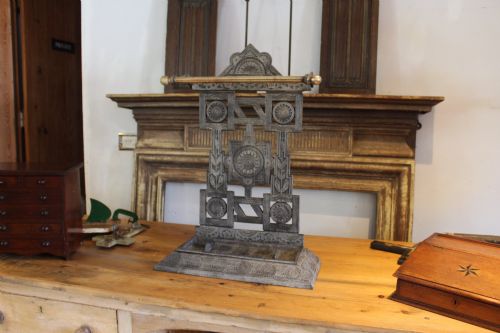
Design complexity also sets pieces apart, ranging from simple circular loops to pierced decorative patterns and marked pieces from known makers.
Thomas Jeckyll·Shoolbred·R.A. Lister
The Brass Walking Stick Holder Glossary
- Demi-lune
- A half moon shape designed to stand flat against a hallway wall. This form saves floor space while holding multiple sticks and umbrellas.
- Coopered
- A construction method using wooden staves bound with metal hoops, similar to barrel making. This technique appears in oak umbrella stands.
- Cast iron
- A heavy, durable metal alloy used for the weighted bases of stick stands. It prevents the stand from tipping over when loaded with heavy walking canes.
- Pierced brass
- Metal sheet perforated with decorative patterns. This technique allows airflow to dry wet umbrellas placed inside the holder.
Brass Walking Stick Holder: Frequently Asked Questions
Where should I place a stick stand?
These pieces belong in a hallway or entrance lobby where guests leave their outdoor gear. Their compact footprints, particularly half moon shapes, allow them to fit neatly against narrow walls.
Positioning the holder near the front door provides immediate access for walking canes and umbrellas upon entering or leaving the house.
How do I care for brass and wood?
Polishing brass maintains its metallic sheen, though many owners prefer a natural aged patina. Wood components like oak and mahogany benefit from occasional waxing to protect the surface from moisture.
Keeping the interior base dry prevents rust on metal parts and water stains on wooden floors.
Did Victorians use separate holders for sticks?
Victorian hallways often featured dedicated stands for walking canes alongside umbrella holders. Many surviving examples accommodate both types of items through partitioned loops or rings.
Gentlemen used specialised stands to organise their collection of walking sticks for daily promenades.
What is a coopered barrel stand?
Coopered barrel stands are constructed from curved wooden staves bound together by tight metal rings. Craftsmen utilised oak for these sturdy cylindrical holders.
This traditional woodworking method mirrors the creation of drinking casks and water buckets.