
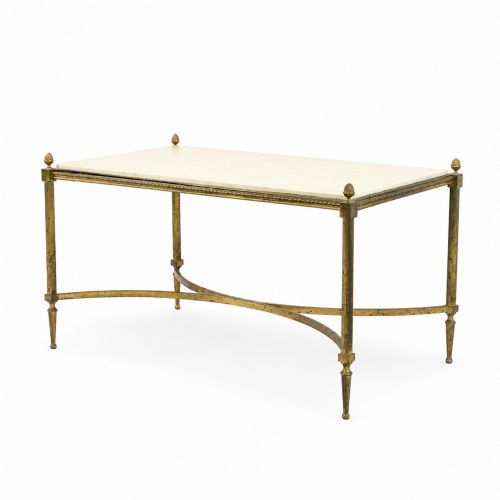


Brass Topped Coffee Table
A brass topped coffee table brings a rich metallic surface and intricate engraving to a room, offering both history and utility.
Brass Topped Coffee Table
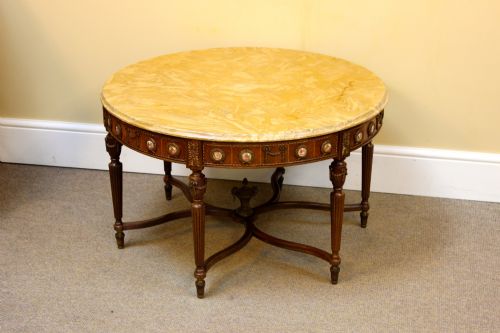
A brass topped coffee table is a low surface featuring a metal upper panel, often paired with a wooden or wrought iron base. When searching for a brass topped coffee table, buyers encounter a diverse range of origins, from 19th century British colonial workshops to 20th century French studios.
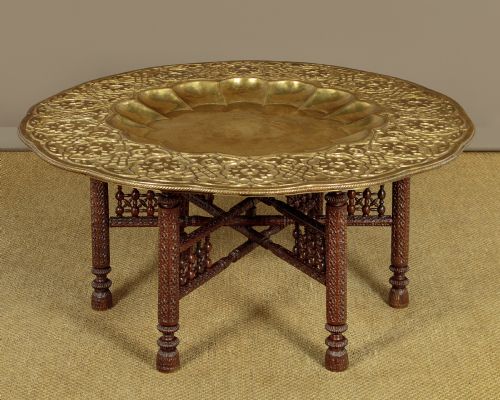
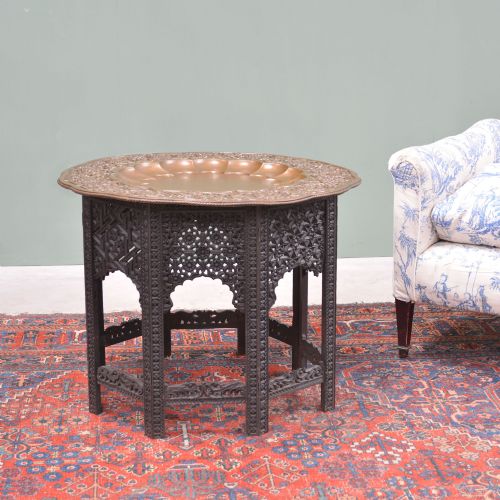
The form frequently adapts older objects for modern use. Many examples originate as folding travel items, Islamic serving trays, or Anglo-Indian occasional tables placed later upon dedicated stands.
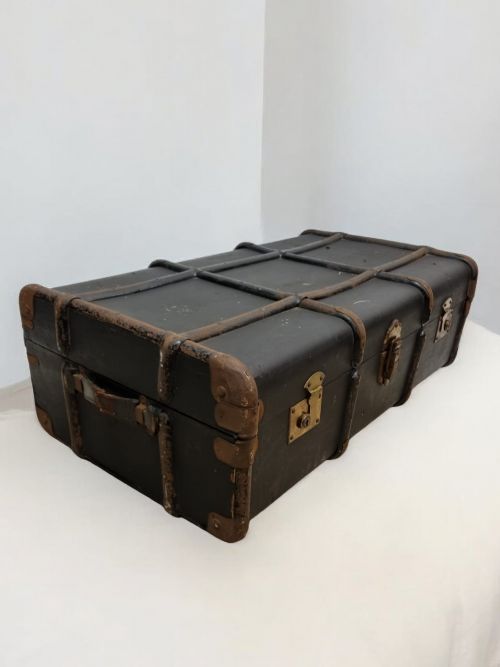
Dated pieces on this page span from the 18th century through the 1940s, encompassing styles such as Art Deco, Regency, and Mamluk Revival alongside utilitarian trunks and campaign chests.
Materials and construction
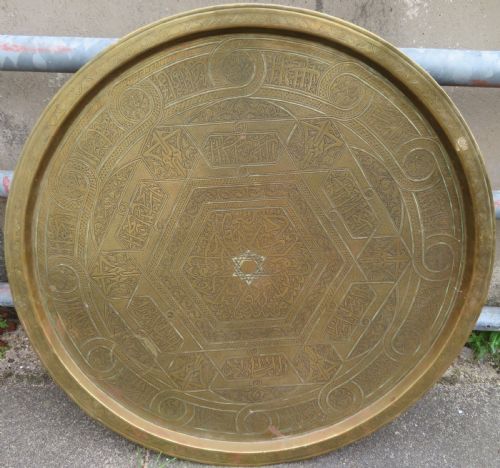
The primary surfaces combine heavy brass sheets with structural hardwoods such as mahogany, oak, teak, and walnut. Metal tops frequently display hand-engraved Islamic, zodiac, or floral motifs hammered directly into the alloy.
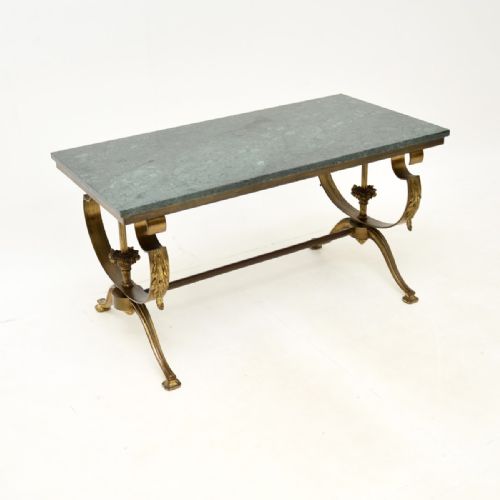
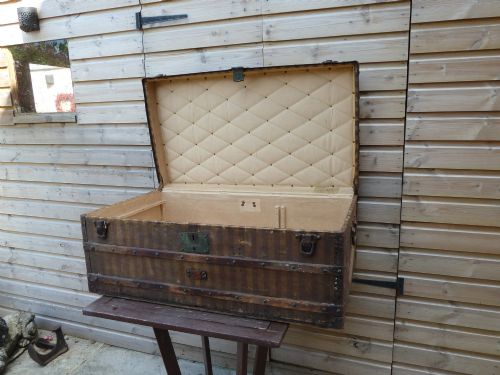
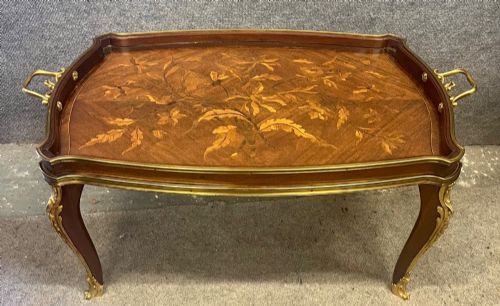
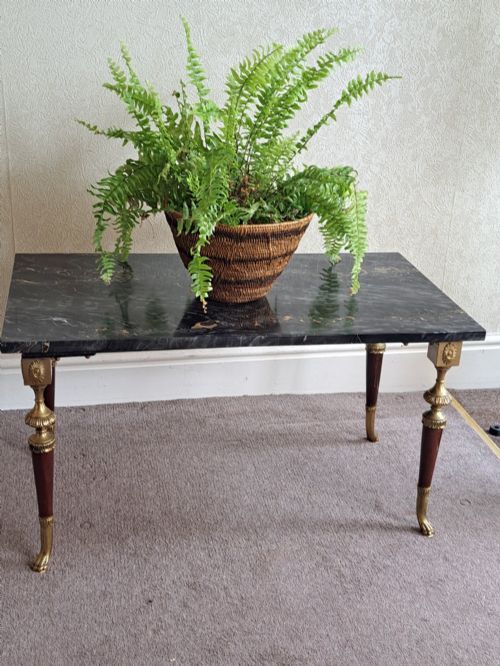
Bases range from simple folding wooden legs to elaborate neoclassical gilt metal frames, marble inserts, and wrought iron structures. Master artisans employed traditional joinery, dovetailing, and original brass hardware to construct durable travel trunks and serving stands.
Materials appearing in current stock include carved hardwood, cast bronze, wrought iron, and canvas alongside engraved metallic trays.
Distinctions in quality
Quality rests in the depth of hand-chasing on the brass panel and the integrity of the underlying woodwork. Finer tables exhibit crisp, deep relief work in the metal rather than shallow machine stamping, alongside solid timber frames.
The relationship between the top and its base dictates overall success. Pieces where tray and stand were conceived together, or where a sturdy antique tray rests upon a well-proportioned period base, command greater appreciation.
Louis Vuitton·Aux Etats Unis·Masion Ramsay
The Brass Topped Coffee Table Glossary
- Tray top
- A removable metal or wooden tray designed to sit upon a folding or fixed base. This form allows the upper section to lift off easily for serving.
- Anglo-Indian
- Furniture made in India during the British colonial period, often combining local carving traditions with European forms. These pieces frequently feature dense floral woodcarvings and brass inlays.
- Mamluk Revival
- A 19th-century design movement inspired by medieval Islamic art of Egypt and Syria. It typically displays intricate geometric brass engraving and inlaid calligraphy.
- Campaign table
- Portable furniture engineered to fold or dismantle for military travel. These items utilise robust hardwoods and flush brass fittings to withstand frequent transit.
- Cairoware
- Metalwork produced in Cairo during the late 19th and early 20th centuries, heavily decorated with chased silver and copper inlays on brass.
Brass Topped Coffee Table: Frequently Asked Questions
Are brass tops removable?
Many examples feature detachable trays originally intended for serving food or carrying goods during travel. These simply lift off their folding or fixed wooden bases.
Other designs secure the metal plate permanently to the timber frame, creating a fixed surface for daily living room use.
How do I clean the metal?
Maintenance requires gentle dusting and occasional wiping with a soft, dry cloth to preserve the natural patina. Avoid harsh chemical polishes that strip away age and character.
Engraved details hold accumulated shadows which define the pattern, so aggressive cleaning should be avoided entirely.
Can these be used daily?
These tables handle everyday living well when treated with basic care. Placing coasters beneath hot mugs protects both the metal and the underlying timber base.
Because many surfaces are hand-hammered, sharp impacts can dent the brass sheet, so heavy items require mindful placement.
How do I date a piece?
Dating relies on examining the construction methods of the base, the style of the engraving, and the wear on the materials. 19th-century examples often show hand-cut dovetails and heavy patination.
Twentieth-century variations introduce Art Deco geometry, lighter hardwoods, or modernist wrought iron supports alongside original travel hardware.