


Brass Table Urns
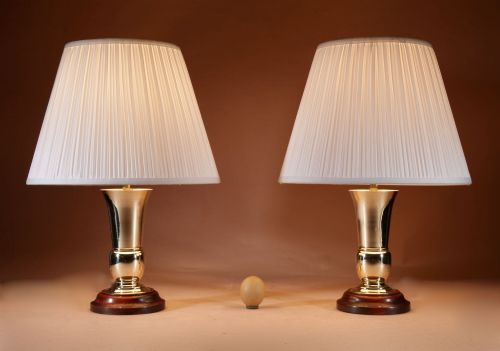
Brass table urns bring sculptural weight and warm metallic gleam to domestic interiors, encompassing various decorative vessel forms.
Brass Table Urns
Brass table urns encompass various decorative vessels, lamps, and clock cases shaped from metal and mounted on surfaces. When exploring brass table urns, a buyer encounters pieces originating from the nineteenth century through the nineteen-twenties, often reflecting revival styles.
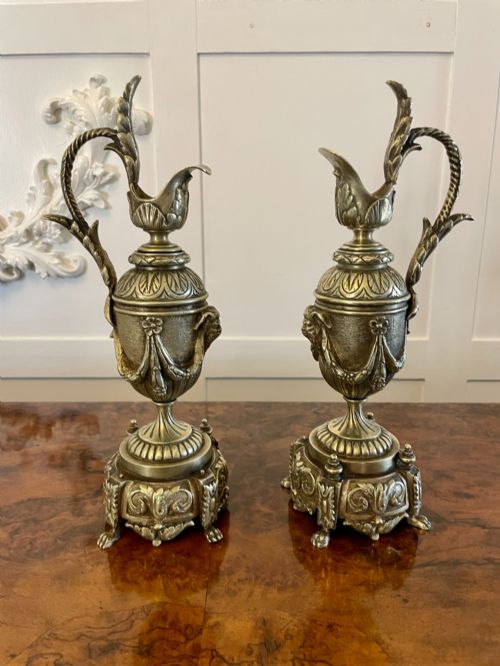
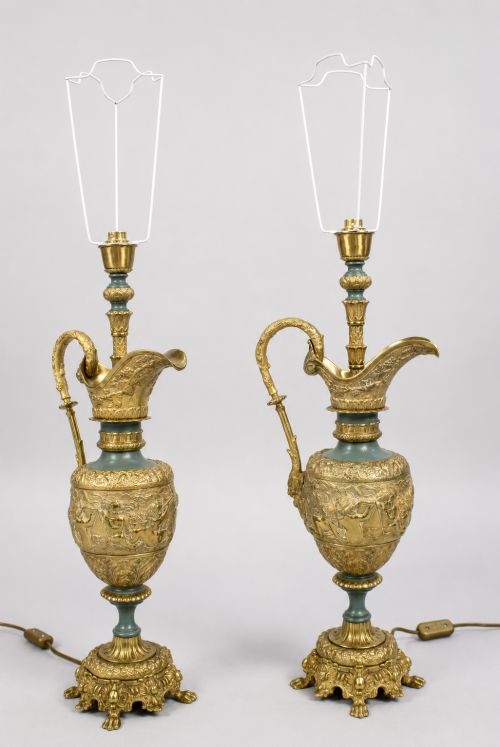
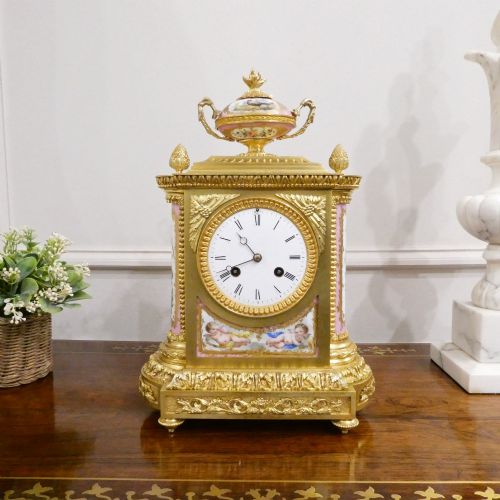
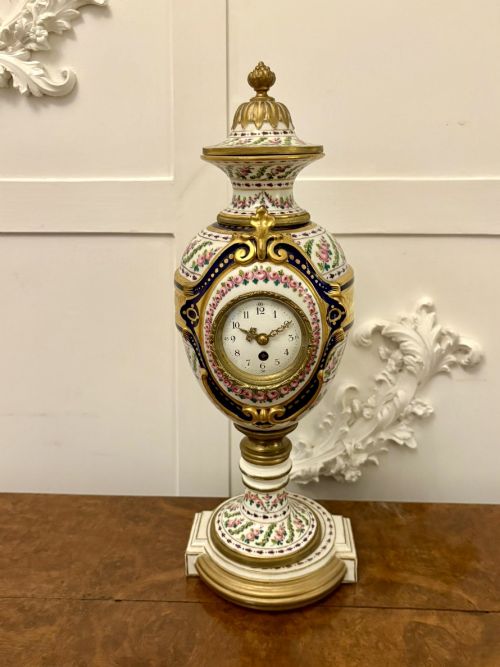
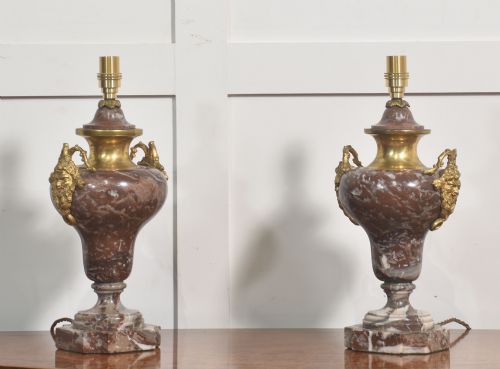
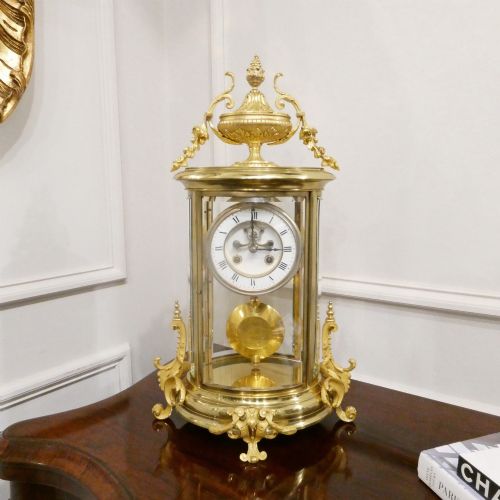
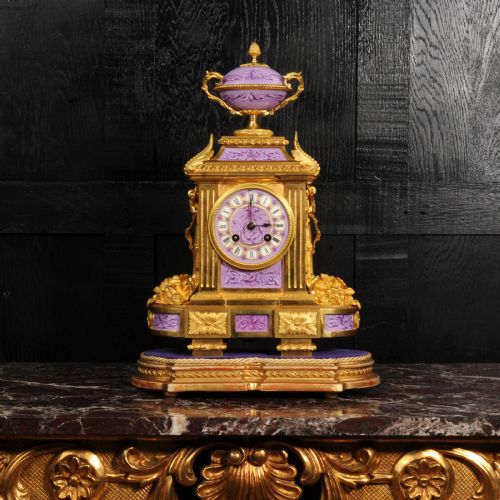
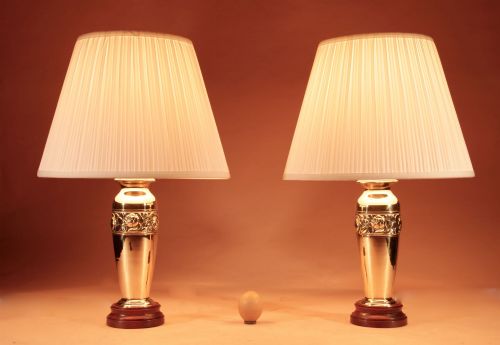
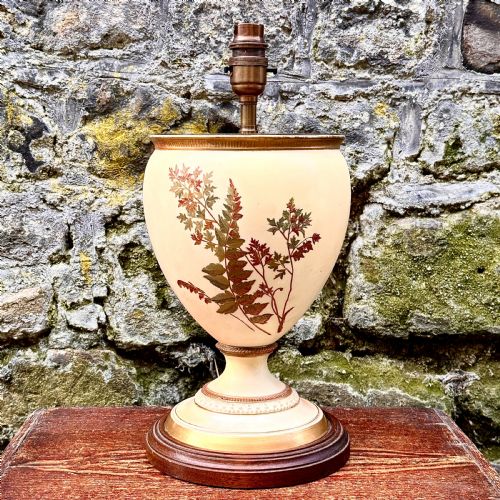
The objects take forms such as ewers, clock garnitures, and lamp bases, occasionally combining metal with porcelain, marble, or enamel. Many items demonstrate French, English, or Asian influences across Victorian and Edwardian periods.
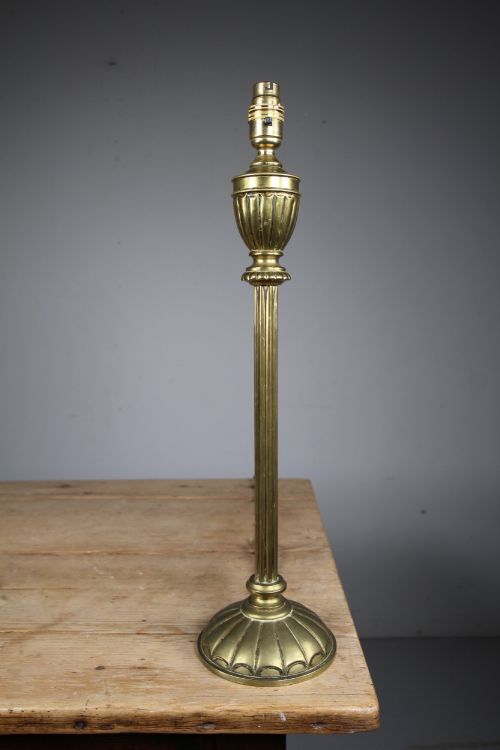
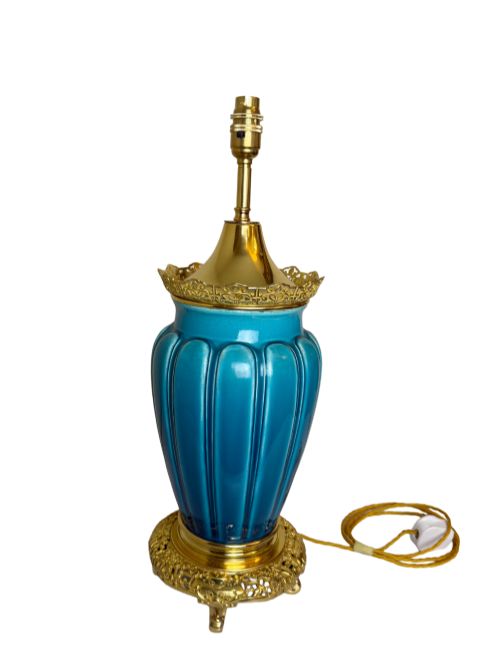
The selection ranges from heavy candelabras and mantel clocks to refined lamp bases incorporating gilt bronze and champlevé elements. These pieces serve both decorative and functional purposes in period or eclectic interiors.
Materials and construction methods
Constructed primarily from brass, gilt bronze, and ormolu, these items utilise cast and chased metalwork combined with applied mounts. Workshops frequently integrated hand-painted porcelain panels, rouge marble, and cloisonné or champlevé enamel into the frames.
Makers employed skilled techniques to join metal elements with stone bases, glass shades, or fabric components. Surface finishing involved fire gilding, polishing, and detailed engraving to achieve ornate textures.
Brass Table Urns Retail Price Guide 2026
Typical asking prices for brass table urns among the pieces listed under this phrase on Sellingantiques today, from the lower quarter to the upper quarter. They describe what is for sale here now, not the wider market.
Listings feature items from the 19th century through the 1920s, incorporating materials such as porcelain, marble, and gilt bronze.
Judging quality in metal vessels
Quality reveals itself in the crispness of the casting and the depth of the chasing on the metal surface. Finer examples display meticulous hand-finishing, well-fitted marble or porcelain sections, and robust construction without loose joints.
The sophistication of the decorative motifs, whether Neoclassical, Louis XVI Revival, or French Rococo, dictates the artistic merit of the piece. Superior items maintain integrity in their gilding, enamel work, and structural mounts.
Jean-Baptiste Delettrez·Achille Brocot·Samuel Marti
The Brass Table Urns Glossary
- Ormolu
- Gilded bronze applied to furniture, clocks, and decorative vessels. This technique was widely utilised in French nineteenth-century manufacturing.
- Champlevé
- An enamelling technique where troughs are carved into a metal surface and filled with vitreous enamel before firing. It frequently appears on bronze and brass decorative objects.
- Garniture
- A set of matching decorative ornaments, typically comprising a mantel clock flanked by two matching vases, urns, or candelabras. These sets decorated nineteenth-century chimneypieces.
- Ewer
- A large jug with a wide spout and handle, historically used for water but adapted in the nineteenth century as purely decorative mantel or table pieces.
- Cloisonné
- An ancient technique for decorating metal object surfaces using wire partitions filled with enamel paste. It appears on various Asian vessels and lamps.
Brass Table Urns: Frequently Asked Questions
How do I date a brass urn or lamp?
Dating relies on examining the casting techniques, fastening methods, and stylistic cues present in the metalwork and mounts. Nineteenth-century pieces often display hand-chased details and heavy bronze construction.
Later Edwardian and nineteen-twenties examples tend to incorporate electrical conversions or simpler manufacturing marks reflecting industrial changes.
Where were these pieces originally placed?
These decorative objects typically occupied prominent positions on mantelpieces, side tables, and pedestals in formal nineteenth-century reception rooms. Clocks and garnitures formed the centrepiece of a room's decorative scheme.
Many urn-form items were later converted into table lamps during the twentieth century to suit domestic lighting needs.
Are these items suitable for modern lighting?
Many urns and vessel-form antiques have been successfully wired as table lamps while retaining their original nineteenth-century metal bodies. Buyers should inspect the electrical components to ensure compliance with current safety standards.
Such conversions allow classical metalwork to function within contemporary domestic interiors.
What styles dominate these metal pieces?
Neoclassical, Louis XVI Revival, and French Rococo styles heavily influence the design of these decorative urns and clock cases. These aesthetic movements draw upon classical antiquity and eighteenth-century French royal aesthetics.
Victorian and Edwardian British interpretations often blend these continental motifs with domestic craftsmanship.