

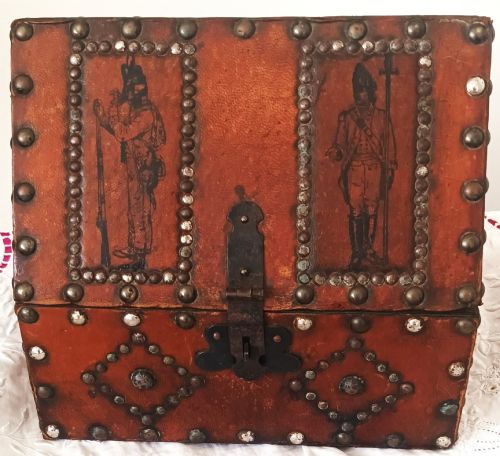


Brass Studded Leather Trunk
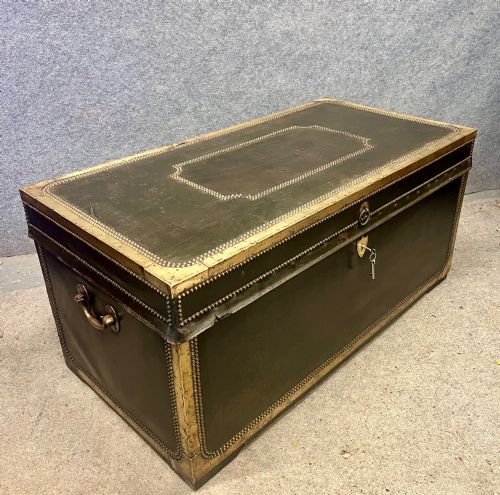
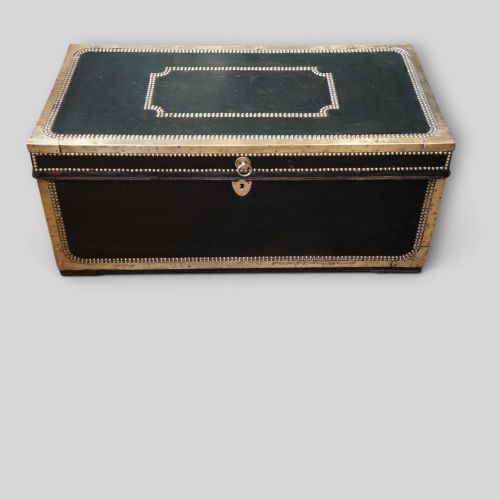
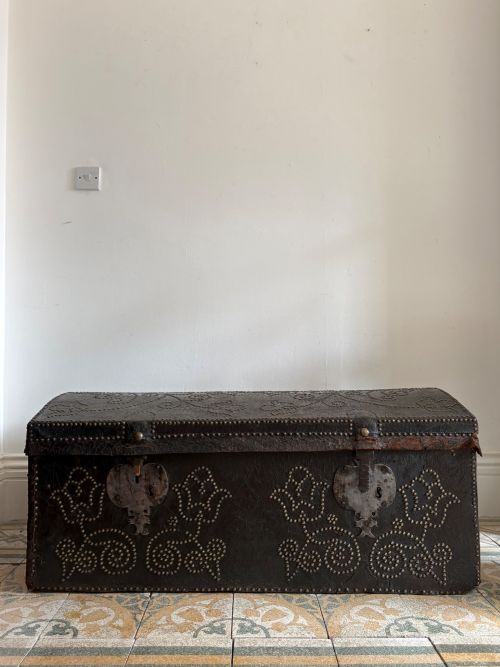
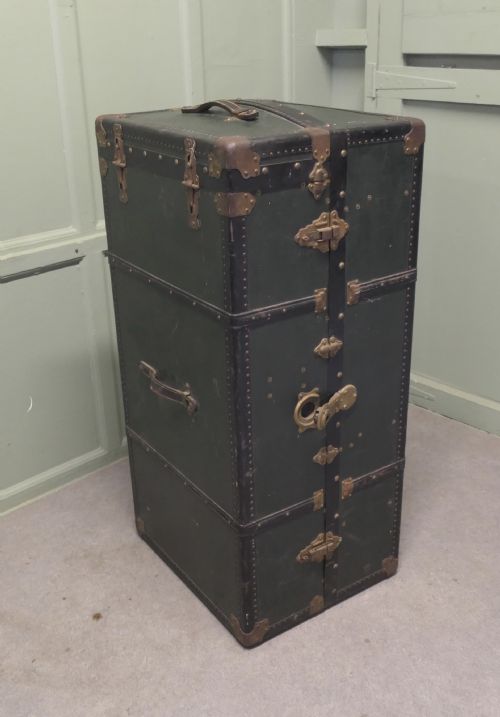
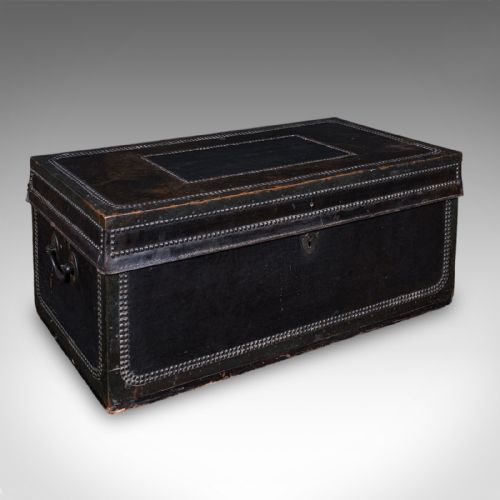
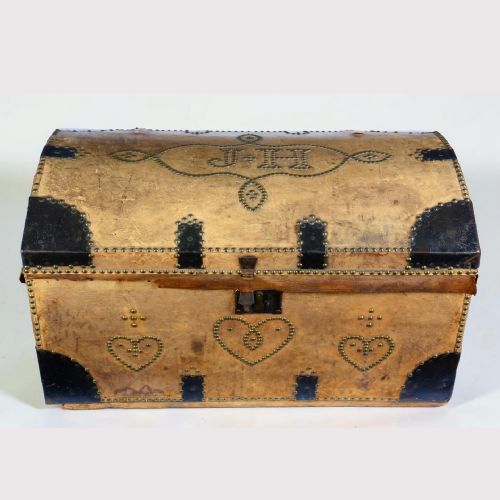
A brass studded leather trunk brings tactile warmth and rugged travel history into a room, offering practical storage disguised in rich hide and gleaming metal.
Brass Studded Leather Trunk
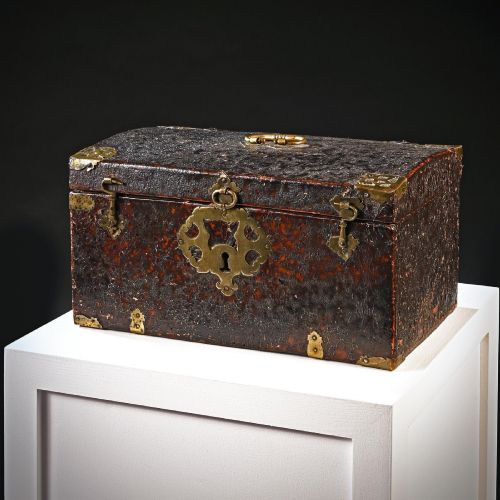
When you search for a brass studded leather trunk, you encounter sturdy luggage and storage pieces designed to endure the rigours of travel across centuries. The items gathered here span periods from the seventeenth century through to the Edwardian era, encompassing domestic coaching chests and exotic China Trade pieces.
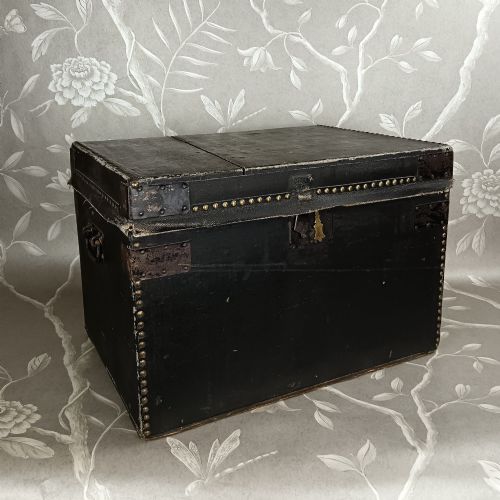
The most frequent examples you meet on this page date from the nineteenth century, including Regency and Victorian manifestations. These range from dome-top coffer trunks to camphor wood lined campaign cases and large ottomans.
Makers and origins vary widely, touching upon English workshops, Dutch designs, Spanish baroque items and Chinese export pieces. Forms stretch from small travel boxes to substantial country house storage chests.
Materials and construction
Makers constructed these pieces using wooden foundations or internal boxes made from pine, mahogany or camphor wood. Artisans then clad these carcasses in leather, hide or painted leather.
Metal components defined both strength and decoration, utilising iron bands alongside brass studwork and nailhead details. Brass binding and individual studs reinforced the edges and secured the hide coverings against heavy wear.
Several trunks preserve original merchant initials stamped in brass studs upon the leather, marking belongings that crossed oceans centuries ago.
Quality and craftsmanship
Distinctions in quality rest upon the integrity of the underlying structure and the precision of the metalwork. Pieces featuring camphor wood linings and robust iron framing demonstrate higher utility and better survival.
The execution of the leather cladding and the regularity of the brass studding signal the care invested by the maker. Finer items retain original hand-dyed surfaces, maker plates and intact internal fittings.
Samuel Pratt·Wm. Insall of Bristol·Arthur Wannop·Chapple & Sons·Seabrook of St.Pauls, London
The Brass Studded Leather Trunk Glossary
- Camphor wood
- A fragrant timber native to Asia, frequently used for trunk linings to deter insects during long sea voyages. It imparts a distinct aroma.
- Campaign case
- Portable furniture and luggage built for military officers and travellers on the move. These pieces often feature brass corners and recessed handles.
- Dome top
- A rounded lid construction designed to shed rain during carriage travel and increase internal storage capacity. This profile appears frequently on seventeenth and eighteenth-century examples.
- China Trade
- Goods manufactured in China specifically for export to Western markets during the eighteenth and nineteenth centuries. These items often combine European forms with Asian materials like camphor.
- Coaching trunk
- A heavy-duty storage box built to withstand being strapped to the roof of a stagecoach. They typically incorporate robust iron or brass metal binding.
Brass Studded Leather Trunk: Frequently Asked Questions
What were brass studded leather trunks used for?
These pieces served as durable luggage for travellers journeying by coach, ship or train across domestic and international routes. They protected clothing and valuables from moisture and rough handling.
Over time, many transitioned from active travel gear into static domestic storage and seating furniture within country houses and town residences.
How do I distinguish a campaign trunk?
Campaign trunks exhibit robust construction details designed for portability, such as recessed brass handles and reinforced metal corners. They frequently utilise exotic timbers like camphor wood internally.
Makers often built these pieces to dismantle or stack efficiently for military officers and colonial travellers.
Are these trunks suitable for daily living?
Their sturdy construction and generous proportions make them practical for storing blankets, linens or everyday items in modern interiors. Many double effectively as low tables or ottomans.
Living with them requires simply accepting their historical patina and treating the antique leather with appropriate care.
How can I tell the period of a trunk?
Dating relies upon observing structural forms, such as seventeenth-century coffer profiles compared to nineteenth-century flat-top coaching styles. Materials like camphor wood often point towards China Trade origins.
Maker signatures, stamped initials and specific brass stud patterns further help narrow the era of manufacture.