
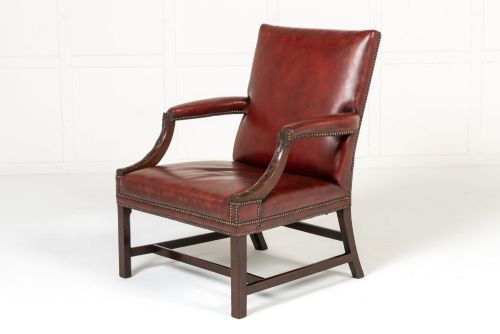
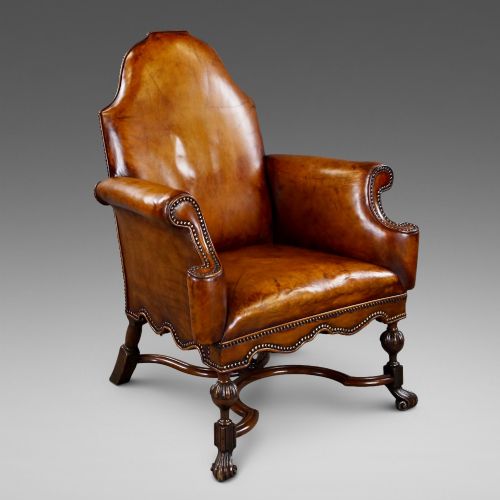
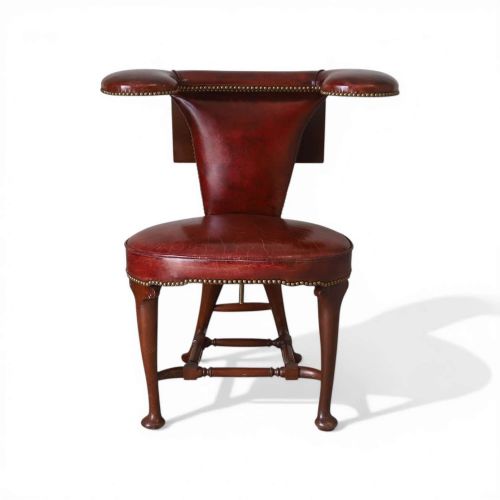
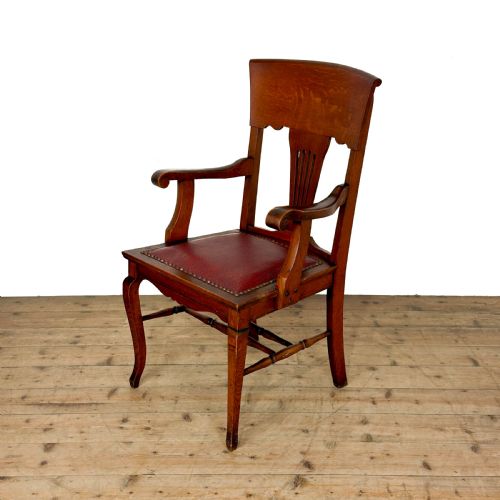


Brass Studded Desk Chair
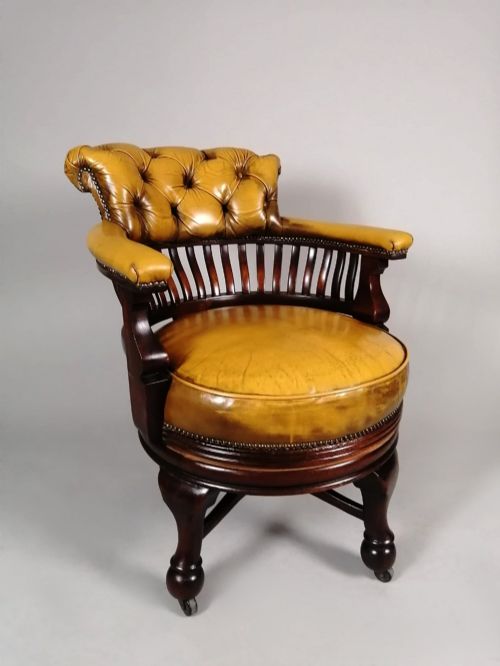
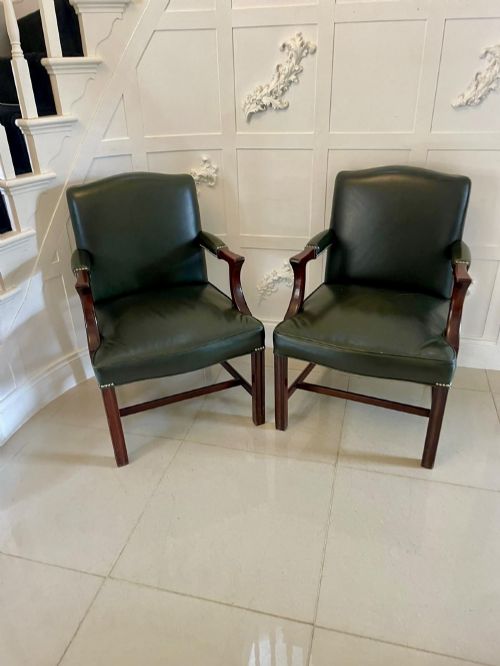
A brass studded desk chair anchors a study with substantial leather hide and polished timber frames.
Brass Studded Desk Chair
A brass studded desk chair brings together supportive seating and traditional writing furniture from centuries past. When you search for this phrase, you encounter forms ranging from generous library armchairs to compact swivel seats designed for sustained work. The nineteenth century yields the highest volume of examples, alongside Georgian, Edwardian, and Regency interpretations.
Makers shaped these pieces as captains chairs, Gainsborough armchairs, and reading seats intended for studies and libraries. Mahogany, oak, and walnut provide the structural support, while upholstery departments deployed green, red, and brown leather secured by individual metal pins.
Materials and construction
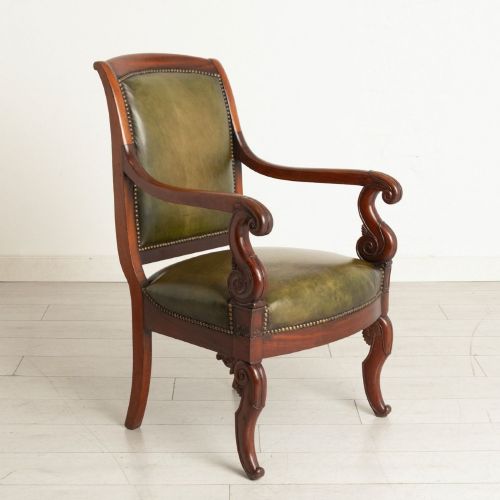
Cabinet makers relied primarily on dense hardwoods like mahogany, oak, and walnut to build enduring chair frames. Turned legs, carved scroll arms, and robust stretchers support the weight of daily use.
Upholsterers stretched quality leather across padded seats and backs, fastening the hide to the wooden framework with individual brass studs. These metal pins serve a dual purpose of securing the material firmly and providing a decorative border.
Revolving desk chairs appear frequently alongside static library armchairs and open carver chairs.
Grading the build
The distinction between standard utility seating and superior library furniture rests in the timber selection and carving execution. Finer examples display carefully figured mahogany or walnut with crisp hand-carved details along the knuckles and legs.
Leather selection dictates long-term tactile appeal, with vegetable-tanned hides ageing more gracefully than modern corrected alternatives. The regularity of the brass stud placement and the rigidity of the revolving mechanism further distinguish workshop standards.
Howard and Co London
The Brass Studded Desk Chair Glossary
- Gainsborough chair
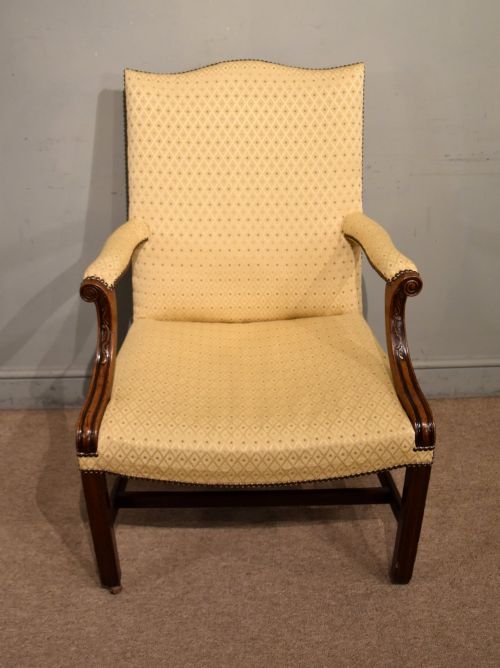
- An upholstered armchair with an open-framed mahogany structure, wide seat, and low arms designed for comfort during conversation or writing in the eighteenth century.
- Captains chair
- A rounded tub-shaped wooden seat with a low back rail, often fitted with a revolving mechanism or upholstered leather pad for office use.
- Library chair
- A comfortable armchair designed for prolonged reading, frequently upholstered in buttoned or plain leather with padded armrests.
- Carver chair
- An armchair featuring decorative arms, historically placed at the head of a dining table or used alongside a desk.
- Regency
- A British design style spanning the early nineteenth century characterised by classical motifs, dark timbers, and clean architectural lines.
Brass Studded Desk Chair: Frequently Asked Questions
How do I identify a genuine period desk chair?
Examine the timber construction beneath the seat for hand-cut joinery, tool marks, and consistent timber ageing. Older pieces show legitimate wear patterns on the footrest stretchers and arms.
Check the upholstery method behind the brass studs. Hand-tacked leather edges over traditional horsehair or webbing stuffing indicate older manufacturing methods rather than modern reproduction techniques.
Can I use an antique desk chair daily?
Solid mahogany and oak frames possess enough structural integrity for regular seating at a modern desk. Ensure the joints remain tight and the swivel mechanism functions smoothly before heavy daily use.
Condition of the leather dictates practical comfort. Regular conditioning preserves old hide against cracking while supporting active work habits.
What is a Gainsborough chair?
A Gainsborough chair is a wide-seated open armchair with padded armrests and straight wooden legs, originating in the mid-eighteenth century. These seats offered comfort for writing desks and drawing rooms.
Most examples feature leather upholstery fastened with brass studs around the border. Their open sides distinguish them from fully enclosed upholstered wing chairs.