








Brass Stud Bench
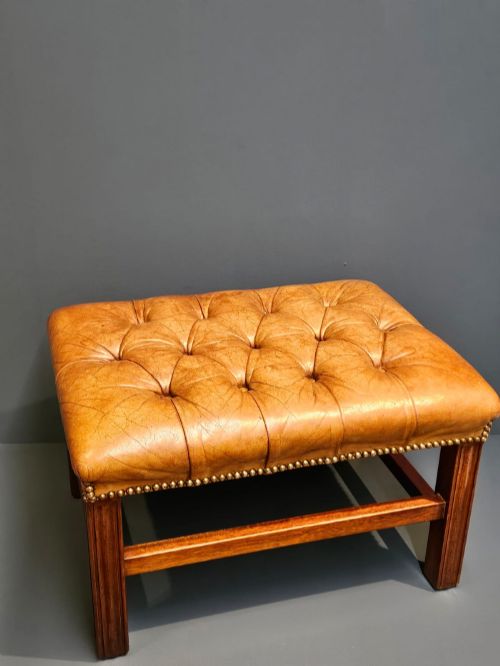
A brass stud bench provides sturdy low seating or a footrest, combining timber frames with practical upholstered leather or fabric secured by metal hardware.
Brass Stud Bench
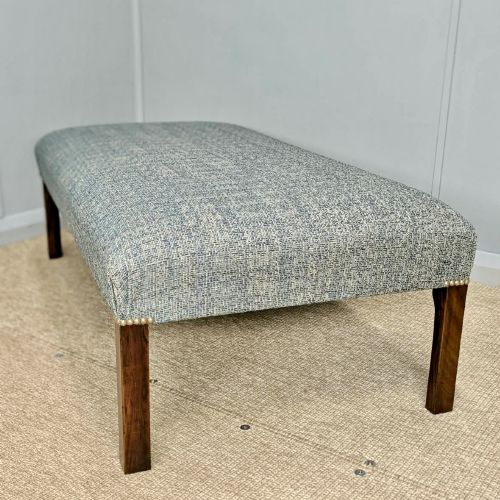
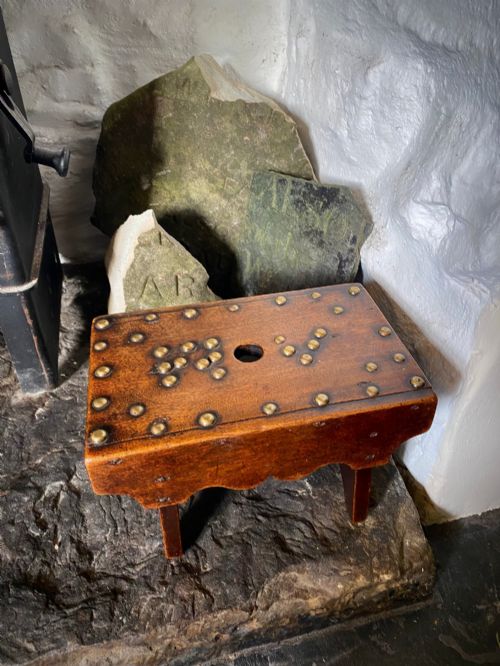
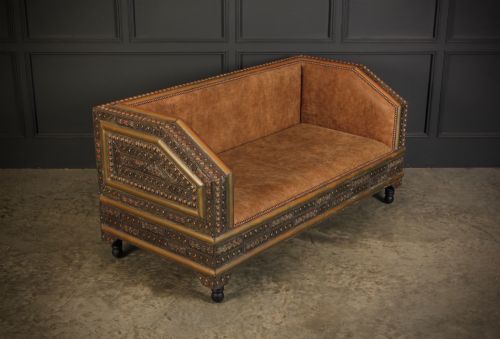
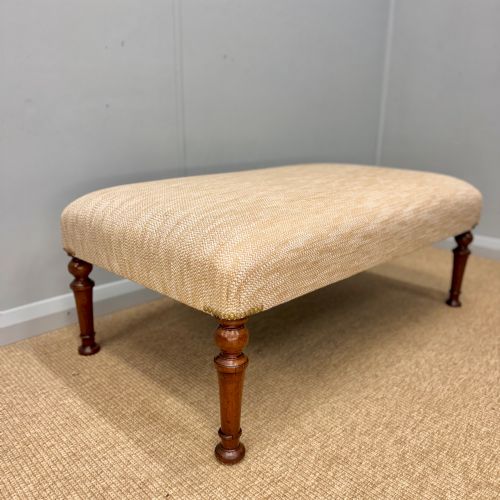
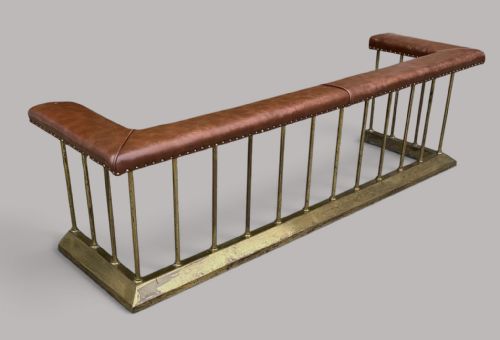
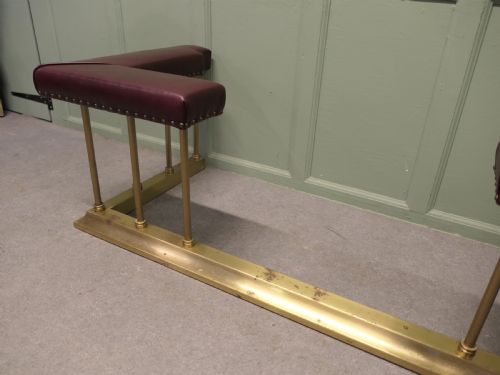
A brass stud bench encompasses low stools, long footstools, ottomans and club fenders constructed across various historical periods.
The selections on this page range from compact dressing table stools and low hall seats to large country house ottomans and fireside benches.
Makers utilised woods such as mahogany, walnut, oak and rosewood, pairing solid timber with leather or fabric upholstery pinned with metal studs.
Materials and construction methods
Carpenters formed structural frames from hardwoods like mahogany, walnut and oak, occasionally incorporating carved details, fluted legs or cabriole supports.
Upholstery incorporated buttoning, hand-dyed leather, chenille, or fabric secured tightly to the wooden base using individual metal studs.
Brass Stud Bench Retail Price Guide 2026
Typical asking prices for brass stud bench among the pieces listed under this phrase on Sellingantiques today, from the lower quarter to the upper quarter. They describe what is for sale here now, not the wider market.
Frames utilise woods including mahogany, walnut, oak, hardwood and rosewood, paired with brass, leather, fabric and steel.
Assessing build and materials
Construction standards depend on the density of the hardwood frame and the precision of the joinery supporting the seat.
The Brass Stud Bench Glossary
- Club fender
- A low fireside seat with an open metal frame, typically brass or steel, topped with leather upholstered cushions.
- Ottoman
- A large upholstered seat or footstool lacking a back or arms, often incorporating internal storage.
- Buttoned
- An upholstery technique where deep indentations are created using buttons pulled tight into the padding to secure the cover.
- Cabriole leg
- A furniture leg that curves outward at the knee and tapers inward toward the foot, seen on several period pieces.
Brass Stud Bench: Frequently Asked Questions
How do I care for leather upholstery?
Leather upholstery requires conditioning to maintain flexibility and prevent the material from drying out over time. Regular dusting with a soft cloth keeps the surface clean.
Avoid placing these items in direct sunlight or near heat sources, as extreme temperatures can damage antique leather and timber frames.
Are these benches suitable for daily use?
Sturdy hardwood frames and durable leather or fabric coverings make these benches practical for everyday seating in hallways, living rooms or bedrooms.
Heavily upholstered long stools and ottomans function equally well as footrests or casual coffee tables when topped with a stable tray.
How do I identify the period?
Dating relies on examining the timber species, leg profiles, joinery methods and upholstery techniques used in the construction. Stylistic details like cabriole or fluted legs offer clear clues to the era of manufacture.
Comparing the hardware and overall proportions with documented examples from the eighteenth, nineteenth and early twentieth centuries helps confirm the age.