



Brass Side Table Light
A brass side table light brings warm metal and practical height to a corner, drawing the eye with polished surfaces and period detail.
Brass Side Table Light
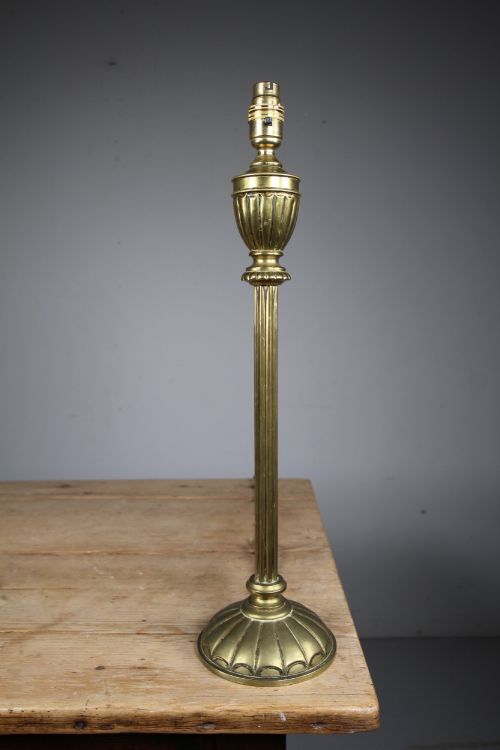
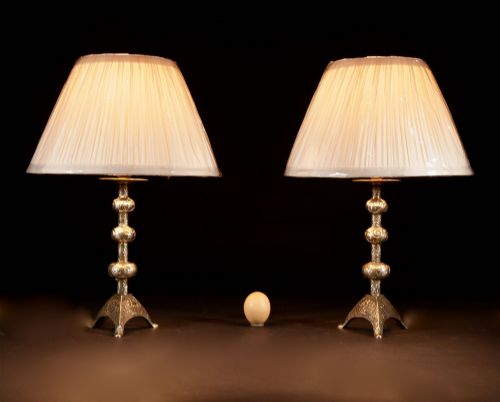
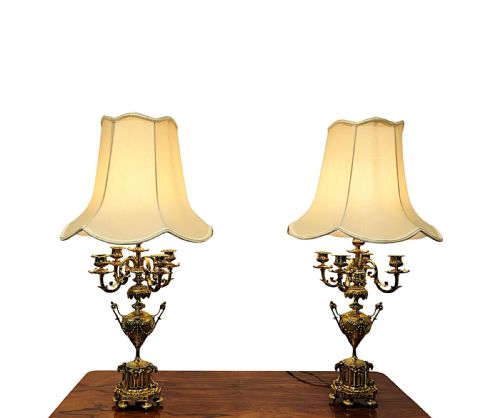
When you search for a brass side table light, you encounter a variety of forms designed to illuminate domestic spaces. The listings feature table lamps, converted oil lamps, and candelabra lamps that once served entirely different lighting functions before electrification.
Most examples originate from the nineteenth and early twentieth centuries, spanning Victorian, Edwardian, and Art Deco periods. French and English aesthetics dominate the selection, bringing classical motifs and regional styling into the domestic interior.
Materials and construction
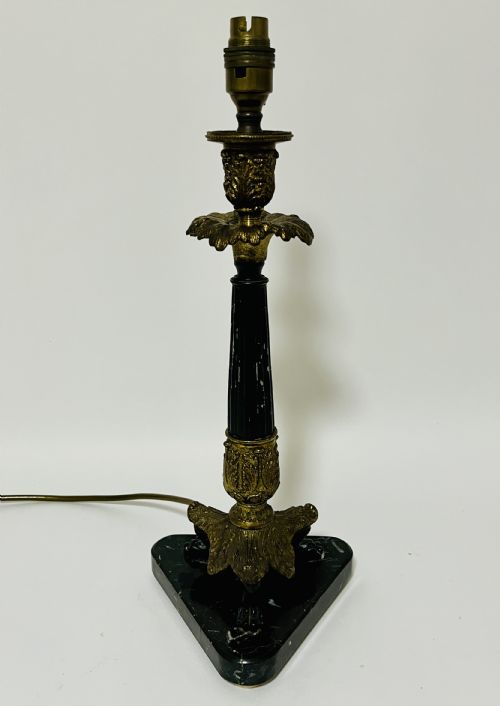
Foundry work relied heavily on cast and pressed brass, often enhanced with gilt bronze, ormolu, or silver plating. These metal bodies frequently incorporate contrasting elements such as white onyx, marble, or coloured glass to add weight and visual texture.
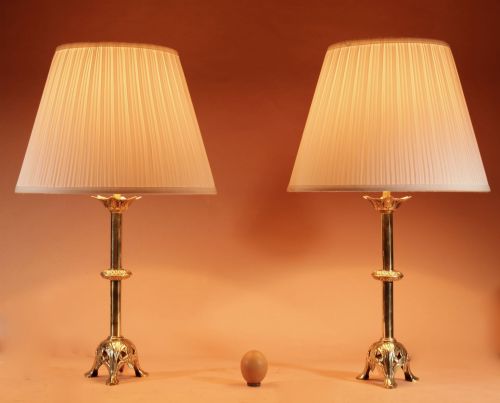
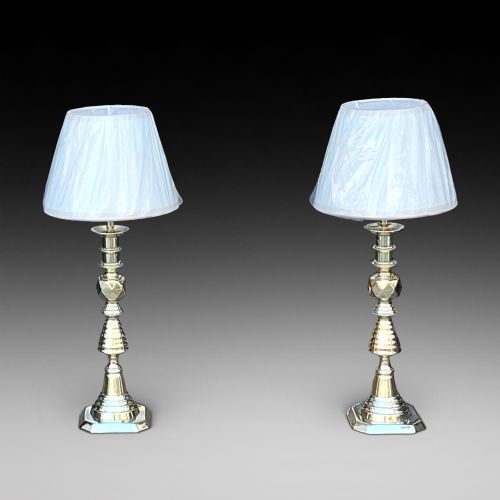
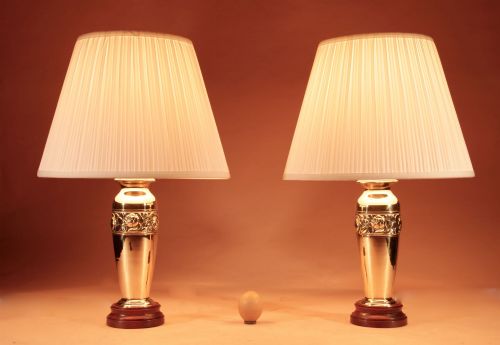
Many specimens started life as oil lamps, candlesticks, or candelabra before conversion to electric power. Silk and fabric shades often complete the assembly, softening the downward illumination cast by the metal stems.
Brass Side Table Light Retail Price Guide 2026
Typical asking prices for brass side table light among the pieces listed under this phrase on Sellingantiques today, from the lower quarter to the upper quarter. They describe what is for sale here now, not the wider market.
Assessing craftsmanship
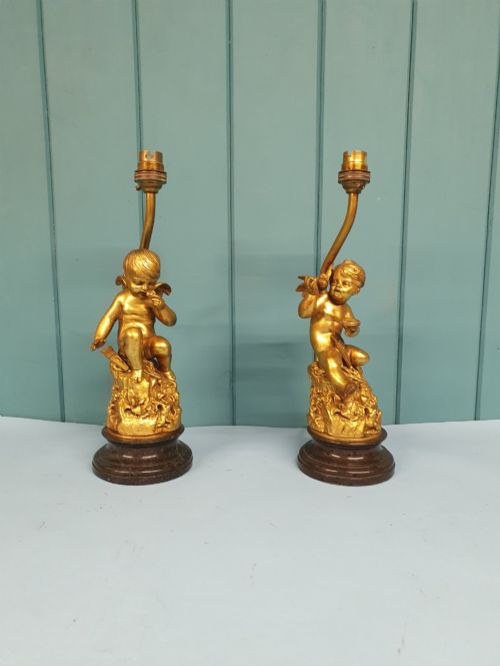
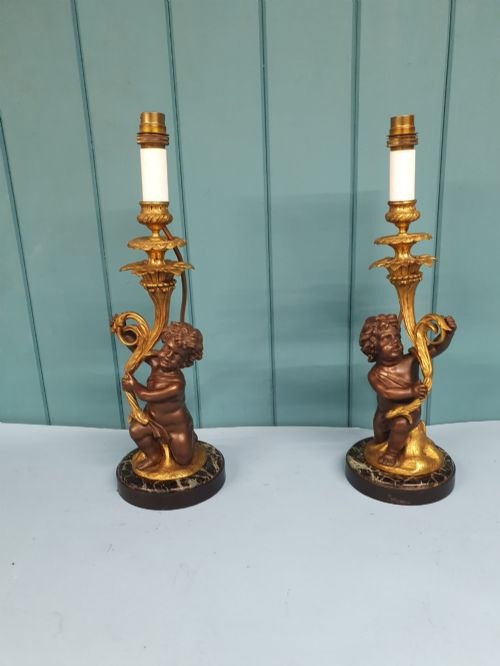
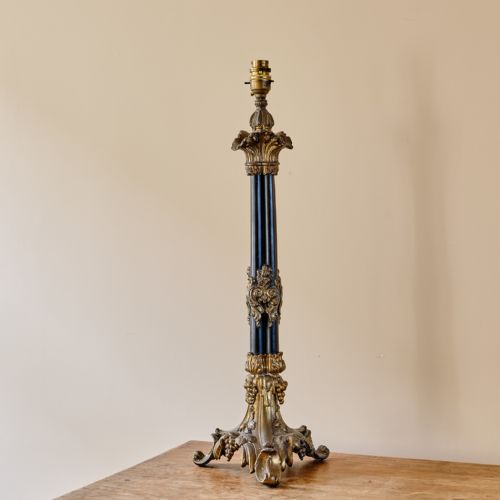
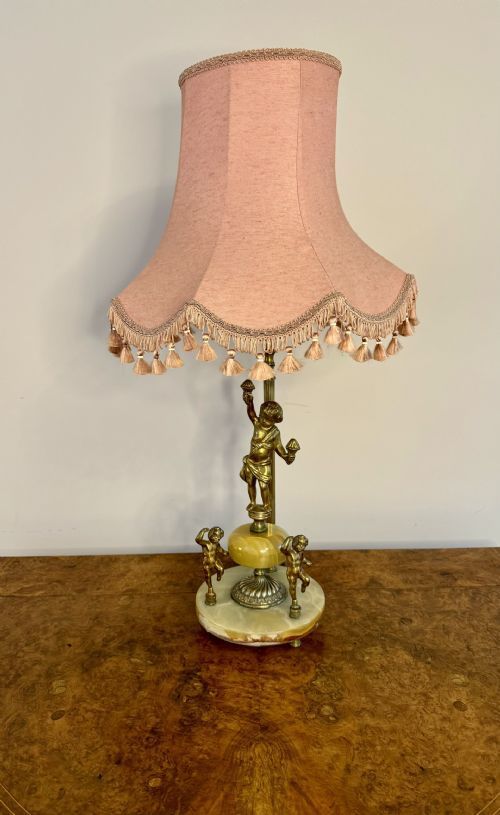
The distinction between ordinary and exceptional pieces lies in the crispness of the metal chasing and the depth of the gilding. Heavier castings with finely articulated figures, such as cherubs or classical columns, demonstrate superior foundry work compared to simpler pressed metal alternatives.
Proportion and material integrity also dictate the standing of a piece. Bases that combine substantial marble or onyx with unblemished ormolu mounts typically represent the higher tier of period production.
The Brass Side Table Light Glossary
- Ormolu
- Gilt bronze produced by applying a finely ground high-carat goldmercury amalgam to a bronze object. This technique creates a rich, durable surface finish found on fine French lighting.
- Bouillotte
- A type of adjustable-height table lamp featuring a central shaft and a shade, originally designed for card games. French examples often pair brass with painted metal or tole ware.
- Girandole
- A branched candleholder or candelabrum adapted for lighting, frequently hung with crystal drops. In lamp form, it retains the multi-branch structure.
- Barley twist
- A spiral turning resembling a twisted rope, applied to wooden or metal shafts. This decorative profile appears frequently on Victorian lamp stems.
- Corinthian column
- A classical architectural order featuring an ornate capital decorated with acanthus leaves. This motif is popular on heavy brass column lamps from the Edwardian era.
Brass Side Table Light: Frequently Asked Questions
What periods do these lamps come from?
The selection spans the nineteenth century through the early twentieth century, taking in Victorian, Edwardian, and Art Deco eras. Many pieces reflect design revivals like Neoclassical and French Rococo.
Dates generally range from the late eighteen-hundreds up to the nineteen-twenties, incorporating both English and continental European manufacturing traditions.
Were these always electric lamps?
Most of these objects began life as oil lamps, candlesticks, or candelabra before being converted to electricity at a later date. This adaptive history is standard for period lighting.
Original wiring is rarely intact, and contemporary buyers usually find that pieces have been rewired to meet modern safety standards.
How do I distinguish French styles?
French lighting often exhibits elaborate ormolu mounts, cherub figures, and influences from the Empire or Louis XV periods. Marble and crystal details frequently accompany the gilded bronze work.
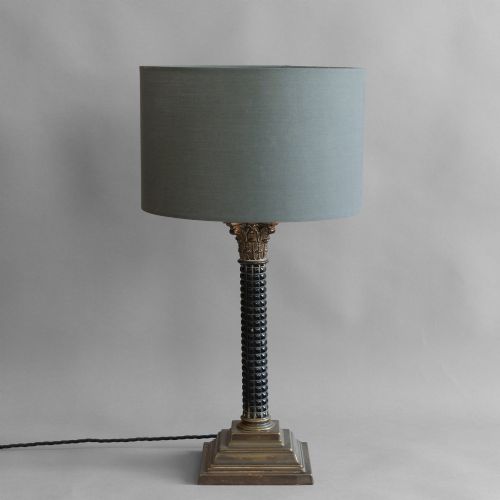
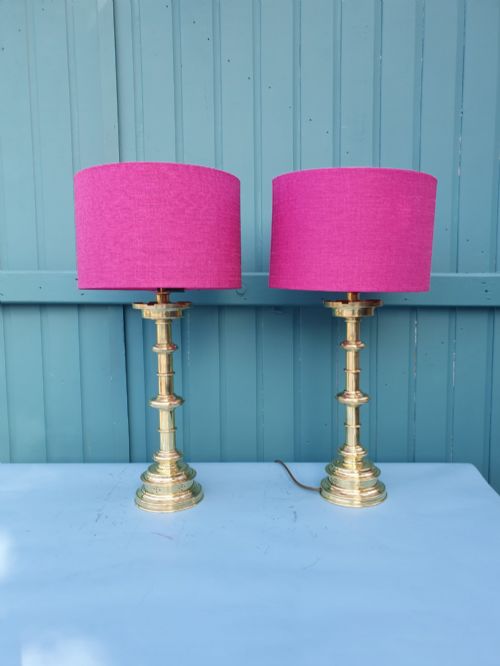
English counterparts tend toward heavier architectural forms, such as Corinthian columns or simpler turned brass shafts, focusing on functional dignity rather than ornate display.
What materials accompany the brass?
Makers frequently paired brass with gilt bronze, marble, white onyx, and cut glass. Silk and fabric shades also appear on completed assemblies.
These contrasting materials provide structural weight and introduce colour variation to the metallic bodies of the lamps.