


Brass Scuttle with Handle
These brass scuttle with handle pieces are sturdy hearth containers built to hold fuel, and a proper one brings genuine utility and period weight to a fireplace.

Brass Scuttle with Handle
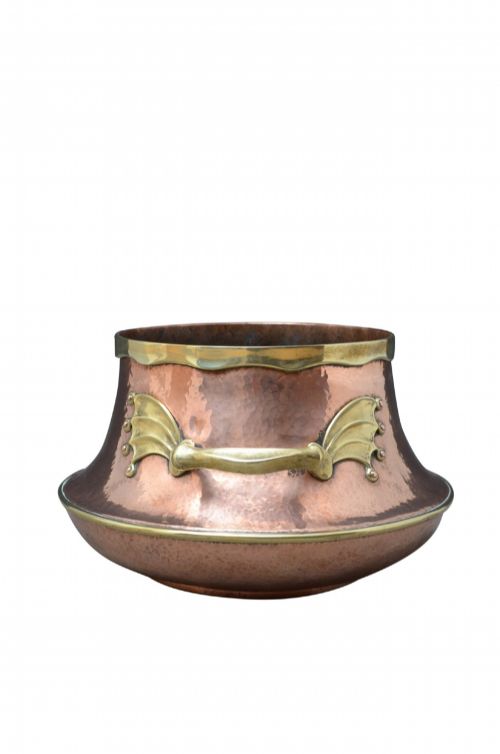
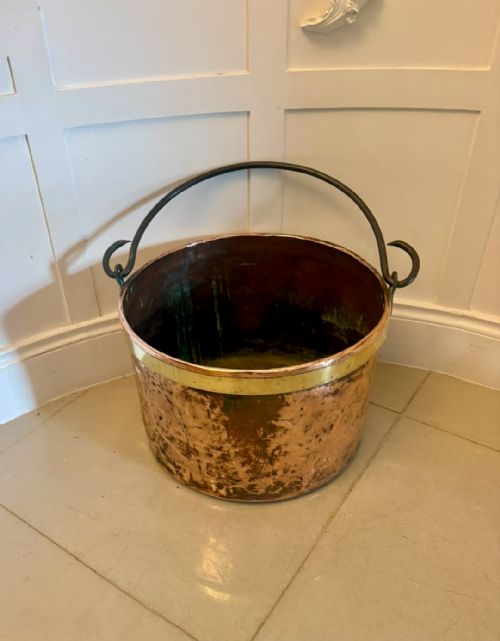
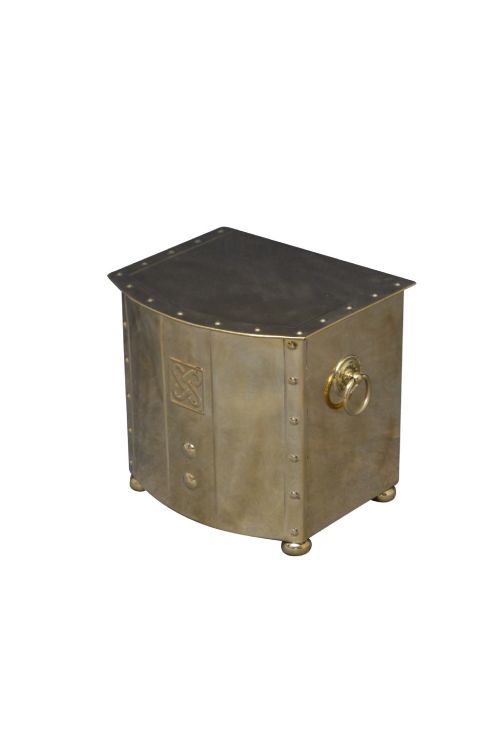
When you search for a brass scuttle with handle, you are looking at practical hearth containers designed to store and transport fuel for an open fire. The pieces seen here encompass Victorian and Edwardian examples alongside earlier George III forms, spanning bucket shapes, helms, and purdoniums.
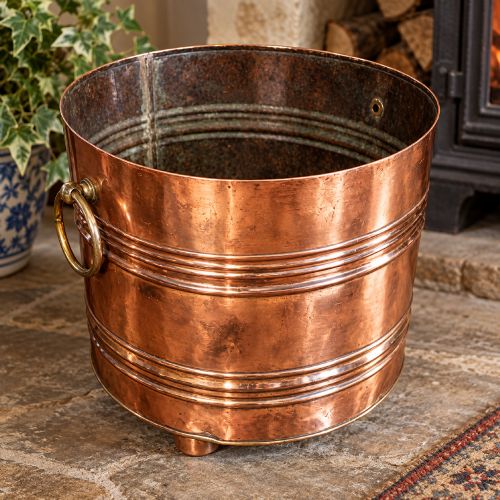
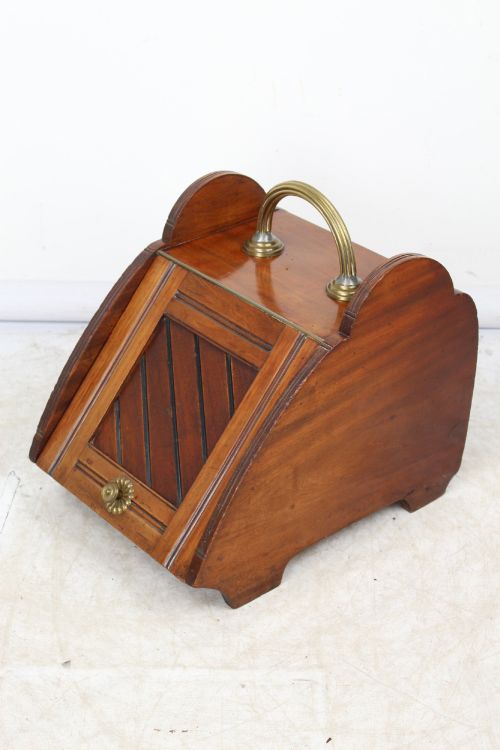
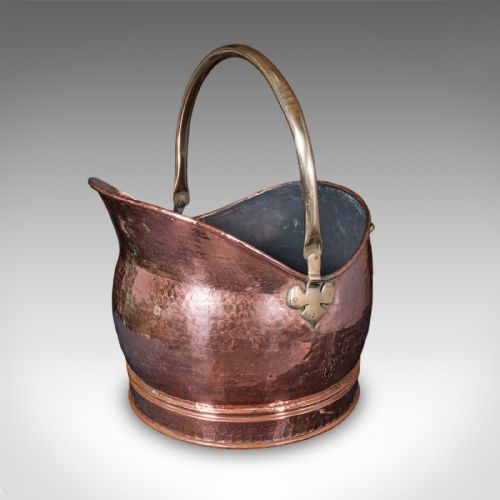
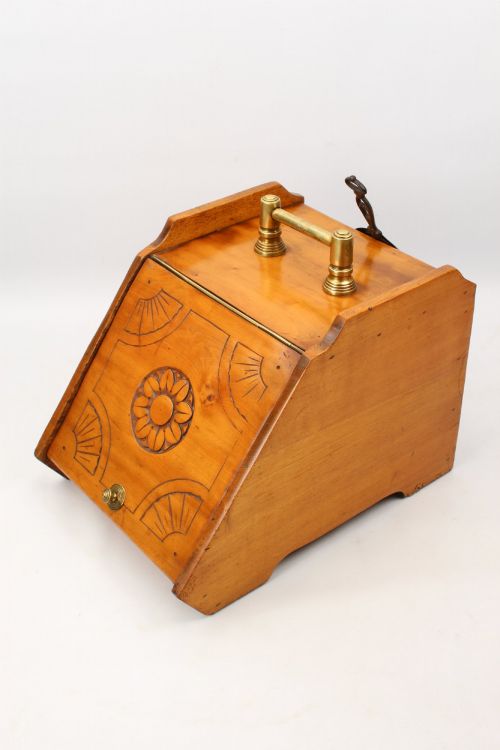
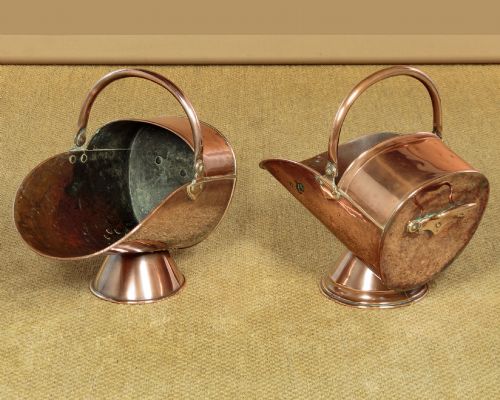
You are most likely to meet Victorian brass coal buckets and copper coal scuttles fitted with swing handles and matching shovels. These range from heavy lidded purdoniums with carved wooden fronts to simpler open metal buckets.
Alongside standard domestic coal scuttles, the selection includes oak fire buckets, copper cauldrons, and trench art items fashioned from German shells. Each piece serves the dual purpose of fireside storage and period display.
How They Were Made
These items rely on durable metals like brass and copper, frequently paired with timber bodies such as oak, mahogany, walnut, pine, and elm. Metal components are often beaten, sheeted, or cast, while wooden bins utilise dovetail joints and turned or applied decorative mouldings.
Swing handles are secured with sturdy rivets or pivoting mountings designed to bear the weight of heavy fuel. Liners made of metal or ceramic help protect the timber and metal structures from moisture and coal dust.
Surface decoration includes embossed armorial crests, hand-beaten finishes, and carved wooden panels, particularly on purdoniums and Aesthetic Period stores.
Listings feature items from the Georgian period through to the 1930s, constructed in brass, copper, oak, mahogany, and pine.
What Varies in Quality
Quality rests in the gauge of the metal and the integrity of the construction, distinguishing solid cast or heavy sheet brass from thinner stamped alternatives. Thicker copper and brass resist denting and maintain their structural shape around the handle attachments.
The presence of matching shovels, original ceramic or metal liners, and intact wooden bases elevates a piece. Finer examples display crisp carving on wooden purdoniums or well-executed armorial engraving rather than plain, mass-produced finishing.
Proportion and balance also matter, as better-made pieces sit squarely on their feet or castors and allow the swing handle to rest evenly without straining the pivots.
The Brass Scuttle with Handle Glossary
- Purdonium
- A specialised coal box featuring a sloping front door and a compartment to store a shovel. This form became popular during the Victorian period for keeping coal tidy beside the hearth.
- Helmet scuttle
- A container shaped like an uptended classical helmet with a wide lip for pouring fuel cleanly. It typically rests on a small foot and uses a high arched swing handle.
- Trench art
- Decorative or utilitarian objects fashioned by soldiers and prisoners from war scrap metal. Items from the First World War often utilise spent artillery shells marked with dates and regimental crests.
- Armorial crest
- A heraldic design engraved or cast onto metal surfaces to indicate family lineage or institutional allegiance. These crests appear on naval fire buckets and military-associated pieces.
Brass Scuttle with Handle: Frequently Asked Questions
What is a purdonium?
A purdonium is a dedicated Victorian coal box designed with a sloping front flap to conceal the fuel. They often include a metal liner and a matching shovel stored inside.
These pieces were made to sit neatly in a formal drawing room where open coal buckets might look too utilitarian.
How do I clean brass and copper?
Cleaning depends on the desired appearance, as many collectors prefer to leave an aged patina intact. Gentle washing with warm soapy water removes accumulated soot and dust without stripping the historical surface.
Avoid abrasive metal polishes that can wear away thin brass plating or remove centuries of characteristic darkening.
Were these used only for coal?
While primarily built for coal and logs, many of these containers served alternative functions around the house and estate. Leather and oak fire buckets were kept filled with water for emergency firefighting.
Today, buyers frequently repurpose them as planters, umbrella stands, or general storage bins by the hearth.
How do I date an antique coal scuttle?
Dating relies on observing the materials, fastening techniques, and stylistic cues present in the design. George III and Georgian pieces tend to feature heavy mahogany and brass bound construction, while Victorian examples often introduce stamped brass and elaborate purdoniums.
Maker's marks, shell dates on trench art, and wood types offer further clues to the decade of manufacture.