


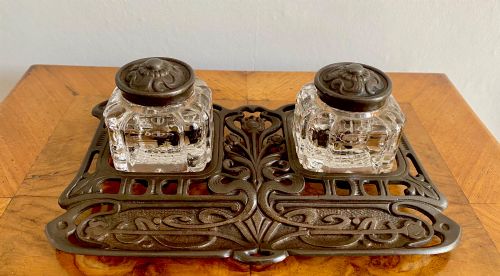


Brass Pot Stand
A brass pot stand elevates your greenery with period character, joining sturdy metals and classic woods for a practical tabletop display.
Brass Pot Stand
When you search for a brass pot stand, you encounter a variety of plant holders, jardinières, and trivets spanning the Victorian and Edwardian eras. These furnishings range from simple square plant holders to elaborate Continental designs featuring intricate metalwork.
The selections on this page draw heavily from the nineteenth and early twentieth centuries, including pieces from the 1890 period up through 1930. You will find forms ranging from low table stands to tall floor planters.
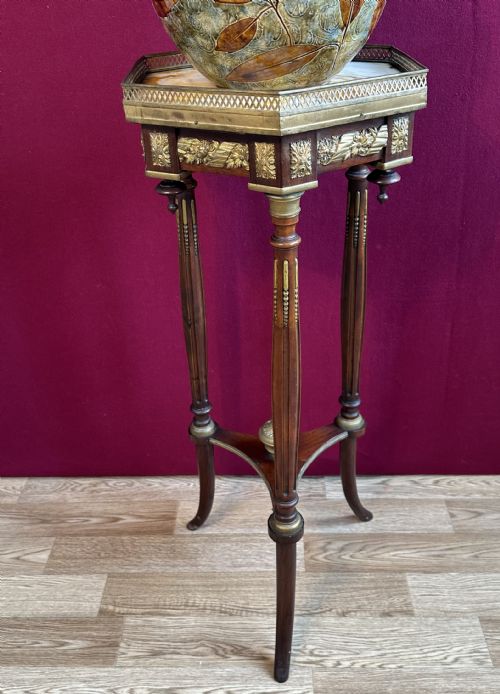
Many examples combine heavy metal elements with oak, mahogany, or marble tops. This mix of materials grounds the lighter brass framework in traditional cabinet-making practices.
Materials and construction methods
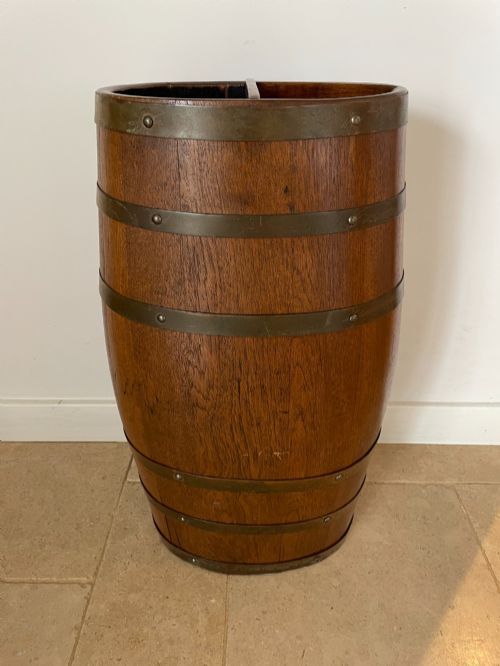
Makers utilised solid brass alongside copper and silver plate for the metal components, often shaping them through casting or spinning. Oak and mahogany timbers provide structural support, sometimes coopered into barrel forms or bound with metal hoops.
Decorative details frequently reflect the Art Nouveau and revival styles popular during the late nineteenth and early twentieth centuries. Surface treatments include polished finishes, wirework frames, and inset marble slabs.
Assessing construction and design standards
The distinction between standard utility items and superior examples lies in the weight of the metal and the joinery of the woodwork. Heavier gauge brass and tightly fitted timber components indicate careful workshop production.
Design complexity also marks the upper tier of pieces, where chased ornamentation or integrated stands show thoughtful planning. Simpler utilitarian trivets contrast with decorative jardinières designed for formal reception rooms.
William Soutter And Sons
The Brass Pot Stand Glossary
- Jardinière
- An ornamental pot or stand for holding flowers and plants. These vessels are typically manufactured from ceramic, brass, or copper.
- Trivet
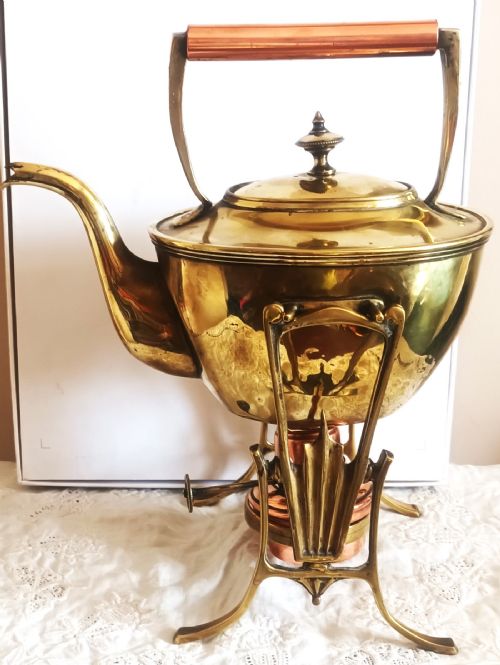
- A small metal stand with short feet used to elevate kettles or hot dishes. In this context, they also serve as low supports for small plant pots.
- Coopered
- Built from vertical staves of wood joined tightly together and secured with metal bands. This technique originates from barrel-making.
- Art Nouveau
- A decorative style prevalent around nineteen hundred characterised by flowing, organic lines. It heavily influenced the metalwork of the period.
- Wirework
- Open framework constructed from interlaced or welded metal wires. This technique adds lightness to plant stands and holders.
Brass Pot Stand: Frequently Asked Questions
What is a brass pot stand used for?
These stands hold potted plants, jardinières, and heavy vessels away from tabletops and floors. They protect interior surfaces while displaying greenery at a desirable height.
Victorian and Edwardian households utilised them in parlours and conservatories to incorporate nature into formal interior schemes.
How do I date a brass pot stand?
Dating relies on stylistic clues like Art Nouveau motifs or heavy Victorian casting techniques. Materials such as quarter-sawn oak or inset marble also point to specific decades.
Construction methods, including hand-beaten surfaces versus machine stamping, help narrow the period of manufacture.
Are these stands suitable for modern plants?
Most antique stands accommodate standard pot sizes with room for inner saucers to catch water. Their sturdy metal and wood frames support heavy ceramic planters securely.
Placing a protective liner inside older jardinières prevents moisture from damaging the original brass or timber surfaces.
What is the difference between a plant stand and a trivet?
Plant stands typically feature taller legs or columnar forms designed to display a single pot at eye or table level. Trivets sit much lower to the ground and originated as hearth accessories.
Many low trivets adapt well to holding smaller potted plants on side tables or windowsills.