





Vintage Kettle Trivet
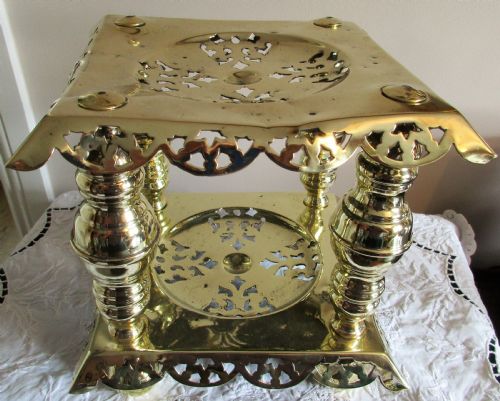
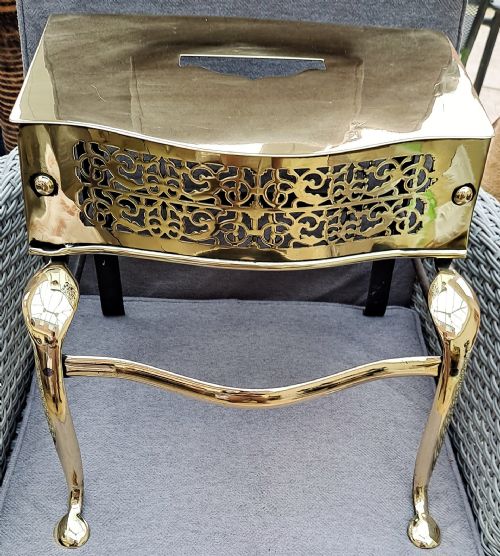
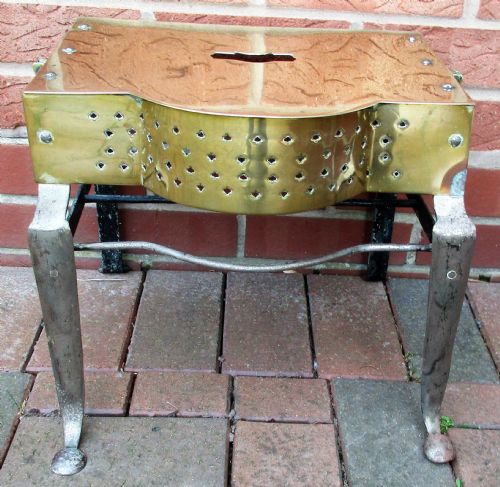
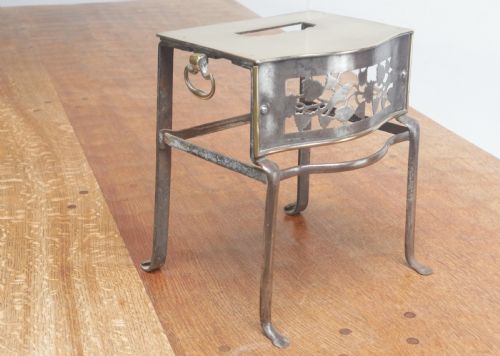
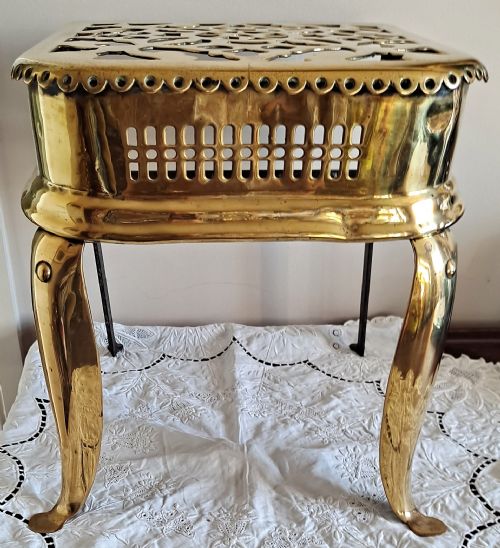
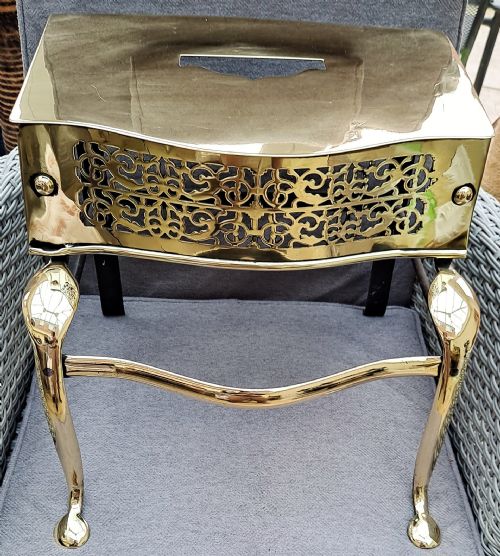
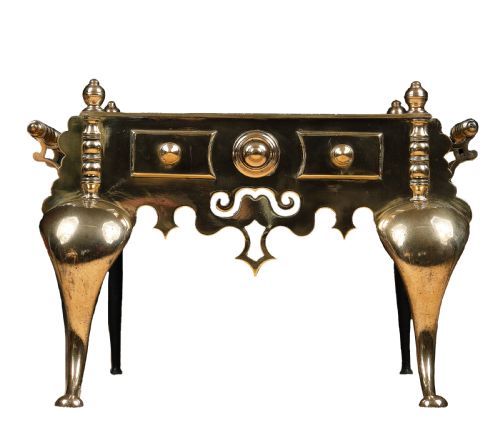
These vintage kettle trivet examples are sturdy hearth accessories designed to keep a pot warm by the fire.
Vintage Kettle Trivet
A vintage kettle trivet provides a stable platform close to the fire for heating water and keeping kettles warm. These pieces belong to a family of hearth accessories that includes footmen, cat stands, and kettle stands.
You will most commonly encounter brass and steel combinations from the Georgian and Victorian periods. Forms range from small simple trivets to larger two-tier stands and footmen designed for deep inglenook fireplaces.
Originating in English and Welsh households, these items served both a practical culinary purpose and a decorative role in the formal reception room or kitchen hearth. Their design reflects the domestic routines of the eighteenth and nineteenth centuries.
How they were made
Blacksmiths and metalworkers combined brass, cast iron, and wrought steel to build these durable hearth pieces. Tops were frequently formed from sheet brass, pierced with decorative patterns, and riveted to sturdy iron or steel frames.
Wood, particularly mahogany, occasionally appears in handles or supporting structures on specific forms. Metal components show evidence of hand-forging, casting, and piercing rather than modern mass production.
Listings feature items spanning the eighteenth, nineteenth, and early twentieth centuries, constructed from brass, steel, iron, and mahogany.
What varies in quality
The sophistication of the pierced brass top and the crispness of the hand-worked detail set finer examples apart. Stronger construction utilises heavier gauges of brass and substantial steel legs that remain rigid under the weight of a heavy kettle.
Proportion and balance dictate the elegance of the silhouette, whether in a simple pear-shaped Dutch design or a multi-tiered footman. Pieces that retain their original unpolished metal surfaces and structural integrity command greater appreciation.
The Vintage Kettle Trivet Glossary
- Trivet
- A small three- or four-legged support used to elevate a cooking vessel near a heat source. They appear in brass, iron, and steel.
- Cat stand
- A small pivoting or adjustable stand used beside the fire to support a plate or kettle. The name derives from its resemblance to a crouching animal.
- Inglenook
- A large recessed space around a fireplace, often deep enough to contain seats. Hearth accessories made for these spaces tend to be substantial in scale.
- Piercing
- A metalworking technique where patterns are cut through sheet brass to allow heat to pass and to create decorative motifs.
Vintage Kettle Trivet: Frequently Asked Questions
What is a vintage kettle trivet used for?
These metal stands held kettles and pots close to the open fire to keep water hot for tea or cooking. They sat directly on the hearth or on the fire bars.
Over time, as kitchen ranges evolved, their role shifted from active cooking equipment to decorative fireside furnishings.
How do I tell a Georgian trivet from a Victorian one?
Georgian pieces often display simpler, cleaner lines with hand-pierced brass work and heavy steel frames. Victorian examples frequently incorporate more ornate cast ornamentation and varied tier arrangements.
Examining the construction methods and the thickness of the brass provides further clues to the manufacturing era.
Can I use a vintage trivet by a modern fireplace?
These pieces function well as decorative hearth displays or as stands for potted plants and ornaments in living spaces. Their historic metal construction suits traditional interior styling.
Placing heavy modern cast-iron pots on antique brass requires care to protect the original pierced surfaces from undue stress.
What is the difference between a trivet and a footman?
A footman is generally a larger four-legged metal bench designed to sit right in front of the grate. A trivet is often smaller and may have three legs or hook directly onto the fire bars.
Both items served the same fundamental purpose of keeping food and water warm by the hearth.