





Metal Pot Stand
A metal pot stand elevates foliage or hearth vessels, combining utilitarian iron or brass with decorative ambition.
Metal Pot Stand
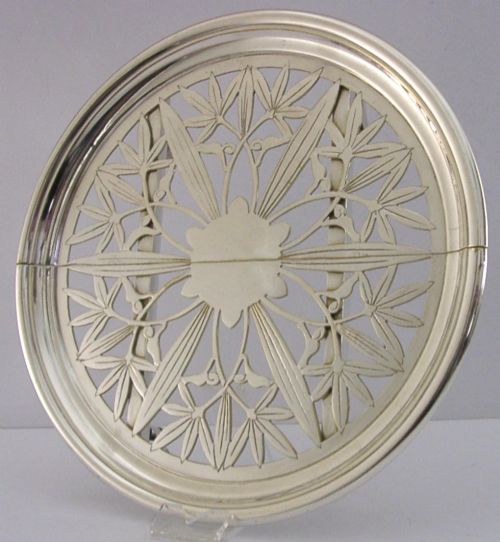
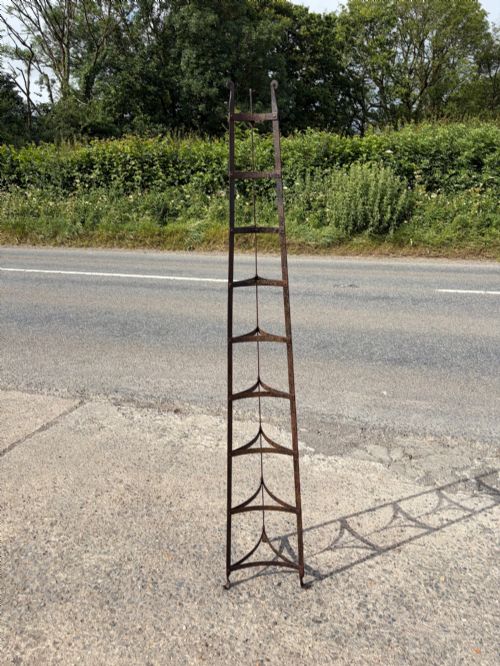
A metal pot stand takes many forms across the evidence, appearing as plant holders, jardinieres, multi-tiered pan racks, and trivets. Buyers searching for a metal pot stand will encounter sturdy cast iron, wrought iron, and polished brass pieces ranging from the Victorian era into the Art Deco period.
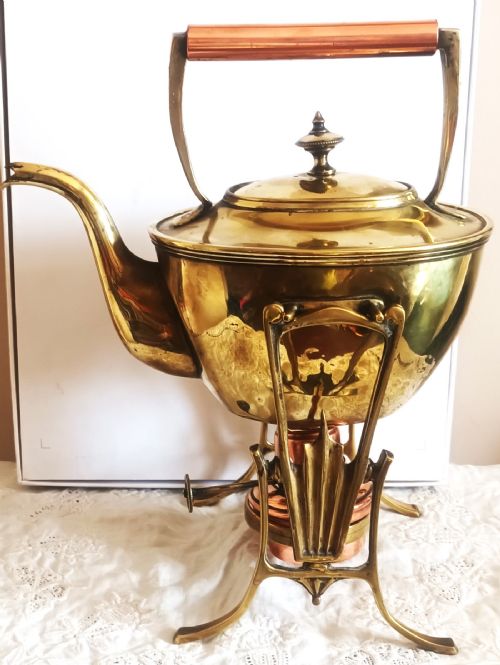
The domestic interior supplied varied roles for these pieces, from holding heavy kitchen saucepans to displaying decorative indoor flora on tiered frames. Simpler trivets served hearth kettles, while elaborate stands accommodated imported ceramics or French marquetry.
Origin and period heavily influence the character of each metal pot stand, with British examples sitting alongside French Art Deco designs and Dutch brassware. Construction varies from humble painted garden frames to significant bronze and zitan compositions.
Materials and construction
Makers utilised durable metals such as brass, copper, wrought iron, and cast iron to build structural frames capable of supporting heavy vessels. Working these materials involved forging, casting, and silver plating, often combining iron supports with gleaming brass bowls or marble tops.
Surface treatments added longevity and visual appeal, utilising paint, silvering, or natural patination on the bare metal. Craftspeople also incorporated contrasting elements like wood and glass, securing them into the metal framework with rivets or screws.
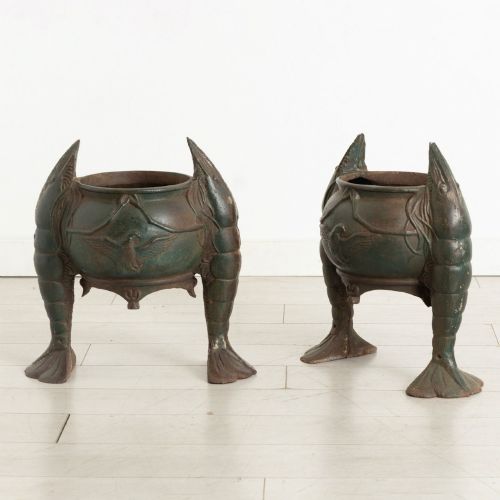
Some cast iron planters take the surprising physical form of tiny boiled shrimps.
Assessing craftsmanship and design
Quality rests in the heaviness of the casting, the crispness of decorative motifs, and the integrity of joints on multi-tiered items. Superior pieces display thoughtful integration between the stand and its vessel, such as original drip pans or matched ceramic inserts.
Artistic ambition separates standard utility objects from high-style examples featuring distinct movements like Arts and Crafts hand-working or Art Nouveau organic lines. The presence of identifiable maker signatures or original finishes elevates the standing of an item considerably.
William Soutter & Sons·Maurice Dufrene·Christofle
The Metal Pot Stand Glossary
- Jardiniere
- An ornamental pot or stand designed to hold a living plant. These vessels are frequently mounted on dedicated metal bases or legs.
- Trivet
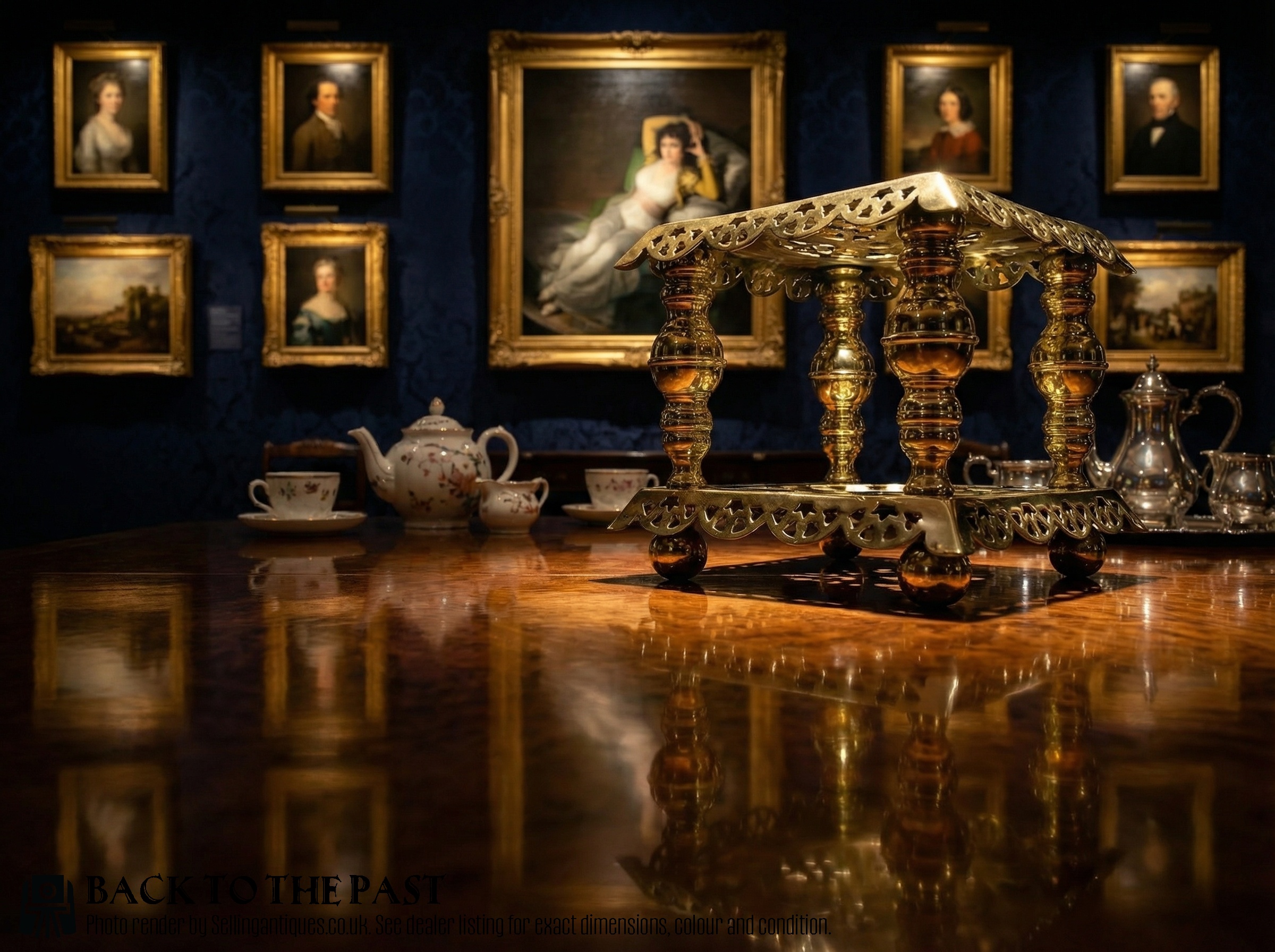
- A small metal stand fitted with feet, used to support a hot kettle or serving dish above a table or hearth.
- Campana urn
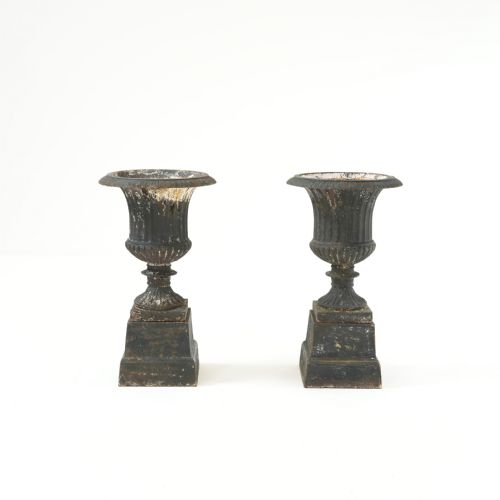
- A bell-shaped garden planter often cast in iron and elevated on a plinth base. This classical form became popular during the nineteenth century.
- Cloisonne
- An ancient technique for decorating metal object surfaces, using wire compartments filled with enamel paste and fired.
- Zitan
- A dense, heavy hardwood native to Asia, frequently utilised for fine stands accompanying bronzes and censers.
Metal Pot Stand: Frequently Asked Questions
What is a metal pot stand used for?
These stands serve multiple domestic purposes, primarily elevating heavy plants, jardinieres, and kitchen cookware off the floor or table surfaces. They protect underlying furniture from heat and moisture while displaying decorative vessels.
Heavier multi-tiered versions organise kitchen utensils and saucepans in domestic spaces, whereas delicate brass and marble examples highlight interior flora or decorative lamps.
How do I date a brass stand?
Dating relies on observing manufacturing techniques, material combinations, and stylistic markers visible across the piece. Victorian items often feature heavy cast brass or wrought iron, while Edwardian and later pieces lean into lighter forms or specific regional aesthetics.
Stylistic cues such as organic Art Nouveau curves or geometric Art Deco lines provide clear chronological anchors when matching items to known periods.
Are these stands suitable for outdoor use?
Suitability depends entirely on the specific material and protective finish of the individual piece. Wrought iron and cast iron items handle garden environments well, particularly when painted.
Polished brass, silver plate, and pieces incorporating wood or marble require indoor placement to prevent weather damage and preserve their original surface treatments.
What is the difference between a trivet and a jardiniere stand?
A trivet is typically a low, portable metal support designed to hold hot kettles or serving dishes near the hearth or table. It prioritises heat resistance and stability under heavy cookware.
A jardiniere stand is taller and built specifically to display decorative plant pots, often featuring vertical tiers or dedicated display rings to showcase foliage.