
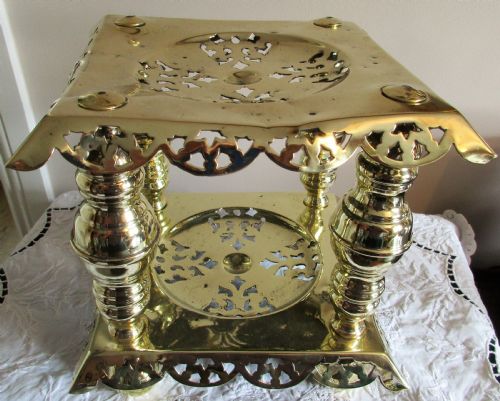
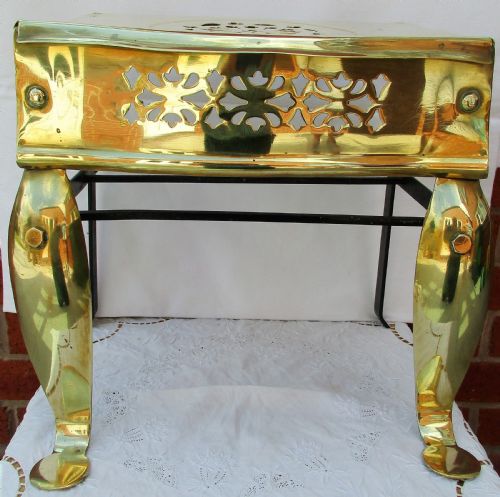
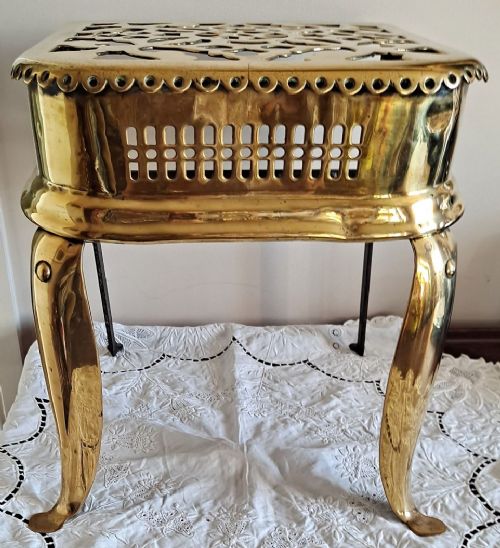


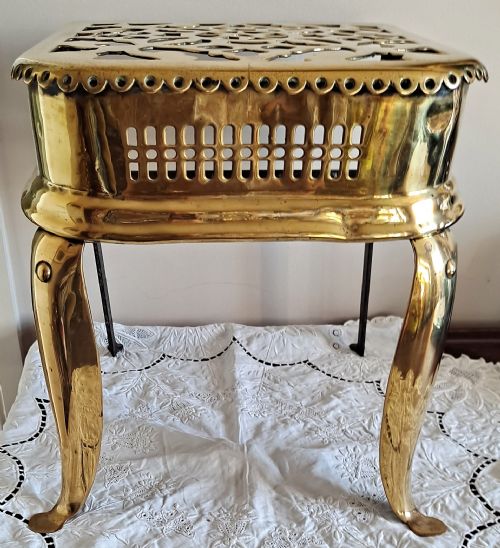
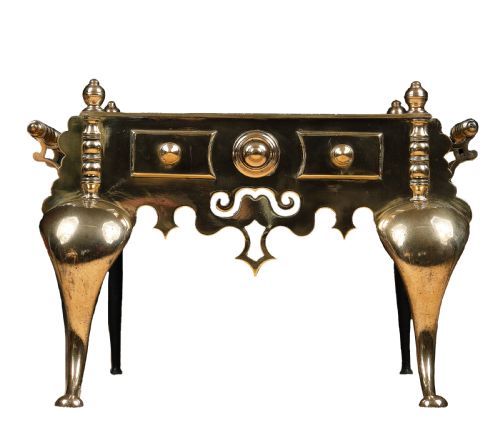


Victorian Fireplace Trivet
These Victorian fireplace trivet pieces are sturdy hearth-side stands built for heating water and warming plates, prized by collectors for their honest period metalwork.
Victorian Fireplace Trivet
A victorian fireplace trivet sits near the hearth as a practical stand for kettles and warming plates during the nineteenth century. Buyers searching for a victorian fireplace trivet will encounter brass and steel forms spanning the Victorian era, alongside a few Georgian and Edwardian examples.
The assortment includes two-tier kettle stands, traditional footmen, and cat stands designed to hold cooking vessels close to the coal fire. Most pieces are fashioned from heavy brass and iron, often incorporating contrasting steel components for added strength.
Originating largely from English and Welsh workshops, these fireside accessories reflect the domestic habits of period homes. They range from simple working iron stands to polished brass display pieces intended for the parlour hearth.
Materials and construction
Brass provides the bright, durable surface for the tops and legs of many items, while steel and iron supply the internal strength required to bear heavy kettles near naked flames. Artisans combined these metals using traditional riveting and forging techniques common to nineteenth-century metalworking.
Wooden elements such as mahogany and hardwood occasionally appear in handles or auxiliary parts, contrasting with the cold metal frames. Every surface bears the hand-finished marks of period fabrication, from cast brass legs to pierced steel plates.
Judging quality and craftsmanship
The distinction between standard items and superior examples lies in the weight of the metal and the crispness of any pierced or cast decoration. Heavier gauges of brass and well-balanced steel frames indicate careful manufacture intended for daily domestic service.
Proportion and stability separate ordinary hearth stands from exceptional ones, with finer pieces maintaining level stance and harmonious design across multiple tiers. The integration of mixed metals, such as brass tops on steel frames, reveals the skill of the original metalworker.
The Victorian Fireplace Trivet Glossary
- Trivet
- A small three-legged or four-legged stand used to support a kettle or cooking vessel directly over coals. These were essential items in nineteenth-century kitchens and parlours.
- Cat stand
- A specific form of fireside stand, often circular or triangular, designed to hold kettles near the grate. The name derives from its traditional three-legged stability.
- Kettle stand
- A raised platform specifically proportioned for boiling water on the hearth. They often feature multiple tiers for holding additional vessels.
Victorian Fireplace Trivet: Frequently Asked Questions
What is a footman?
A footman is a large metal stand placed before the fireplace to keep dishes warm during meals. These sturdy accessories formed a standard part of nineteenth-century hearth equipment.
They usually feature a flat metal top and strong legs designed to withstand the heat of the coal fire. Collectors value them for their functional presence by the hearth.
How were trivets used?
Trivets served as elevated platforms for holding kettles and pots close to the open fire. This allowed households to keep water hot without taking up direct space on the grate.
Positioned on the hearth stones, they bridged the gap between open-fire cooking and domestic comfort. Their sturdy metal construction ensured stability under heavy cast-iron vessels.
How do I date a brass trivet?
Dating relies on observing the combination of materials, construction marks, and stylistic clues from the period. Nineteenth-century examples often pair cast brass tops with forged iron or steel legs.
Examining the underside for hand-file marks and casting irregularities helps distinguish older pieces from later reproductions. The presence of Georgian or Victorian design motifs further narrows the timeframe of manufacture.
Are these stands made of solid brass?
Many examples feature solid brass tops combined with iron or steel frames to provide structural support. This mixed-metal construction was standard practice for heavy-use fireside items.
The durable combination allowed the pieces to bear the weight of boiling kettles while presenting a bright brass surface to the room.