


Brass Painted Iron Bed
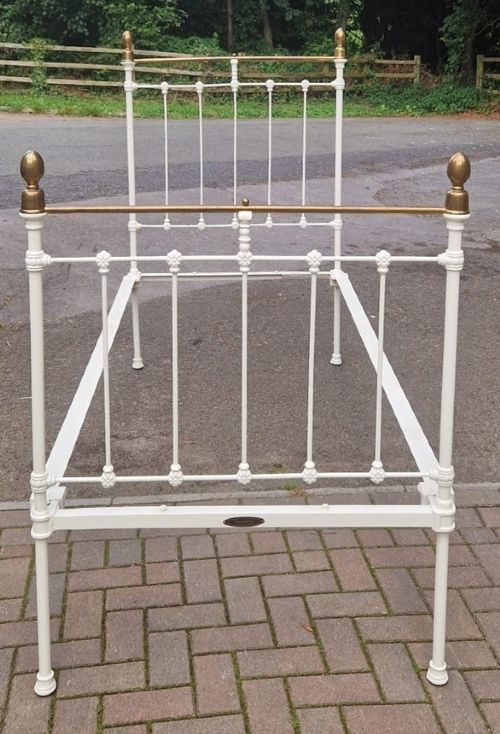
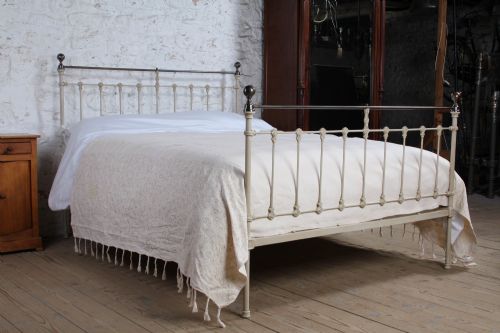
A brass painted iron bed brings together the solid weight of metal and the decorative warmth of cast details.
Brass Painted Iron Bed
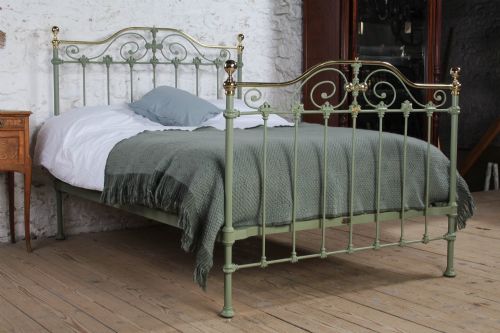
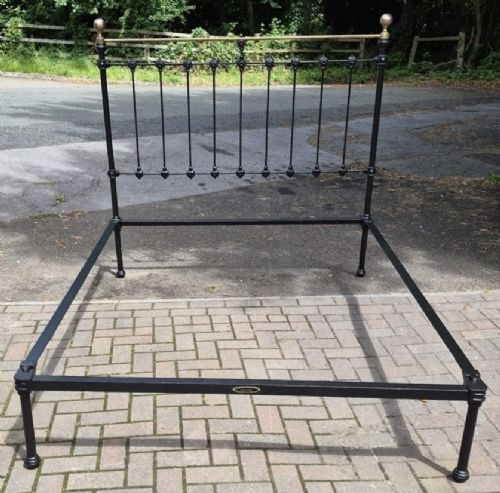
A brass painted iron bed combines structural metal frames with painted surfaces and polished brass components, taking forms such as single beds, double bedsteads, and larger king size formats. These pieces emerge predominantly from the Victorian and Edwardian eras, spanning the mid nineteenth century through to the early twentieth century.
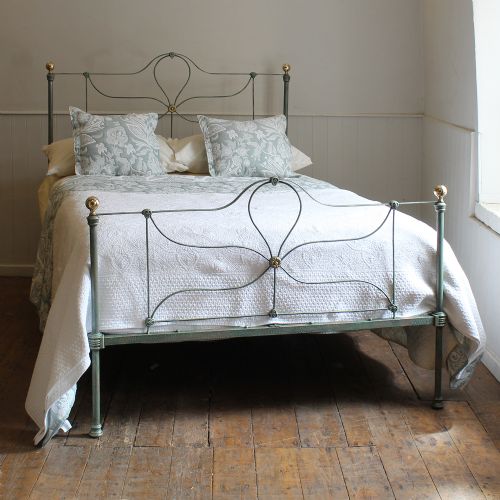
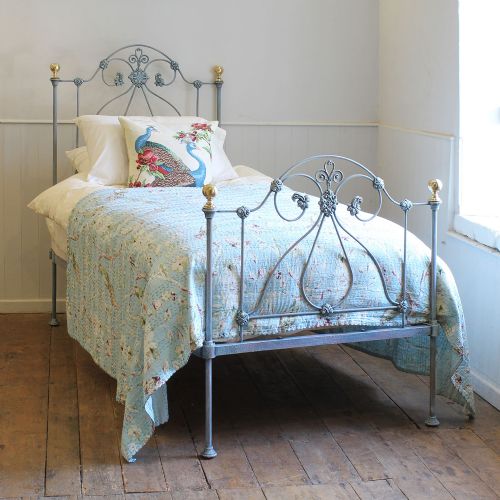
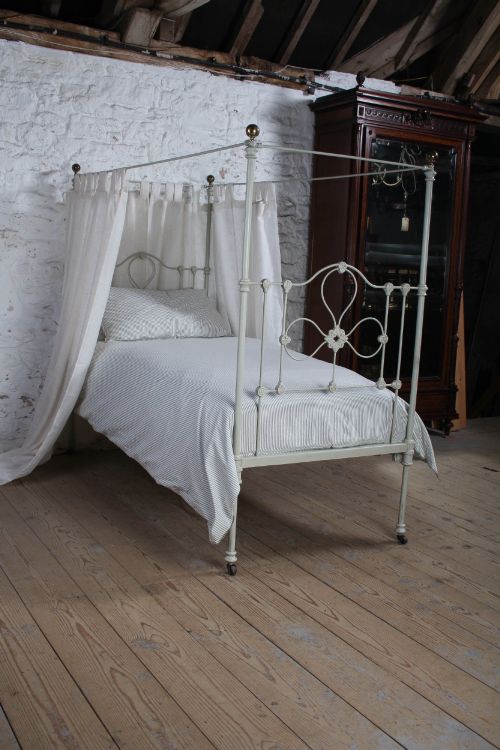
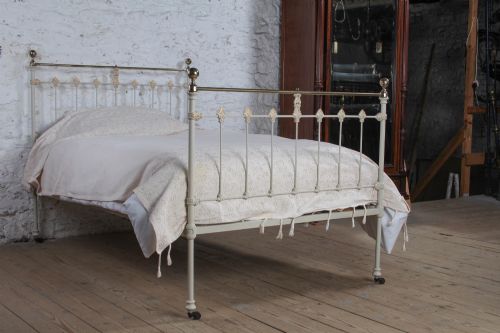
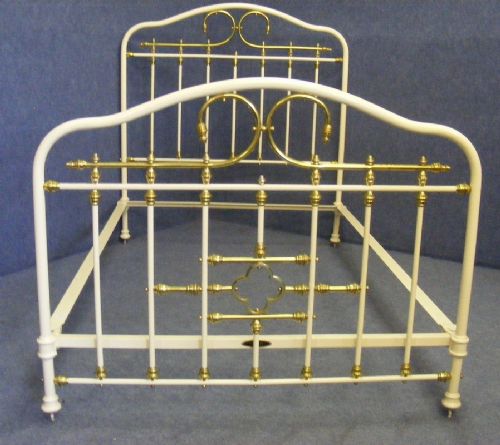
The most common examples on this page are Victorian double and single bedsteads featuring black, white, cream, or verdigris painted iron paired with gleaming brass rails and decorative castings. Buyers encounter both straightforward straight rail designs and more ornate forms such as half testers and four poster frames.
Originating largely from British workshops alongside French and Austrian makers, these frames offer functional sleeping furniture built with substantial metal components designed to last.
Construction and Materials
Makers utilised a combination of cast iron, wrought iron, and sheet metal to form the structural foundations of each bedstead, often applying protective and decorative layers of paint in colours like black, white, ivory, cream, and green verdigris. Brass elements, including top rails, knobs, and decorative mounts, were secured to the iron framework to provide contrast.
Techniques involved sand casting for the decorative iron bed ends and heavy assembly methods using wedge locks or bolt connections to ensure stability. Original paint finishes were applied to metal surfaces that had been prepared to receive oil or enamel coatings.
Listings feature iron, brass, and painted metal beds spanning the Victorian, Edwardian, and nineteenth century periods.
Judging Quality
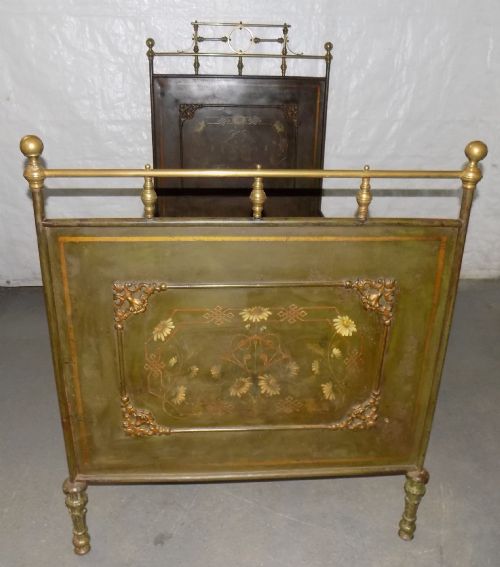
The distinction between standard examples and superior pieces rests on the crispness of the iron castings and the substantial weight of the brass components used on the bed ends. Finer pieces display refined decorative motifs, such as painted floral details or intricate brass finials, rather than plain functional tubing.
The integrity of the original paint finish and the completeness of matching side rails and castors indicate a well preserved piece. Superior construction is evident in robust corner joints that lock together tightly without play.
R W Winfield·Heals
The Brass Painted Iron Bed Glossary
- Bedstead
- A framework of a bed supporting the mattress and springs. These metal examples rely on iron side rails connecting the headboard and footboard.
- Verdigris
- A green patina formed naturally or applied artificially on copper, brass, or painted iron surfaces. This finish appears frequently on period metal beds.
- Toleware
- Painted metalware produced in various European workshops during the nineteenth century. Austrian examples utilise this painted metal technique.
- Castor
- A small wheel fitted to the base of the bed legs to allow movement. Many Victorian iron beds retain their original metal or ceramic castors.
Brass Painted Iron Bed: Frequently Asked Questions
How do I assemble an antique metal bed?
Most antique metal beds use a standard wedge lock system where the side rails slot directly into the corner mounts on the headboard and footboard. Tapping these joints gently with a rubber mallet secures the frame firmly in place.
Once the side rails are connected, cross slats or a modern base drop into position across the interior ledges to support the mattress.
Will modern mattresses fit these antique beds?
Many period beds were built to specific nineteenth century dimensions such as three foot single or four foot six double sizes. Measuring the internal frame dimensions carefully ensures standard modern mattresses will drop securely between the rails.
For odd sizes like three quarter widths, bespoke mattress makers can supply custom dimensions to fit the exact frame.
How should I clean painted iron and brass?
Painted iron surfaces require gentle dusting with a dry cloth and occasional cleaning with mild soapy water to preserve the original finish. Avoid harsh chemical solvents that can strip historic paint layers.
Brass components can be polished lightly with a non abrasive metal cleaner if a bright shine is preferred, though many collectors leave an aged patina untouched.