

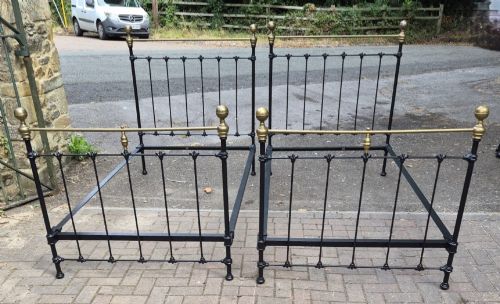
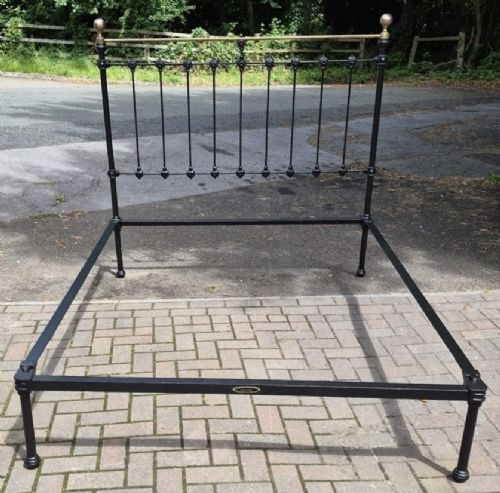
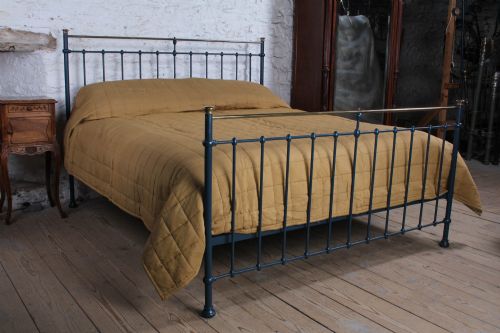
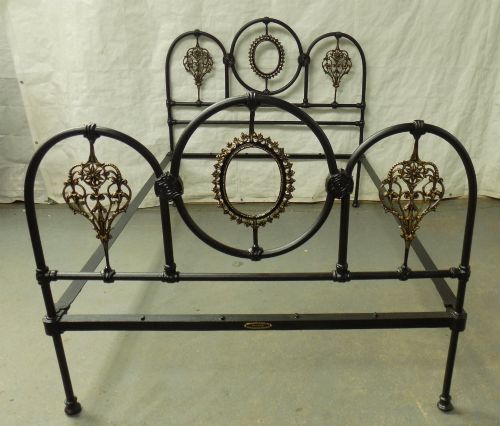
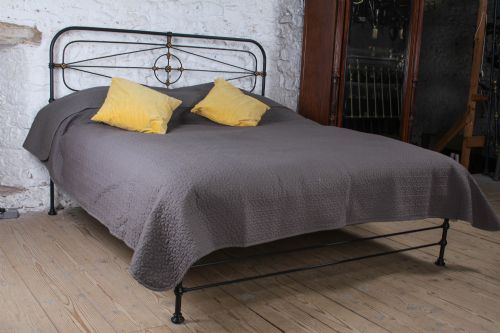
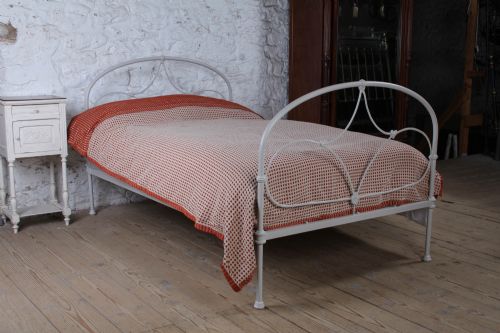
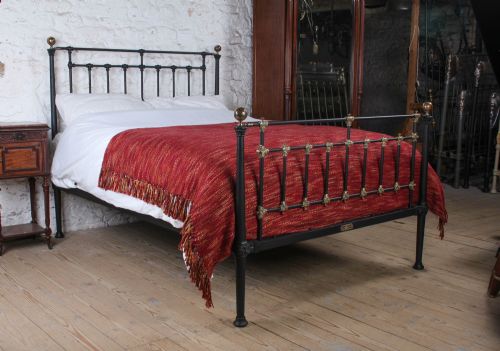
Traditional Wrought Iron Bedstead
A traditional wrought iron bedstead brings solid metal construction and classic Victorian or Edwardian character directly to the bedroom.
Traditional Wrought Iron Bedstead
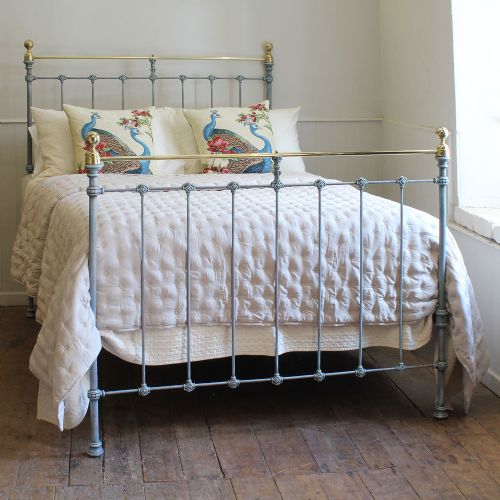
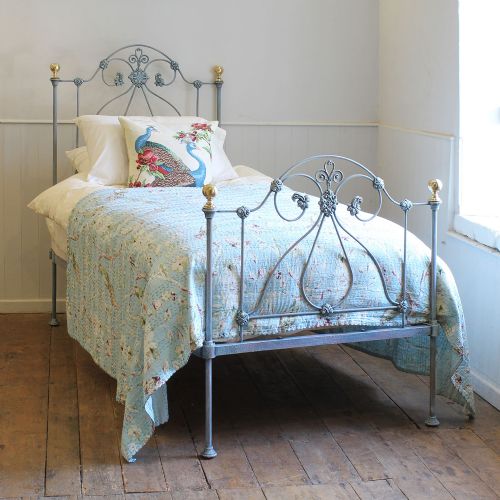
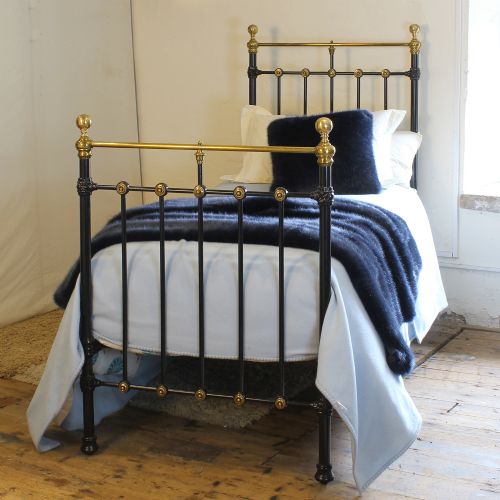
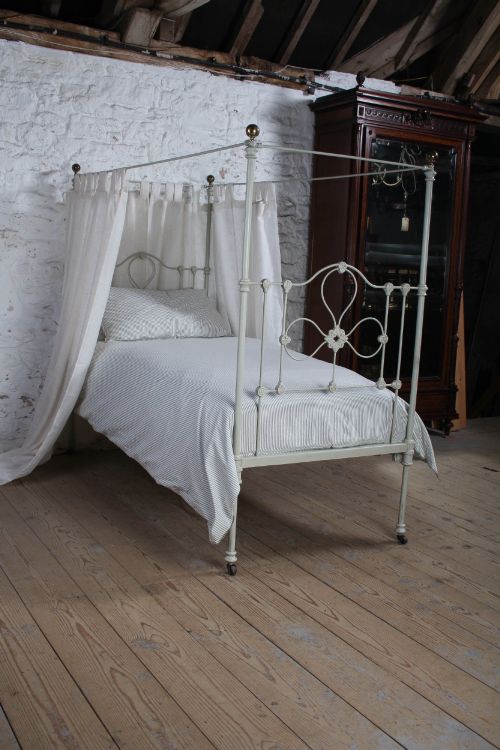
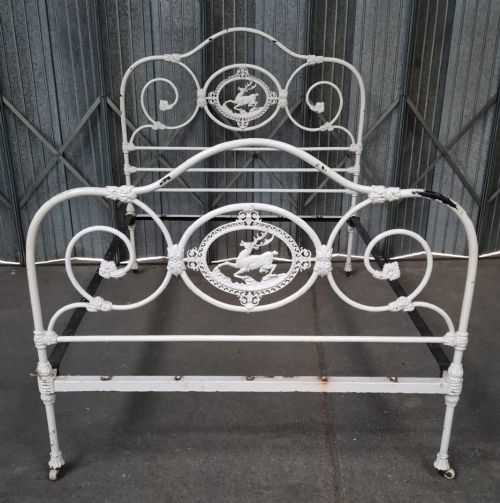
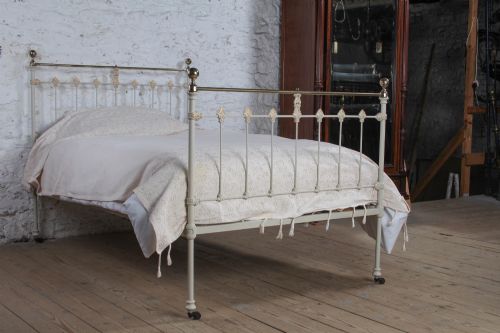
A traditional wrought iron bedstead encompasses robust metal frames designed for single, double, king, and super king sizes. Buyers encounter pieces stretching from the Victorian era into the early twentieth century, featuring styles ranging from French Country to Celtic Revival.
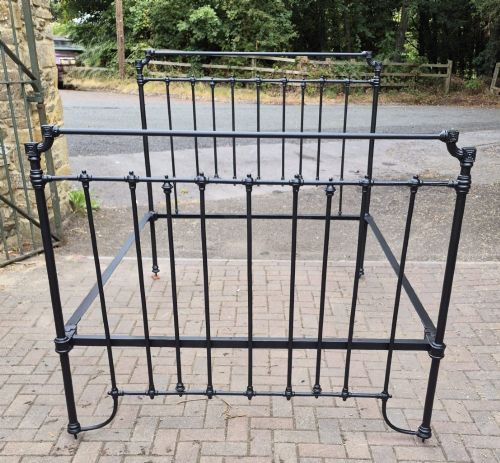
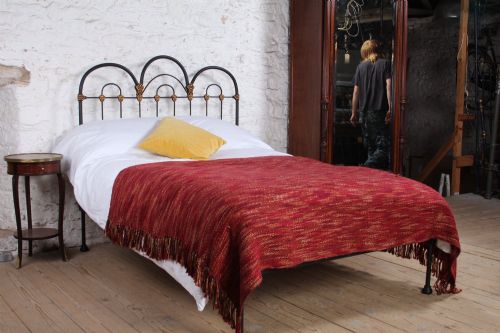
The selection on this page relies heavily on Victorian and Edwardian examples paired with iron and brass components. Common configurations include traditional four posters, arched designs, and low end or no end layouts tailored for modern mattresses.
Distinctions in craftsmanship
Quality separates through the intricacy of metal shaping, ribbon reed details, and the precision of brass ornamentation. Superior examples display balanced proportions, clean casting lines, and substantial weight in the primary rails.
Maker marks, such as those by Winfield, elevate historical interest alongside well-executed scrollwork and curly iron details. The integrity of original joints and the condition of the painted or polished surfaces dictate the overall refinement.
Materials appearing across these examples include cast iron, wrought iron, forged iron, and polished brass.
Winfield
The Traditional Wrought Iron Bedstead Glossary
- Wrought iron
- A tough, malleable iron form containing silicate slag inclusions, traditionally shaped by hammering.
- Cast iron
- Iron poured into a mould in a molten state, utilised for decorative bedstead components and structural feet.
- No end bed
- A bedstead featuring a tall headboard but lacking a high footboard, creating an open sightline in the room.
- Ribbon reed
- A decorative raised moulding resembling a tied ribbon, often found applied to iron bed rails.
- Finial
- A decorative terminal ornament positioned at the top of bedposts, commonly cast in brass.
Traditional Wrought Iron Bedstead: Frequently Asked Questions
How do I fit a modern mattress?
Traditional iron bedsteads often require careful measurement against standard modern mattress sizes, particularly older single or three quarter widths.
Many antique frames accommodate contemporary bases with appropriate wooden slats or metal support systems added inside the side rails.
Can these beds be dismantled easily?
Most period iron and brass beds utilise wedge joints or heavy side rail bolts that allow the headboard and footboard to separate entirely.
This modular construction makes transportation and repositioning straightforward once the securing pins or bolts are released.
What maintenance do painted iron frames need?
Painted iron surfaces require gentle dusting and occasional cleaning with a dry or slightly damp cloth to preserve the finish.
Avoiding abrasive chemical cleaners protects the underlying painted or blackened iron from chipping and premature wear.
How are Victorian and Edwardian styles distinguished?
Victorian frames frequently display heavy ornamentation, ornate curly ironwork, and prominent brass contrast details spanning the mid to late nineteenth century.
Edwardian pieces tend towards cleaner architectural lines and lighter proportions as aesthetic tastes shifted toward simplified domestic interiors.