

Brass Oil Light
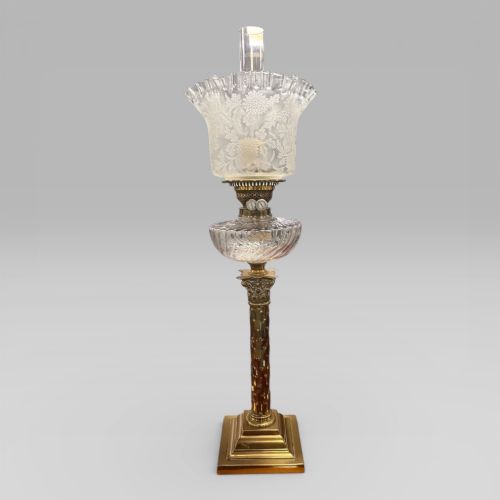
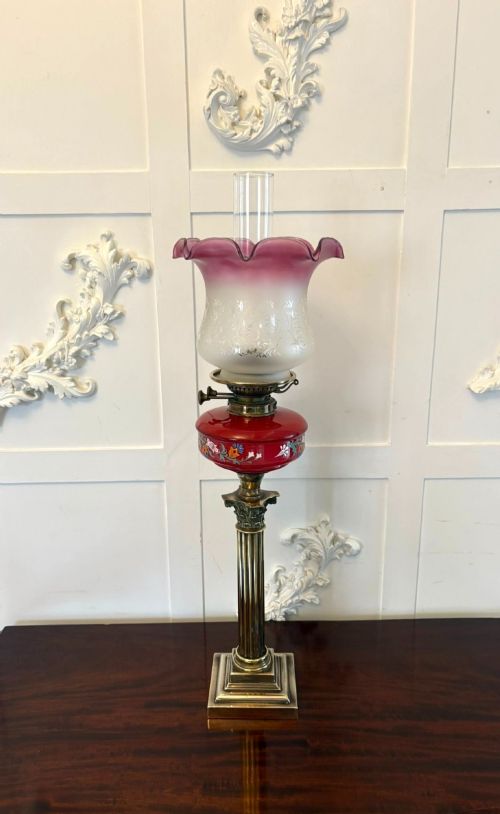
A brass oil light brings warm period character to a room, combining heavy metal work with coloured glass or ceramic fonts.
Brass Oil Light
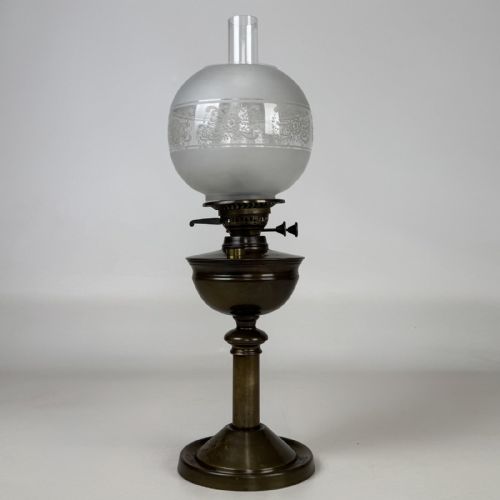
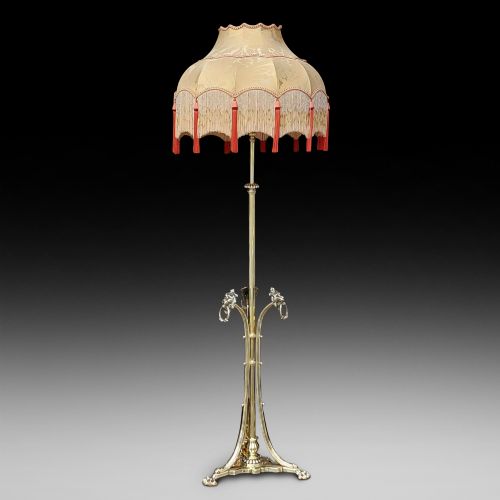
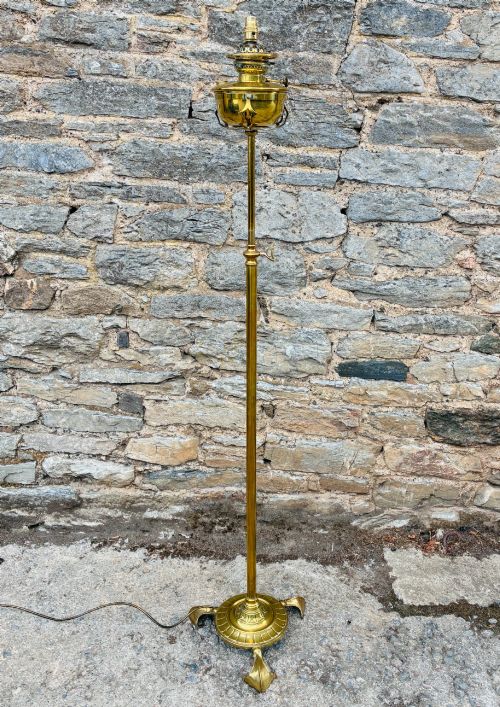
When you search for a brass oil light, you find lighting equipment from the nineteenth and early twentieth centuries built to burn paraffin or other oils before widespread electricity. These pieces range from simple desk designs and student lamps to tall standard lamps and elaborate Corinthian column table lamps.
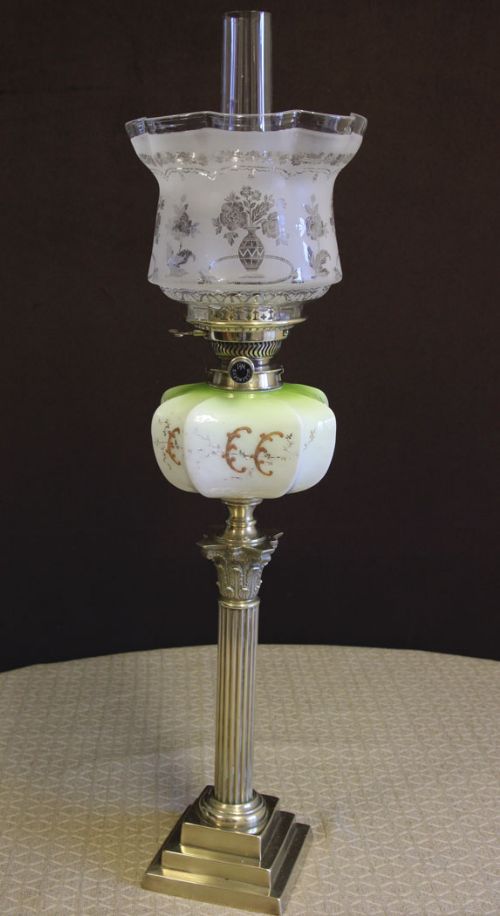
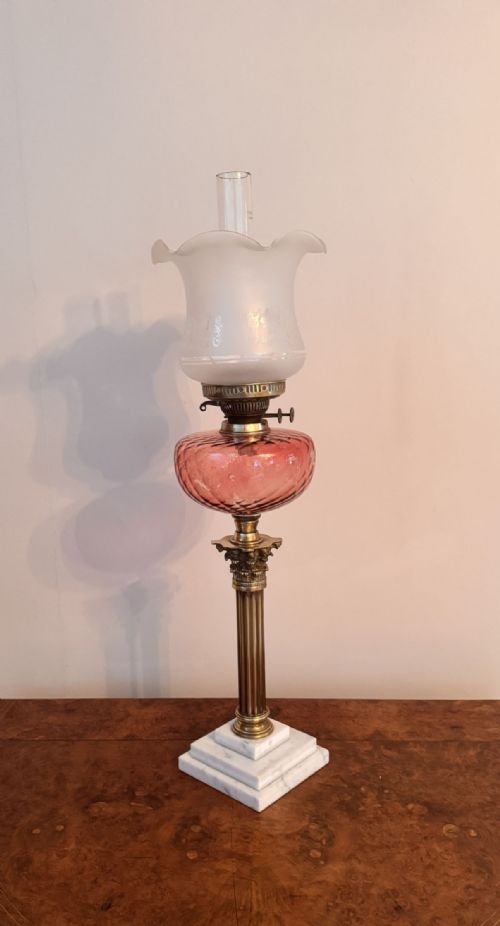
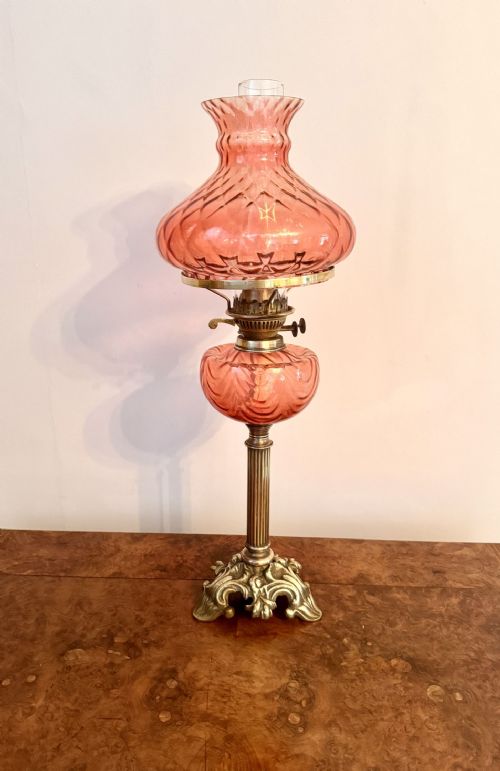
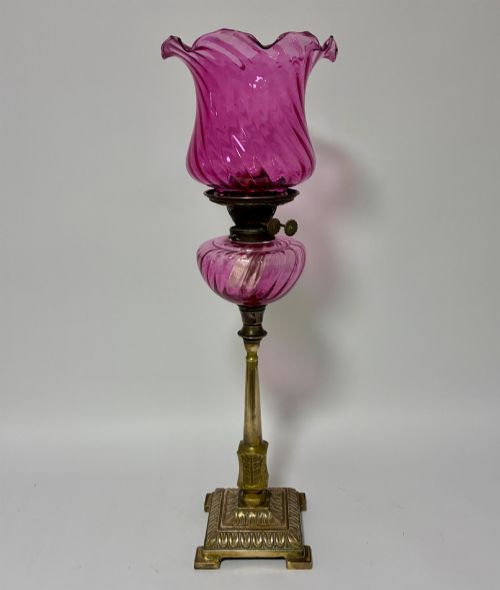
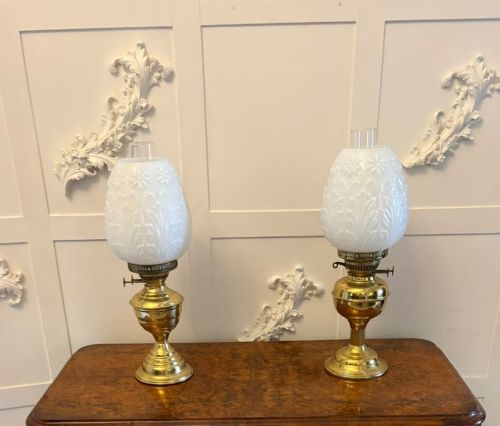
The most common examples on this page are Victorian table models featuring heavy brass bases paired with coloured glass fonts and etched or tulip shades. Many survive in original condition, while others show conversion to electric wiring for modern use.
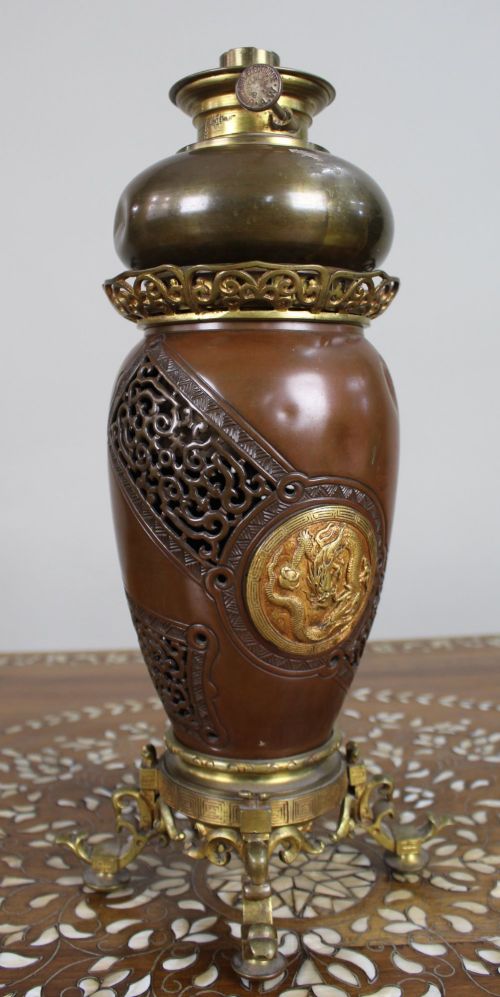
Origins span English domestic manufacture alongside items reflecting Chinoiserie, Japanese Meiji, and European Secessionist influences. Alongside domestic lamps, the selection includes maritime lanterns and railway hand lanterns in copper and brass.
How they were made
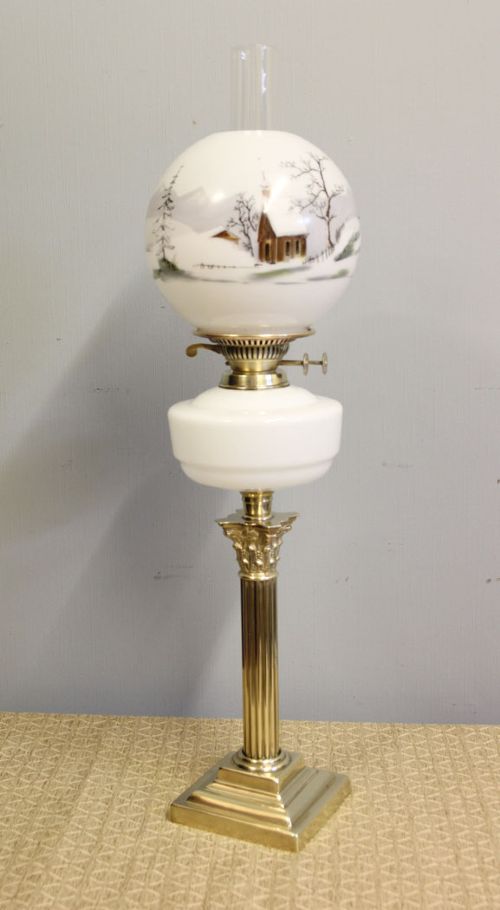
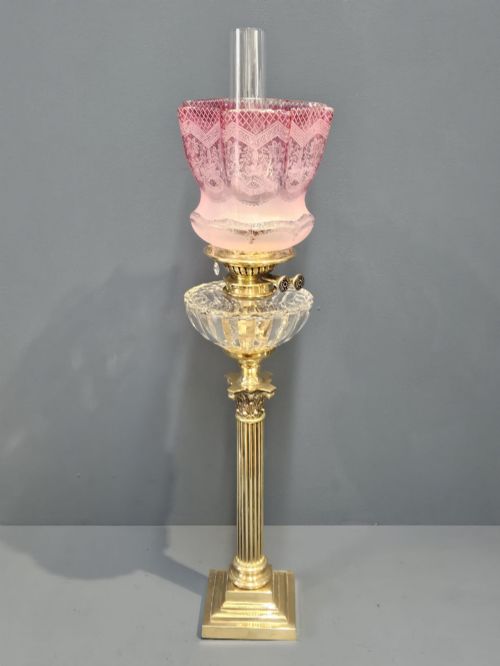
Makers constructed the structural columns and bases from cast and turned brass, sometimes incorporating copper, onyx, or marble for added weight and decoration. Architectural designs like the Corinthian column required precise metalworking to form the fluted shafts and detailed capitals.
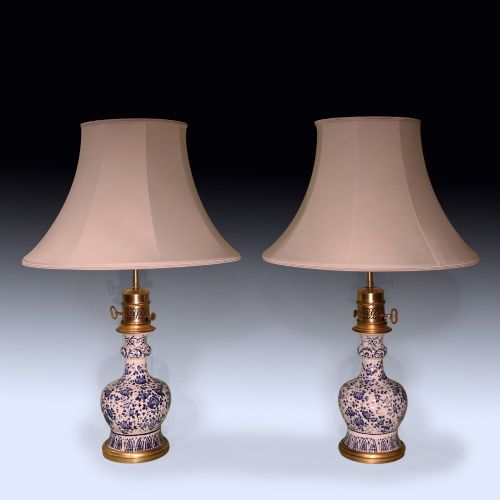
Fonts and shades rely heavily on hand-blown glass techniques, producing striking effects in cranberry glass, opaline glass, and frosted finishes. Ceramic and porcelain components, occasionally featuring hand-painted botanical or winter scenes, integrate directly with the metal bodies.
Functional mechanisms include duplex burners, adjustable telescopic standards for height variation, and specialised burners by established makers like Hinks. Lanterns incorporate heavy copper housing fitted with multi-coloured lenses for marine and railway service.
Brass Oil Light Retail Price Guide 2026
Typical asking prices for brass oil light among the pieces listed under this phrase on Sellingantiques today, from the lower quarter to the upper quarter. They describe what is for sale here now, not the wider market.
An inspector's railway hand lantern complete with a tri-colour lens reveals the hidden signalling life behind a simple domestic oil light.
What varies in quality
The distinction between standard domestic lighting and superior examples rests upon the weight of the brass casting and the crispness of architectural details. Fine Corinthian capitals and substantial column shafts demonstrate a higher standard of foundry work than simpler, plain stems.
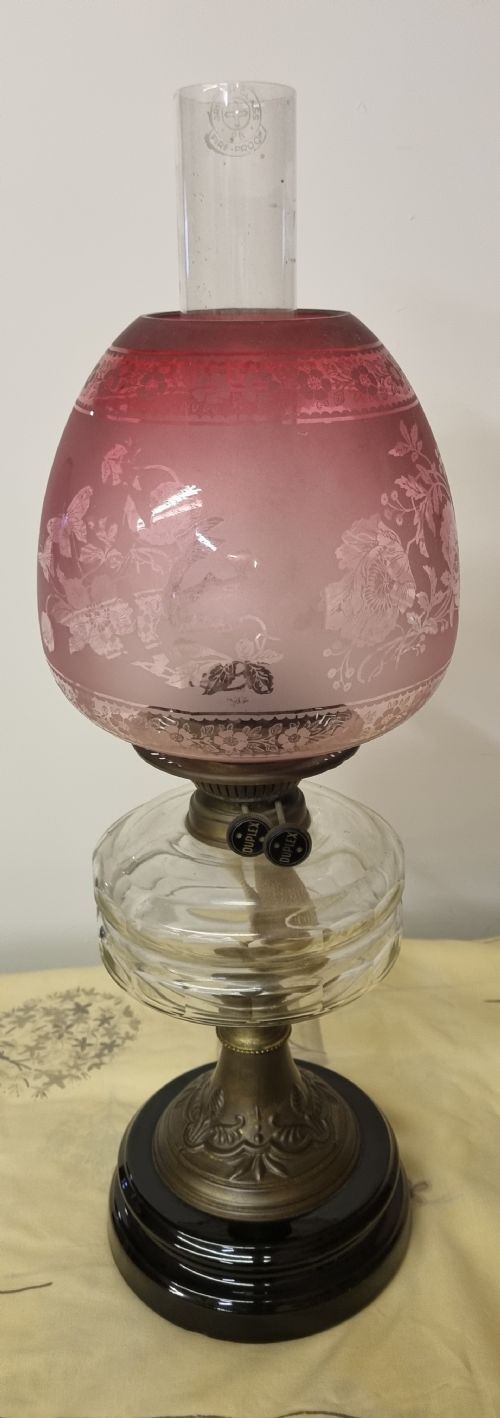
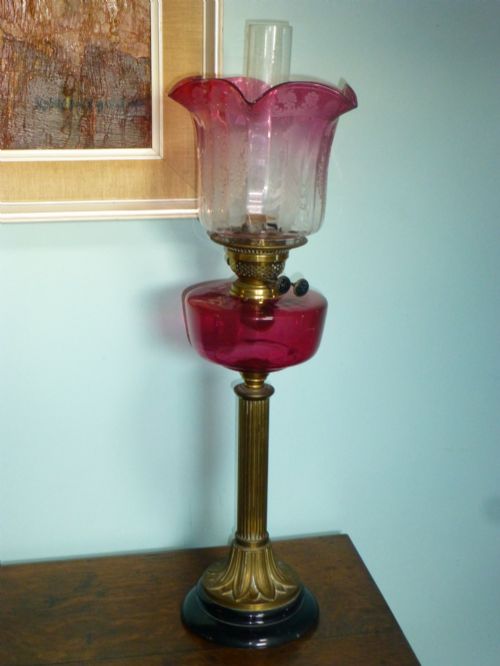
Glass quality creates a clear tiering, separating plain or moulded shades from hand-blown, hand-painted cranberry or opaline fonts with deep colour saturation and delicate etching. The inclusion of complex burner mechanisms, such as duplex systems or maker-stamped components, elevates the standing of an individual piece.
Proportion and scale dictate visual success, with taller standard lamps and multi-burner table designs commanding greater presence than smaller student variations. The integration of mixed materials like marble, onyx, and porcelain determines the decorative ambition of the original maker.
Alderson and Gyde Ltd·Gustave Serrurier Bovy·Hinks of B'ham·Taylor Tunnicliff·Mc Gary
The Brass Oil Light Glossary
- Duplex burner
- A double-wick burner system designed to provide increased illumination from a single oil font. This mechanism appears frequently on larger Victorian table and standard lamps.
- Cranberry glass
- Rich red-pink glass created by adding gold chloride to the molten batch. It forms the vibrant fonts and shades seen on many nineteenth-century examples.
- Corinthian column
- An architectural column style featuring ornate, leaf-carved capitals adapted to form the vertical shafts of formal table lamps.
- Opaline glass
- Opaque white glass with a delicate, milky appearance used extensively for soft-diffusing lamp shades and decorative body elements.
- Student lamp
- A utilitarian desk lamp featuring an adjustable arm and a side-mounted oil reservoir designed for focused workspace illumination.
Brass Oil Light: Frequently Asked Questions
How do I operate a brass oil light?
Traditional operation requires filling the reservoir with compatible lamp oil and allowing the wick to saturate fully before lighting. Adjust the thumb wheel to control the flame height and prevent smoking from the chimney.
Many surviving pieces now feature concealed electrical conversions for everyday domestic convenience. This allows safe use with modern bulbs while retaining the original external metalwork.
Can I convert an oil lamp to electricity?
Conversion is a common practice that preserves the decorative appeal of the brass base and glass shade while adding modern utility. Professional rewiring routes a cable through the existing burner or column without damaging the historic structure.
Reversible conversions remain popular among collectors who prefer to keep original burner components intact. This ensures the piece can be returned to its original mechanical state if desired.
How do I date a brass oil light?
Dating relies on stylistic clues, manufacturing patents, and material combinations typical of specific decades. Mid nineteenth-century examples often feature heavier classical proportions, while Edwardian pieces introduce slender profiles and softer pastel glass.
Maker stamps and patent marks stamped onto the brass burners or ceramic bodies provide precise production windows. Comparing the shade shape and glass coloration against documented period catalogues also helps establish chronology.
How do I clean brass and glass safely?
Brass components respond well to gentle dusting and occasional cleaning with appropriate non-abrasive metal polishes to maintain the aged patina. Harsh chemical cleaners strip the historic surface character and should be avoided entirely.
Glass shades and fonts wash safely in warm soapy water using a soft cloth to protect hand-painted details. Care must be taken around delicate enamel work or frosted areas during washing.