



Brass Naval Cannon
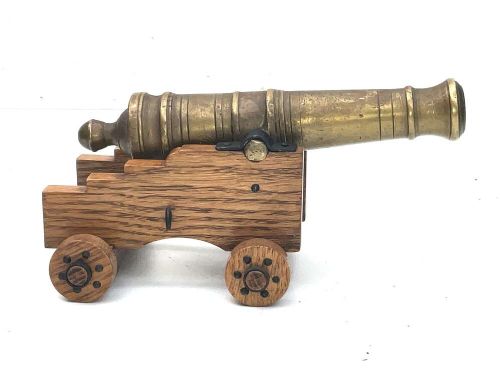
These brass naval cannon models and signal pieces bring functional maritime history into a study or desk display with heavy metal presence.
Brass Naval Cannon
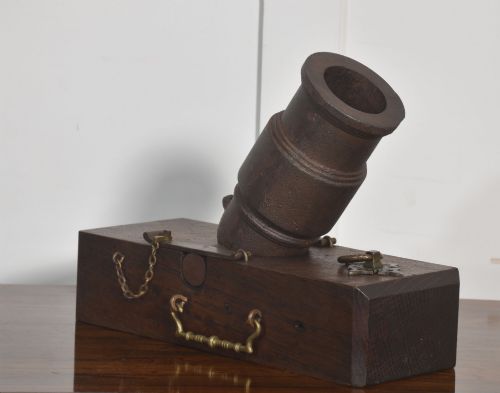
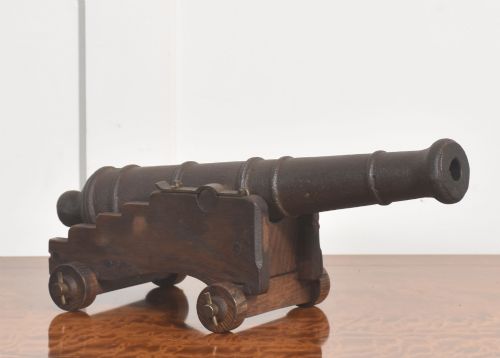
When you search for brass naval cannon, you encounter models and functional signal pieces that range from small desk ornaments to heavy deck or saluting pieces.
The selections span the eighteenth, nineteenth, and early twentieth centuries, capturing military traditions and maritime history through miniature artillery.
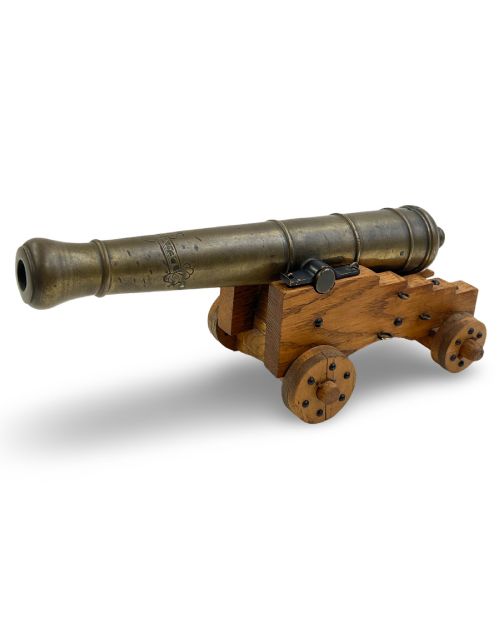
Most items you meet on this page are signal cannons or decorative models mounted on oak or mahogany carriages, reflecting both French and British maritime styles.
How they were made
The barrels are cast or forged in metals including brass, bronze, cast iron, and polished steel, offering substantial weight and metallic lustre.
Wooden elements such as oak and mahogany form the carriages and undercarriages, providing stable mounts for the metal ordnance.
Makers finished these items with hand built construction and inscriptions, sometimes marking specific historical events like the end of the Crimean War.
Brass Naval Cannon Retail Price Guide 2026
Typical asking prices for brass naval cannon among the pieces listed under this phrase on Sellingantiques today, from the lower quarter to the upper quarter. They describe what is for sale here now, not the wider market.
Object types vary from functional signal mortars and desk cannons to hand built scale models reflecting French and Victorian maritime styles.
What varies in quality
The standard of a piece depends on the precision of the metal casting and the quality of the timber carriage, with fine hand made examples showing superior joinery.
Inscriptions, historical markings, and polished finishes elevate certain models from simple desk ornaments to significant pieces of militaria.
The Brass Naval Cannon Glossary
- Signal cannon
- A small ordnance piece used historically for firing blank charges to signal time, mark occasions, or salute ships. These were often kept on larger vessels or shore installations.
- Signal mortar
- A short, wide-mouthed variant of artillery designed to project sound upwards rather than carry a flat trajectory. They share similar wooden carriage mountings with cannons.
- Undercarriage
- The wooden base or chassis that supports the barrel of the cannon. These are frequently fashioned from dense hardwoods like oak or mahogany.
- Militaria
- Collectible items and artefacts connected with armed forces, military history, or warfare. This category encompasses decorative models and historical signal pieces.
Brass Naval Cannon: Frequently Asked Questions
Were these cannons actually fired?
Many signal cannons and mortars were built to be functional and could be loaded with gunpowder for blank charges to create loud reports on special occasions.
However, others are strictly non-firing scale models or desk ornaments intended purely for display.
How do I display a desk cannon?
These pieces look best placed on a sturdy wooden desk, bookcase, or mantelpiece where their heavy metal and hardwood construction can be appreciated up close.
Ensure they sit on stable surfaces away from high-traffic areas due to their considerable weight.
How can I tell the period of a cannon?
Dating relies on examining the casting techniques, metal alloys, style of the wooden carriage, and any stamped or engraved inscriptions on the barrel.
Victorian and Regency examples often display distinct design characteristics and proportions compared to later twentieth-century models.
What maintenance do these metals require?
Brass and bronze components benefit from occasional gentle dusting and careful cleaning to preserve their polished appearance without removing historical patination.
Harsh chemical polishes should be avoided to protect any original surface treatments and markings.