
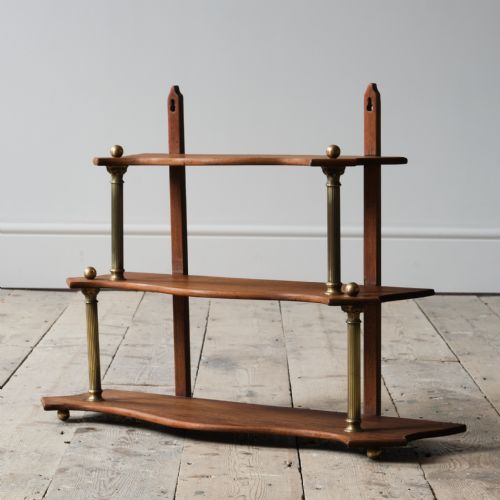
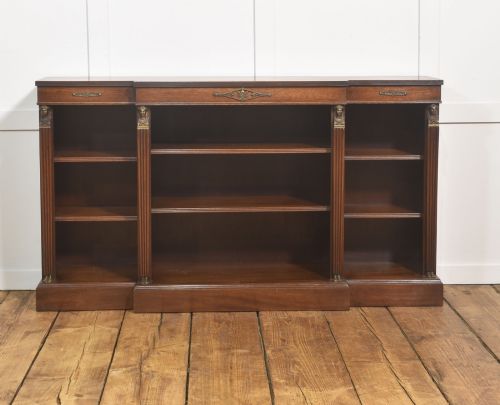
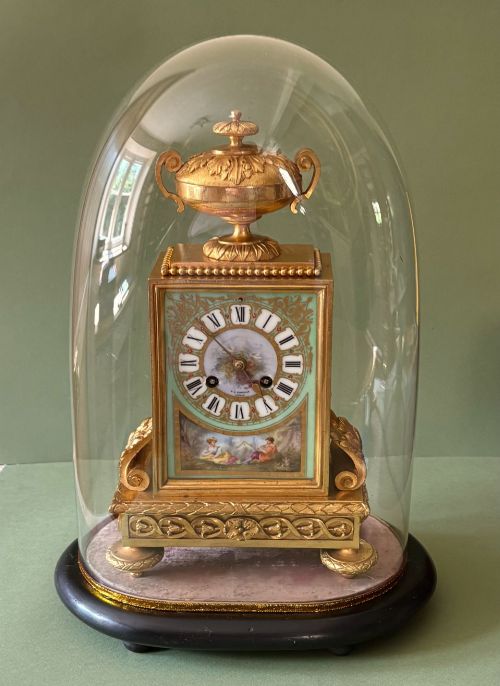
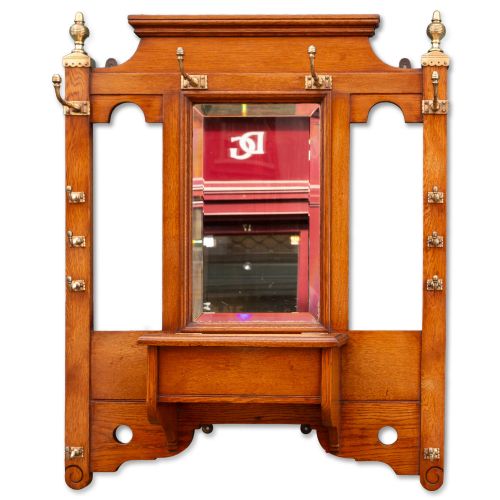

Brass Mounted Shelves
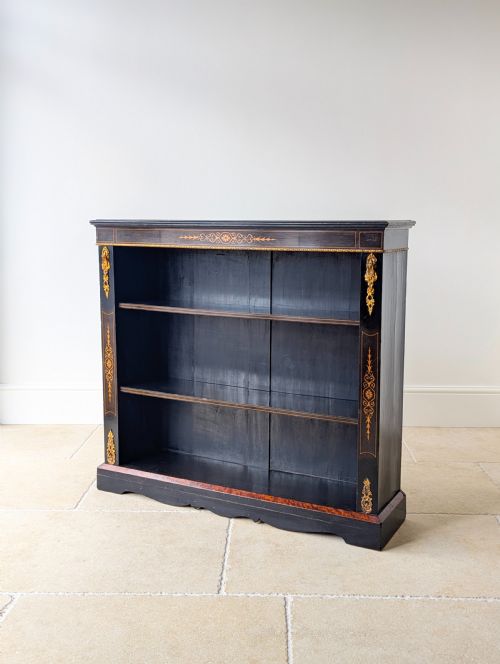
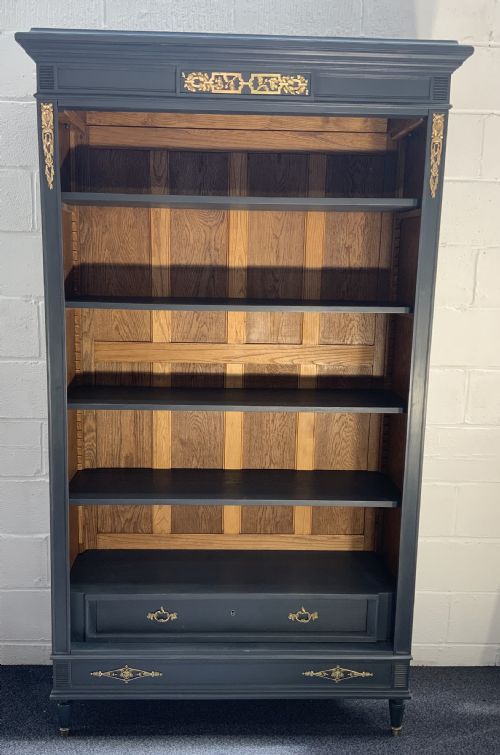
Brass mounted shelves bring structural metalwork into timber display pieces, offering a neat way to organise books and display objects.
Brass Mounted Shelves
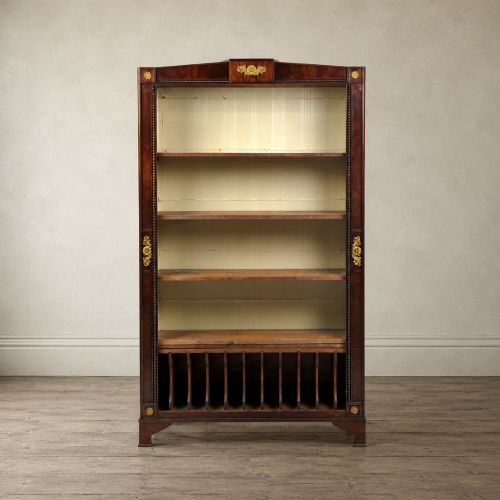
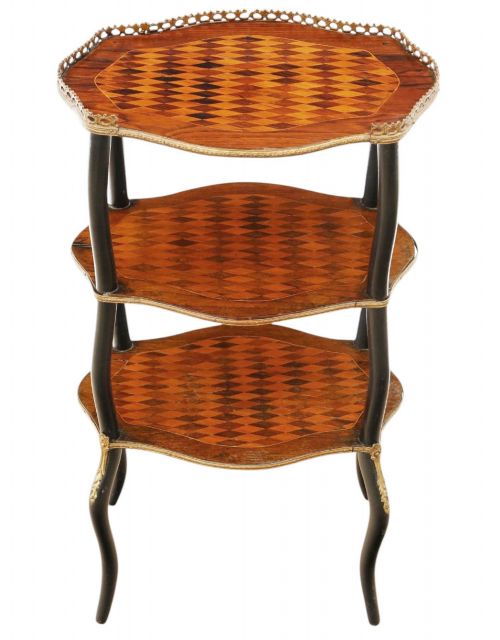
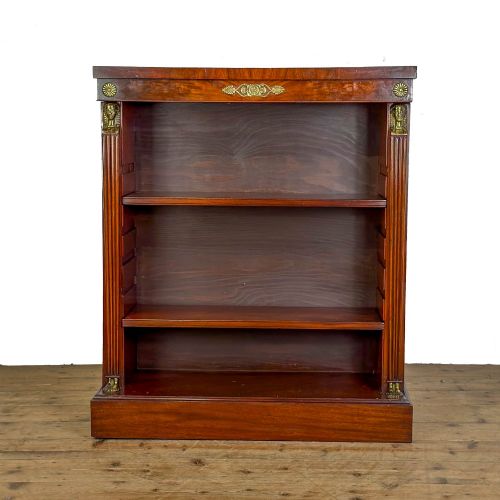
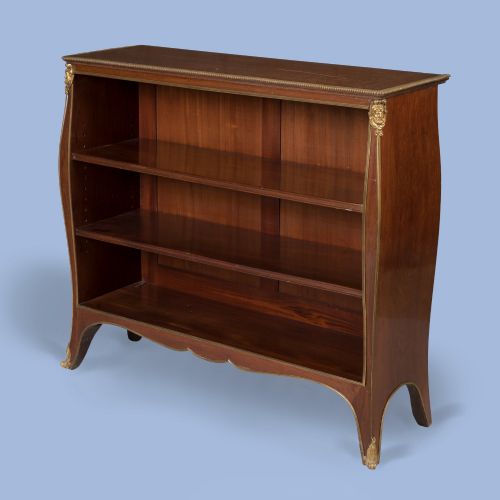
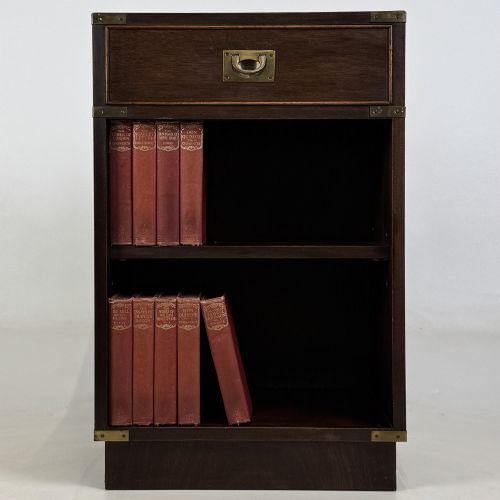
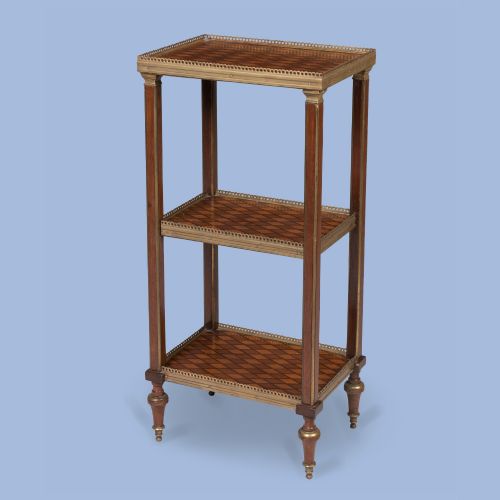
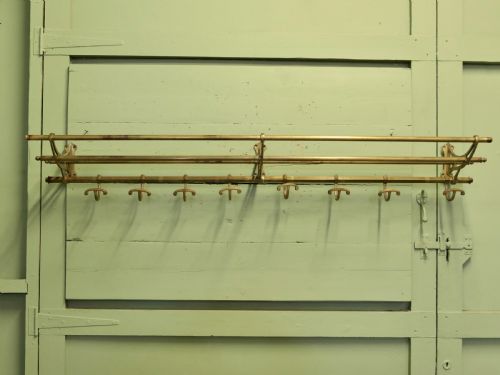
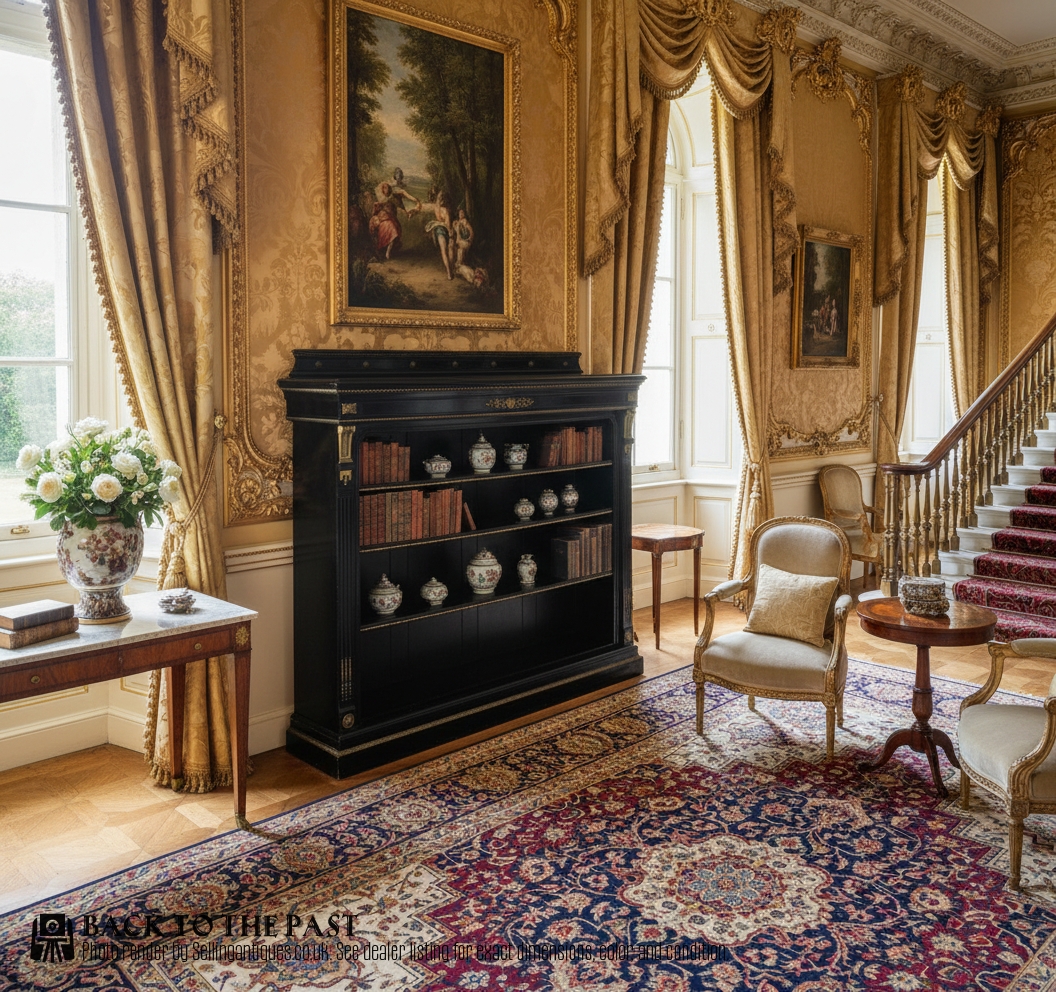
Brass mounted shelves encompass open bookcases, etageres, wall-hanging shelves, and display cabinets designed to hold books and decorative objects. The brass elements function as structural mounts, gallery rails, and decorative embellishments across various timber bodies.
The pieces appearing under brass mounted shelves span the nineteenth century into the early twentieth century, with strong representations in Victorian, Regency, and Edwardian periods. French revival styles and empire designs frequently inform the decorative vocabulary of these items.
Mahogany, rosewood, and ebonised wood form the primary timber bodies carrying the brass mounts. Wall-hanging formats and floor-standing open bookcases represent the typical configurations found within this category.
How they were made
Cabinetmakers constructed the main carcasses from dense hardwoods like mahogany and rosewood, sometimes employing ebonised wood or walnut. Timber surfaces frequently incorporate marquetry, parquetry, or simple polished finishes.
Brass and ormolu components were cast, chased, and secured to the timber frames as gallery rails, corner mounts, and structural supports. These metal fixtures were screwed or pinned directly into the wood to reinforce joints and frame edges.
Listings feature brass mounted shelves constructed from mahogany, rosewood, oak, and ebonised wood across Victorian and Edwardian periods.
What varies in quality
The precision of the cabinetmaking and the crispness of the brass casting determine the distinction between tiers. Sharp detail in ormolu mounts and tight joinery in the timber carcass indicate superior workshop execution.
Selected veneers, thoughtful timber matching, and well-finished interior shelving elevate certain pieces above standard utilitarian examples. The integration of secondary woods and the weight of the brass hardware contribute to the overall substance of the item.
Etienne Lenoir·John Bull of Bedford·James Shoolbred and Co
The Brass Mounted Shelves Glossary
- Ormolu
- Gilded bronze used for decorative mounts and furnishings. It provides a bright metallic contrast against dark timbers like mahogany and rosewood.
- Etagere
- An open piece of furniture with multiple tiers for displaying small objects. These often feature brass galleries around the shelf edges.
- Marquetry
- Decorative veneer patterns formed by fitted pieces of various woods. It adds pictorial or geometric enrichment to tabletops and cabinet doors.
- Parquetry
- Geometric mosaic woodwork used for flooring and furniture surfaces. It creates repeating patterns across panels using contrasting timber strips.
- Breakfront
- A cabinet or bookcase whose central section projects forward from the side sections. This layout creates visual depth in large library furniture.
Brass Mounted Shelves: Frequently Asked Questions
How do I hang wall shelves securely?
Wall-hanging shelves require proper fixings matched to the weight of the timber and brass components.
Heavier rosewood and mahogany units need direct anchorage into wall studs or solid masonry using appropriate screws and rawlplugs.
What woods were used for these shelves?
Cabinetmakers utilised dense tropical hardwoods and European timbers for the main bodies of these pieces.
Mahogany and rosewood appear frequently, alongside ebonised wood, walnut, and occasional oak or satinwood accents.
How do I date an etagere?
Dating relies on observing the timber choice, construction methods, and stylistic influences present in the piece.
Nineteenth-century examples often display French revival or empire characteristics, while later pieces adopt Edwardian or campaign formats.
How do I care for brass mounts?
Brass mounts require gentle dusting and occasional cleaning to maintain their finish without harming the surrounding timber.
Harsh metal polishes should be kept away from the wood veneer to prevent staining and chemical damage to the polish.