



Ebonised Open Shelves
These ebonised open shelves combine dark, dramatic timber surfaces with accessible storage, offering both utility and decorative presence for the modern interior.
Ebonised Open Shelves
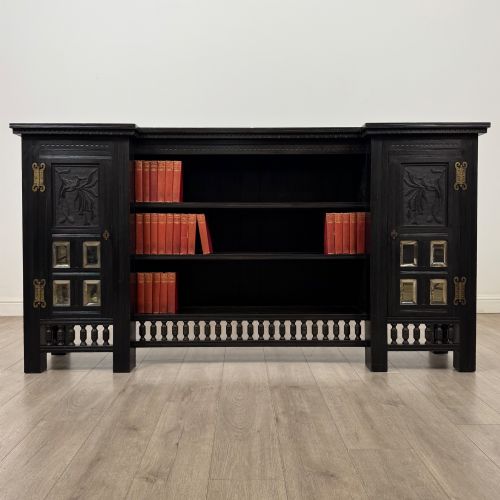
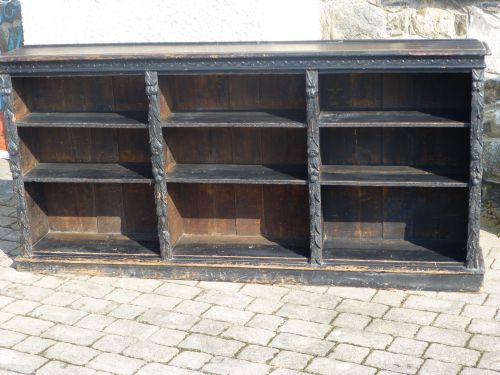
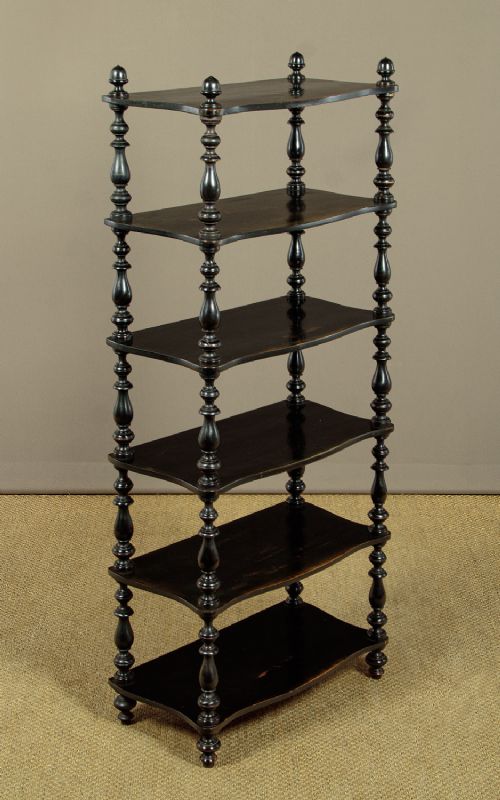
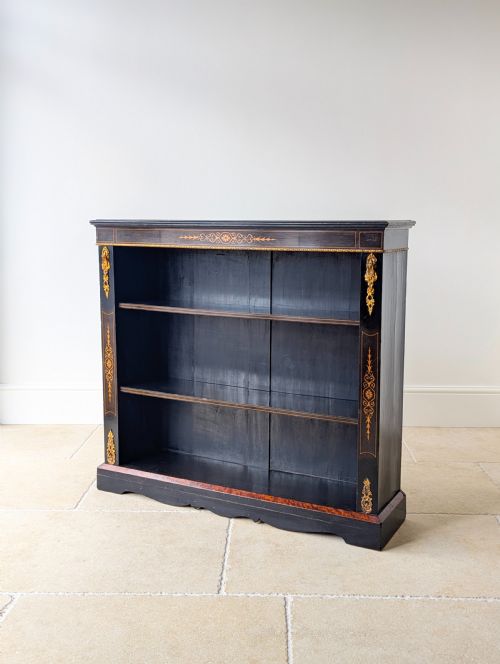
Ebonised open shelves encompass a variety of bookcase, etagere, and tiered stand forms designed to display books and decorative objects without enclosing them behind doors. These pieces frequently emerge from the nineteenth century, including Victorian, Gothic Revival, and Napoleon III periods, alongside later twentieth-century iterations.
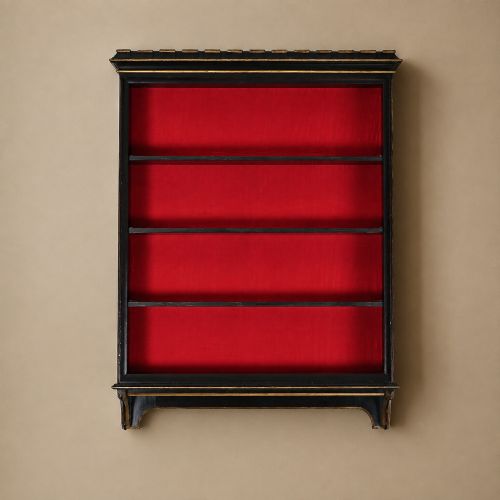
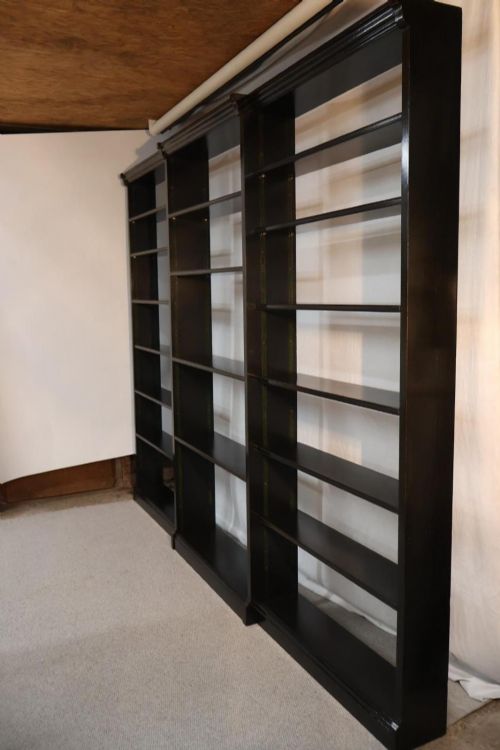
The most common formats found among these listings include dwarf bookcases, wall bookcases, and multi-tiered stands. Makers often incorporated adjustable shelves, brass mounts, or inlaid details to enhance the functional utility of the furniture.
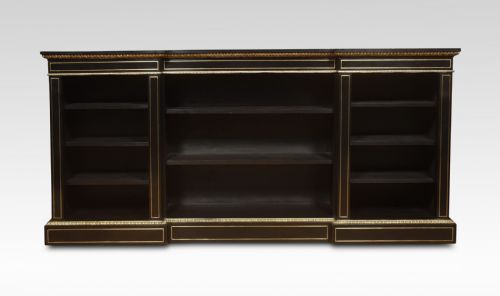
Buyers encounter diverse regional interpretations and stylistic influences, ranging from straightforward oak and timber constructions to elaborate carved green man motifs. This variety ensures that forms suit both compact bedside settings and large breakfront displays.
Materials and construction methods
Construction relies heavily on ebonised wood and timber, such as oak and walnut, treated with finishes designed to mimic costly ebony. Workshops applied dark stains or paints to plain woods, achieving a uniform black surface that served as a dramatic backdrop for gilt or inlaid elements.
Metal enrichment forms a crucial part of the manufacturing technique, with brass mounts, ormolu, and hardware fitted to corners, friezes, and uprights. Burr walnut and secondary woods occasionally provide contrasting panels or interior surfaces within these ebonised frameworks.
Listings span periods from the nineteenth century up to nineteen-thirty, incorporating styles such as Gothic Revival, Art Deco, and Napoleon III.
Assessing quality in ebonised furniture
Quality separates through the crispness of carved detail and the integrity of the ebonised surface finish. Pieces featuring deeply carved motifs, such as green man ornaments, or precise brass mounts demonstrate superior craftsmanship compared to plain, mass-produced examples.
The sophistication of the underlying joinery and timber selection dictates long-term stability, particularly in multi-tiered stands and breakfront bookcases. Finer items employ dense hardwoods like oak or walnut beneath their dark finish, whereas lesser pieces utilise simpler construction methods and uniform, unvaried surfaces.
George Edmund Street·Wedgwood
The Ebonised Open Shelves Glossary
- Ebonised wood
- Timber treated with a dark stain, dye, or polish to imitate the appearance of solid ebony. This technique gained widespread popularity during the nineteenth century across various revival styles.
- Ormolu
- Gilded bronze ornamentation applied to furniture mounts and decorative fittings. It provides bright metallic contrast against dark ebonised surfaces.
- Breakfront
- A piece of furniture whose central section projects forward from the flanking wings. This architectural arrangement creates depth and visual interest in large bookcases.
- Etagere
- A set of open tiers or shelves supported by columns or slender uprights, used for displaying ornaments. They appear frequently in nineteenth-century French and English interiors.
- Gothic Revival
- An architectural and decorative style drawing inspiration from medieval forms, often featuring pointed arches and heavy carving. It heavily influences Victorian bookcase design.
Ebonised Open Shelves: Frequently Asked Questions
What are ebonised open shelves?
Ebonised open shelves are bookcases and tiered stands finished in a dark, ebony-imitating stain or paint. They lack doors, exposing the contents directly to the room.
These pieces span the nineteenth and twentieth centuries, encompassing styles from plain utility forms to ornate Gothic Revival designs.
How do I style an ebonised bookcase?
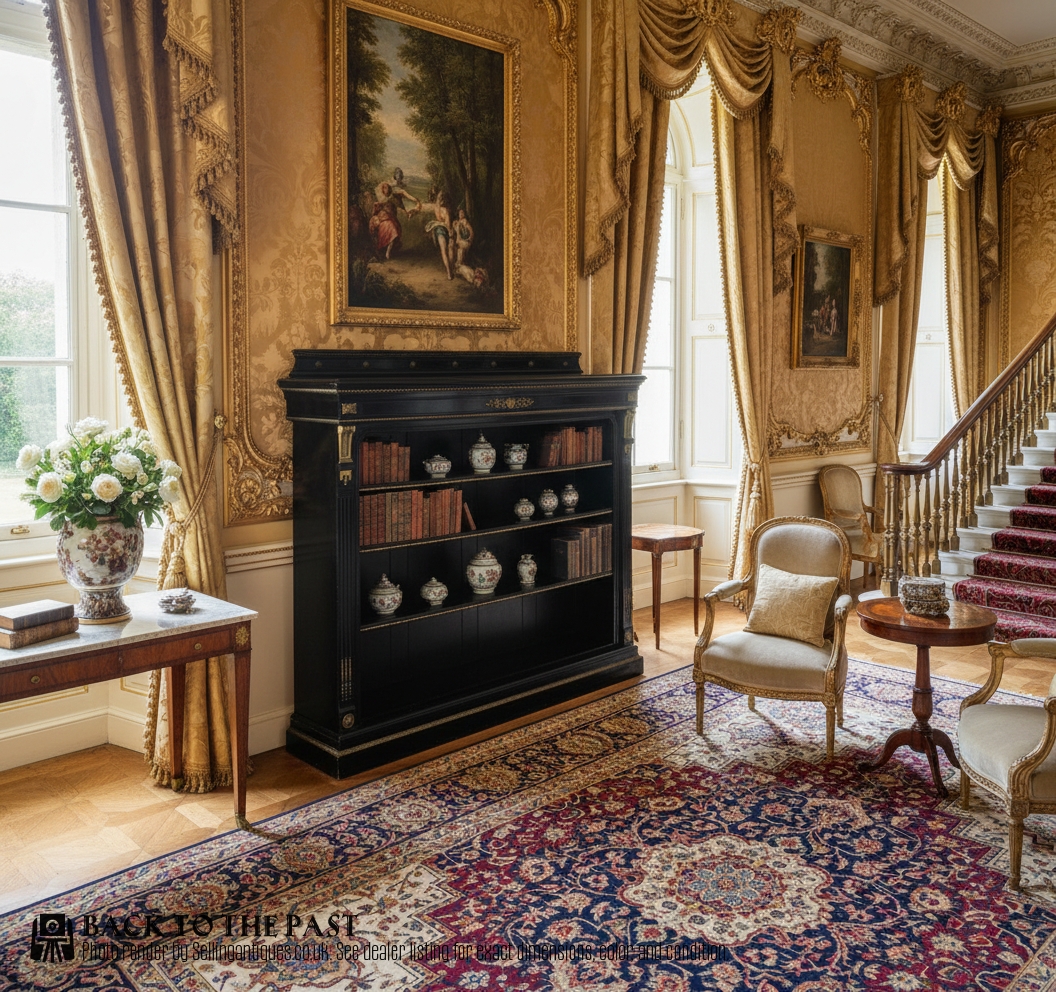
The dark, neutral finish of ebonised timber allows brightly coloured book spines and gilt-edged volumes to stand out effectively. Use the open shelves to balance rows of books with ceramic or metallic decorative objects.
Consider the scale of the room, placing dwarf bookcases beneath windows or mounting wall bookcases to preserve floor space.
What periods do these shelves come from?
The listings predominantly feature nineteenth-century items, including Victorian and Napoleon III periods. Gothic Revival and Aesthetic Movement influences also appear frequently among the older pieces.
Later twentieth-century examples from around nineteen-thirty offer simpler, more streamlined interpretations of the ebonised open bookcase form.
Are the shelves adjustable?
Many of the bookcases and shelving units feature adjustable shelves to accommodate books of varying heights. This flexibility is particularly common in nineteenth-century dwarf and breakfront bookcases.
Buyers should inspect the individual listing details to confirm whether a specific cabinet includes movable shelf supports.