


Brass Mounted Planter
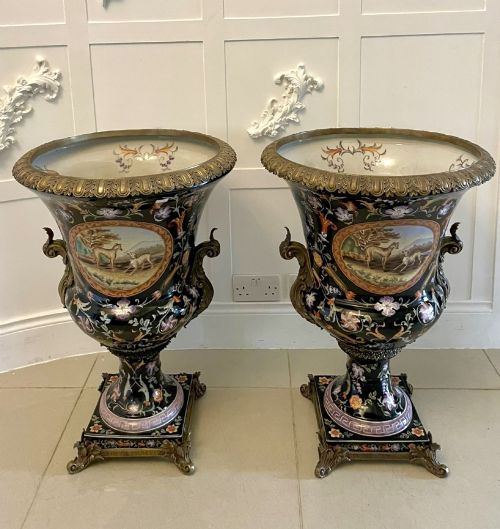
These brass mounted planter vessels bring nineteenth-century planting indoors with timber, metal, and porcelain forms.
Brass Mounted Planter
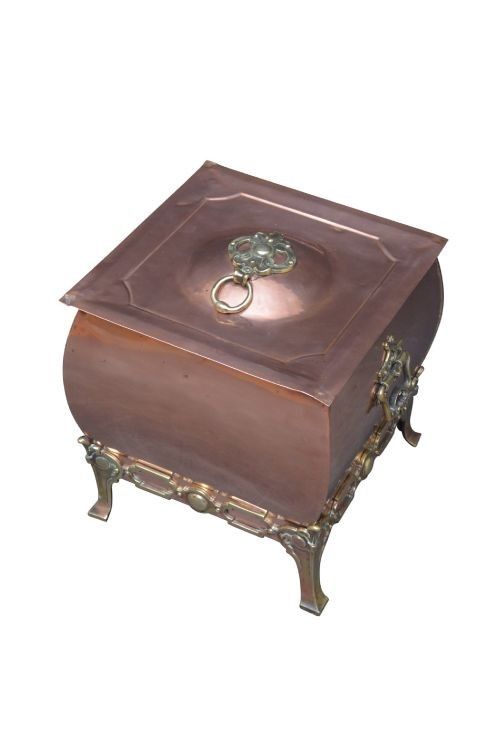
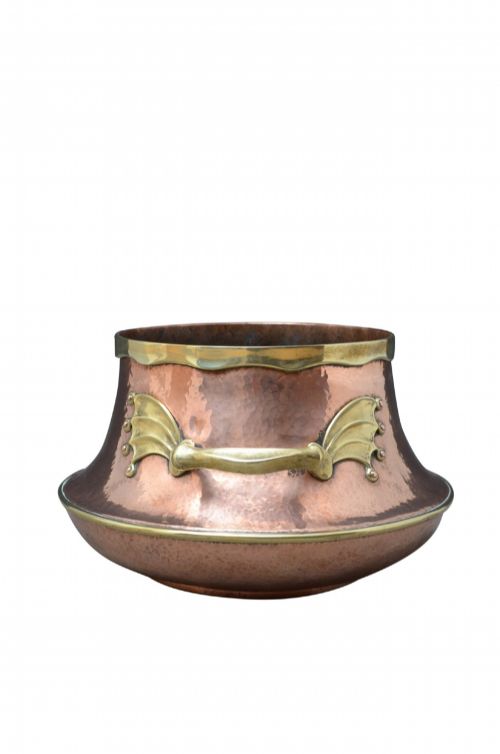
A brass mounted planter takes several forms across nineteenth-century and Edwardian periods, including jardiniere stands, coal scuttles, wine coolers, and table vessels. The pieces designed for plants often feature metal liners or inserts to protect the underlying timber or copper body from moisture.
Makers shaped these items in walnut, mahogany, burr walnut, kingwood, oak, and satinwood, frequently pairing them with brass, ormolu, or copper mounts. French Napoleon III, Louis XV style, Arts and Crafts, and Victorian pieces dominate the forms seen.
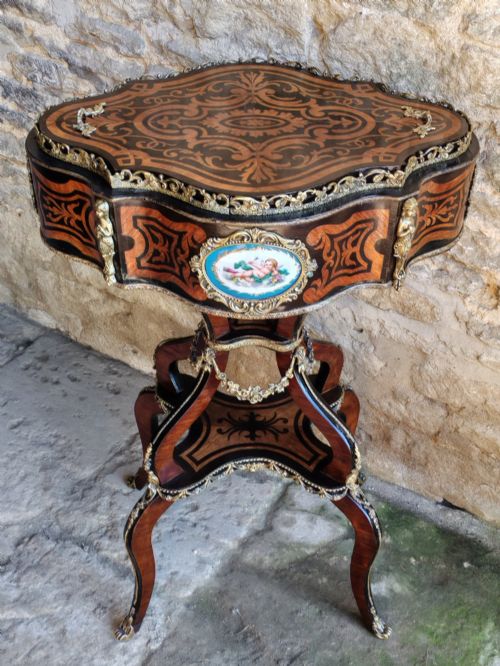
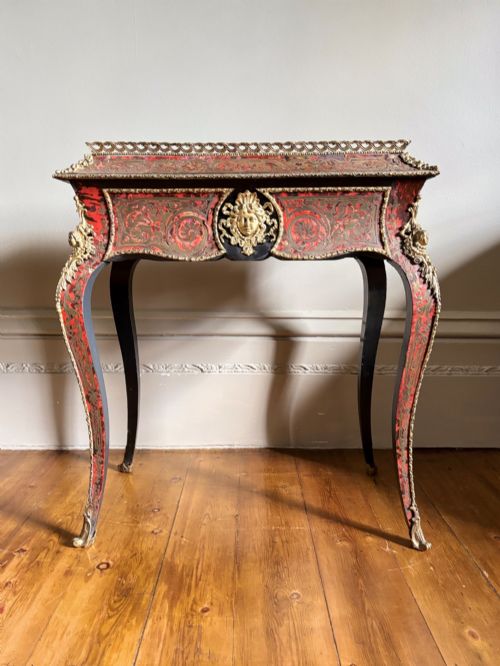
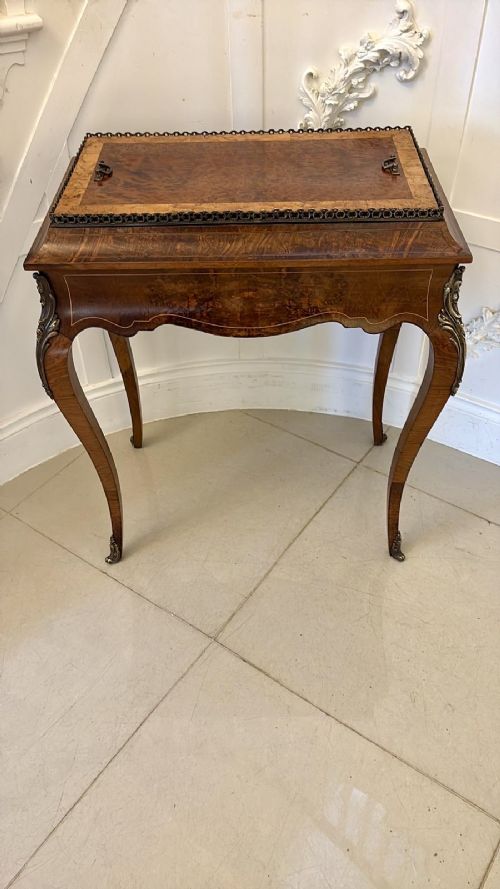
Buyers meet jardiniere tables that combine furniture utility with plant display, alongside floor-standing vessels and smaller occasional pieces. The nineteenth-century examples range from coopered barrels and buckets to marquetry-inlaid stands and porcelain urns.
What varies in quality
The refinement of the timber veneers and the crispness of the brass or ormolu mounts separate standard production from finer work. Marquetry detail and the complexity of the timber grain, particularly in burr walnut and kingwood pieces, dictate the tier of craftsmanship.
The integration of the metal liner and the weight of the cast mounts provide an indication of original workshop standards. Pieces that combine functional furniture design with decorative mounts demonstrate greater ambition than simple utilitarian buckets.
Listings feature nineteenth-century and Edwardian pieces using walnut, mahogany, copper, brass, and porcelain.
The Brass Mounted Planter Glossary
- Jardiniere
- An ornamental pot or stand for holding plants or flowers. These vessels appear in ceramic, copper, and timber forms.
- Ormolu
- Gilt bronze mounts applied to furniture and decorative objects. This technique creates a rich gold-coloured metallic finish.
- Marquetry
- Decorative veneer work forming pictures or patterns using various coloured woods. Craftsmen applied this to walnut and mahogany table surfaces.
- Coopered
- Constructed from wooden staves bound together by metal hoops. This technique is typical of barrels and buckets.
- Boulle
- A style of marquetry using brass and tortoiseshell inlay. It appears on French nineteenth-century stands.
Brass Mounted Planter: Frequently Asked Questions
What is a jardiniere table?
A jardiniere table combines a standard occasional table surface with an integrated plant well or metal-lined insert. These pieces served dual purposes in Victorian and Edwardian interiors.
They allowed homeowners to display indoor plants at standing height while retaining usable tabletop space for other domestic items.
How do I use an antique planter today?
These vessels accommodate potted plants provided you use a suitable inner plastic pot or waterproof liner to protect the historic wood and metal. Placing a saucer inside prevents moisture from contacting the base.
They also function as waste bins, umbrella stands, or wine coolers depending on their original depth and construction.
How do I tell Victorian from Edwardian pieces?
Victorian examples often showcase heavy walnut, burr walnut veneers, and robust brass mounts or coopered construction. Edwardian pieces frequently lean towards lighter mahogany frames and revival styles like Empire Revival.
Stylistic cues such as marquetry inlay point towards nineteenth-century craftsmanship, while cleaner lines often suggest later Edwardian production.