
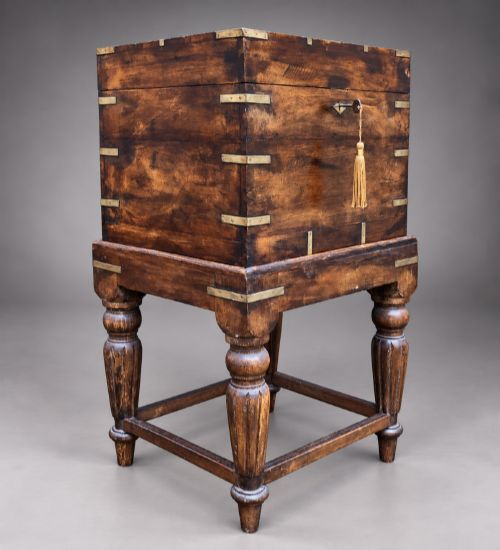
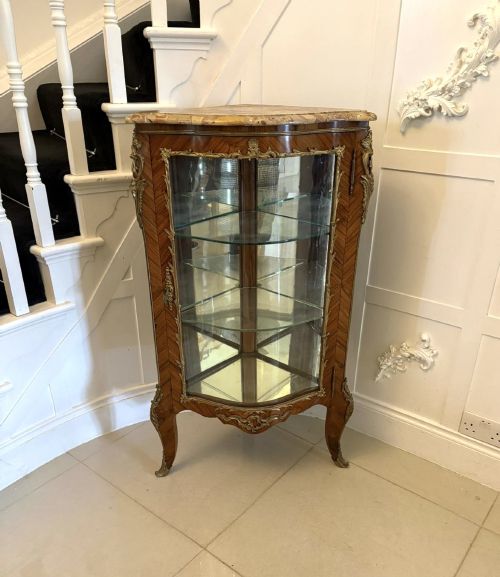
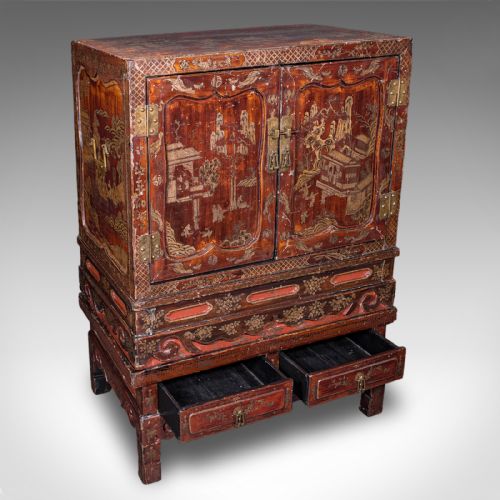
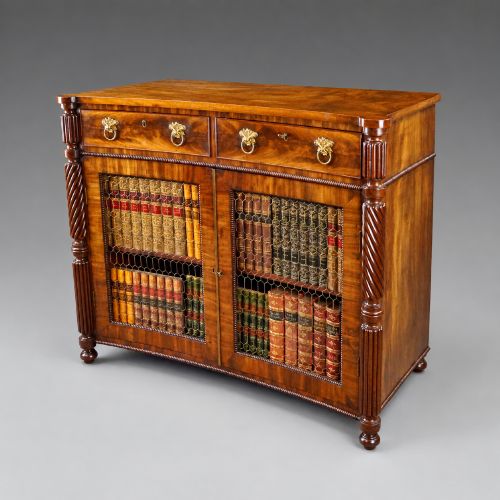

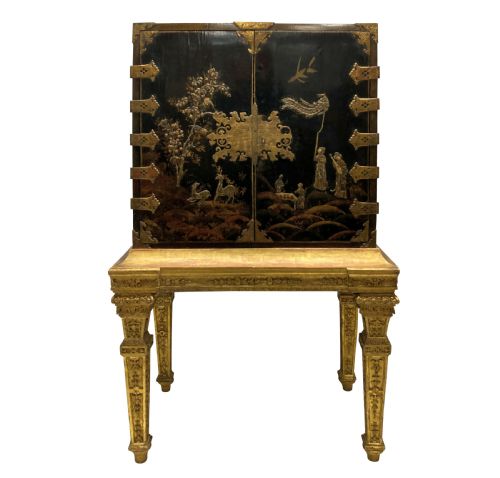
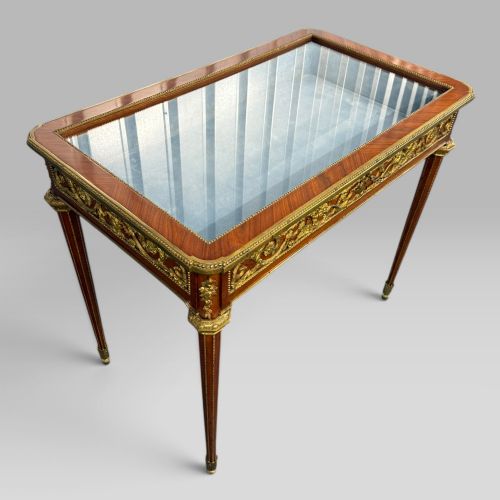
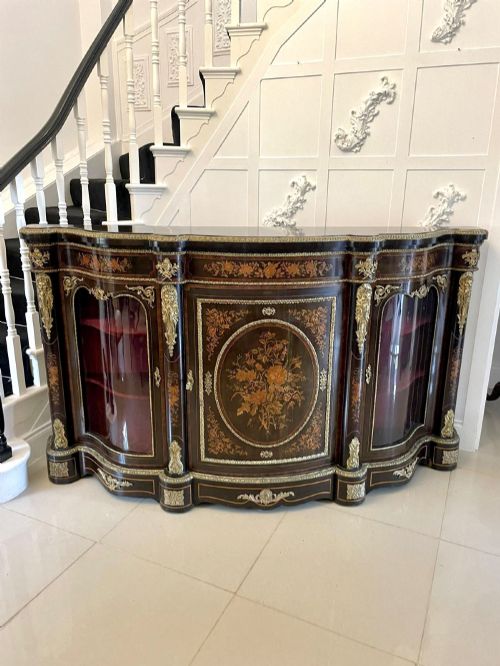
Brass Mount Cabinet
A brass mount cabinet combines functional timber storage with polished metal enrichment, spanning centuries of decorative furniture design.
Brass Mount Cabinet
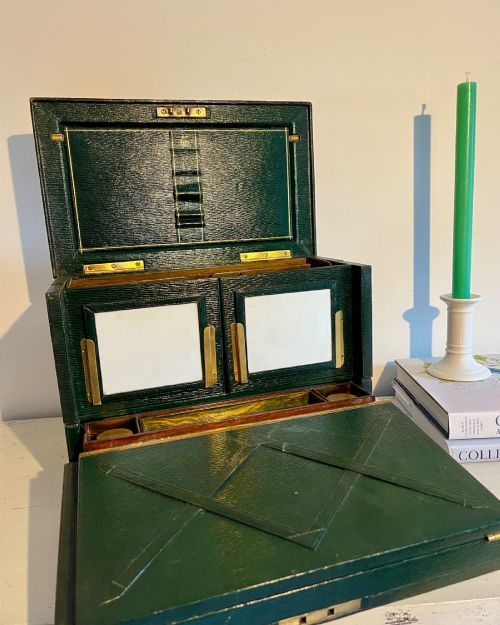
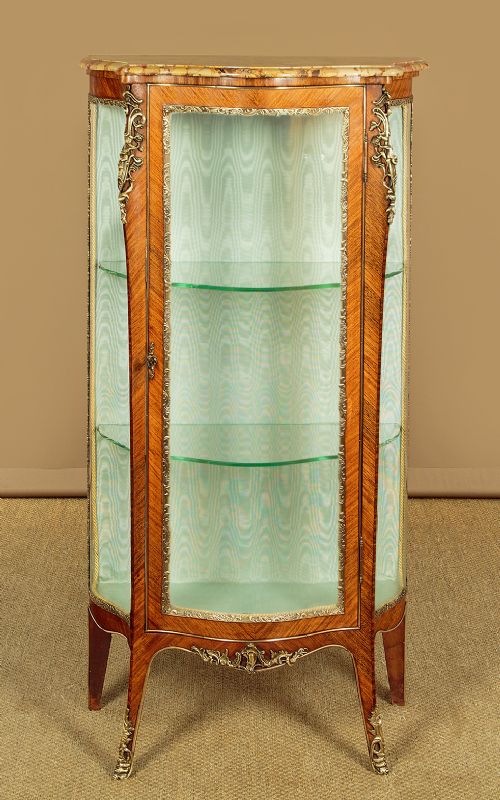
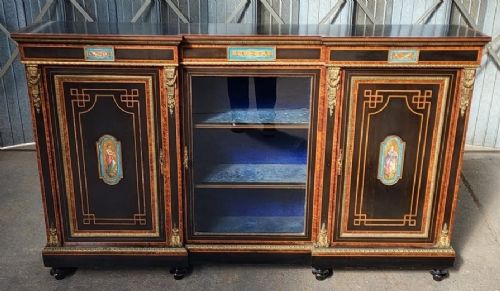
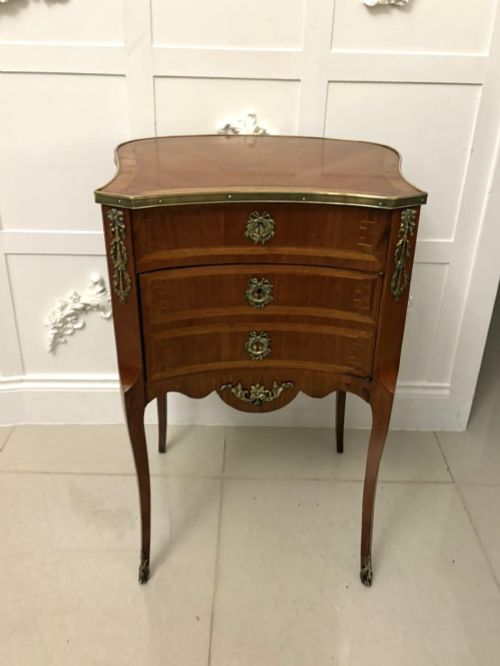
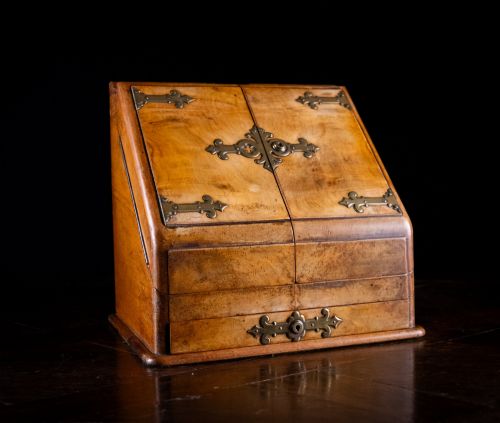
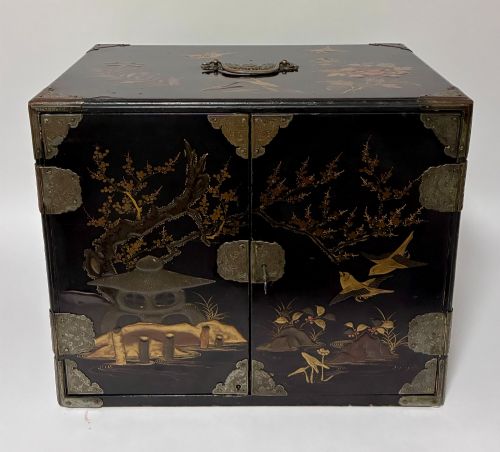
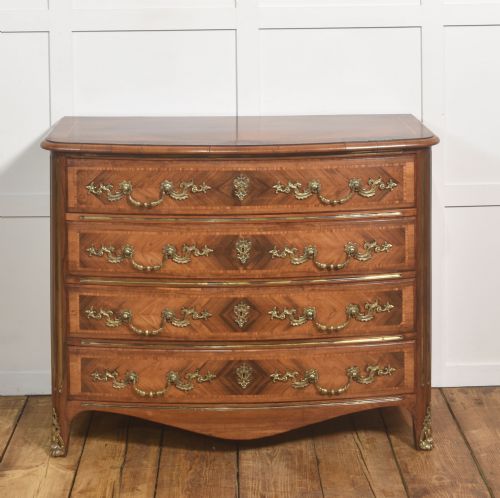
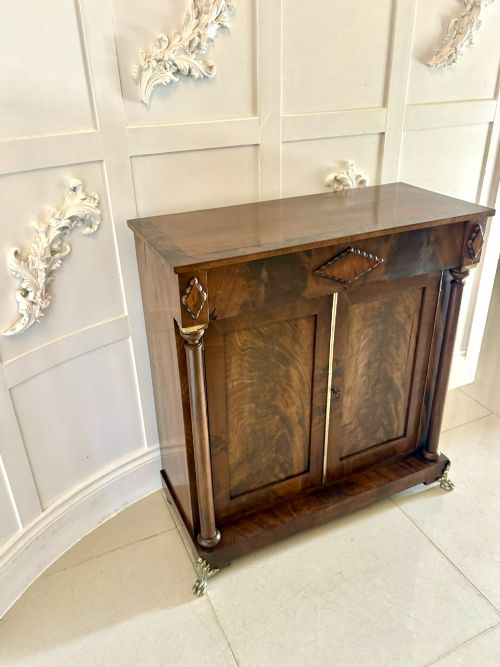
When searching for a brass mount cabinet, collectors encounter diverse forms including large bookcases, side cabinets, display vitrines, and compact tabletop stationery boxes. The selection ranges from nineteenth-century Victorian ebonised pieces and Regency rosewood chiffoniers to French Louis XV and XVI style commodes.
The material vocabulary of these pieces incorporates solid and veneered hardwoods such as mahogany, walnut, rosewood, and oak, frequently embellished with cast brass mounts, ormolu, and occasionally marble tops. These items served varied domestic functions, from exhibiting precious objects and storing books to holding stationery and serving drinks.
Originating across British, continental European, and Asian workshops, the inventory spans the seventeenth to the twentieth centuries. Buyers are most likely to meet nineteenth-century Victorian and Edwardian iterations alongside continental pieces reflecting French revival styles.
How They Were Made
Cabinet makers utilised dense timber carcases of mahogany, walnut, rosewood, and oak, frequently applying intricate veneers such as kingwood, amboyna, and marquetry patterns. Metal enrichment involved casting and chasing brass mounts, sometimes fire-gilded as ormolu, to edge doors, frame panels, and cap feet.
Construction techniques required precise joinery to house heavy glass panes in display cabinets and vitrines, alongside fitted interiors for stationery boxes and cocktail cabinets. Structural stability for large breakfront bookcases and credenzas depended on expert timber seasoning to prevent warping across broad expanses.
Some nineteenth-century stationery cabinets double as secret writing desks, hiding miniature inkwells behind brass-bound doors.
What Varies in Quality
The standard of a brass mount cabinet is determined by the crispness of the metal casting and the precision with which the mounts are fitted flush into the timber surface. Superior examples exhibit finely chased details in the brasswork and harmonious grain selection in the underlying veneers.
Internal execution distinguishes finer items, seen in dovetailed drawer construction, original locking mechanisms, and intact glass or mirrored linings. The integration of high-grade supplementary materials, such as genuine marble tops and elaborate marquetry, elevates the stature of the piece.
François Linke·Henry Dasson·Louis Constantin Le Gaigneur·Andre Arbus
The Brass Mount Cabinet Glossary
- Ormolu
- Gilt-bronze or brass cast and finished to resemble solid gold, frequently applied to furniture mounts in French and English revival designs.
- Credenza
- A sideboard or display cabinet originating in Italy and popular in Victorian interiors for storing and exhibiting dining ware.
- Vitrine
- A glass-fronted display cabinet designed for showcasing porcelain, curiosities, and small collectibles.
- Marquetry
- Decorative veneer work forming pictorial or geometric patterns using various coloured woods, shells, or ivories.
- Boulle
- A form of marquetry employing brass and tortoiseshell inlay, popularised during the reign of Louis XIV and revived in later centuries.
Brass Mount Cabinet: Frequently Asked Questions
What is a brass mount cabinet used for?
These cabinets served various domestic purposes depending on their size and internal configuration. Smaller tabletop versions accommodated stationery and writing materials, while larger floor-standing units functioned as bookcases, display vitrines, or sideboards.
Over time, specialised variations emerged for holding cigars, spirits, or fine porcelain collections. Their enclosed shelving protected valued items from dust while displaying them within formal reception rooms.
How do I date a brass mount cabinet?
Dating relies on observing the prevailing architectural styles, timber choices, and construction methods characteristic of different periods. Eighteenth and nineteenth-century pieces often display hand-cut dovetails and specific revival motifs corresponding to Victorian, Regency, or Louis XV aesthetics.
Examining the fixings, screw types, and the method of casting the brass mounts provides further chronological indicators. Comparing the carcass construction against documented regional workshops helps narrow down the production era.
Are brass mounts original to the cabinet?
Determining originality involves inspecting how the metal interacts with the surrounding timber recess. Authentic mounts typically show uniform age patination, wear patterns consistent with the rest of the piece, and screw fixings appropriate to the period.
Replacement mounts often leave older screw holes visible beneath the brass or exhibit mismatched casting quality. The surrounding wood should show natural indentation where the mount has pressed into the grain over decades.
How should I care for timber and brass?
Maintaining these surfaces requires gentle cleaning using soft, dry cloths to remove dust without abrasive polishes. Wax polish applied sparingly preserves the finish of dense hardwoods like mahogany and rosewood.
Brass mounts should be cleaned cautiously to avoid rubbing harsh chemicals into the surrounding wood veneers. Keeping the furniture away from direct sunlight and excessive humidity prevents timber splitting and metal tarnishing.