
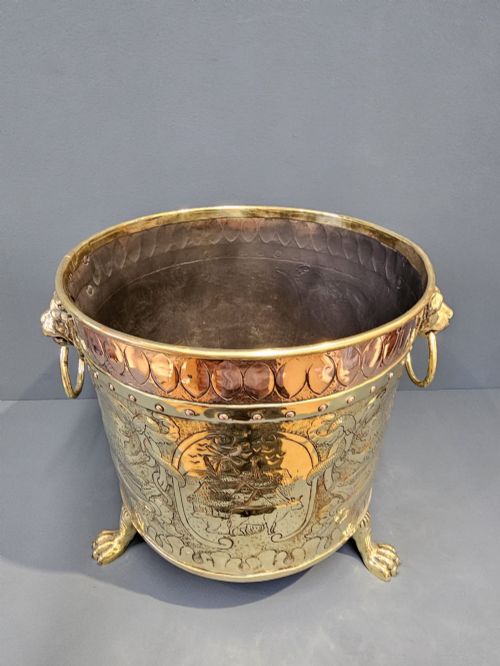
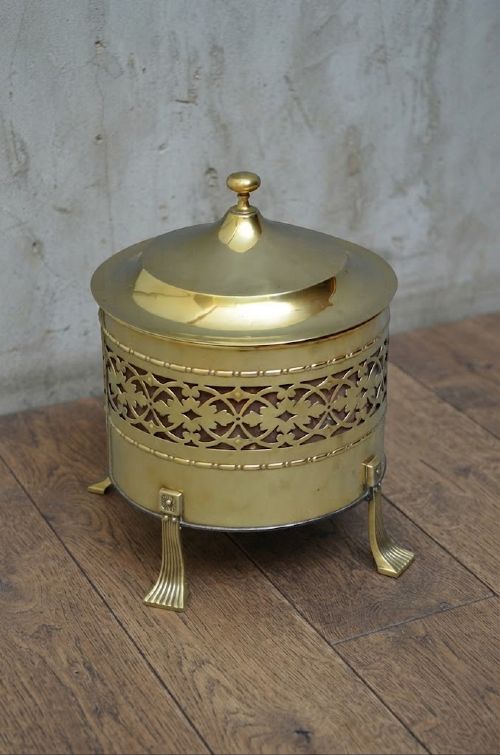
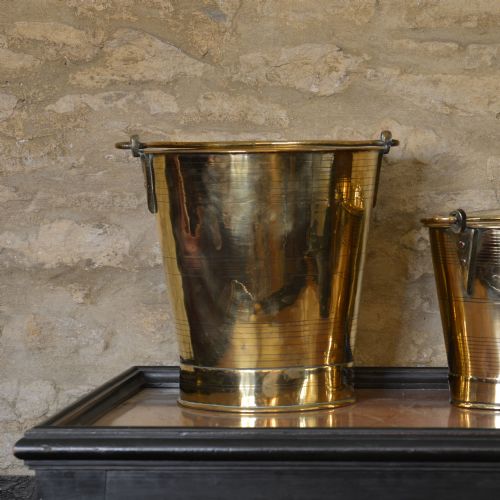
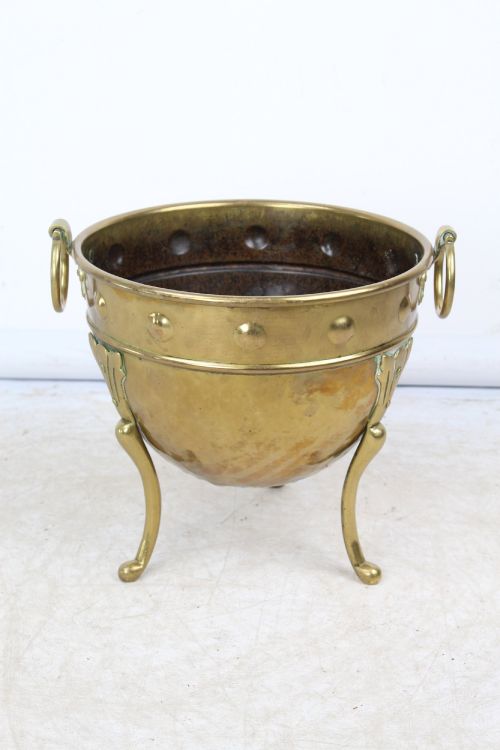

Brass Log Holder
These brass log holder pieces bring polish and function to the hearth, offering sturdy containment for fireside fuel across Victorian and Edwardian periods.

What brass log holder pieces are
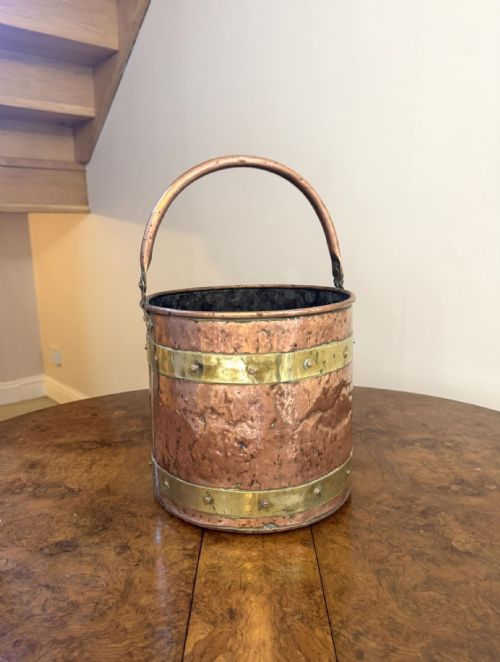
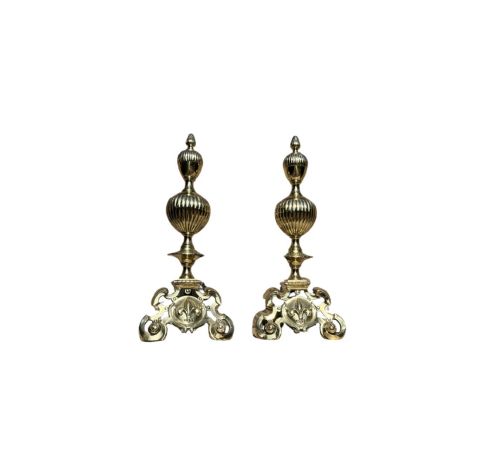
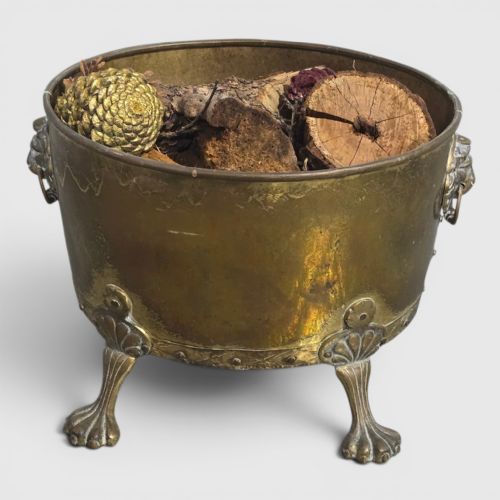
When you search for brass log holder, you find functional fireside accessories designed to store fuel near the hearth. The selection spans Victorian and Edwardian periods, including pieces from 1860, 1880, 19th Century, and 1900.
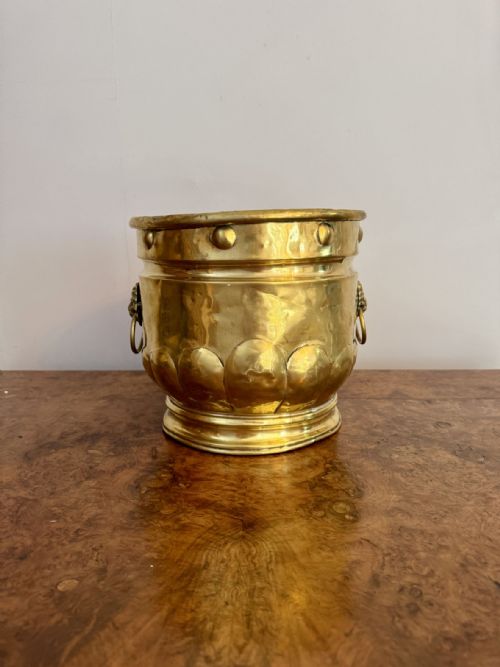
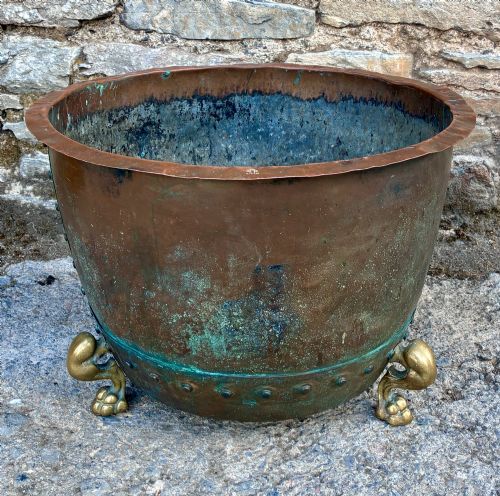
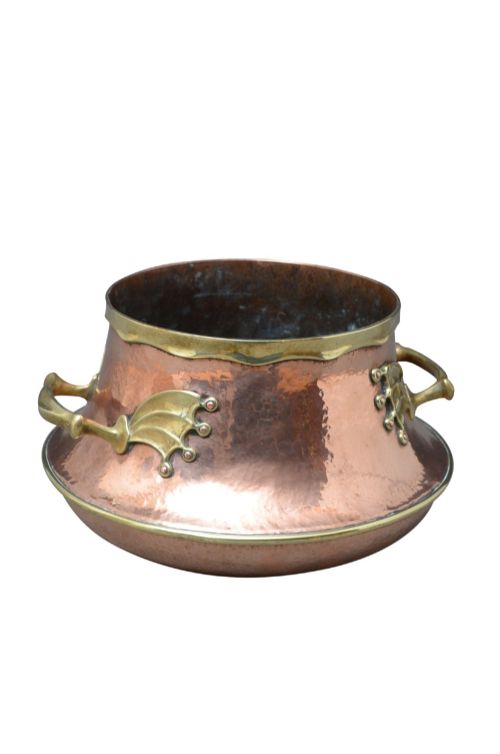
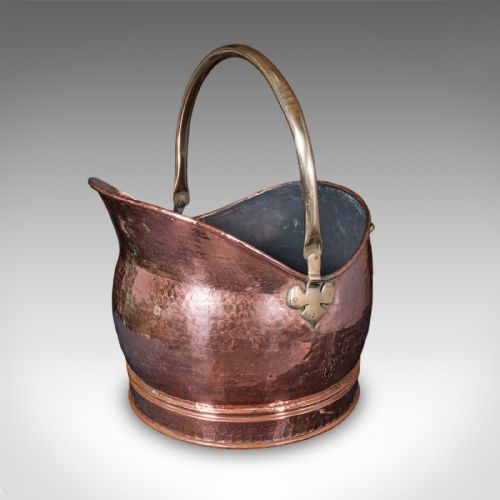
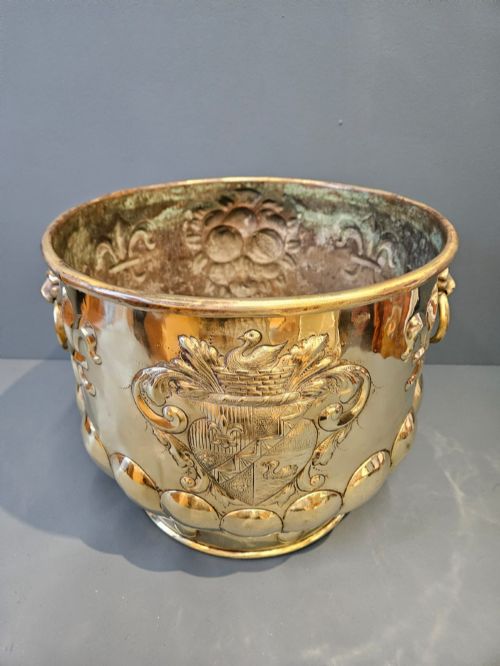
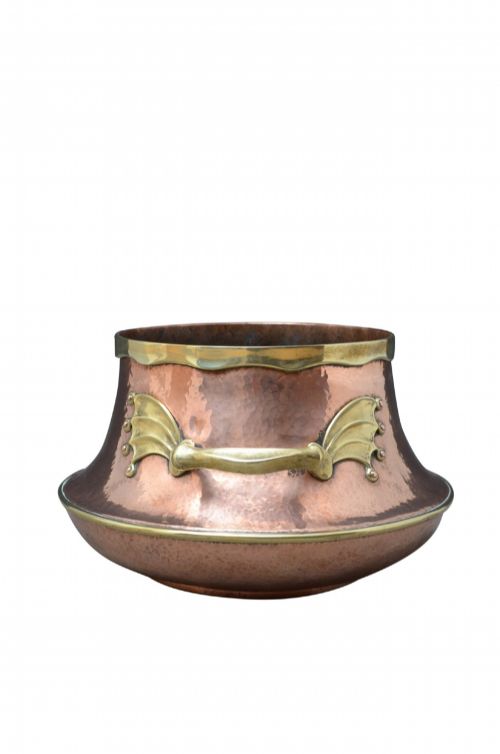
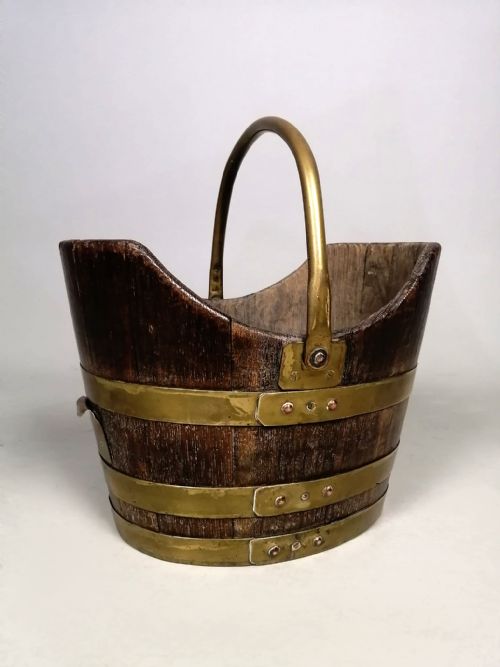
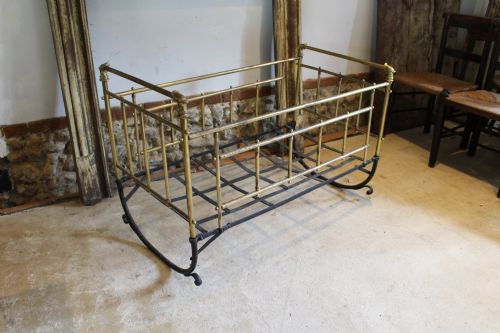
Forms include coal scuttles, coal bins, buckets, and stick holders. Certain items double as planters or rocking cots and cribs, while others feature decorative fretwork and embossing.
How they were made
Construction relies primarily on brass, paired with wood, copper, and wrought iron for structural support and contrast. Makers employed sheet metal manipulation alongside embossed and pierced fretwork techniques.
Surface finishing involved polishing the brass to a bright sheen, highlighting the warm metallic tones characteristic of Victorian and Edwardian metalwork.
Retail Price Guide 2026
Typical UK retail prices for brass log holder, calculated from the Sellingantiques database of over a million retail prices indexed since 2003. This retail price guide relies exclusively on Sellingantiques data; no external sources or auction records are used, so the figures do not describe the wider market.
The inventory combines brass with copper, wood, and wrought iron across Victorian, Edwardian, and Arts and Crafts styles.
What varies in quality
Quality rests in the weight of the metal and the crispness of any embossed or pierced detailing. Simpler utilitarian buckets contrast with refined Arts and Crafts bins that bear maker attributions and intricate fretwork.
The integrity of secondary materials, such as wooden handles and iron fixings, determines how well a piece survived heavy daily use beside the fireplace.
The Brass Log Holder Glossary
- Coal Scuttle
- A container designed for carrying and storing coal by the fireplace. These often feature pivoting handles and sloped bodies for easy pouring.
- Arts and Crafts
- A design movement favouring handcrafted goods and honest materials. Pieces from this style often display deliberate hand-hammered textures or stylised motifs.
- Fretwork
- Ornamental openwork created by piercing or cutting patterns into sheet metal. This technique lightens heavy surfaces and adds decorative shadow.
- Embossing
- A stamping or hammering technique that raises relief designs from the reverse side of the metal. This adds tactile depth to the body of a bin.
Frequently Asked Questions
How do I date a brass log holder?
Dating relies on stylistic clues and construction methods found in the metalwork. Victorian examples often show heavier gauge brass and distinct aesthetic movement or Arts and Crafts influences.
Edwardian pieces tend towards lighter proportions and refined fretwork designs. Comparing the handle fixtures and fastening types helps narrow the decade of manufacture.
Can these hold actual logs?
These vessels were originally designed to hold coal, kindling, or logs for the hearth. Their solid brass and iron construction handles the weight of firewood easily.
Placing logs inside adds practical fireside utility alongside traditional room decoration. Ensure the interior is dry before storing wood to protect the metal.
What is the difference between a coal scuttle and a log bin?
Coal scuttles usually feature a scooped shape and a top handle intended for carrying fuel directly to the grate. They are often smaller and built for active transport.
Log bins are generally wider cylindrical vessels meant to sit stationary by the hearth as static storage. Both fall under the broader category of fireside accessories.
How should I clean polished brass?
Regular dusting with a soft cloth keeps surface grit from scratching the polished finish. Avoid harsh abrasive cleaners that strip the historic character of older pieces.
Gentle soap and water suffice for routine care, preserving the natural patina accumulated over the nineteenth and twentieth centuries.