


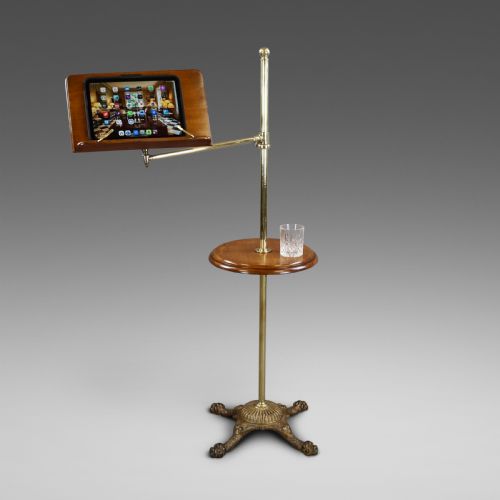


Brass Library Stand
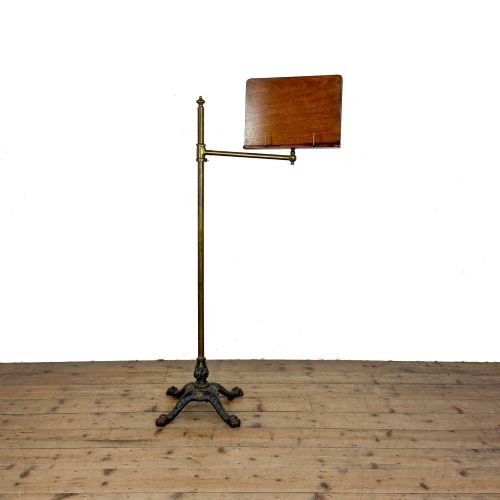
A brass library stand brings steady utility and polished metal work to a room, holding heavy volumes or optical instruments with absolute poise.
Brass Library Stand
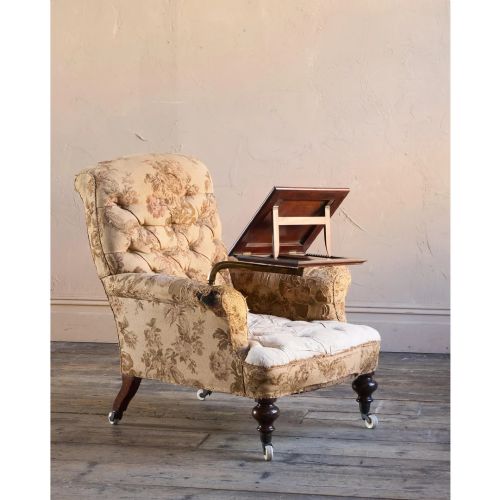
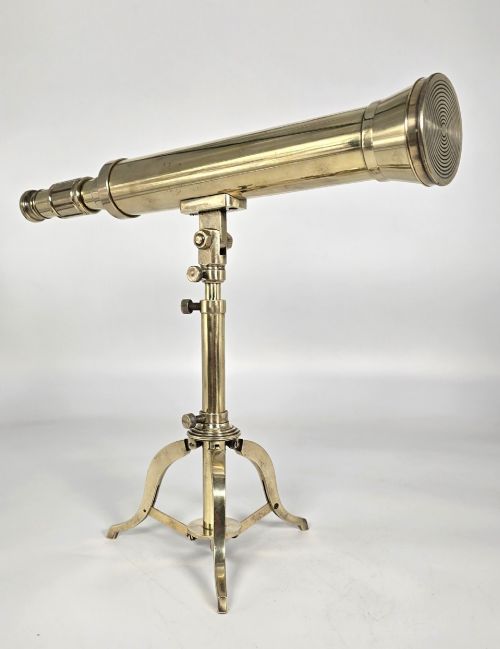
A brass library stand encompasses reading furniture, optical equipment on folding tripod bases, and reading tables originating from the eighteenth, nineteenth, and early twentieth centuries. These pieces reflect the functional needs of historic studies, where adjustable book holders, magnifying glasses, and telescopes required sturdy metal and timber support.
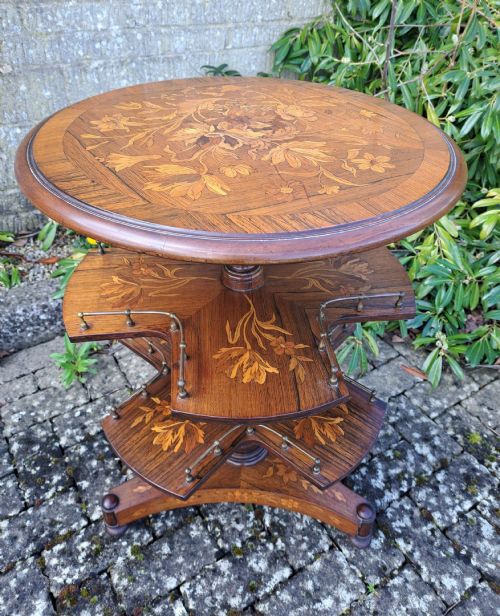
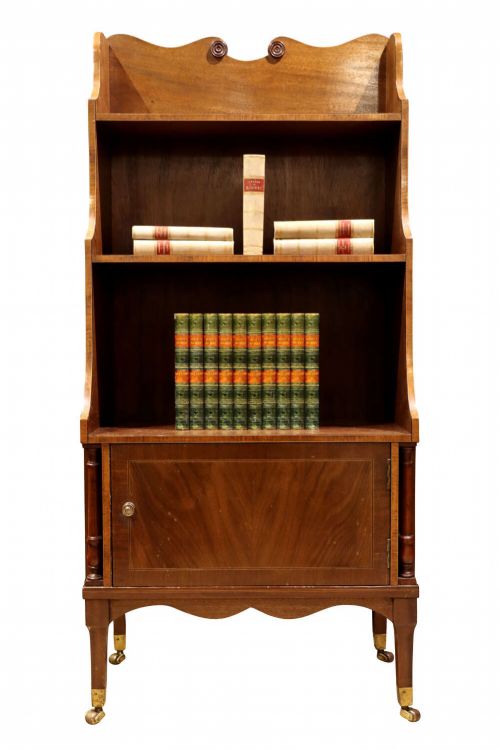
The nineteenth century yields the highest proportion of these items, particularly Victorian examples featuring adjustable reading mechanisms and heavy metal mountings. Alongside dedicated stands, buyers encounter related library furniture including mahogany bookcases, walnut book holders, and revolving tables fitted with brass details.
Materials and construction
Constructed primarily from polished brass, cast iron, and timber varieties such as mahogany, rosewood, and oak, these pieces rely on solid joinery and robust metal casting. Telescopes and reading stands utilise extending brass tubes and folding tripods designed for precise adjustment.
Secondary materials such as glass lenses, leather surfaces, and paper globe gores appear alongside cast brass mountings and ormolu. Woodwork incorporates inlay, marquetry, and polished finishes that complement the heavy metal components of the stands.
A sturdy brass stand ensures your heavy volumes remain open without requiring a thumb to hold the page.
Standard and execution
Quality rests in the precision of the moving parts, the weight of the cast brass, and the crispness of any engraved maker inscriptions on optical barrels or desk accessories. Heavier gauges of metal and smoother adjustment mechanisms separate superior examples from standard utility pieces.
The integrity of the timber framing and the original state of secondary elements like glass lenses or paper charts heavily influence the overall standard. Pieces retaining their original folding tripods and unpolished brass patination demonstrate higher desirability.
G & J Cary·J Forest·Malby's·W & T Gilbert·Clarkson·Steward of London·Chadburn Brothers·Matthew Berge·G Adams·Hillum of London
The Brass Library Stand Glossary
- Folio stand
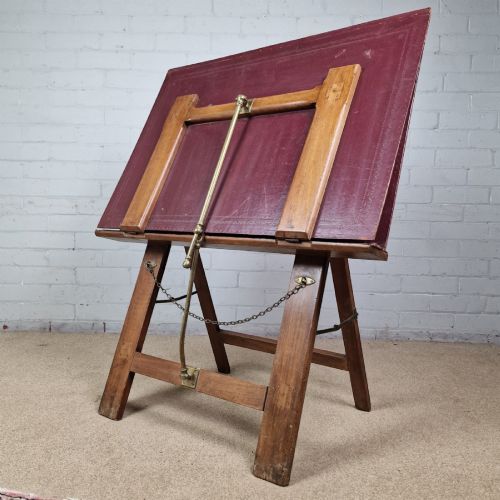
- A large hinged rack designed for holding large books, prints, or maps flat. These items often feature adjustable wooden frames supported by sturdy bases.
- Terrestrial globe
- A spherical map representing the earth, frequently mounted on a brass meridian ring and supported by a wooden or metal stand. These objects date across the eighteenth and nineteenth centuries.
- Ormolu
- Gilded bronze or brass applied as decorative mounts on furniture and desk accessories. This material provides a bright metallic contrast to dark cabinet timbers.
- Telescope
- An optical instrument used for viewing distant objects, often mounted on a folding brass tripod stand for stability. Examples from this category bear maker signatures from London workshops.
Brass Library Stand: Frequently Asked Questions
How do I adjust a brass library stand?
Most stands utilise thumbscrews, sliding brass collars, or ratcheted joints that allow the height and angle to be altered by hand. Care must be taken to support the weight of the book or instrument while loosening the mechanism.
Historic metals can bind over time, so forcing a stuck joint should be avoided in favour of gentle cleaning and appropriate lubrication where permitted.
What materials were used for these stands?
Makers relied heavily on solid brass for extension tubes, tripods, and mountings, paired with dense hardwoods like mahogany, rosewood, and oak for the supporting structures. Iron and glass also appear in optical lenses and weighted bases.
Secondary materials include paper, leather, and occasional marquetry veneers that enhance the visual appeal of the reading furniture.
How do I date an antique library stand?
Dating relies on stylistic clues, construction methods, and engraved signatures left by the original makers or workshops on metal barrels and plates. Regency and Georgian examples display distinct classical proportions, while Victorian pieces often incorporate heavier cast elements.
Archival records and trade directories help link specific makers to active working periods during the eighteenth and nineteenth centuries.
Where were these pieces used historically?
These items belonged in private libraries, studies, and gentlemen's retreats, where they held large volumes, folios, or navigational instruments. Telescopes were positioned near windows overlooking grounds or streets, while reading stands sat beside armchairs.
Their portable nature allowed scholars and readers to adjust their reading materials for optimal lighting throughout the day.