

Brass Jardiniere Pot
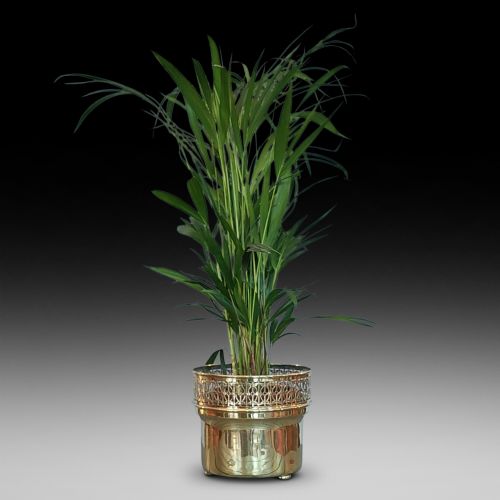
A brass jardiniere pot brings interior greenery to life, offering a sturdy vessel designed to hold potted plants while adding metallic warmth to a room.
Brass Jardiniere Pot
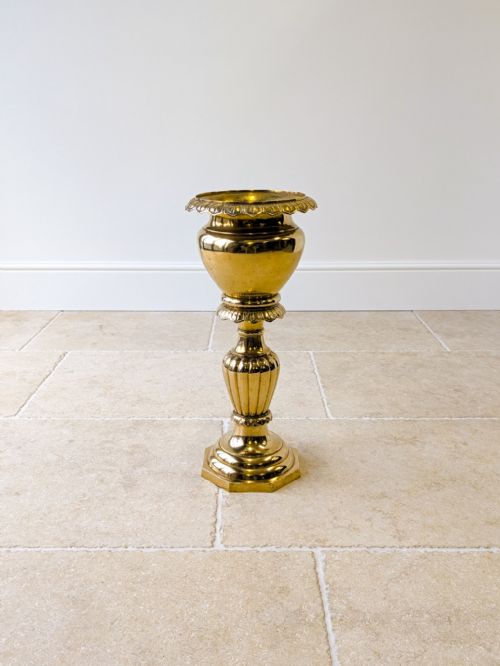
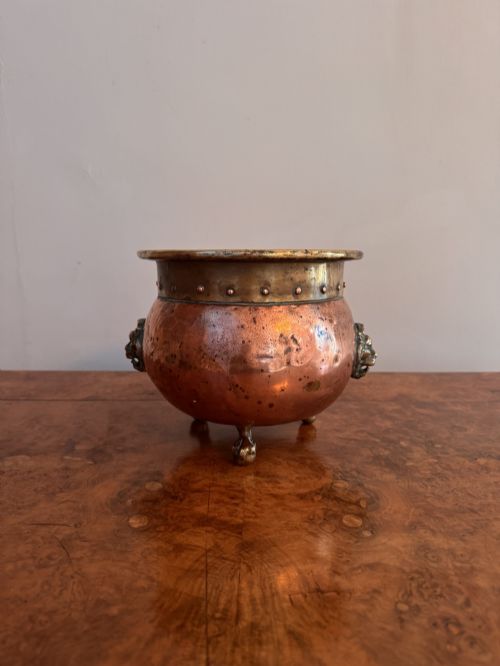
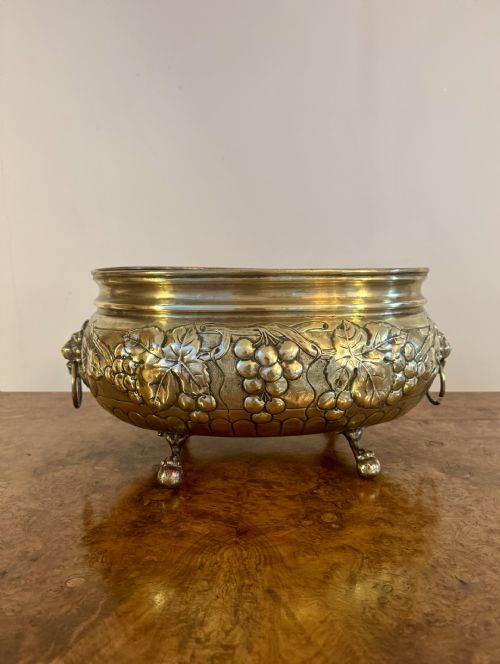
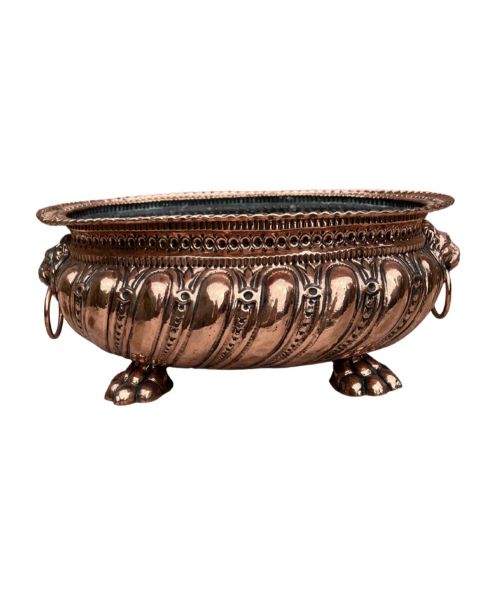
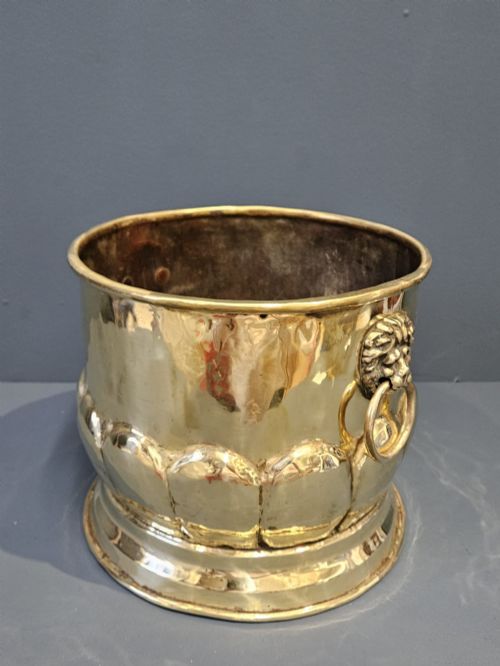
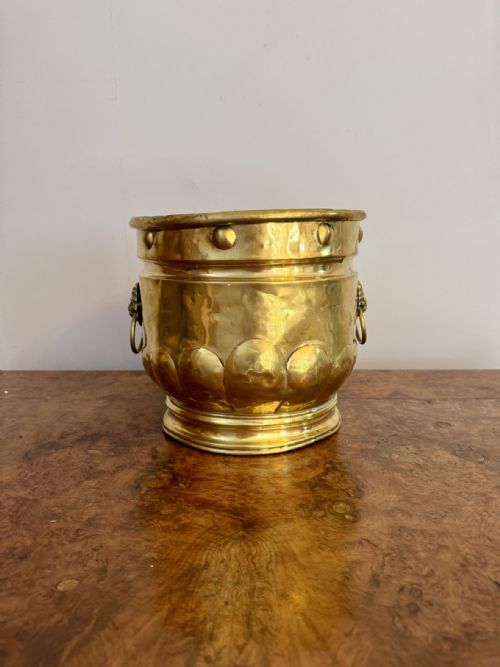
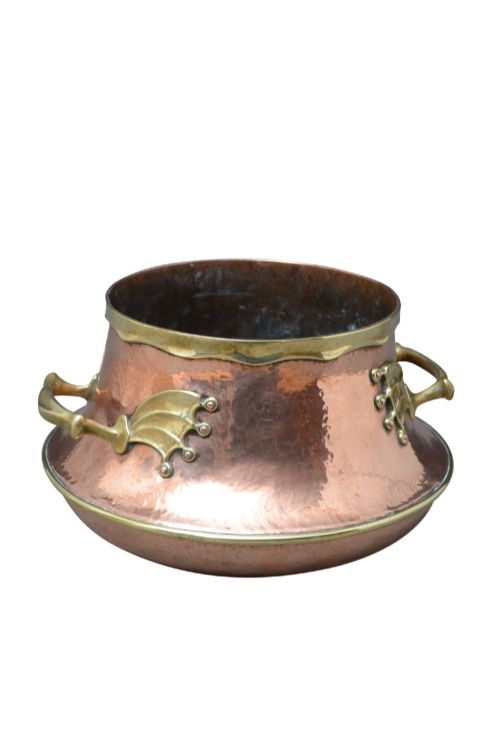
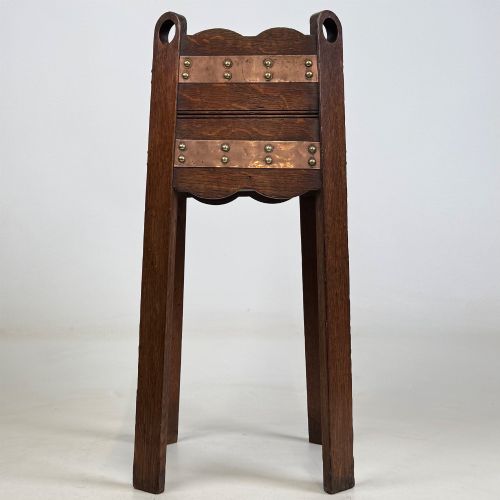
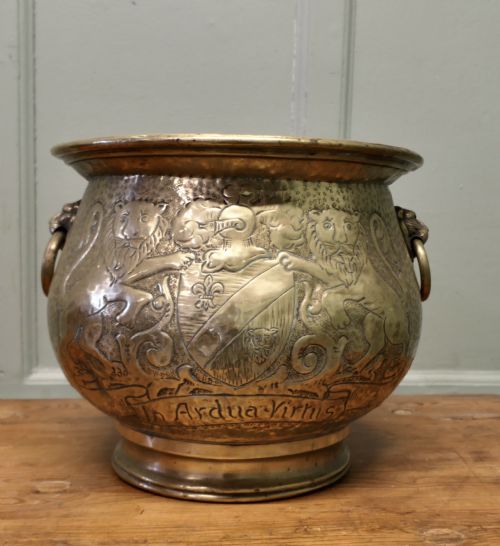
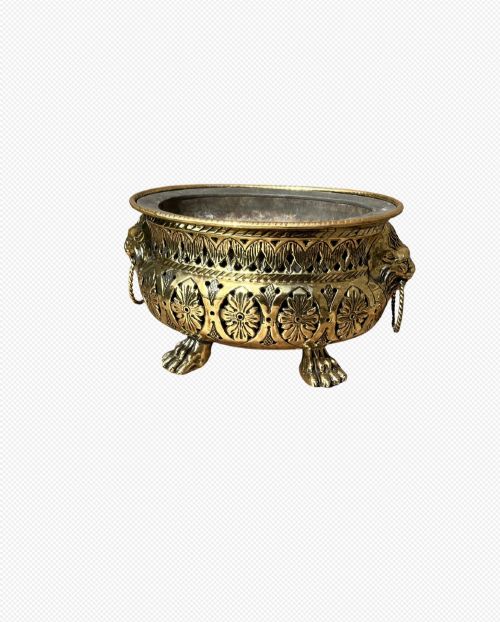
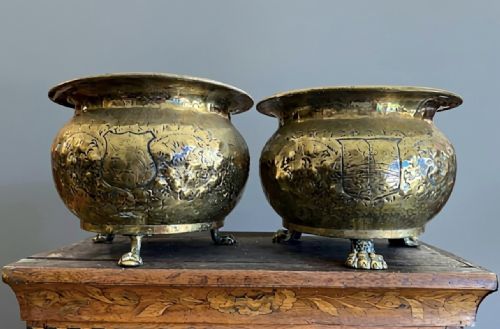
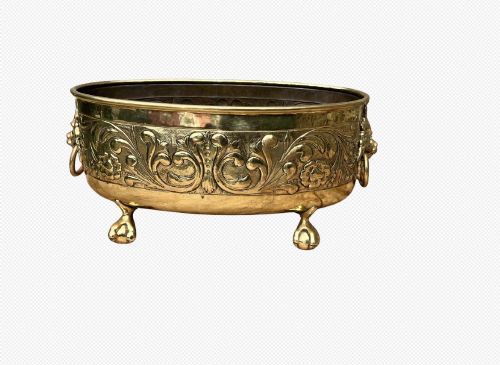
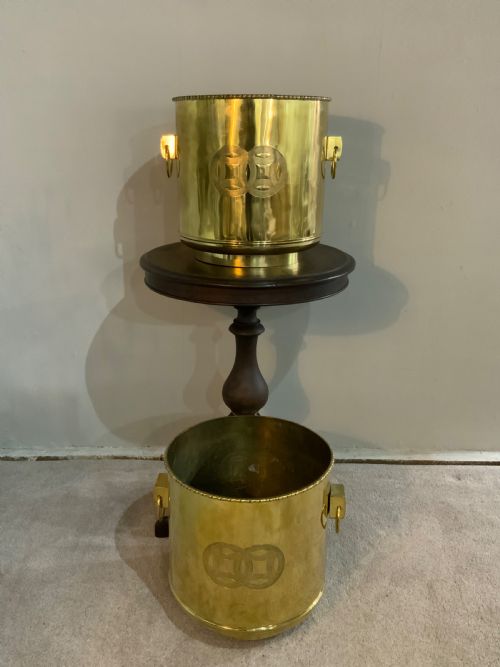
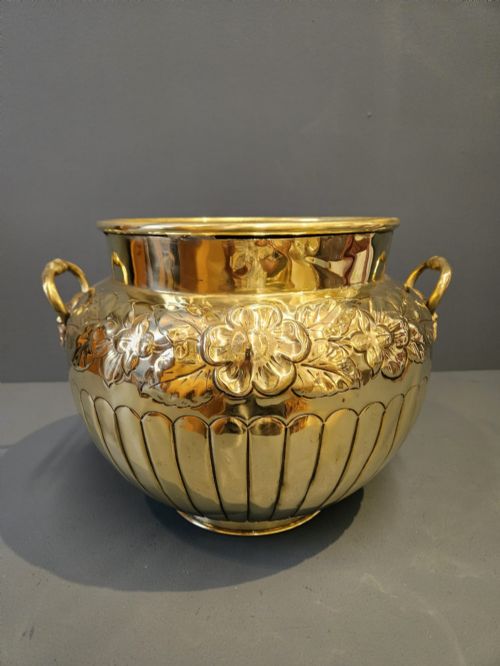
When searching for a brass jardiniere pot, buyers encounter vessels primarily created during the Victorian and Edwardian eras, alongside pieces from the late nineteenth and early twentieth centuries. These plant holders take various forms, from simple cylindrical pots and cachepots to large vessels featuring lion mask handles, crests, or matching stands.
The selections span different geographic origins and design movements, including Dutch coopered examples, Arts and Crafts creations, Art Nouveau pieces, and Gothic Revival designs. Alongside solid brass, the inventory includes mixed-metal compositions pairing brass with copper, bronze, enamel, mahogany, or oak.
Most pieces function as decorative plant receptacles designed to sit on tables, plant stands, or the floor. Certain forms also double as log buckets or wine coolers, reflecting the adaptable nature of these nineteenth-century vessels.
How they were made
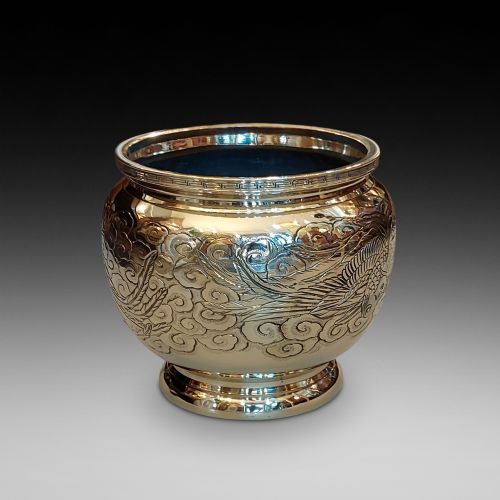
Makers utilised sheet brass and copper, often shaping metal through hammering, piercing, or hand-engraving to produce textured surface patterns. Pierced galleries, chased motifs, and applied crests or shields demonstrate traditional metalworking techniques from the period.
Some examples combine metal with turned timber, utilising oak, mahogany, or teak construction secured with brass bands in the manner of traditional coopered buckets. Bronze casting and champlevé enamel also appear on select oriental and continental vessels.
Brass Jardiniere Pot Retail Price Guide 2026
Typical asking prices for brass jardiniere pot among the pieces listed under this phrase on Sellingantiques today, from the lower quarter to the upper quarter. They describe what is for sale here now, not the wider market.
Several heavy vessels double as Gladstone bags, proving that nineteenth-century metalworkers enjoyed luggage humour just as much as we do.
What varies in quality
Subtlety of detail and heaviness of gauge separate standard vessels from exceptional pieces. Cast elements like lion mask handles or heraldic crests display sharper definition on finer examples.
Integrity of construction matters greatly, particularly in coopered wood-and-brass items where tight stave joints and original stands preserve the piece's structural balance.
J Sankey and Sons
The Brass Jardiniere Pot Glossary
- Jardiniere
- An ornamental pot or stand designed to hold indoor plants or flowers. These vessels often sit upon tables or dedicated floor stands.
- Cachepot
- A decorative outer pot placed over a plain flowerpot to conceal it. The French term translates directly as hide-pot.
- Champleve
- An enamelling technique where recessed areas are gouged into metal and filled with vitreous enamel before firing. It frequently appears on bronze and brass decorative objects.
- Coopered
- Made by assembling tapered wooden staves bound with metal hoops, much like a traditional barrel. This method appears in larger plant tubs and wine coolers.
Brass Jardiniere Pot: Frequently Asked Questions
What is a brass jardiniere pot used for?
These vessels serve primarily as decorative containers to house potted plants and interior foliage. Placing a potted plant inside allows the jardiniere to act as an attractive outer cover.
Historically, larger versions also functioned as log buckets beside fireplaces or as wine coolers for entertaining. Their sturdy metal construction easily accommodated damp soil and heavy contents.
How do I tell Victorian pieces apart?
Victorian examples often display specific stylistic traits such as Gothic revival shields, chased crests, or heavy pierced brass galleries. Examining the weight and the method of construction helps distinguish nineteenth-century work.
Makers of this period frequently utilised hand-hammered finishes and applied brass or copper elements. Comparing handle styles and footed bases provides further clues to dating.
Are these pots waterproof?
Many metal vessels feature soldered or sealed seams designed to contain moisture from watering. However, older coopered wood-and-metal containers may require a separate plastic liner to protect interior surfaces.
Checking the interior base helps determine whether a vessel was constructed purely for dry storage or active planting. Using an inner saucer prevents water from contacting vulnerable historical joints.
Where should I place a jardiniere?
These decorative pots suit tabletops, sideboards, or dedicated plant stands depending on their physical scale. Larger floor-standing vessels work well in empty corners or beside hearths.
Matching the metal tone to existing room hardware helps the piece integrate naturally into an interior scheme. Direct sunlight highlights chased and hammered surface textures effectively.