


Brass Handled Copper Basin
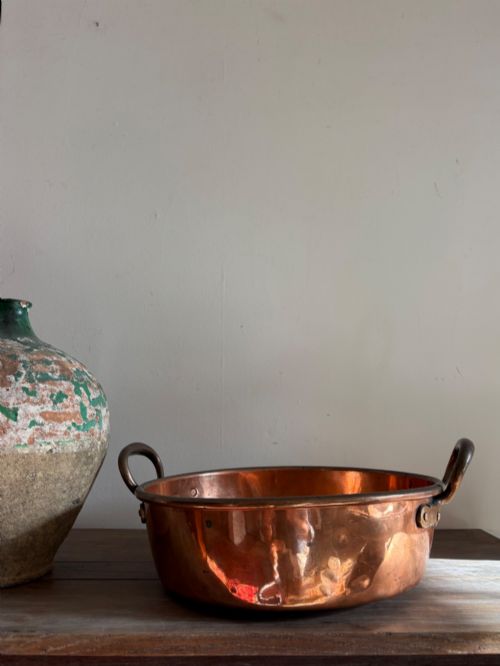
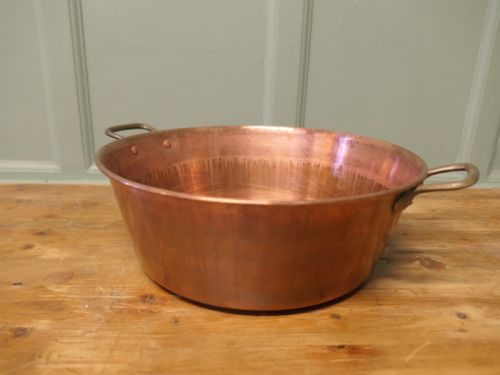
These brass handled copper basin examples bring warmth and functional history to your interior, forged in metal to endure.
Brass Handled Copper Basin
A brass handled copper basin encompasses heavy domestic cookware and display vessels from the Georgian period through the nineteenth century and into the nineteen-thirties. Buyers seeking a brass handled copper basin will find preserve pans, jam pans, roasting dishes, and planters featuring metal handles.
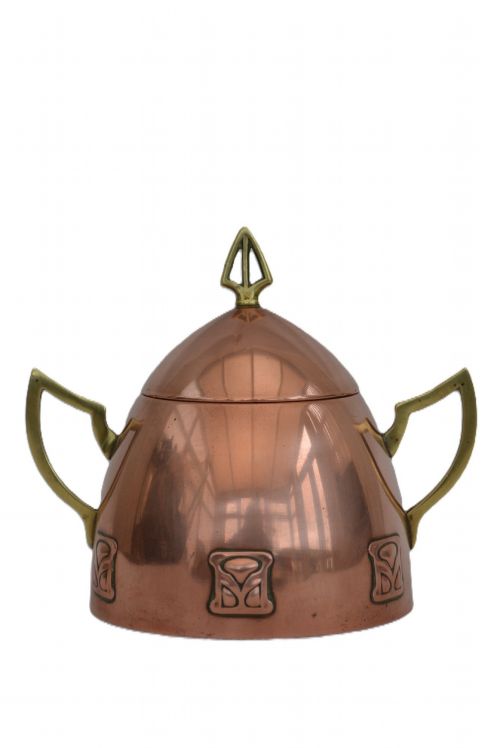
The nineteenth century provides the majority of surviving examples, often fashioned as large preserve kitchen pans or cream setting pans with sturdy metal fittings. Domestic items span utilitarian cookware alongside decorative Art Nouveau and Art Deco planters or cauldrons.
Materials and construction
Construction relies primarily on hammered copper bodies paired with cast brass handles, sometimes incorporating iron, bronze, or tin linings depending on the functional requirement. Certain items utilise dinanderie techniques for decorative surface work during the early twentieth century.
Vessels feature riveted or securely attached handles of brass to lift heavy loads of copper cookware or garden planters. The interplay of warm copper tones with bright brass mounts defines the primary aesthetic of these metal pieces.
Current listings include pieces spanning the Georgian period, the nineteenth century, nineteen hundred, and nineteen-thirties Art Deco.
Assessing quality and finish
Quality rests in the thickness of the metal sheet, the weight of the vessel, and the integrity of the handle attachments. Heavier specimens indicate robust domestic utility from periods like the Georgian era.
Refined surface finishing and embossed detailing distinguish decorative planters and cauldrons from everyday utilitarian cookware. The harmony between the brass mounts and the copper body signals superior craftsmanship.
The Brass Handled Copper Basin Glossary
- Dinanderie
- A term for ornamental brass and copper ware, often associated with Art Deco production. It involves beaten and patinated metal surfaces.
- Preserve pan
- A wide cooking vessel designed for boiling fruit and sugar. These items typically feature generous capacities and sturdy handles for lifting.
- Embossed
- Decorated with raised patterns hammered or pressed into the metal sheet. This technique adds texture to nineteenth-century cooking pots and planters.
- Georgian
- Pertaining to the period from seventeen-thodred to eighteen-thirty. Pieces from this era display early manufacturing characteristics.
Brass Handled Copper Basin: Frequently Asked Questions
What were brass handled copper basins used for?
These vessels served primarily in large kitchens for boiling jams, preserving fruit, and setting cream. Their thermal conductivity made copper ideal for even heat distribution during food preparation.
Over time, many utilitarian pans transition into decorative interior roles as planters, log bins, or cauldrons. Their robust metal construction allows them to hold heavy plants and logs securely in domestic spaces.
How do I date a copper pan?
Dating relies on observing manufacturing marks, handle attachment styles, and the method used to shape the copper body. Georgian and nineteenth-century items often show hand-beaten characteristics distinct from later twentieth-century production.
Stylistic shifts also provide clues, moving from utilitarian kitchen cookware to decorative Art Nouveau and Art Deco forms by nineteen-thirty. Examining the specific alloy mix of the brass handles helps establish the timeline.
Can I use antique copper cookware for cooking today?
Many older pans feature tin linings that may wear down with age and heavy use. Safety depends on inspecting the interior surface before preparing food.
For culinary use, ensure the tin lining remains intact or has been professionally restored. Many buyers prefer to exhibit these pieces purely as decorative home accessories.
How do I clean and maintain copper?
Regular maintenance involves removing dust and applying specialised metal cleaners to preserve the bright finish of the brass and copper. Avoid abrasive materials that might scratch the soft metal surface.
Leaving the metal unpolished allows a natural dark patina to develop over the decades. The choice between a bright polish or a mellow aged look depends on personal preference.