


Brass Handled Coal Scuttle
A brass handled coal scuttle brings hearthside utility into focus, combining robust metal containers with polished fittings for daily fireside fuel storage.
Brass Handled Coal Scuttle
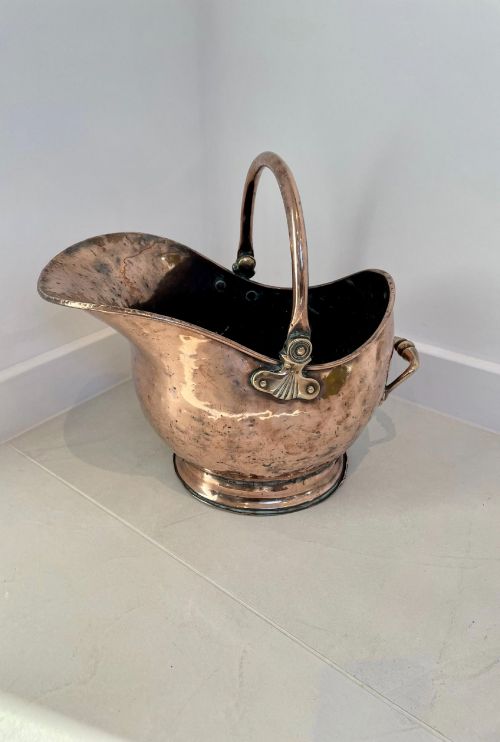
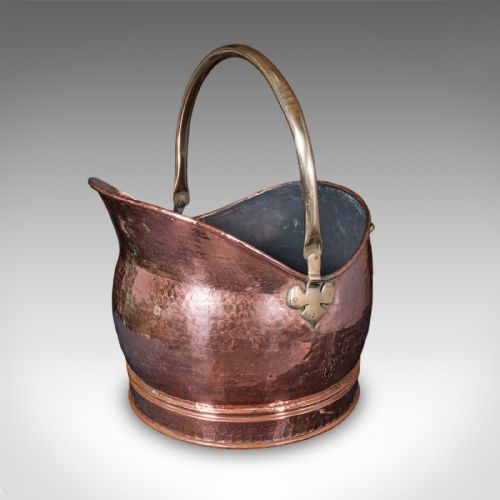
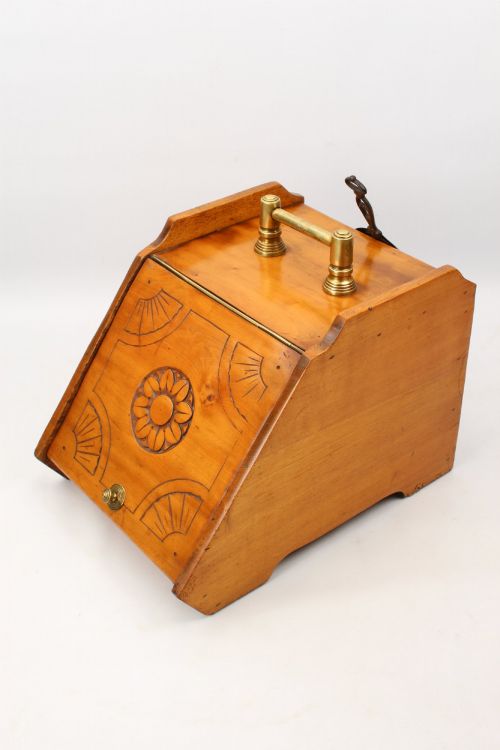
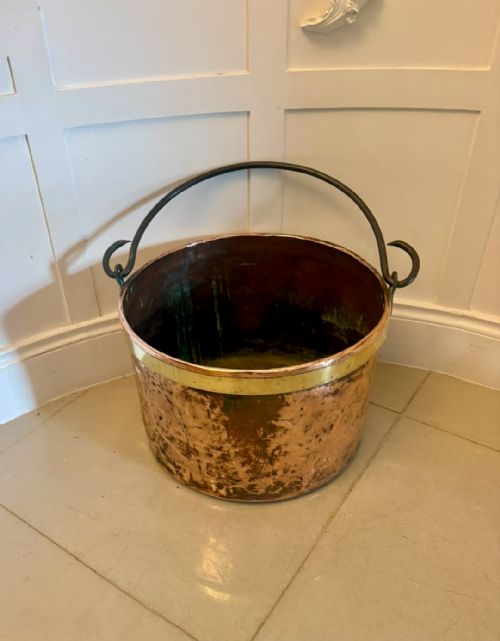
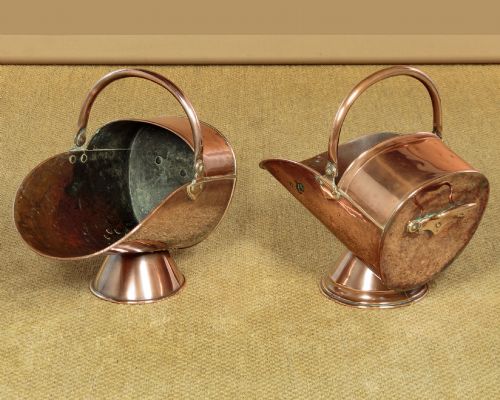
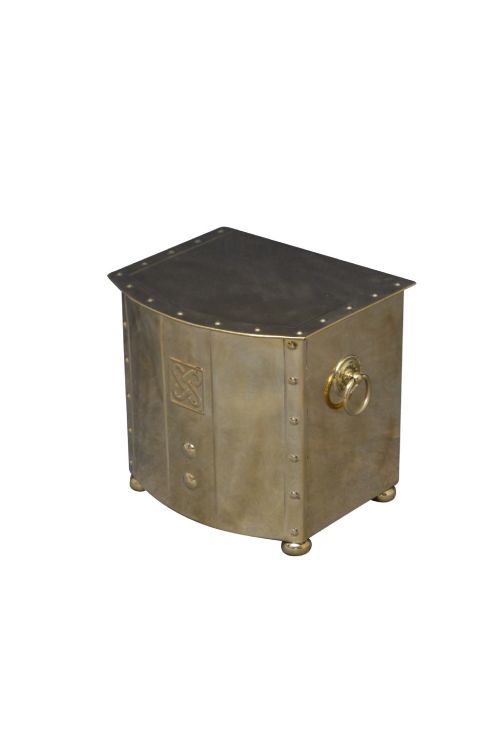
A brass handled coal scuttle serves as a functional fireside container designed to hold solid fuel near an open hearth. These pieces primarily appear in Victorian and nineteenth century forms, encompassing helmet shapes, cylindrical buckets, and lidded boxes.
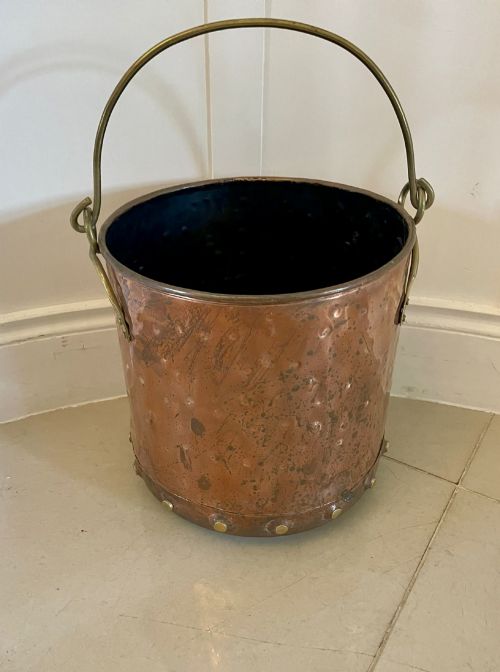
The version most commonly met on this page is the copper body fitted with a substantial brass handle and sometimes matching shovel. Workshops also produced wooden examples in oak, walnut, and mahogany, often incorporating metal linings for practical use.
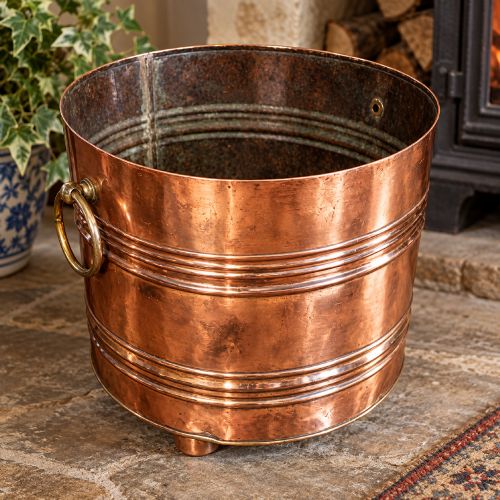
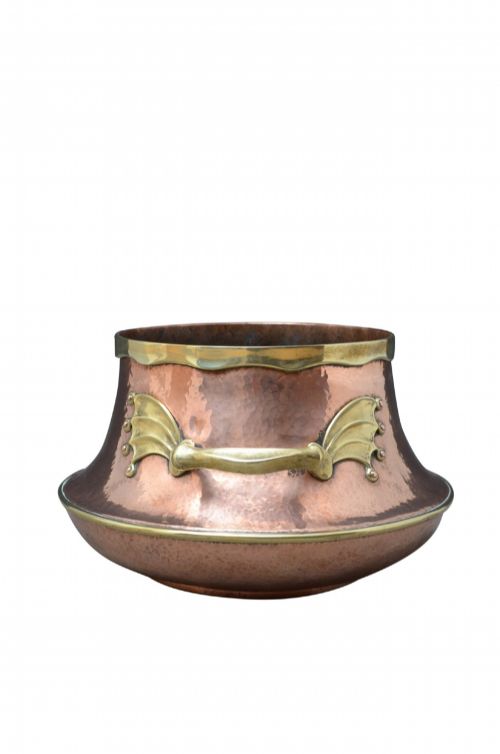
Beyond traditional fuel storage, many surviving vessels function successfully as log bins, planters, or jardinieres within domestic interiors. The range extends from simple utilitarian items to decorative pieces displaying Arts and Crafts or Art Deco styling.
Materials and construction
Sheet copper and brass form the structural basis for the majority of these fireside vessels, joined through hand finishing, riveting, and hammering techniques. Metal bodies frequently feature rolled rims and applied brass mountings secured with heavy fixings.
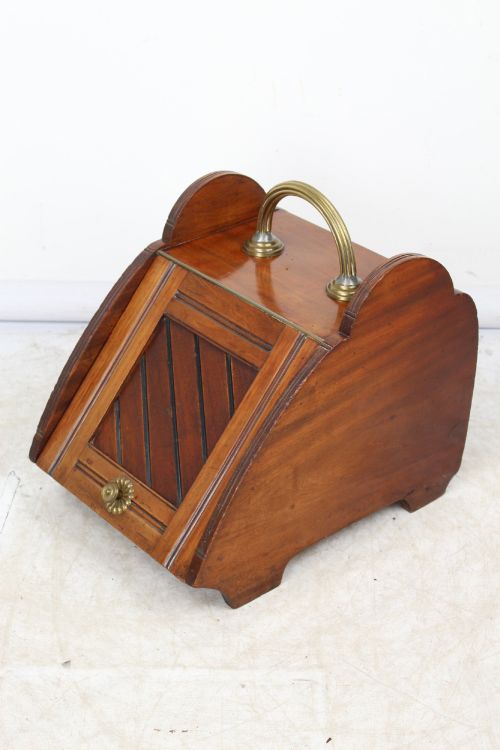
Timber versions rely on traditional cabinetmaking methods utilising oak, mahogany, and walnut, sometimes enhanced by carving, inlay, or panel construction. These wooden boxes commonly include interior metal liners to contain coal dust and moisture.
Listings demonstrate a strong prevalence of Victorian copper bodies paired with cast brass handles, alongside occasional Edwardian and Arts and Crafts examples.
Judging quality and execution
The distinction between standard utility items and finer examples lies in the weight of the metal and the integrity of the construction. Heavier gauge copper and solid brass fittings demonstrate superior durability and balance when lifted.
Refinement in surface finish and joinery separates mass production from accomplished workshop output. Hand hammered textures, clean dovetailing in wooden boxes, and well proportioned handles indicate higher manufacturing standards.
William Soutter And Sons
The Brass Handled Coal Scuttle Glossary
- Purdonium
- A lidded coal box, typically featuring an internal metal liner and a drop front for easy fuel removal. These cabinets often include a dedicated compartment for a small shovel.
- Helmet scuttle
- A traditional fireside container shaped with a flared lip and raised back, designed for pouring coal cleanly onto a fire. This form usually incorporates a swing handle over the top.
- Dinanderie
- Decorative metalware produced from brass, copper, or bronze, often associated with vessel creation and surface ornamentation. The term covers hammered and shaped utilitarian objects from various European traditions.
- Jardiniere
- An ornamental pot or stand designed to hold plants or flowers indoors. Many deep fireside buckets and coal bins are repurposed into jardinieres due to their waterproof metal linings.
- Barge wear
- Traditional decorated folk art applied to metalware and wooden objects, often characterised by brightly coloured floral motifs. This style frequently appears on nineteenth century utilitarian tin and copper items.
Brass Handled Coal Scuttle: Frequently Asked Questions
How do I clean a brass and copper scuttle?
Maintenance involves gentle washing with warm soapy water and a soft cloth to remove accumulated soot and dust. Harsh abrasive cleaners can strip patination and damage the surface finish of older metals.
Applying a mild metal polish occasionally helps maintain the brightness of brass fittings without removing the historical character built up over decades.
Can I use an antique scuttle for actual coal?
Most surviving vessels retain their original metal liners, making them suitable for holding solid fuel near a fireplace. Ensuring the interior remains dry prevents rust and protects the structural integrity of the piece.
Many owners choose to line older wooden boxes with modern plastic inserts if they intend to store damp logs or use the container as a planter.
What is the difference between a scuttle and a purdonium?
A coal scuttle is typically an open bucket or helmet shaped vessel with a moveable handle designed for carrying fuel directly to the grate. They sit openly by the hearth and require manual tipping.
A purdonium functions as a static coal box with a hinged lid or drop down front panel, concealing the fuel entirely within a cabinet structure.
How do I date a copper fireside bucket?
Dating relies on observing manufacturing techniques, material choices, and stylistic markers such as Arts and Crafts or Victorian design motifs. Hand hammered surfaces and heavy rivet construction often point toward the nineteenth century.
Stamped maker marks on the base or handles can provide a more precise indication of workshop origin and production period.