




Brass Drop Handle Desk
A brass drop handle desk brings together centuries of cabinet-making and functional workspace design, offering fitted drawers and writing surfaces scaled for everyday use.
Brass Drop Handle Desk
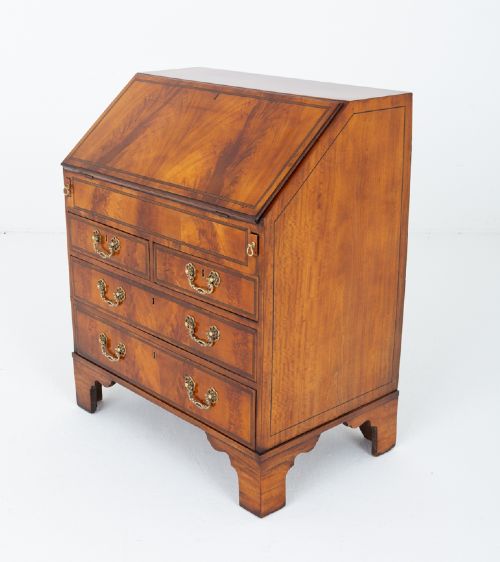
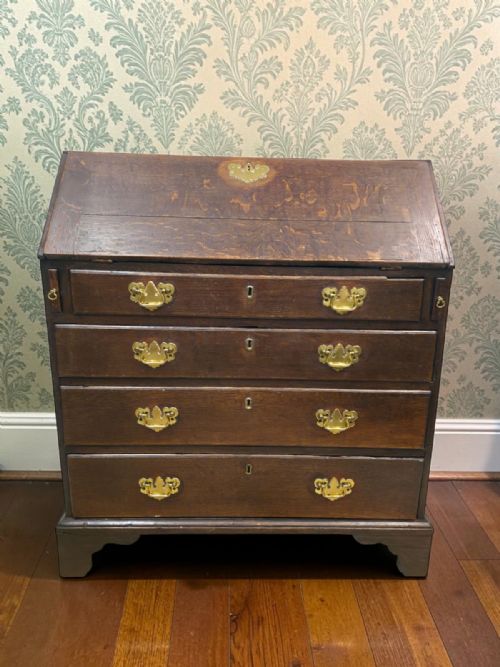
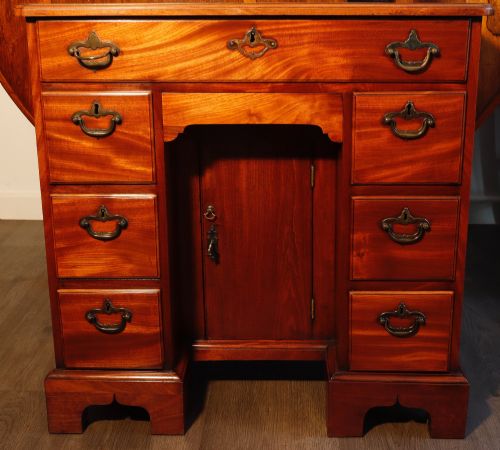
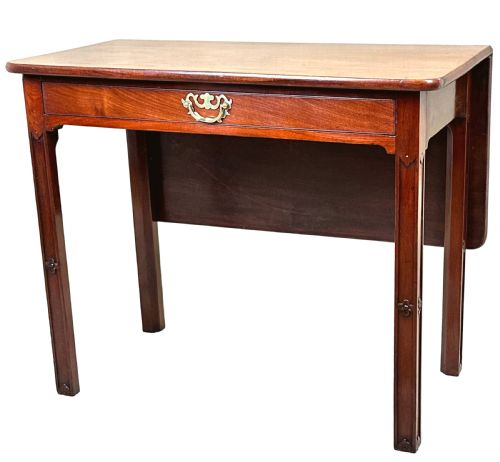
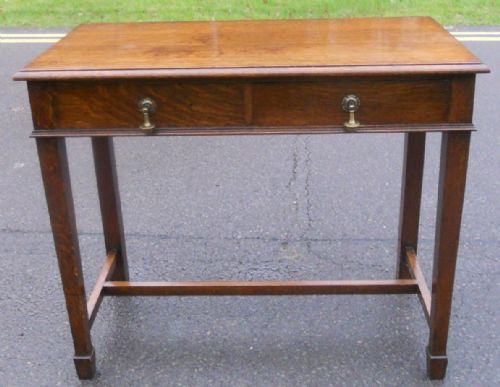
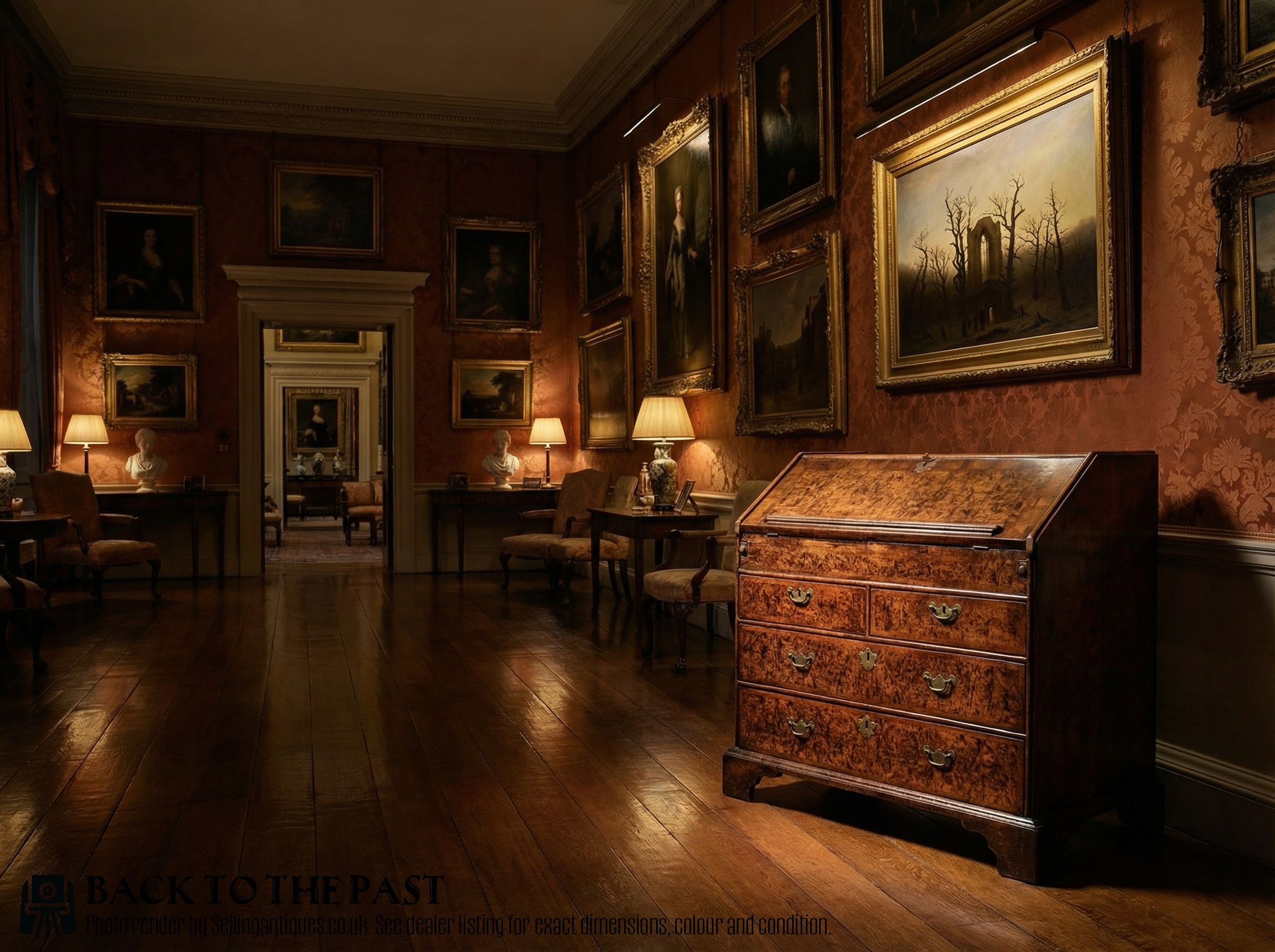
A brass drop handle desk encompasses writing pieces such as bureaus, fall front writing bureaus, secretaire chests of drawers, and side tables fitted with drop handles. These items span periods from the seventeenth century through the Georgian era to the early twentieth century, incorporating later revivals.
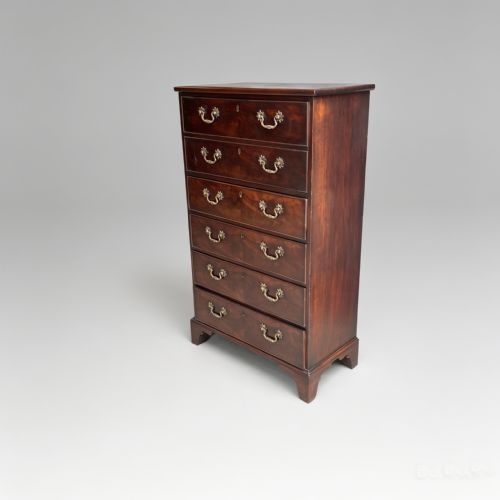
The most frequent examples encountered here are Georgian mahogany and oak bureaus, alongside compact oak and mahogany writing desks from later revivals. Buyers will also find specialised forms like sofa tables, dressing tables, and banks of drawers equipped with the characteristic drop handle hardware.
Origins stretch from English workshops in oak, mahogany, yew, elm, and mulberry to French provincial pieces and Irish examples. The defining thread across these varied forms is the brass drop handle securing the drawer fronts.
Materials and construction methods
Cabinet-makers relied heavily on timbers such as sturdy oak, figured mahogany, and occasionally exotic woods like mulberry and yew with satinwood inlay. These woods were chosen for their durability and grain, forming the structural carcases and fall fronts of the desks.
Brass hardware, specifically drop handles, was secured to drawer fronts using pins or wires, complementing the timber construction. Joinery techniques varied from early pegged construction on seventeenth-century pieces to refined dovetailing on Georgian drawers.
Brass Drop Handle Desk Retail Price Guide 2026
Typical asking prices for brass drop handle desk among the pieces listed under this phrase on Sellingantiques today, from the lower quarter to the upper quarter. They describe what is for sale here now, not the wider market.
Some desks originated in working pharmacies and Irish drawing rooms before finding their way into modern studies.
Assessing quality in construction and timber
Quality reveals itself in the selection of timber figures and the crispness of the secondary woods used inside the drawer linings. Superior pieces display thoughtful matching of mahogany or oak veneers and meticulous grain alignment across the fall front.
The refinement of internal fitments, such as secret compartments within a bureau interior and the execution of the dovetail joints, separates standard workshop production from finer cabinet-making. Originality of the brass drop handles and the overall integrity of the timber patination complete the assessment.
Coxed & Woster·Gillington of Dublin
The Brass Drop Handle Desk Glossary
- Bureau
- A writing desk featuring a sloping fall front that opens to reveal a fitted interior of small drawers and pigeonholes. It usually sits atop a chest of drawers.
- Fall Front
- The hinged writing flap on a bureau or secretaire that drops down to provide a horizontal surface for writing. When closed, it conceals the inner compartments.
- Secretaire Chest
- A chest of drawers where the top drawer pulls down or drops open to form a writing desk with internal compartments. It combines storage with writing utility.
- Patination
- The surface sheen and colour acquired by wood and metal over decades through handling, polishing, and ageing. It acts as an indicator of age and untreated history.
Brass Drop Handle Desk: Frequently Asked Questions
What is a brass drop handle desk?
A brass drop handle desk refers to writing furniture such as bureaus, secretaire chests, and side tables fitted with hanging metal pulls on the drawers. These pieces provide a writing surface alongside storage.
The listings show examples ranging from early oak pieces to later mahogany revivals, all sharing this specific drawer hardware.
Where were these desks used?
These desks served primarily as private writing and administrative spaces in domestic libraries, bedrooms, and parlours. Compact forms suited smaller rooms.
Specialised versions like pharmacy chests and sofa tables also accommodated specific working environments.
How do I care for antique wood furniture?
Antique wood requires stable humidity levels and protection from direct sunlight to prevent timber warping and veneer lifting. Regular dusting maintains the surface.
Applying appropriate wax feeds the grain and preserves the historic patination without damaging the finish.