
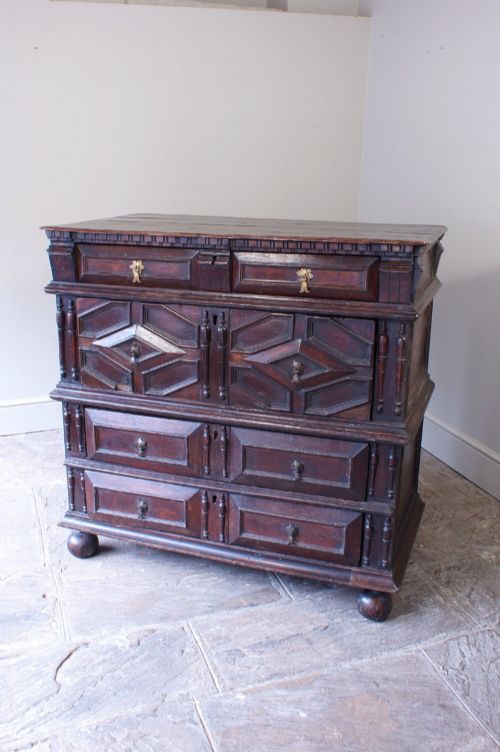


17th Century Bureau
When you search for a 17th century bureau, you step into an era of writing furniture built in oak, walnut, and burr elm.
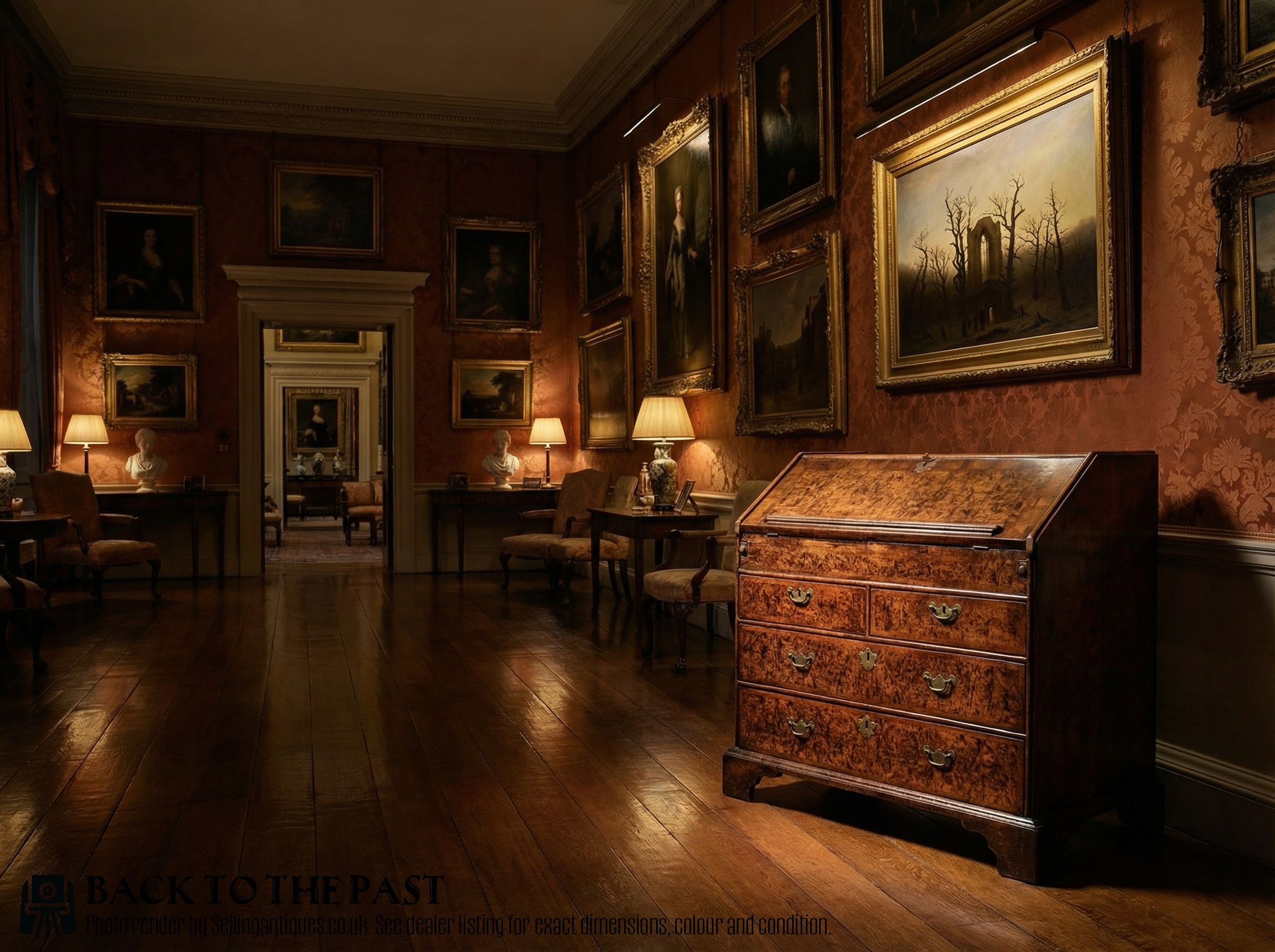
17th Century Bureau
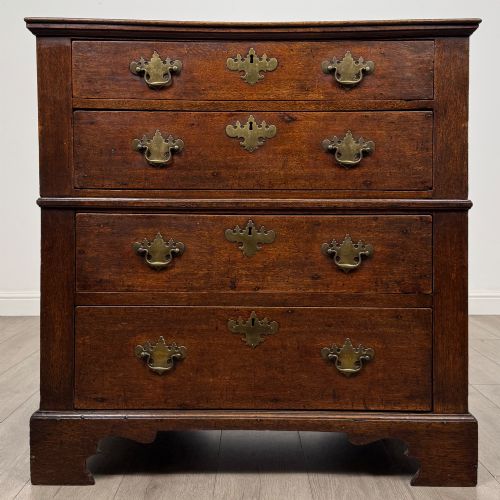
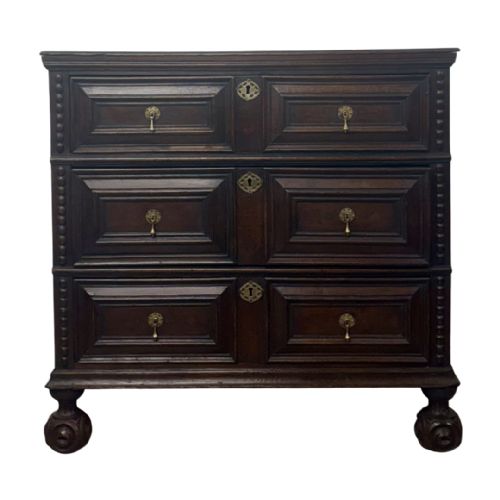
A 17th century bureau represents early forms of writing furniture, encompassing desks, escritoires, and cabinet pieces designed for correspondence and storage. The items recorded in this tradition span provincial vernacular pieces as well as sophisticated case furniture.
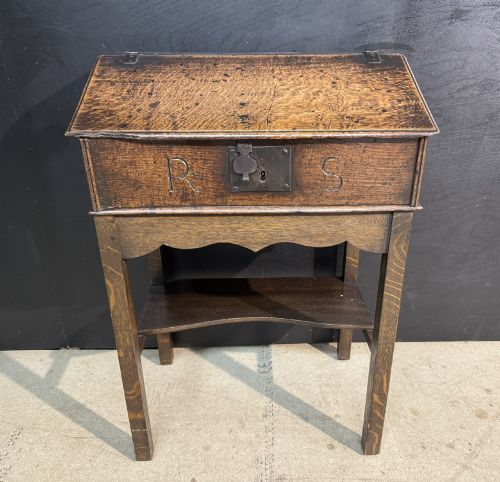
You are most likely to meet oak and walnut examples from the William and Mary and Charles II periods, featuring hinged writing flaps or drop-front writing compartments. These items frequently combine drawer storage with fitted interiors containing small compartments.
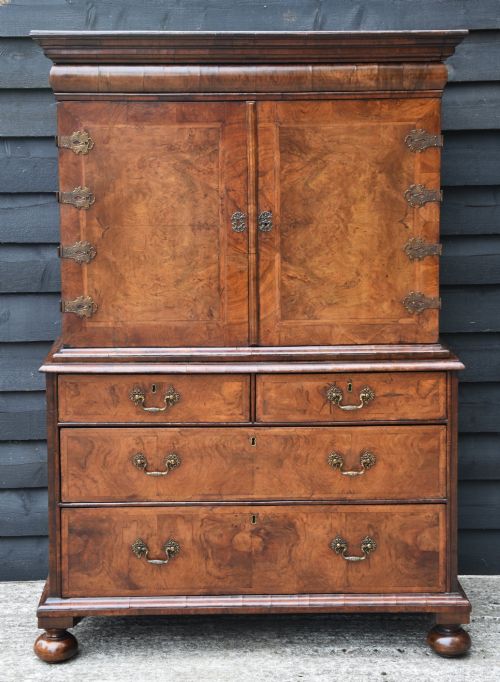
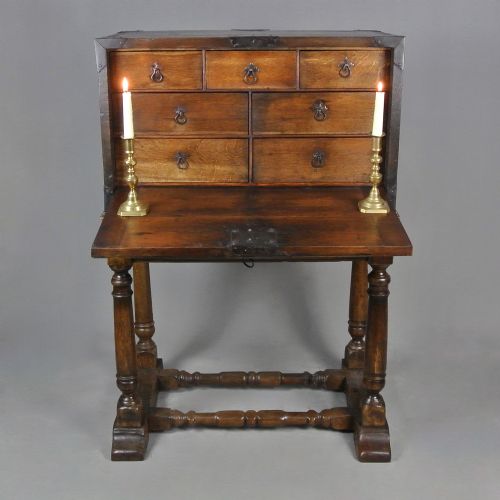
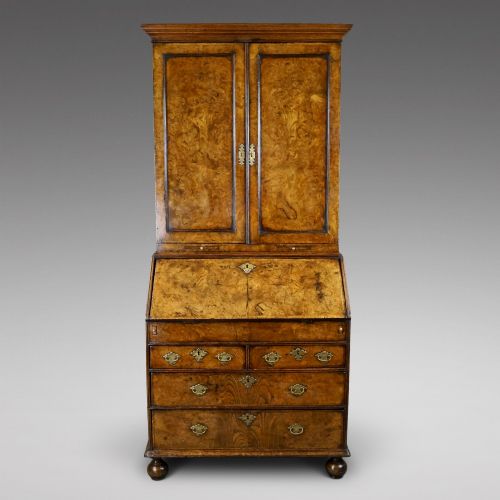
The category extends to bureau bookcases and vargueno cabinets on stands, showing the evolution of domestic writing furniture during the seventeen hundreds and earlier decades.
Distinctions in craftsmanship
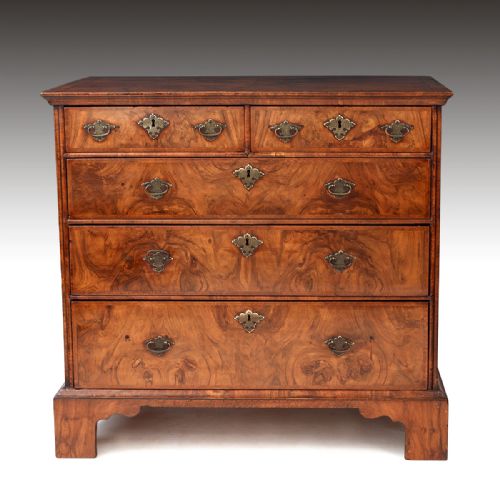
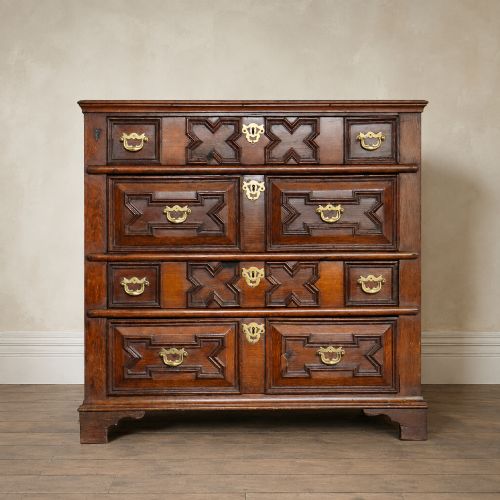
Quality rests upon the selection of timber veneers, such as highly figured walnut or burr elm, and the precision of geometric mouldings and marquetry work.
The complexity of the fitted interior and the retention of original stands or mounts elevate certain writing cabinets above standard provincial chests and desks.
Secret compartments inside early bureau interiors reward curious owners with miniature hiding spots for hidden letters.
The 17th Century Bureau Glossary
- Escritoire
- A writing cabinet with a fall-front flap that conceals a fitted interior of pigeonholes and small drawers. This form became popular during the late seventeenth century in walnut and japanned finishes.
- Vargueno
- A traditional Spanish cabinet form featuring a drop-front writing flap mounted upon a separate stand. These pieces often display intricate exterior hardware and fitted internal compartments.
- Oyster veneer
- Circular slices cut across small branches of walnut or olive wood to create a repeating pattern resembling oyster shells. It defines many sophisticated surfaces from the William and Mary period.
- Parquetry
- Geometric wood inlay work forming mosaic patterns across drawer fronts and writing surfaces. This technique highlights the skill of seventeenth-century cabinet makers using contrasting timbers.
- Bureau bookcase
- A tall case piece combining a writing desk bureau base with upper shelving enclosed by doors. These multi-tiered items provided storage for books and correspondence.
17th Century Bureau: Frequently Asked Questions
What is a 17th century bureau?
A 17th century bureau is an early form of writing furniture designed with a sloping lid or drop-front flap. These pieces often feature interior compartments for letters and stationery.
They evolved from simpler chests and writing boxes into dedicated desks and cabinet furniture during the reigns of Charles II and William and Mary.
How do I identify a William and Mary bureau?
William and Mary bureaus are typically constructed from walnut, burr elm, or oak, often displaying intricate marquetry, oyster veneers, or geometric mouldings. They frequently rest on finely turned trumpet legs or original stands.
The interiors contain numerous small drawers and pigeonholes behind a sloping fall-front.
What woods were used in these desks?
Oak was the primary timber for robust provincial and early pieces, while walnut and burr walnut dominated elite cabinet making. Secondary timbers and fruitwood also appear in construction and inlay work.
Exotic veneers like mulberry and burr elm were selected for high-status examples.
Where should I place a bureau in my home?
Place your bureau against a stable interior wall away from direct sunlight and sudden temperature shifts to protect the antique wood veneers and polish. Ensure the room maintains moderate humidity levels.
Use the drop-front writing surface carefully and support hinged flaps properly when open.