

Brass Glass Mantel Clock
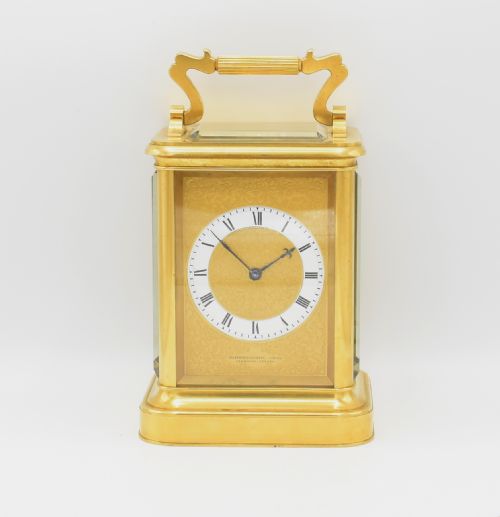
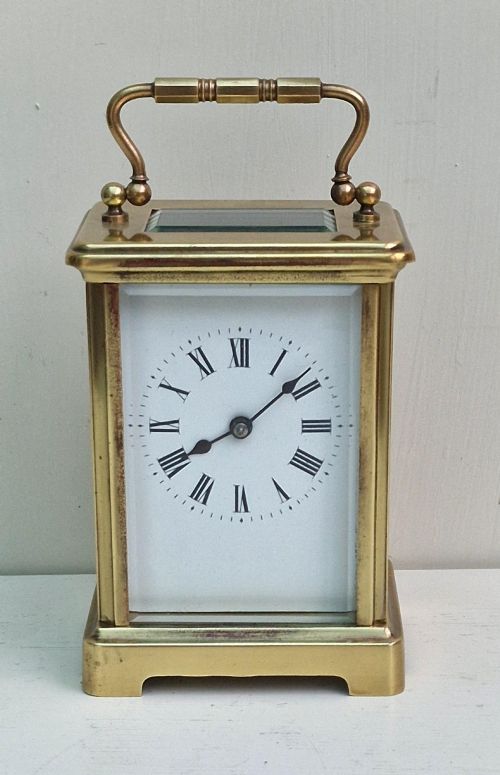
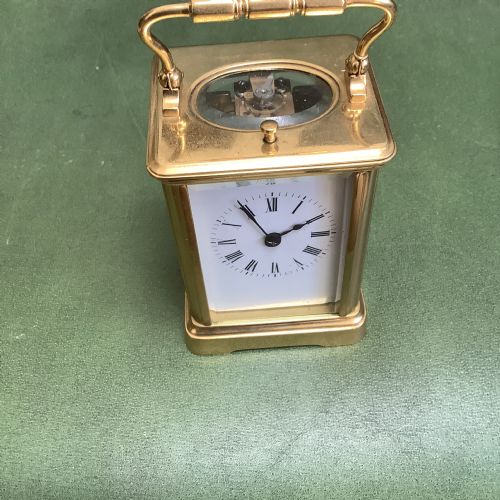
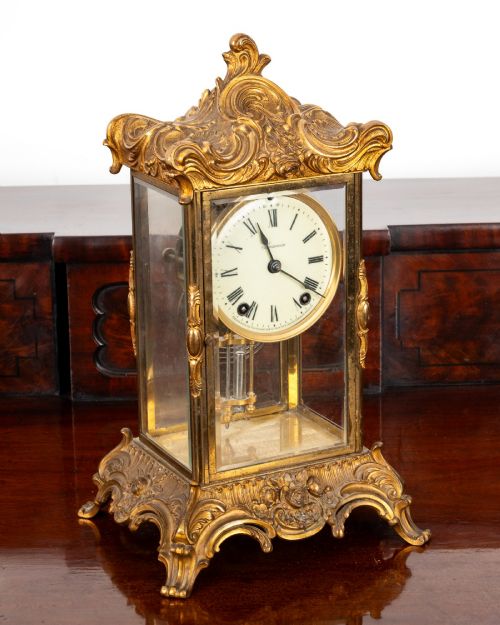
When you search for brass glass mantel clock, you are looking at substantial timepieces framed in metal and enclosed by panels of crystal or glass.
Brass Glass Mantel Clock
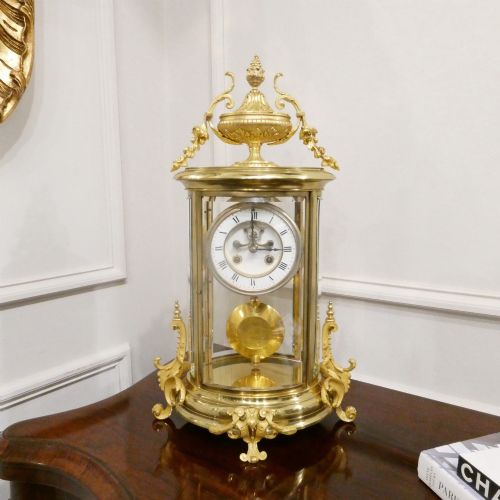
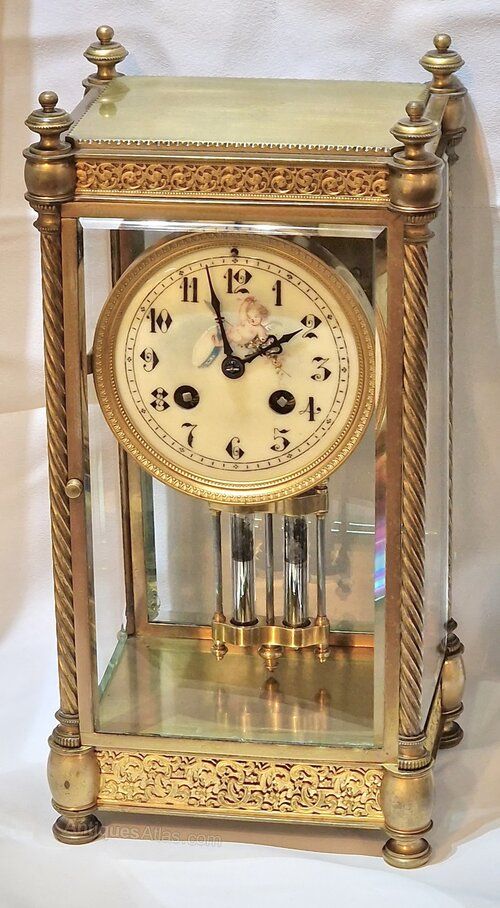
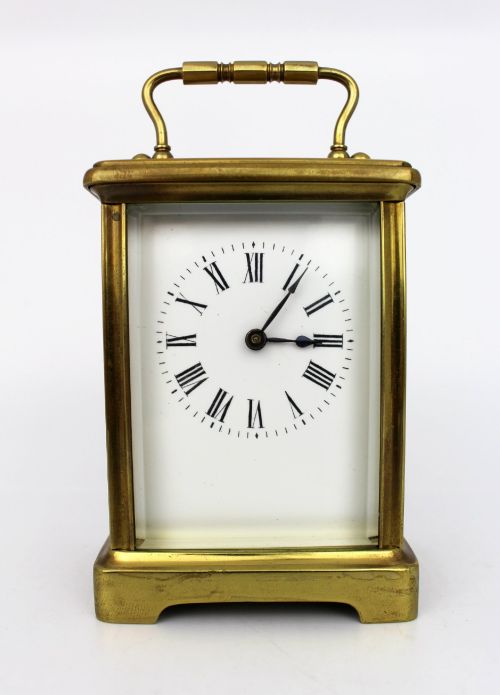
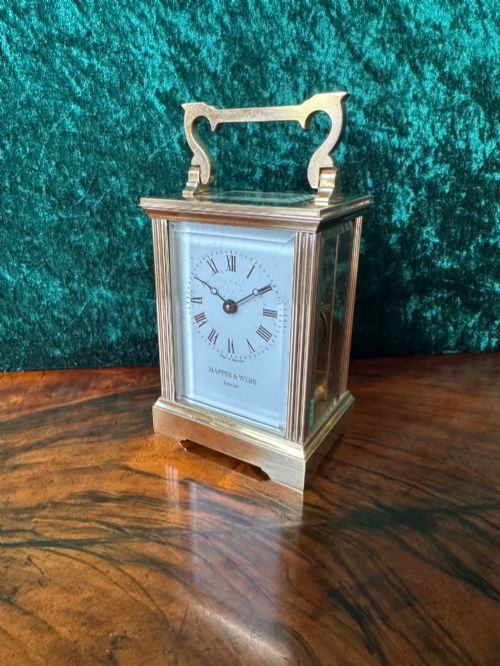
A brass glass mantel clock typically takes the form of a four glass case, allowing a clear view of the movement from multiple angles. These architectural pieces often stand upon stepped bases and feature detailed enamel or porcelain dials.
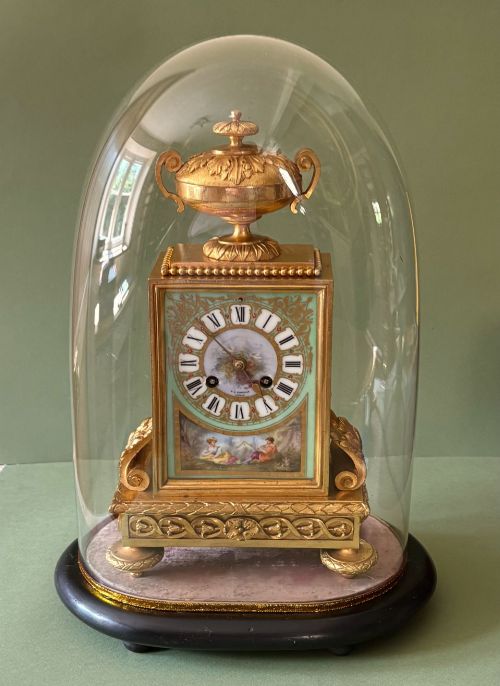
The materials span from bright polished brass and gilt bronze to heavier ormolu mounts, complemented by bevelled glass panels. Some examples incorporate porcelain plaques or decorative champleve enamel detailing around the chapter ring.
Most pieces date from the nineteenth century, with strong representation from Victorian Britain and various French workshops of the period. Makers from Paris and London dominated the production during these decades, supplying formal rooms and libraries.
Materials and Construction
Foundries cast the heavy brass and gilt bronze frames before hand-chasing the metal surfaces to create crisp linear decoration and floral motifs. Glassmakers produced thick, bevelled panels designed to fit precisely into the brass channels without stress.
Clockmakers fitted mechanical movements featuring pendulum or platform escapements, occasionally housing mercury-filled pendulums to compensate for temperature changes. Dials were formed from white enamel with painted numerals, frequently signed by the maker or retailer.
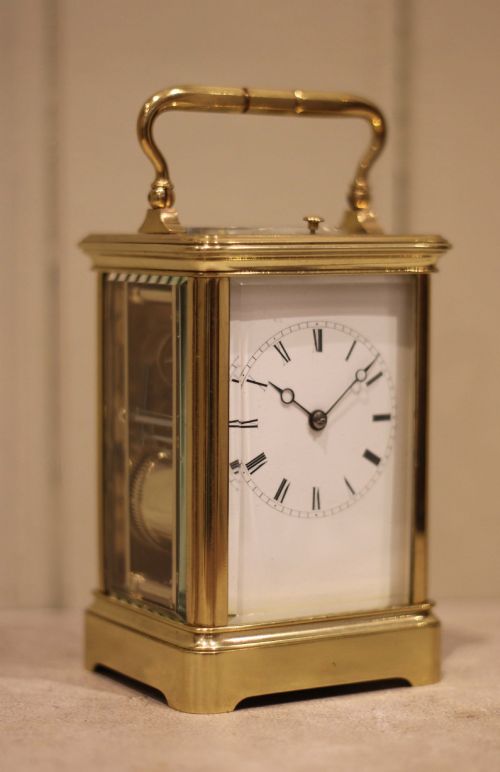
Some miniature carriage clocks were built small enough to travel inside velvet-lined leather cases.
Distinctions in Quality
The refinement of the casting and the depth of the chasing separate standard production from superior work, where brass surfaces display crisp relief rather than soft edges. Signed movements from known makers and retailers indicate higher workshop standards.
The complexity of the mechanism also defines the tier, with repeating strikes, chiming functions, and extended power reserves marking more ambitious engineering. Intricate dial details, such as hand-painted porcelain or champleve enamel panels, elevate the overall execution.
Samuel Marti·Japy Freres·Vincenti·Leroy Paris·Thwaites of London·Tiffany·Mappin and Web·Goldsmiths Alliance Ltd·Richard Winter
The Brass Glass Mantel Clock Glossary
- Four glass clock
- A mantel clock featuring glass panels on the front, back, and sides, exposing the internal movement. This design gained popularity during the late nineteenth century in France and Britain.
- Gilt brass
- Brass coated with a thin layer of gold or a golden alloy to enhance brightness and prevent tarnishing. This finish appears frequently on formal nineteenth-century carriage and mantel clocks.
- Champleve
- An enamelling technique where troughs are dug into the metal surface and filled with vitreous enamel before firing. It decorates the bezels and frames of better-quality clocks.
- Platform escapement
- A self-contained escapement unit fitted to smaller clocks like carriage timepieces, replacing the traditional hanging pendulum. It allows the clock to keep time while portable.
- Mercury pendulum
- A temperature-compensated pendulum using vials of mercury to counteract thermal expansion. This mechanism ensures consistent timekeeping across changing seasonal temperatures.
Brass Glass Mantel Clock: Frequently Asked Questions
How do four glass clocks work?
These clocks use a spring-driven or weight-driven movement housed centrally within an open brass and glass enclosure. The pendulum or platform escapement regulates the gear train while remaining fully visible from the sides.
Most examples run for eight days on a single wind, striking the hours and sometimes the half-hours on a bell or gong. The glass panels protect the delicate mechanical parts from dust while showcasing the movement in action.
Where were these clocks made?
Production centred primarily in France, particularly around Paris, alongside significant output from British workshops in London. French makers supplied numerous retailers across Europe with sophisticated four glass and carriage designs.
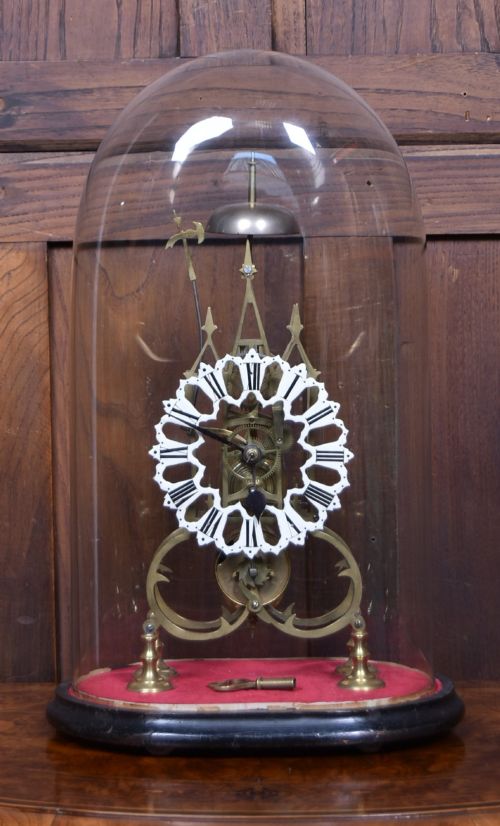
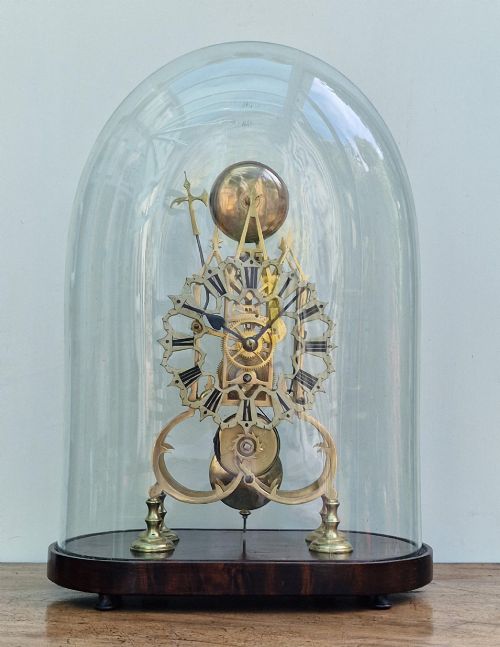
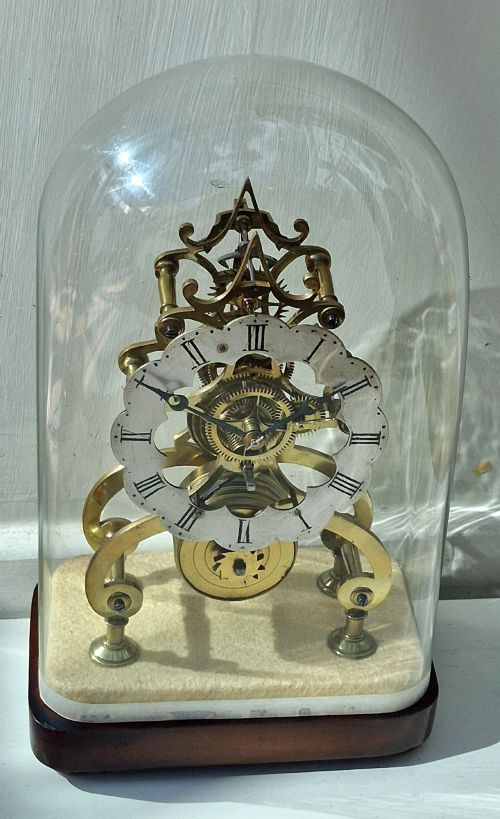
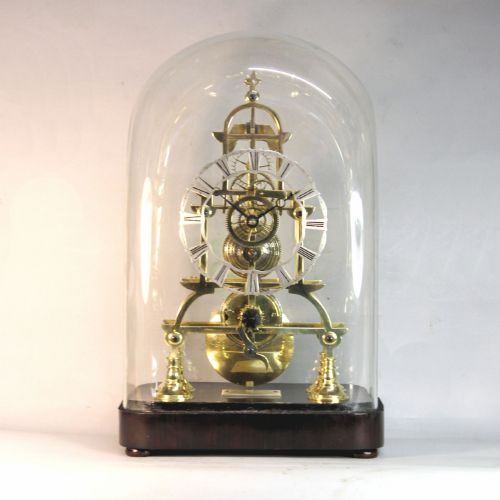
English makers often produced robust skeleton and mantel timepieces with distinctive fusee movements. Surviving examples frequently bear the signatures of both the manufacturing foundry and the high-street retailer who sold them.
How do I date a brass glass clock?
Dating relies on stylistic clues, movement signatures, and registration marks stamped onto the brass plates. Pieces from the mid-nineteenth century often display heavier architectural mounts and simpler enamel dials.
Late nineteenth and early twentieth-century examples frequently incorporate refined champleve enamel or elegant Belle Epoque proportions. Maker marks recorded in historical archives help narrow the production year further.
How do I maintain a mechanical mantel clock?
Routine care involves placing the clock on a stable, level surface away from direct sunlight and drafts. Professional cleaning and lubrication every few years ensure the brass pivots and gears avoid excessive wear.
Winding should be done steadily without over-tightening the mainspring. If the clock loses or gains time, the pendulum regulation nut allows for minor adjustments.