
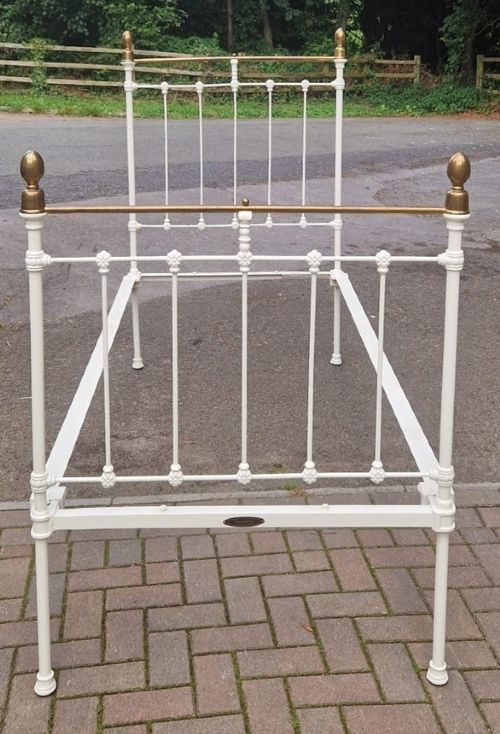
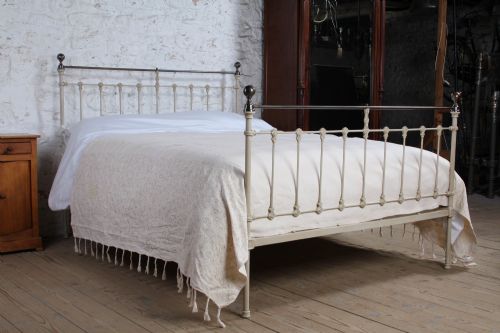


Brass Finial Bedstead
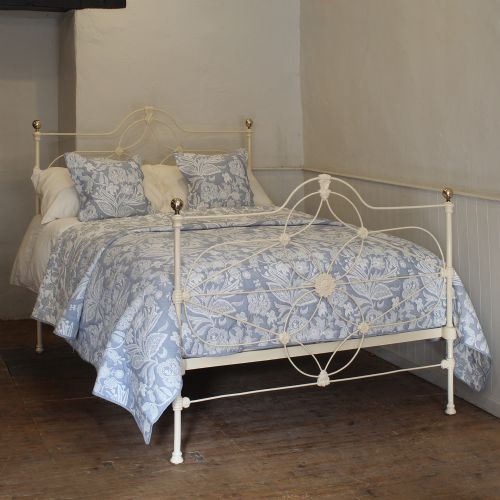
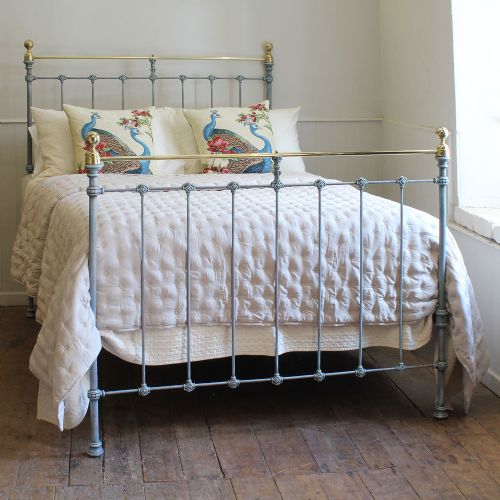
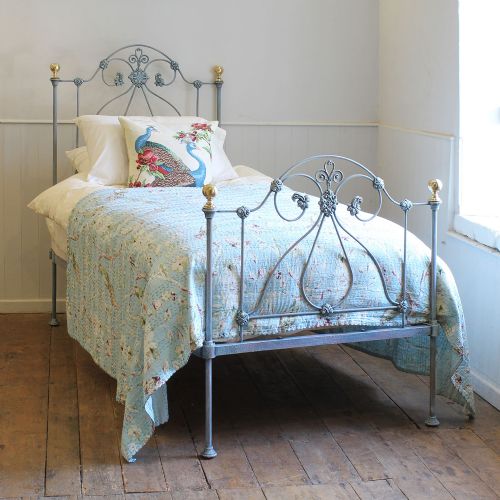
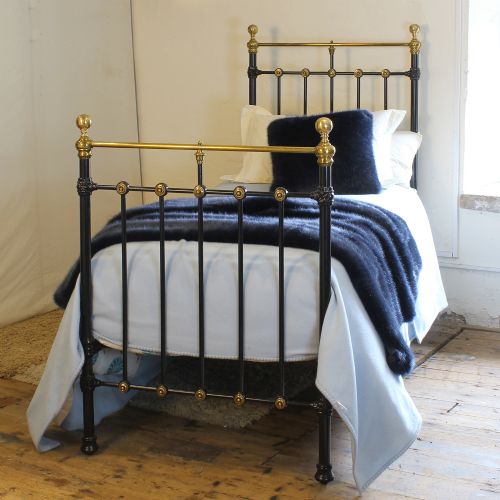
A brass finial bedstead brings sturdy nineteenth-century metalwork and polished brass details into a bedroom.
Brass Finial Bedstead
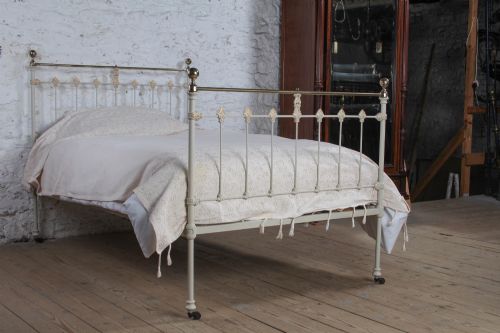
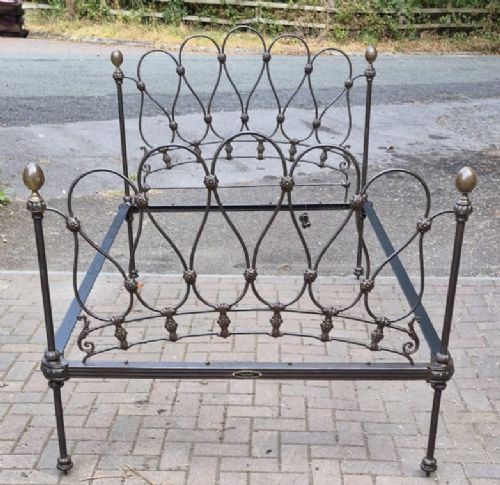
A brass finial bedstead is a sturdy nineteenth-century sleeping frame combining metal construction with polished brass decorative elements. When you search for a brass finial bedstead, you encounter antique Victorian iron and brass beds spanning the decades from eighteen-fifty to nineteen-hundred.
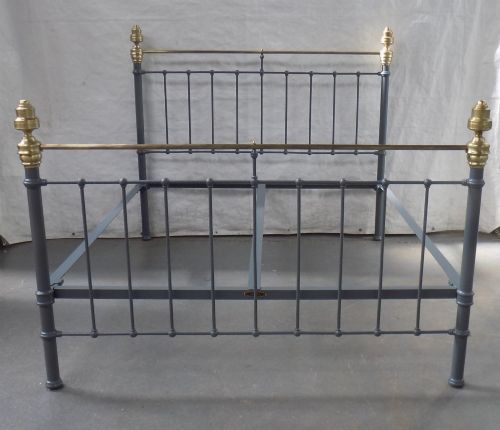
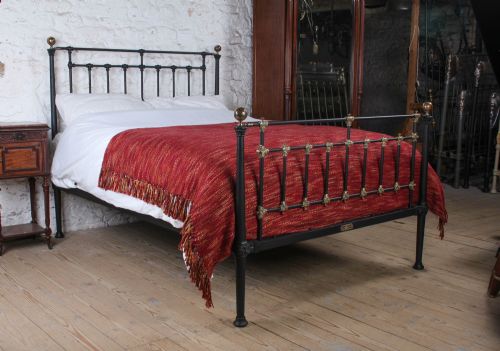
The selections on this page appear in various sizes ranging from single and super single widths up to double, queen, king, and super king dimensions. Most examples merge black, cream, blue verdigris, or japanned lacquer painted iron frames with bright brass fittings.
Victorian makers produced these beds with distinct configurations, including classic styles with high footboards, no-end frameworks, and tapered posts. Buyers frequently find pieces featuring delicate spindles and prominent brass finials topping the corners.
How they were made
These antique bedsteads rely on a combination of cast iron, wrought iron, and polished brass components. Foundries cast the structural iron frames and decorative motifs in moulds, applying finishes of black paint, cream, or japanned lacquer.
Makers attached gleaming brass finials and spindle galleries to the iron headboards and footboards using threaded joints and metal fixings. Many frames utilise traditional slot-in side rails to secure the structure without modern hardware.
Some nineteenth-century sleepers enjoyed purchasing beds with no footboards simply to dangle their tired feet off the edge on warm summer nights.
What varies in quality
Quality in these nineteenth-century beds rests upon the crispness of the iron castings and the weight of the brass components used on the finials and joints. Finer examples display cleanly detailed decorative mouldings and substantial metal tubing rather than lighter gauge construction.
The preservation of the original painted finishes, whether japanned lacquer or coloured enamel, distinguishes standard production from better-surviving specimens. Maker attribution, such as documented work from Winfield or Maple and Company, also shapes the standing of a piece.
Winfield·R W Winfield·Maple & Co.
The Brass Finial Bedstead Glossary
- Finial
- A decorative terminal ornament, typically cast in brass, screwed to the top corners of a bedstead post. These elements provide a bright metallic accent to the darker iron framework.
- Japanned lacquer
- A European imitation of East Asian lacquerwork used on nineteenth-century iron bed frames to create a glossy, hard dark finish. This protective coating resists wear while giving the metal a deep sheen.
- Verdigris
- A green patina that forms naturally on brass or copper surfaces over long periods of exposure. On certain antique iron beds, this coloration appears deliberately on the painted ironwork.
- No-end bed
- A bedstead configuration featuring a tall headboard but lacking a high footboard. This open design suits smaller bedrooms and makes bed-making simpler.
- Wrought iron
- A tough, malleable form of iron beaten into shape by hand or machine during the Victorian era. It provides structural integrity to the load-bearing rails of the bedstead.
Brass Finial Bedstead: Frequently Asked Questions
Will modern mattresses fit an antique bed?
Most nineteenth-century bed frames accommodate standard modern mattress sizes, though exact dimensions can vary slightly from contemporary measurements. Standard lengths and widths for single, double, or king sizes generally align with standard modern spring or foam depths.
Buyers should check the internal width and length specifications of each specific bedstead before purchasing a mattress. Adding a modern slat base inside the side rails provides proper support for contemporary bedding.
How do I assemble an iron bed?
Antique metal beds use a wedge-and-socket corner fastening system where the side rails slot directly into the headboard and footboard brackets. Tapping the joints gently with a rubber mallet settles the metal wedges firmly into place without damaging the iron.
Once the four main posts and side rails lock together, cross slats drop across the frame to support the mattress. No complex tools are required beyond a mallet to secure the original tapered joints.
How do I clean brass finials?
Polished brass finials benefit from gentle dusting with a soft, dry cloth to prevent the accumulation of airborne particles. Avoid harsh chemical polishes that strip historical patinas and remove the warm, mellow tone accumulated over decades.
Applying a thin coat of microcrystalline wax protects the brass surface from moisture and oxidation. This barrier preserves the metallic shine without requiring aggressive scrubbing.
How do I date a Victorian iron bed?
Dating relies on stylistic shifts in manufacturing techniques, tube diameters, and decorative casting patterns across the nineteenth century. Earlier pieces from the mid-Victorian era often incorporate simpler wrought iron elements, whereas later nineteenth-century examples display more elaborate brass mountings.
Maker stamps, registry marks, or firm badges stamped into the iron provide definitive chronological clues. Comparing the complexity of the finials and spindle work against dated examples helps narrow the production window.