

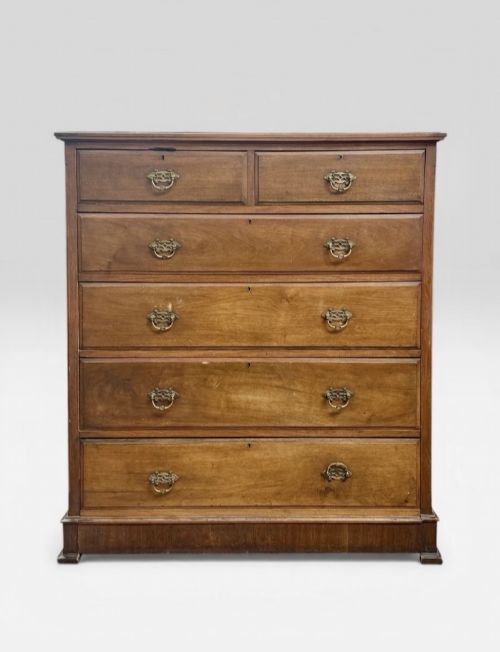
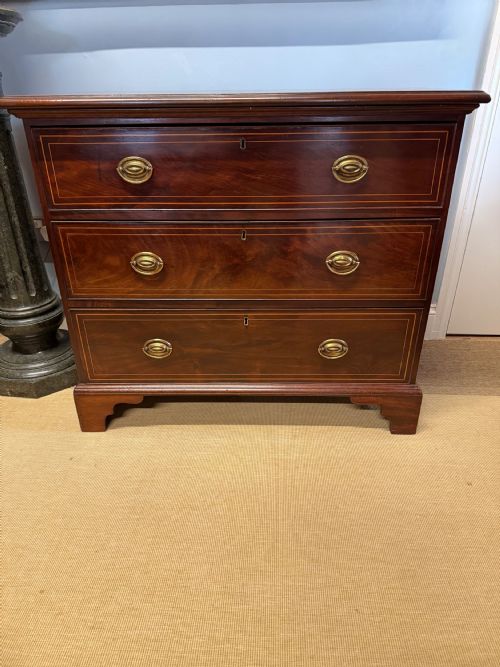


Brass Drop Handle Bureau
A brass drop handle bureau is a writing desk fitted with metal pulls designed to hang downwards when not in use.
Brass Drop Handle Bureau
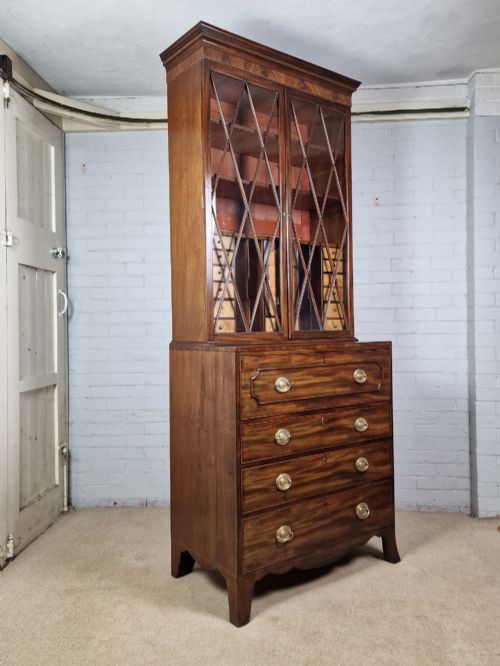
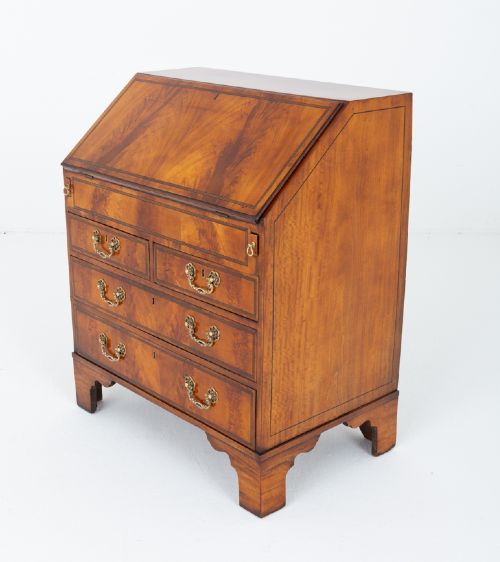
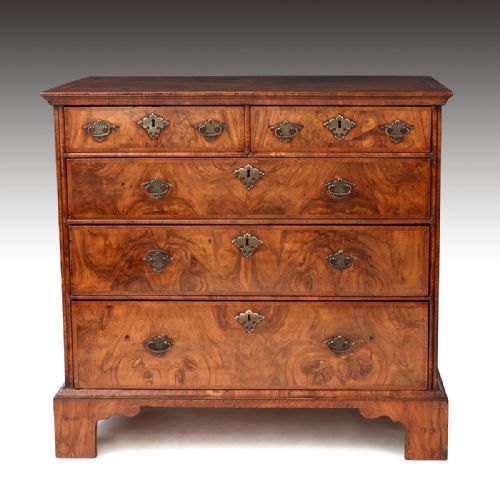
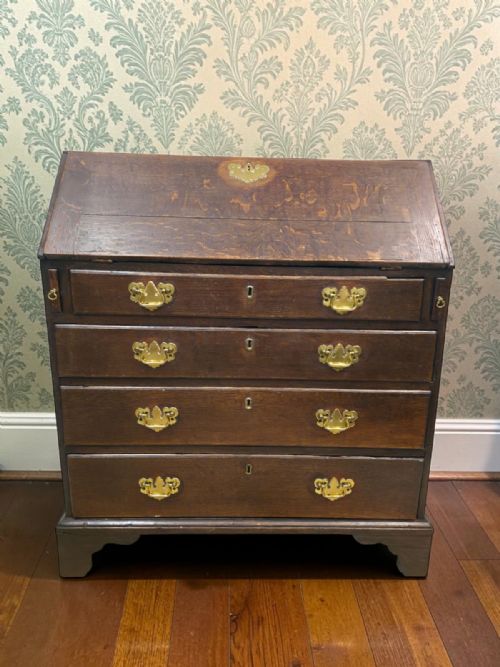
A brass drop handle bureau is a writing desk that combines a fitted interior for correspondence with drawers beneath a fall front or writing flap. When buyers search this phrase, they are examining pieces that span multiple centuries, reflecting evolving domestic habits and craftsmanship. The examples available here range from solid oak and mahogany to burr walnut, fruitwood, and yew wood.
The most common iterations on this page adhere to Georgian and later periods, though earlier forms from the seventeenth century also appear. These items function equally well as practical writing surfaces and statement storage units for modern interiors. Their proportions vary from small, compact writing desks to larger chests of drawers fitted with writing compartments.
How they were made
Cabinet makers utilised dense native and imported timbers, such as oak, mahogany, and walnut, selecting the wood for grain pattern and structural stability. Surfaces often received marquetry or inlay work using boxwood, while brass hardware was secured to the drawers to operate the pulls.
Joinery techniques relied on traditional framing and panel construction to accommodate the natural movement of timber over time. The fall front mechanisms on these writing desks required precise hinge placement and interior pigeonhole carpentry to support daily use.
Brass Drop Handle Bureau Retail Price Guide 2026
Typical asking prices for brass drop handle bureau among the pieces listed under this phrase on Sellingantiques today, from the lower quarter to the upper quarter. They describe what is for sale here now, not the wider market.
The listings here include pieces executed in oak, mahogany, walnut, burr walnut, yew wood, fruitwood, and mulberry.
What varies in quality
The degree of refinement in timber selection separates standard items from finer examples, particularly where figured veneers like burr walnut or inlaid boxwood are employed. Superior pieces display meticulous attention to internal drawer construction and grain continuity across the facade.
Originality of the hardware and the condition of the structural timber dictate the standing of an individual desk. Subtle variations in the execution of the brass drop handle mounts and the crispness of any marquetry further distinguish the workshop origins.
The Brass Drop Handle Bureau Glossary
- Fall front
- A hinged writing flap that folds down to provide a horizontal surface for correspondence. This panel conceals internal compartments and small drawers when closed.
- Marquetry
- The art of applying decorative pieces of veneer to a structure to form geometric or pictorial designs. This technique often employs contrasting timbers such as boxwood and walnut.
- Serpentine
- A furniture front characterised by a concave central section flanked by two convex ends, creating a gentle undulating wave. This profile requires advanced woodworking skill.
- Pigeonhole
- A small, open compartment within a desk interior used for sorting letters and documents. These are frequently arranged above miniature drawers inside a bureau.
Brass Drop Handle Bureau: Frequently Asked Questions
How do I date a wooden bureau?
Dating a bureau involves examining the timber species, construction methods, and hardware styles used by the cabinet maker. Secondary woods inside the drawers and the style of dovetailing offer clues to the period of manufacture.
Changes in aesthetic preferences from the seventeenth century through the Georgian and Regency eras left distinct marks on furniture design. Comparing the overall proportions and decorative veneer work helps narrow down the decade or century of origin.
Where were these writing desks used?
These desks were historically placed in private libraries, studies, or withdrawing rooms for managing correspondence and household accounts. The lockable fall front kept sensitive documents secure from prying eyes.
Today, they transition easily into living rooms or home offices as compact writing stations. Their enclosed storage helps conceal modern clutter while maintaining a traditional aesthetic.
How should I care for antique timber?
Antique wooden furniture requires protection from direct sunlight and sudden shifts in room temperature to prevent the timber from splitting. Maintaining stable indoor humidity preserves the structural integrity of the joints and veneers.
Applying a traditional wax polish periodically helps nourish the surface and maintain the natural lustre of the wood. Avoid using modern silicone-based sprays, which can damage historic finishes over time.