
Brass Column Lamp
A brass column lamp brings classical proportion and warm metallic light into a room, drawing on centuries of architectural design.
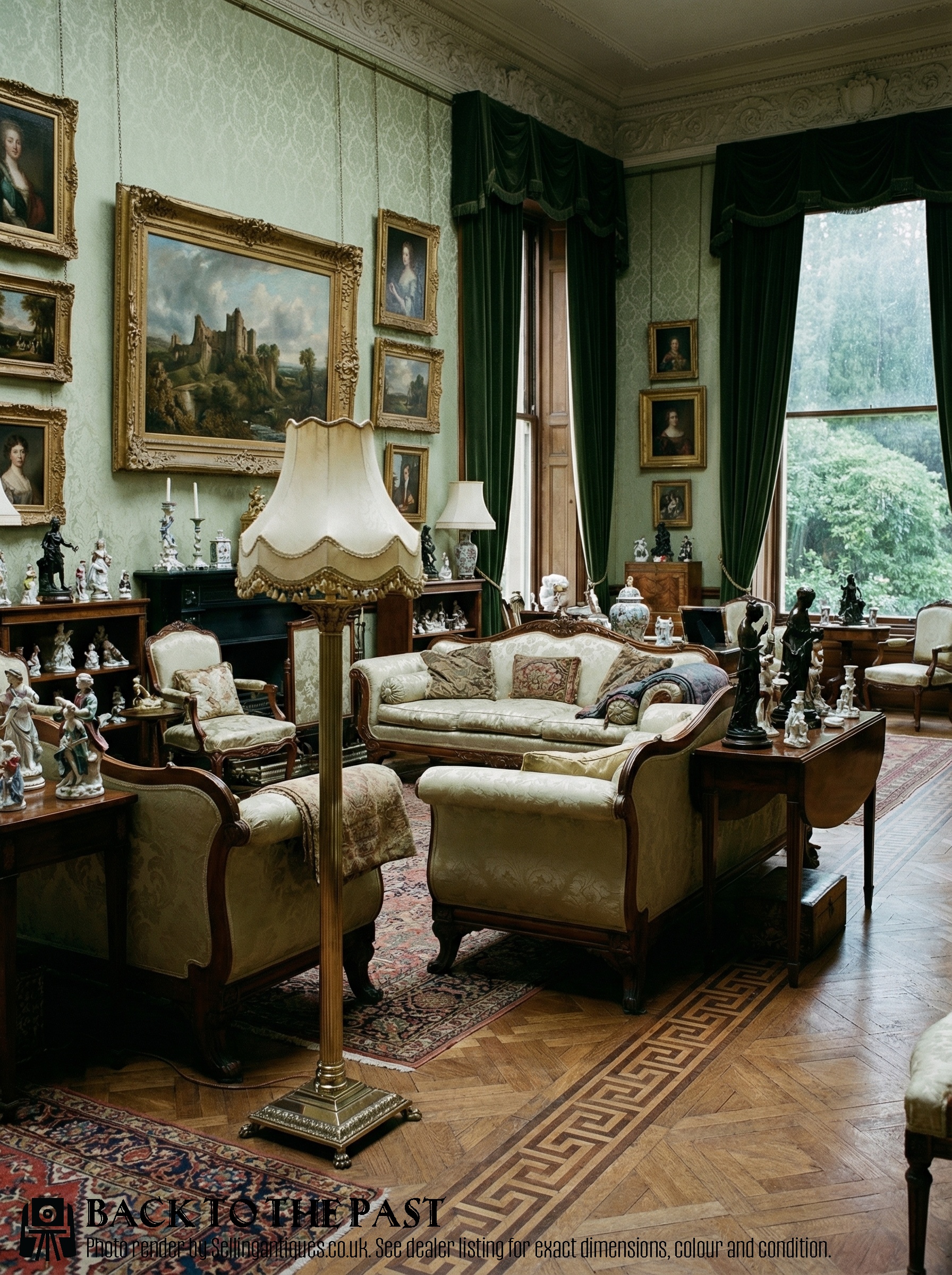
Brass Column Lamp
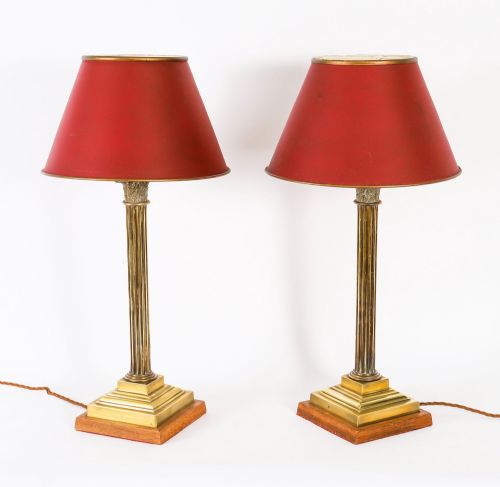
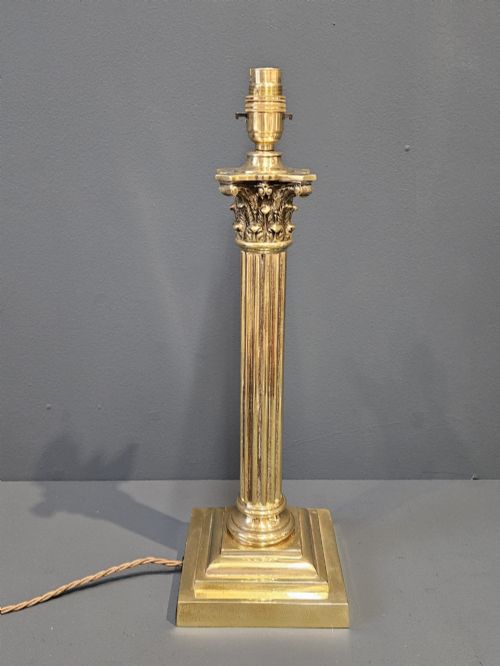
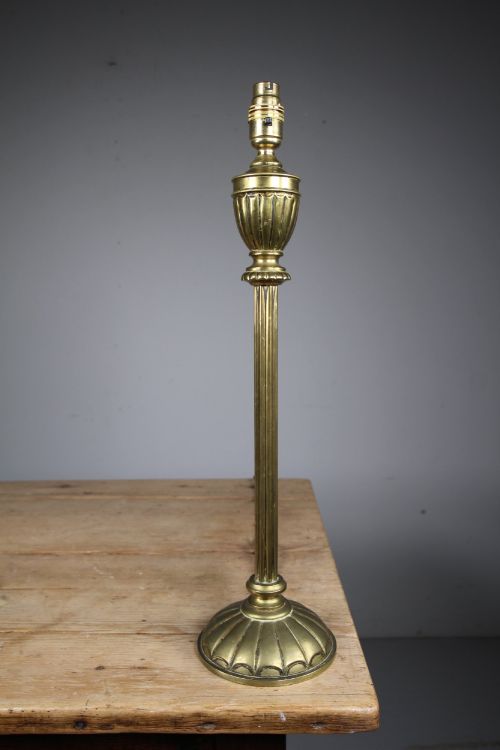
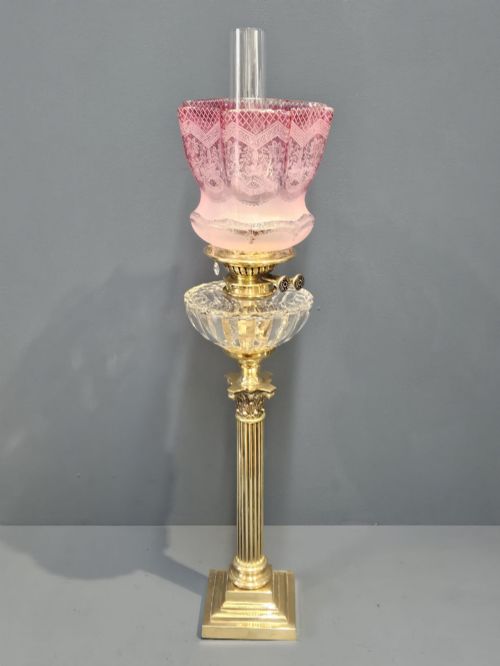
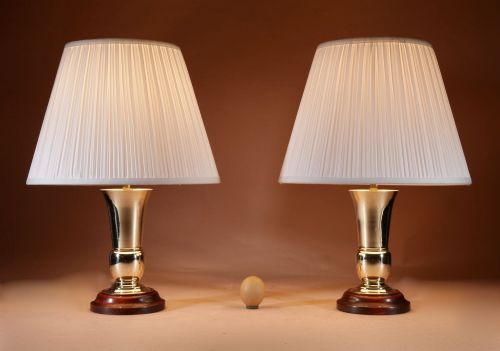
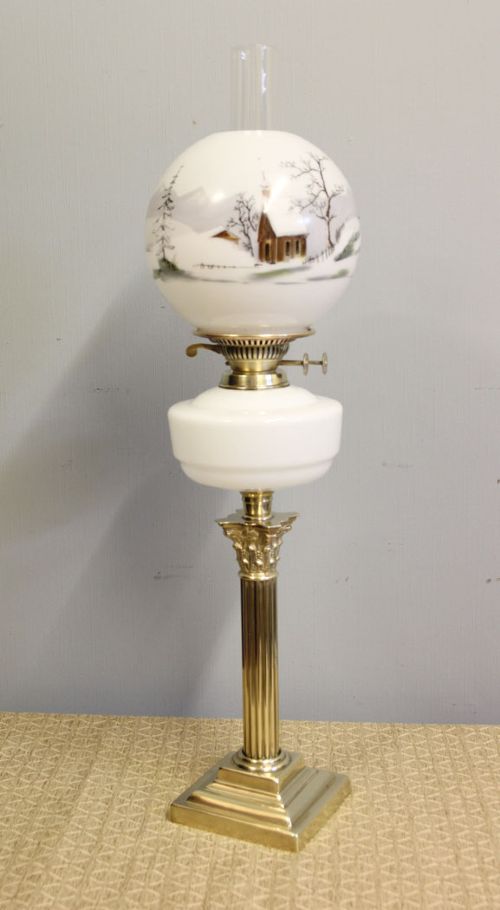
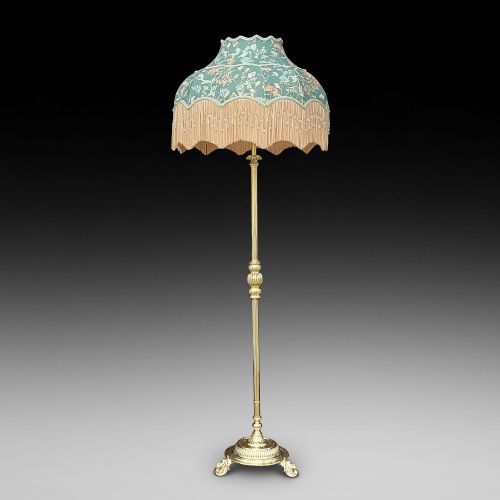
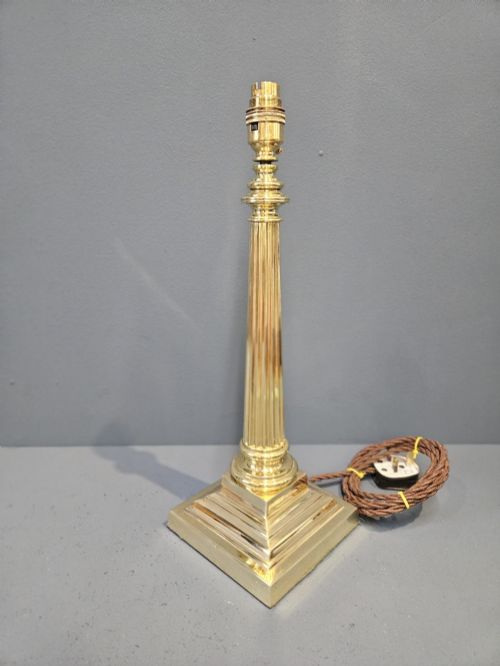
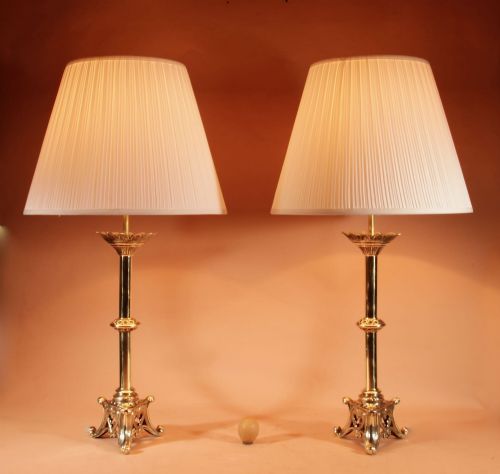
A brass column lamp draws directly upon ancient architectural orders, most frequently taking the form of a Corinthian or Ionic column elevated on a stepped square base. These upright forms appear primarily as table lamps or tall floor-standing standards designed for domestic illumination.
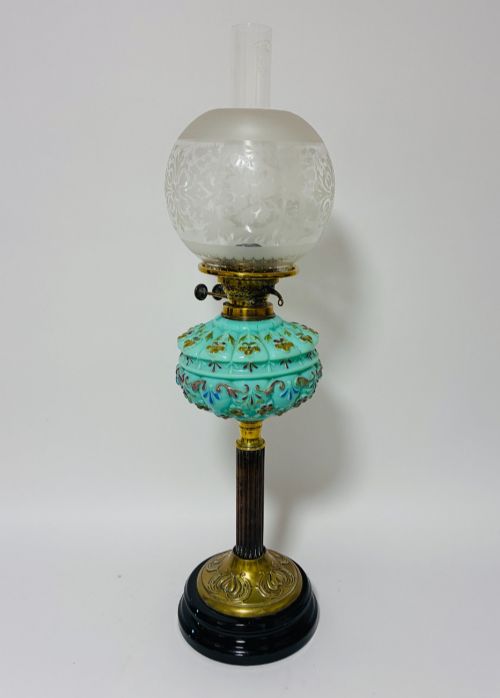
The architectural influence spans multiple periods, with pieces originating from the Victorian and Edwardian eras dominating the selection alongside examples from the nineteenth and early twentieth centuries. Many of these lighting fixtures began their domestic service as oil burners before undergoing later conversion to electricity.
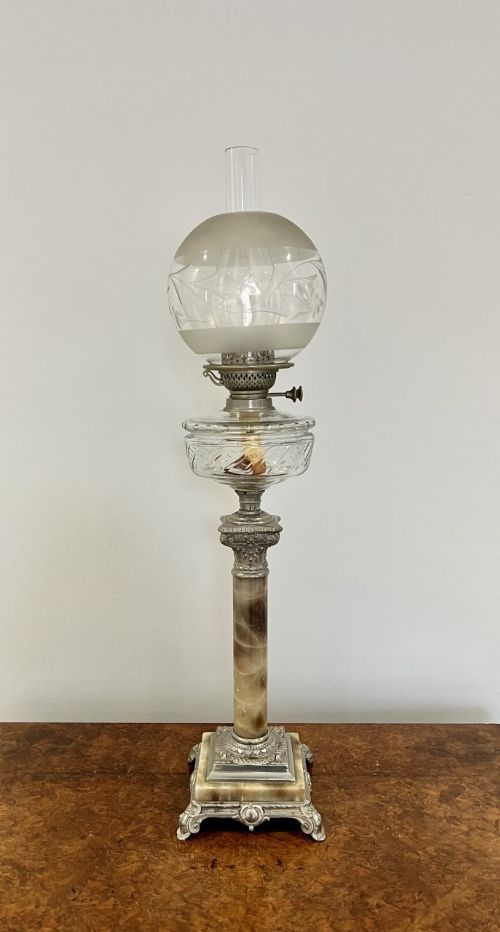
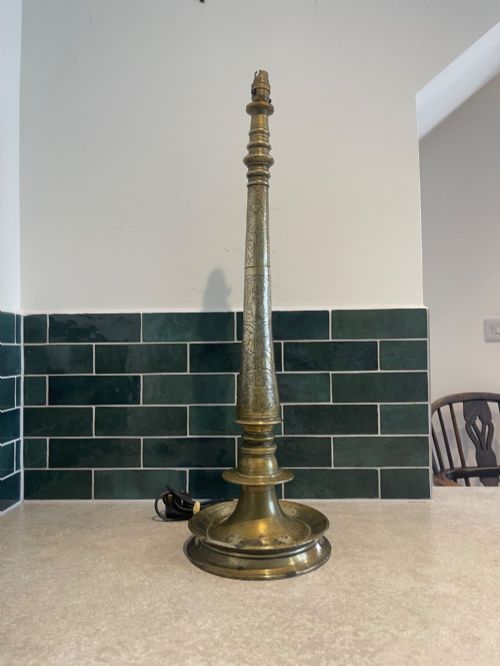
Makers utilised distinct regional designs, ranging from heavy English cast brass to French ormolu interpretations incorporating marble or onyx elements. While classical orders prevail, variations also include reeded shafts, twisted stems, and early Gothic Revival influences.
Materials and construction
Makers constructed these lighting pieces using heavy cast brass for the primary shaft and capital, often combining the metal with secondary materials such as marble, slate, or fine wood bases for added stability. Gilt bronze and ormolu appear on French examples, providing a richer surface finish than standard domestic brass.
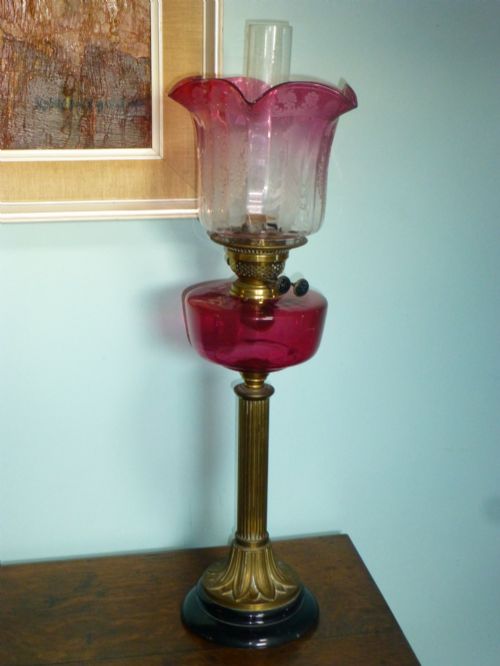
Shades paired with these metal shafts involve diverse media, including delicate cranberry glass, etched glass tulip designs, opaline glass, and patterned fabric. Burner mechanisms and reservoirs often incorporate specialised brass components signed by period inventors and manufacturers.
Brass Column Lamp Retail Price Guide 2026
Typical asking prices for brass column lamp among the pieces listed under this phrase on Sellingantiques today, from the lower quarter to the upper quarter. They describe what is for sale here now, not the wider market.
Listings feature materials spanning brass, glass, marble, and gilt bronze across Victorian and Edwardian periods.
Assessing quality and craftsmanship
Quality reveals itself in the crispness of the casting, particularly within the acanthus leaves and volutes of the Corinthian capitals, where sharper detail distinguishes finer workshops from mass production. The weight and gauge of the brass used in the column and base dictate the physical stability and longevity of the piece.
The integrity of the original components, such as heavy stepped plinths, intact burner galleries, and undamaged glass shades, elevates the standing of an individual lamp. Proportion and scale also matter greatly, with taller, heavier standards commanding greater presence than smaller domestic table variants.
Hinks and Sons·Messenger and Co
The Brass Column Lamp Glossary
- Corinthian column
- An architectural order featuring a capital decorated with carved acanthus leaves and scrolls, frequently adapted for lamp shafts. This style remains the most common design found in nineteenth-century lighting.
- Duplex burner
- A double-wick mechanism developed in the Victorian era to produce a brighter flame in oil lamps. This heavy brass hardware often bears maker stamps on the thumbwheels.
- Opaline glass
- A pale, translucent white glass popular for nineteenth-century lamp shades and reservoirs. It diffuses light softly while adding a distinct colour tone to the fixture.
- Ormolu
- Finely chased and gilded bronze used extensively in French decorative arts and lighting pieces. The technique provides a deep, warm metallic lustre distinct from standard polished brass.
- Standard lamp
- A tall floor-standing lighting column designed to illuminate a wider area of a room. These pieces often feature adjustable height mechanisms and weighted bases.
Brass Column Lamp: Frequently Asked Questions
How do I date a brass column lamp?
Dating relies primarily on stylistic clues, manufacturing techniques, and material combinations seen across the Victorian and Edwardian periods. Cast brass capitals and weighted stepped bases often display characteristics specific to nineteenth-century production.
Component construction also aids identification, as conversion from oil burning to electrical wiring typically indicates a Victorian or early twentieth-century origin. Maker stamps on burner mechanisms provide further chronological evidence.
Were these lamps originally for oil?
Many tall table lamps and floor standards began their working lives as oil-burning fixtures before subsequent conversion to electricity. Surviving reservoirs and burner galleries often remain intact beneath modern wiring.
Original oil lamps frequently feature double-burner mechanisms or specialised collars designed to hold glass shades. These functional elements transitioned smoothly into standard domestic electrical fittings over the twentieth century.
How do I style a column lamp at home?
A classical column lamp suits traditional interiors, study spaces, or living rooms where architectural symmetry is desired. Placed on side tables or desks, they introduce height and warm metallic reflection.
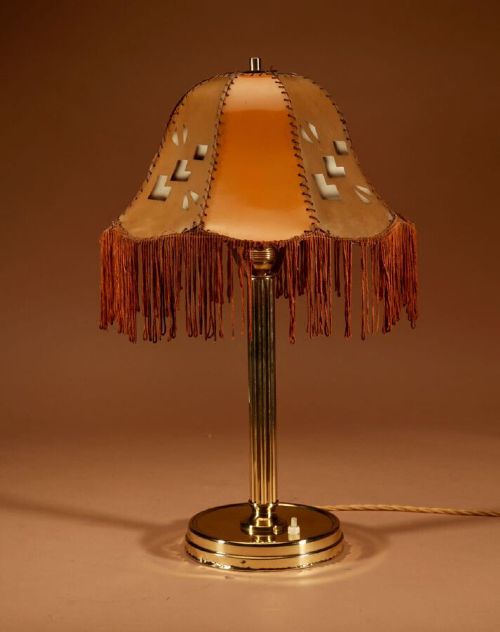
Pairing the metal base with appropriate shade materials, such as etched glass or gathered fabric, helps balance the visual weight of the heavy brass shaft. Their upright proportions work well beside timber cabinetry or upholstered seating.
What glass shades belong on these lamps?
Period lighting commonly pairs with cranberry glass, opaline glass, or etched tulip shades featuring botanical and winter scenes. These delicate glass elements contrast with the heavy metallic structure of the brass column.
Original shades often feature wide fitter rims designed to sit securely within brass galleries or burner rings. The colour and pattern of the glass frequently align with the manufacturing date of the base.