
Brass Coal Scuttle Bucket
A brass coal scuttle bucket brings the warm, reflective lustre of polished metal and timeworn wood directly to the hearth.
Brass Coal Scuttle Bucket
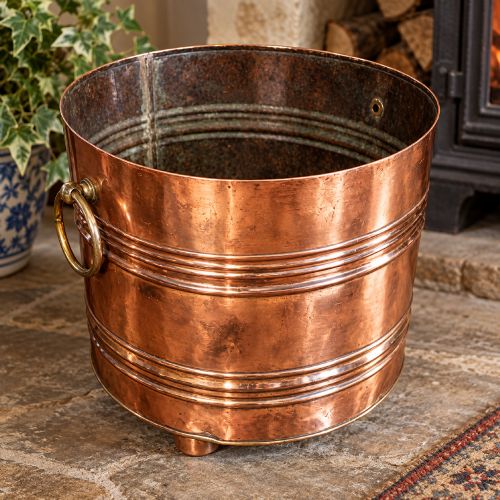
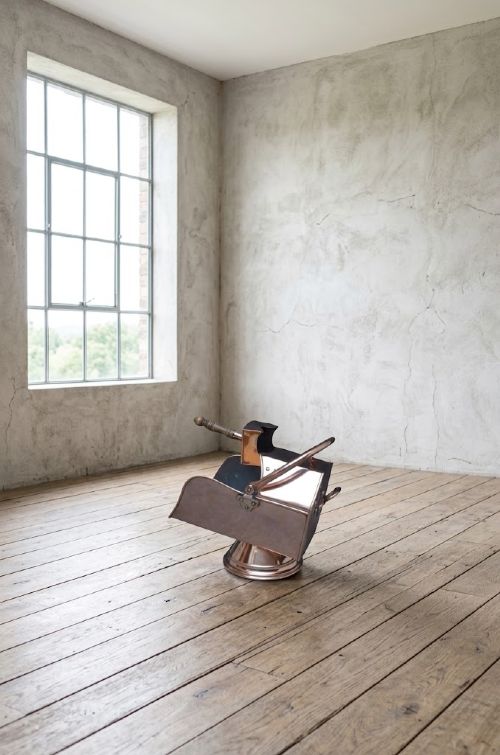
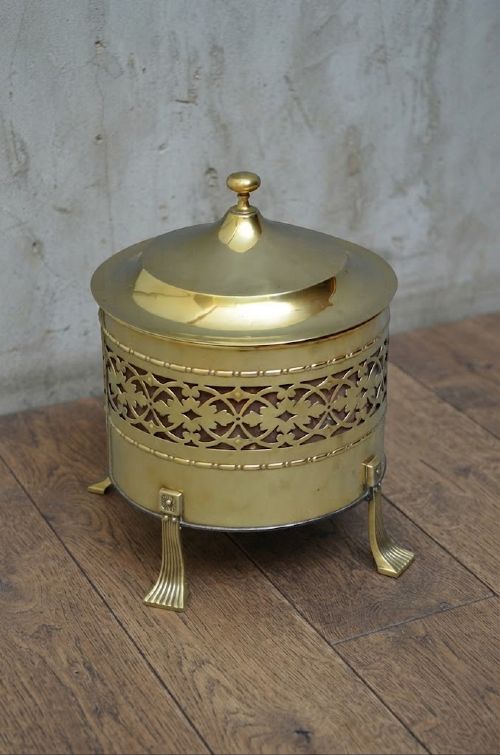
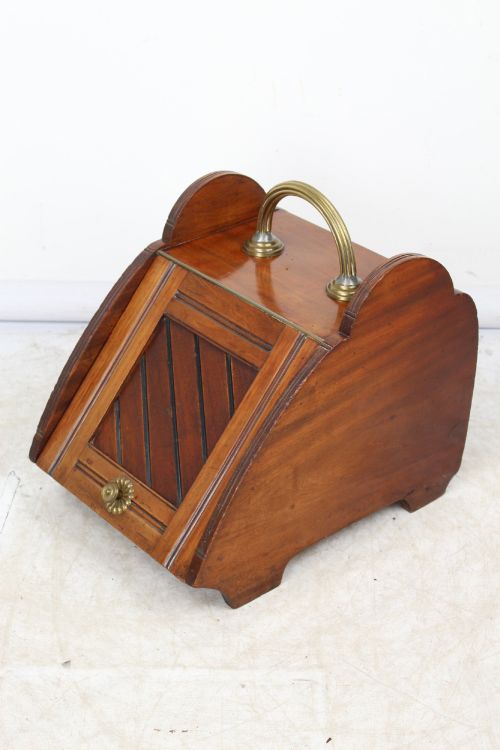
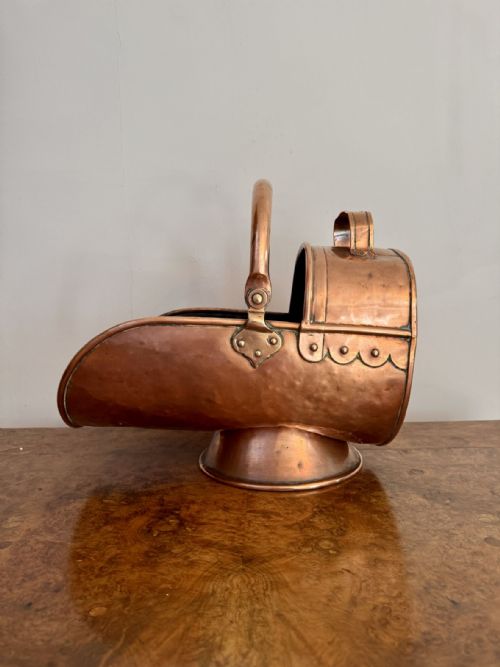
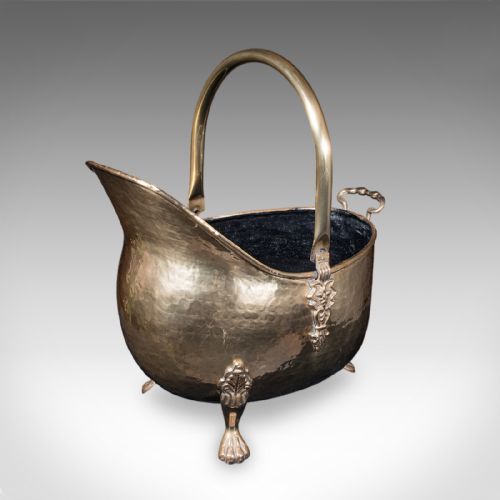
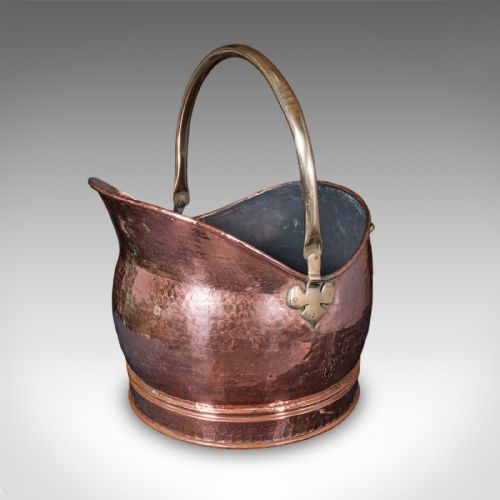
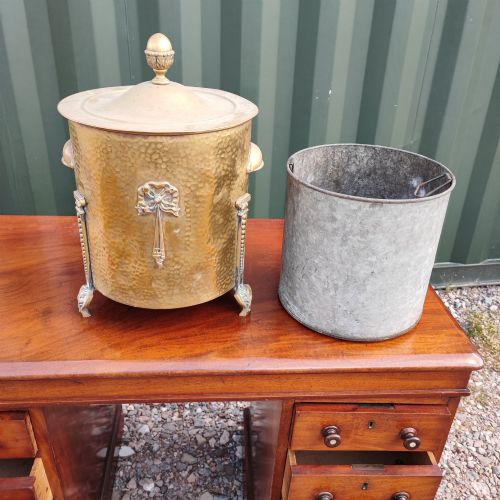
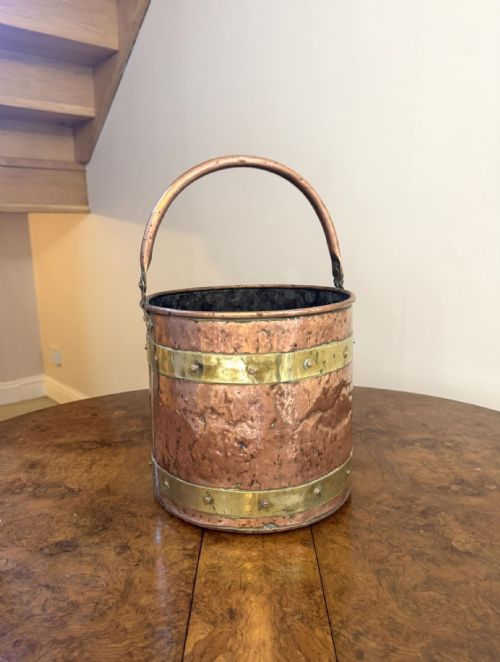
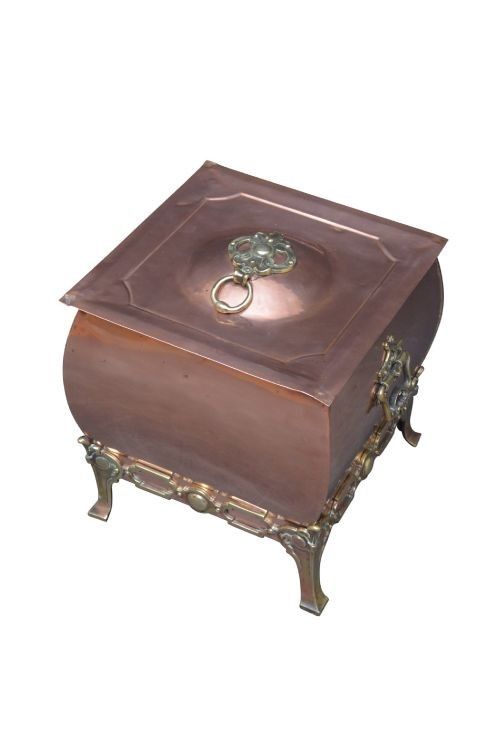
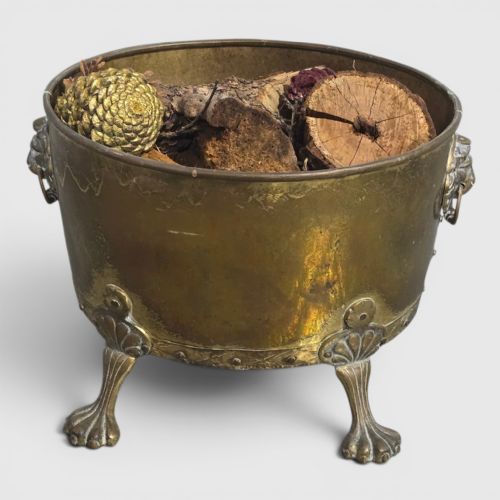
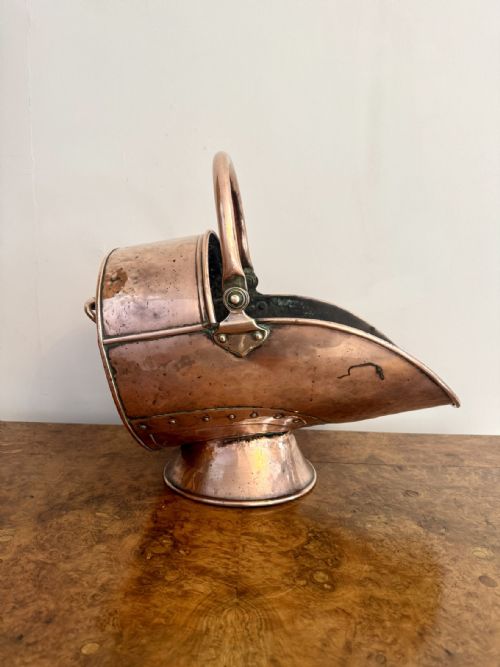
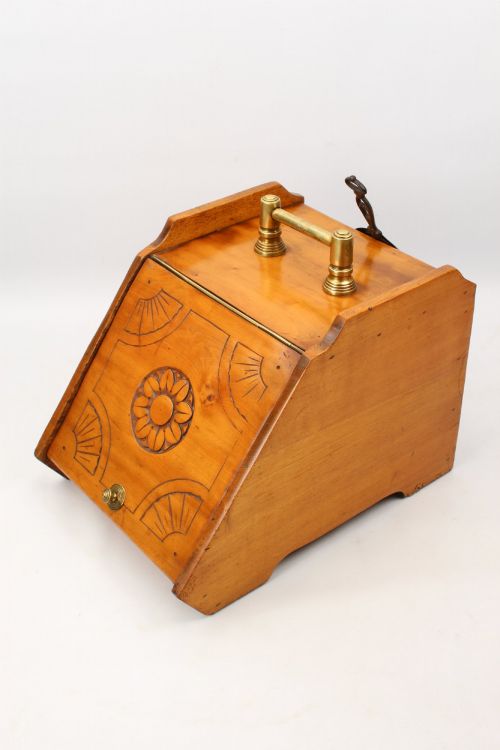
When searching for a brass coal scuttle bucket, buyers encounter heavy utilitarian vessels designed to transport and store solid fuel beside the fireplace. The selection spans distinct forms including traditional helmets, cylindrical log bins, boat-shaped peat buckets, and purdoniums.
Most pieces met on this page date from the Victorian and Edwardian eras, alongside earlier Georgian examples and later pieces stretching into the nineteen-thirties. Makers utilised these robust containers for daily hearthside service, often pairing brass with copper bodies, iron hardware, and coopered oak or mahogany staves.
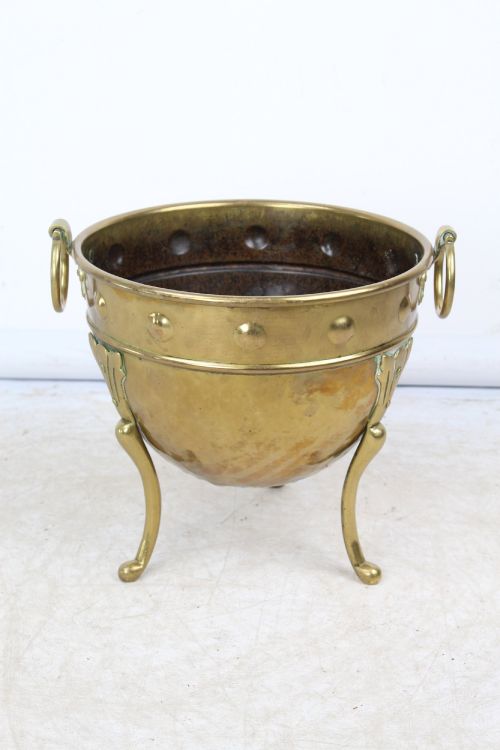
Beyond standard coal receptacles, many surviving items function equally well as planters, jardinières, or general storage bins. The inventory reflects diverse stylistic movements, moving from Georgian simplicity through Arts and Crafts hammerwork and Art Nouveau ornamentation.
How They Were Made
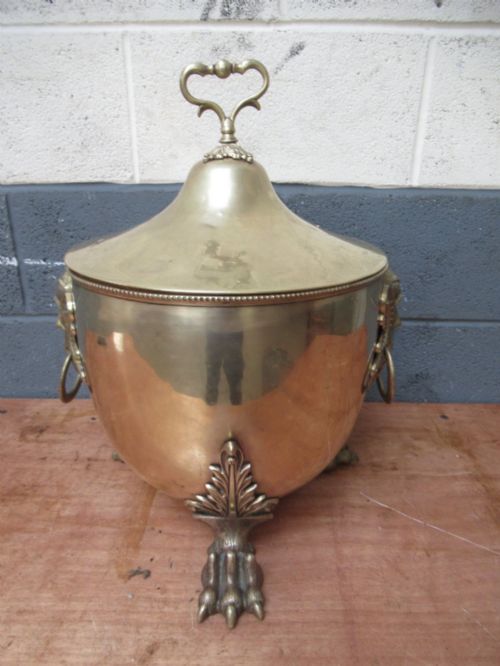
Metalsmiths constructed the primary body using heavy sheet brass and copper, frequently joined by dovetailed seams or secured with solid brass bands and rivets. Many vessels incorporate contrasting copper bodies with polished brass mounts, handles, and claw feet.
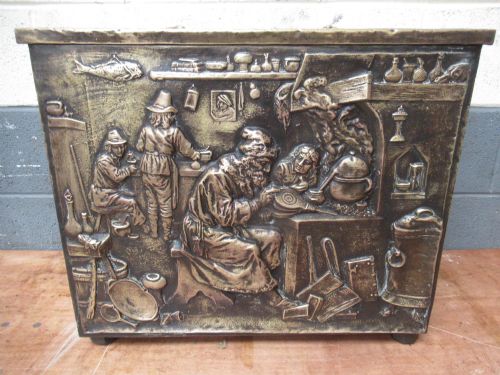
Wooded examples rely on traditional cooperage techniques, shaping staves of oak or mahogany held tightly together by encircling metal hoops. Details such as repoussé embossing, fretwork designs, and hand-hammered textures reveal the manual labour involved in shaping the metal.
Listings feature items spanning the Georgian, Victorian, Edwardian, and Art Deco periods, utilising brass, copper, oak, and mahogany.
What Varies in Quality
Gauge and weight distinguish superior vessels from lighter domestic iterations, as thicker sheet metal resists dents and holds its structural integrity under heavy loads of coal or logs. The crispness of the hand-beaten decoration and the complexity of embossed motifs dictate artistic merit.
Originality of components matters immensely, with integral liners, matching shovels, and authentic period handles preserving the integrity of the piece. Superior examples display thoughtful joinery, such as finely fitted wooden staves or robust dovetailing that withstands decades of hearthside use.
Henry Loveridge·Benham and Froud·Petrus Ramus
The Brass Coal Scuttle Bucket Glossary
- Coal Helmet
- A traditional coal scuttle shaped with a flared lip resembling a classical helmet, designed for easy pouring into the grate.
- Purdonium
- A box-style coal container featuring a sloping front door and a dedicated interior metal liner for holding fuel.
- Coopered
- A method of construction where tapered wooden staves are bound together with metal hoops, much like a traditional barrel.
- Jardinière
- An ornamental pot or stand designed to hold plants or flowers, often repurposed from antique coal buckets.
- Repoussé
- A metalworking technique where the artisan hammers the design from the reverse side to form raised ornamentation on the front.
Brass Coal Scuttle Bucket: Frequently Asked Questions
How do I date a brass coal bucket?
Dating relies on combining stylistic clues with construction methods visible on the body and base. Georgian pieces often display heavy brass banding and simpler hand-hammered seams, while Victorian examples lean towards ornate embossing and Arts and Crafts influences.
Makers' marks, where present, help pinpoint specific Victorian and Edwardian foundries. Examining the wear patterns on the underside and handles also provides a reliable indicator of age.
Can I use an antique coal scuttle for logs?
Most antique coal scuttles and log bins suit storing firewood beside an active fireplace. Cylindrical log bins and boat-shaped buckets offer ample interior space for kindling and larger logs alike.
Checking for an original interior metal liner ensures the vessel contains debris and protects the outer brass or wood structure from moisture.
How do I clean antique brass and copper?
Preserving the aged patina requires gentle cleaning with warm soapy water and a soft cloth to remove accumulated soot and dust. Aggressive metal polishes strip away the historical surface character that collectors value.
Keeping the metal dry prevents oxidation spots from forming on vulnerable brass surfaces and copper bands.