


Brass Chinoiserie Clock
A brass chinoiserie clock brings together intricate hand-painted oriental motifs and heavy metal movements, offering a striking focal point for any interior.
Brass Chinoiserie Clock
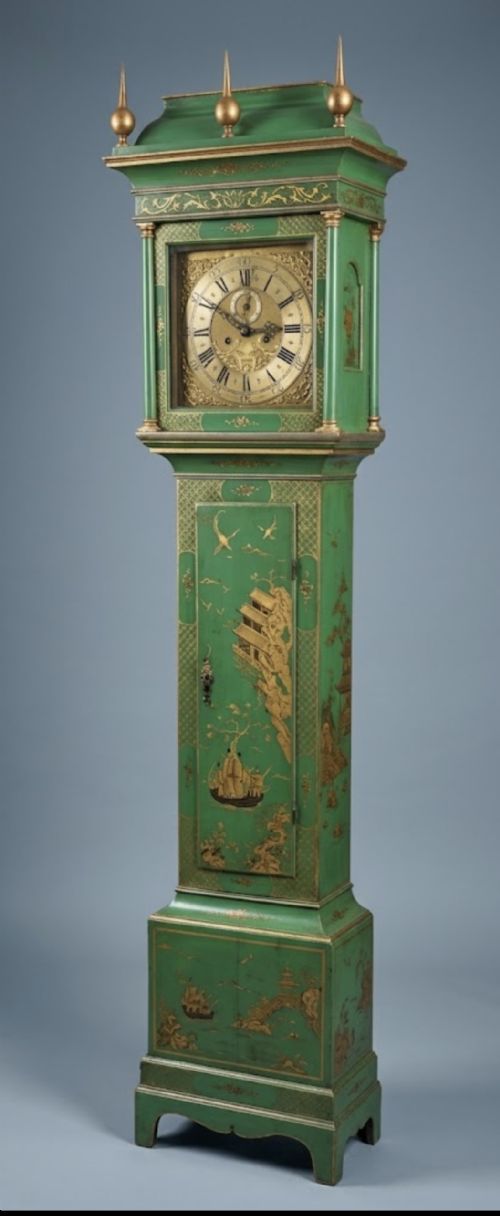
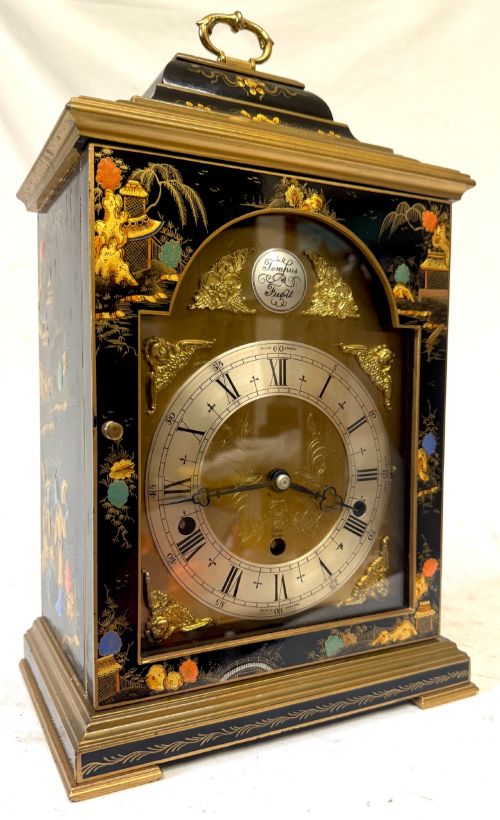
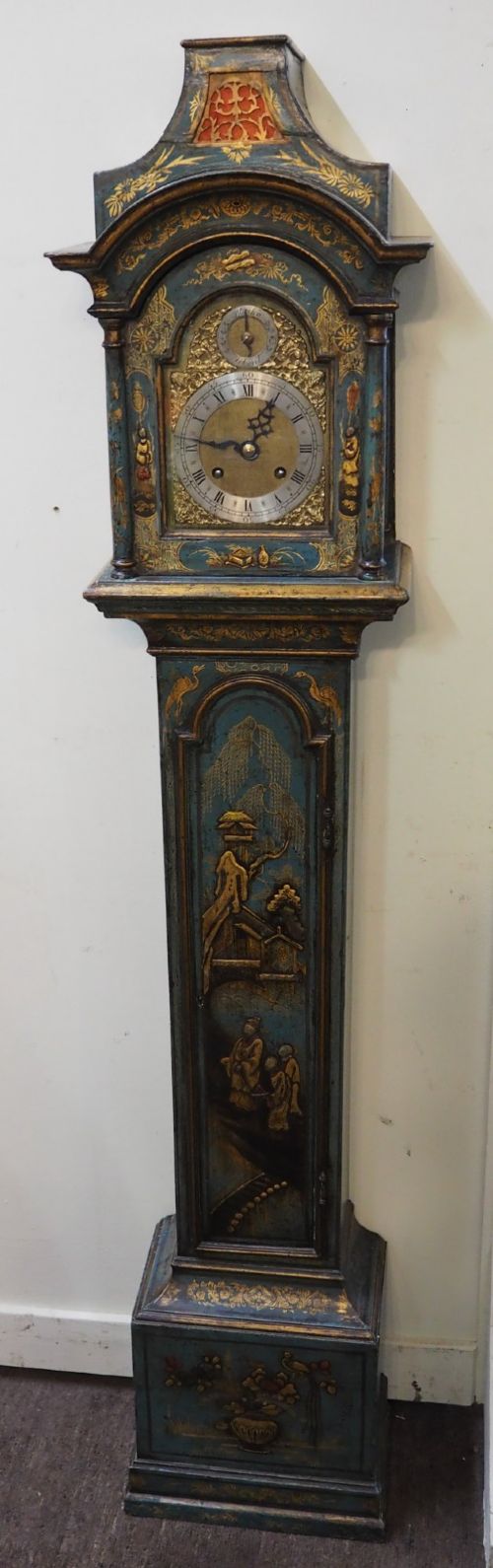
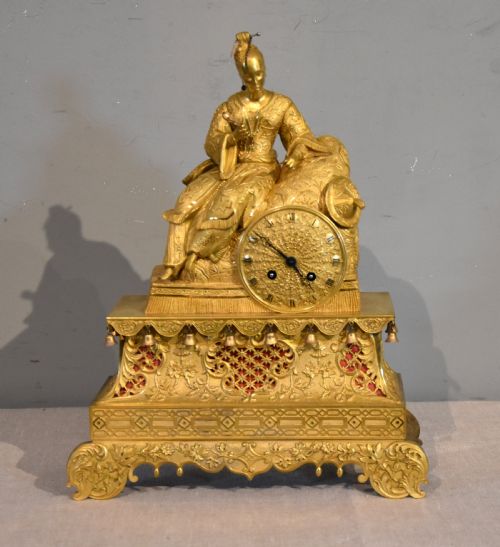
A brass chinoiserie clock encompasses a variety of timepieces decorated with orientalist motifs, most commonly found in tall longcase formats or smaller bracket designs. These pieces span from the 18th century through to later revivals, displaying distinctive decorated wooden cases alongside metallic dials and movements.
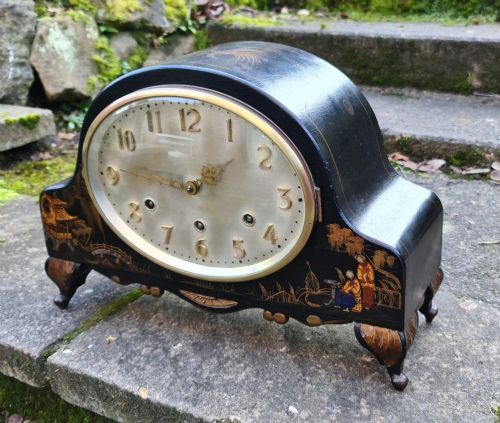
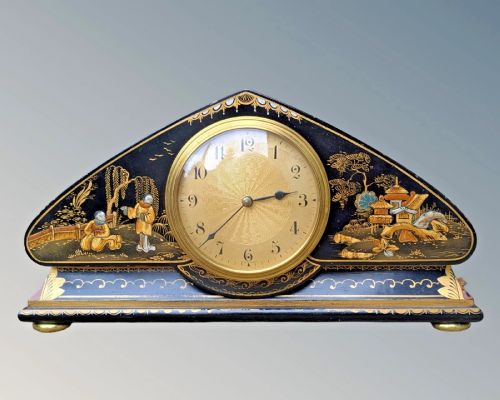
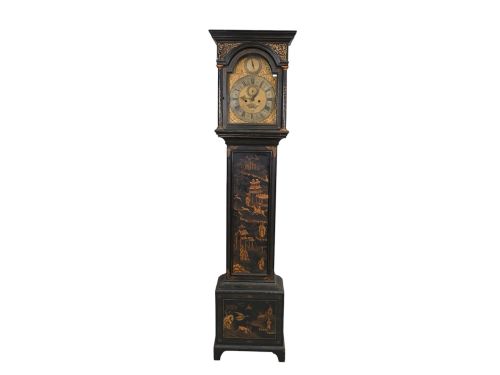
The selection ranges from grand grandfather clocks housed in green or black lacquered wood to compact mantel and desk models. Buyers will frequently encounter longcase and bracket clocks originating from Georgian periods alongside mid-20th-century interpretations.
Makers such as John Fielder of Alton, Wise of Reading, and James Smith of London populate the earlier examples, bringing documented provenance to the category. Alongside these tall floor-standing iterations, smaller mantel clocks appear in cream, red, and blue lacquer finishes.
Materials and construction
Construction relies heavily on timber cases treated with lacquer, japanning, and gilt decoration to achieve the signature oriental scenes. Brass forms the mechanical movements, decorative bezels, and engraved dial plates that sit within these painted housings.
Craftsmen applied multiple layers of varnish and pigment to wood substrates before raising and gilding the decorative motifs by hand. The internal brass gear trains, often featuring anchor or verge escapements, were paired with cast bronze or ormolu mounts on select French and English models.
Object forms span grand longcases, compact mantel pieces, desk timepieces, and traditional bracket clocks.
Distinctions in quality
Quality rests upon the crispness of the hand-painted or gilt decoration and the depth of the lacquering on the wooden case. Finer examples display intricate, well-preserved pictorial scenes without heavy modern repainting, alongside robust brass movements bearing the signature of a known maker.
The integrity of the structural joinery in the longcase bodies and the original state of the brass dial engraving separate standard production from superior craftsmanship. Balance is also found in the harmony between the decorative exterior and the mechanical complexity of the internal train.
John Fielder of Alton·Elliott London·Wise of Reading·James Smith London·Chater and Son London·Robert Berry·Jaeger Le Coultre
The Brass Chinoiserie Clock Glossary
- Chinoiserie
- European decorative art influenced by Chinese and East Asian artistic traditions. This style dominates the painted landscapes and figures found on the exterior cases of these timepieces.
- Japanning
- A European imitation of East Asian lacquerwork involving layers of varnish heat-cured and polished. It provides the glossy, dark background typical of many period clock bodies.
- Longcase clock
- A tall pendulum clock enclosed in a wooden case designed to stand upright on the floor. These tall structures house the brass movement and weighted chains.
- Bracket clock
- A portable table or shelf clock originally designed to sit upon a wall bracket. They frequently feature carrying handles and glazed side panels to display the brass mechanism.
- Escapement
- The mechanical linkage that regulates the speed of the clock by controlling the release of the gear train. Examples include anchor and chaff-cutter variations.
Brass Chinoiserie Clock: Frequently Asked Questions
Where were brass chinoiserie clocks placed?
Longcase clocks stood in the principal hallways or reception rooms of large houses to mark the hours for the household. Smaller bracket and mantel versions sat upon desks, side tables, or fireplace mantels.
Their decorative painted surfaces meant they served as prominent status symbols as well as functional timekeepers for daily life.
How do I identify an 18th century clock?
Eighteenth-century examples typically feature hand-painted japanned or lacquered wooden cases housing brass movements signed by period makers on the dial face. The casework often shows signs of age-related craquelure and traditional joinery methods.
Later revival pieces from the 20th century utilise similar motifs but generally house different mechanical standards or cleaner modern finishes.
What is a bracket clock?
A bracket clock is a portable timepiece built with a flat base and a carrying handle on top, allowing it to be moved easily between rooms. They were originally constructed to rest on wall brackets to project sound effectively.
Inside, they contain complex brass movements, sometimes featuring multiple trains for chiming or alarm functions.
How do longcase and grandfather clocks differ?
The terms are largely interchangeable, with longcase being the traditional horological description for tall pendulum clocks housed in wooden floor cases. Grandfather is simply the colloquial name that gained popularity later.
Both styles utilise heavy brass movements and weighted systems enclosed within the slender decorated trunk.