
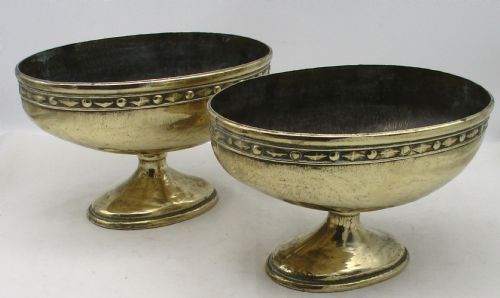
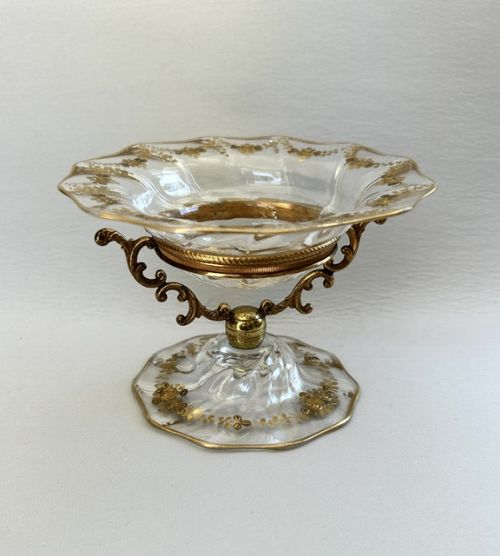
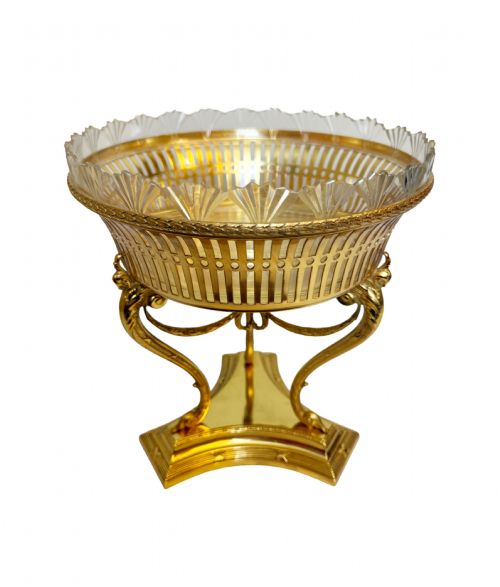


Brass Centerpiece Bowls
These brass centerpiece bowls range from nineteenth-century church vessels to decorative jardinieres, bringing heavy metal and glass to a table.
Brass Centerpiece Bowls
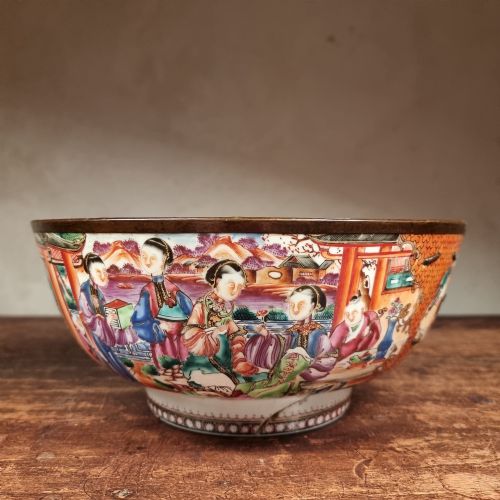
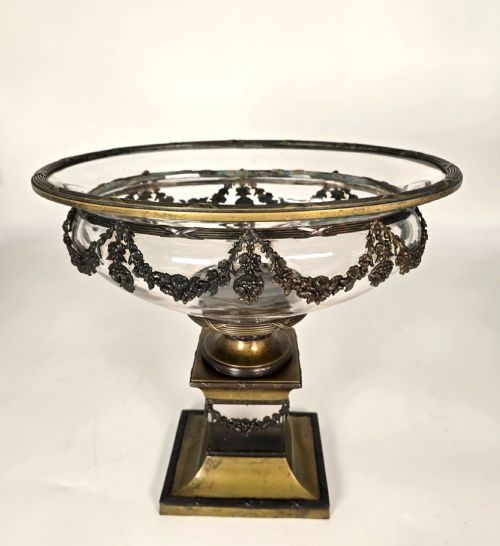
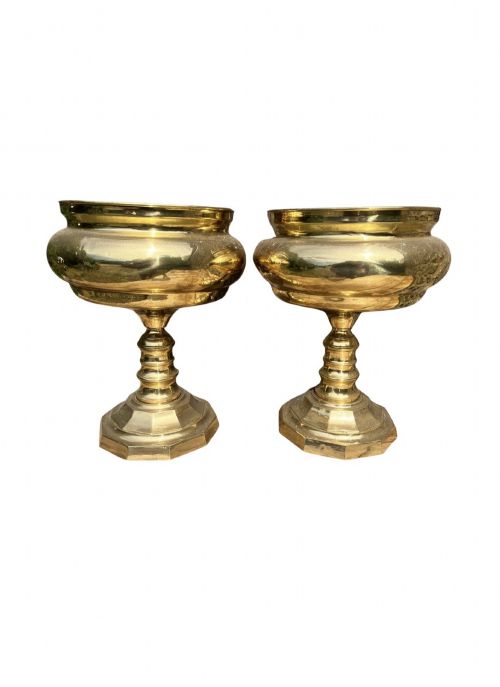
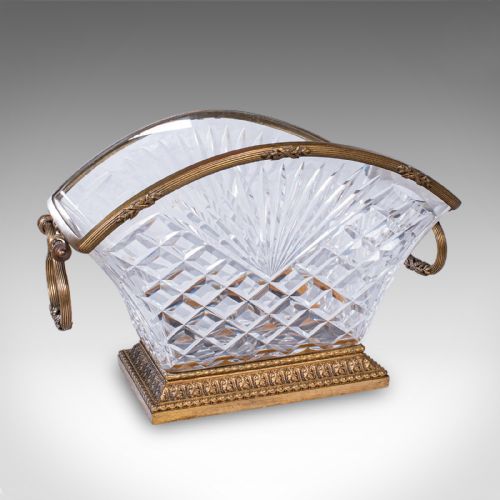
Brass centerpiece bowls encompass an eclectic mix of forms, including pedestal bowls, tazzas, urns, and jardinieres originating from Britain, France, China, Japan, and India. You will frequently encounter nineteenth-century examples, ranging from plain brass church vases to elaborate French ormolu and glass vessels.
The selection includes specialised serving forms such as monteiths and punch bowls alongside decorative bronze and copper vessels. Pieces often incorporate mixed metals or enamel work, showing both European stylistic revivals and Asian craftsmanship.
Quality and Execution
Quality rests upon the crispness of the casting work and the precision of applied mounts. Finer examples show careful chasing on bronze surfaces and tight, clean integration between metal stands and glass or porcelain inserts.
The weight of the metal and the complexity of decorative techniques, such as detailed cloisonne enamel or mixed metal inlay, distinguish superior production. Proportion and balance in pedestal designs separate standard utilitarian vessels from grand decorative centerpieces.
Several pieces feature small and large bird decorations alongside lions mask handles, bringing a menagerie of wildlife to the tabletop.
The Brass Centerpiece Bowls Glossary
- Tazza
- A shallow bowl or cup mounted on a stem and foot, frequently utilised for display or serving. These pieces date across the nineteenth century in bronze and brass.
- Ormolu
- Gilded bronze utilised for decorative mounts and stands on nineteenth-century glass and porcelain bowls. This technique provides a bright golden finish to cast metal details.
- Cloisonne
- An enamel technique where metal wire forms compartments on a metal base, filled with paste and fired. Japanese examples from the late nineteenth century show this method.
- Jardiniere
- An ornamental pot or bowl designed to hold plants or flowers. These items appear in brass and feature handles such as lion masks.
- Monteith
- A type of scalloped bowl used in the eighteenth century for cooling wine glasses. The rim is notched to allow glasses to hang by their bases.
Brass Centerpiece Bowls: Frequently Asked Questions
How do I clean brass centerpiece bowls?
Maintenance depends on the surface finish and whether the metal possesses a historic lacquer or patina. Gentle dusting and mild soapy water suit most stable antique surfaces.
Avoid harsh chemical polishes that strip original patination or damage delicate enamel, glass, and gilt bronze elements.
Were these bowls used for food?
Some vessels functioned as punch bowls, serving dishes, or monteiths for dining tables. Others served purely decorative purposes as jardinieres, church altar garnitures, or centrepieces.
Examine the interior material, such as glass inserts or plated linings, to determine original utility versus dry display.
How do I date a brass bowl?
Dating relies on stylistic markers, manufacturing techniques, and material combinations seen in nineteenth-century production. French Empire, Victorian Gothic, and Meiji period pieces each carry distinct decorative vocabularies.
Weight, casting seams, and the integration of secondary materials like porcelain or cloisonne provide further chronological clues.
What is cairoware?
Cairoware describes nineteenth-century metalwork featuring intricate mixed metal inlay inspired by Islamic designs. These pieces typically combine brass with contrasting metals to create dense geometric patterns.
Victorian examples integrate these Near Eastern revival aesthetics into circular bowls and decorative vessels.