


Brass Footed Bowl
A brass footed bowl brings weight and a steady platform to a table, uniting utilitarian metalwork with decorative ambition across the centuries.
Brass Footed Bowl
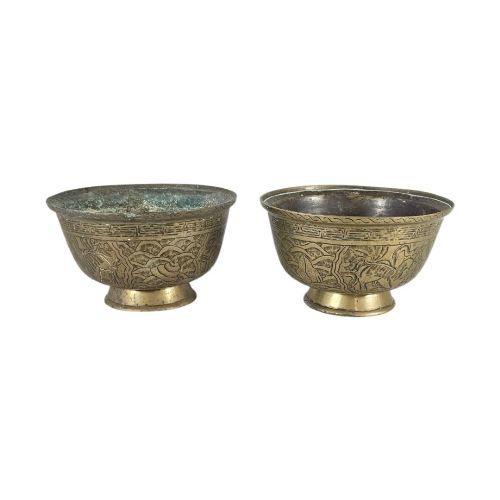
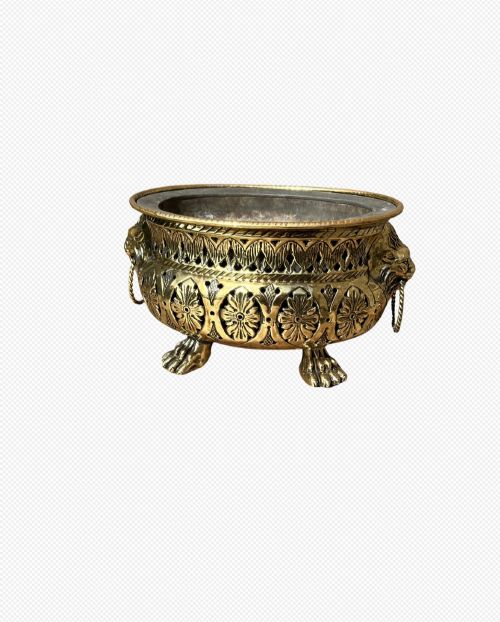
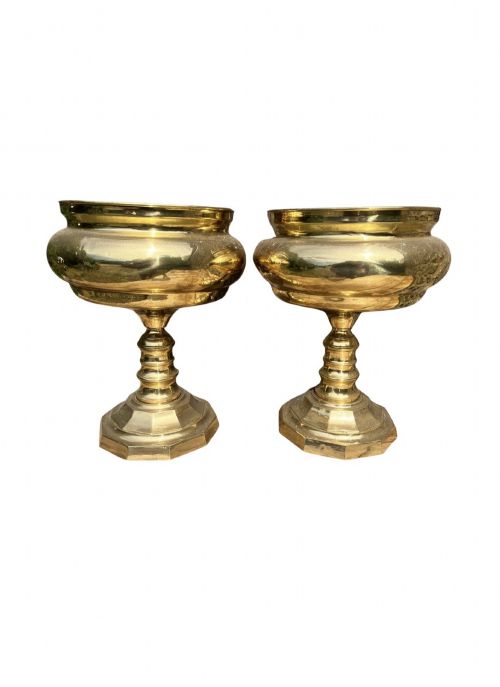
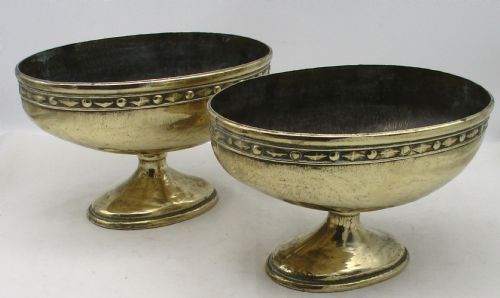
A brass footed bowl takes several distinct forms on this page, appearing as jardinieres, comports, goblets, and pedestals raised on feet or bases. These pieces serve primarily as decorative vessels or centrepieces rather than simple kitchenware.
The objects span multiple stylistic vocabularies, running from Victorian Gothic and French Empire to Qing Dynasty bronzes and Grand Regency designs. Buyers encounter both plain utility vessels and elaborate pieces mounted with porcelain or hardstone.
Origins stretch from English and French workshops to Italian and Chinese hands, utilising materials that range from solid brass and gilt bronze to alabaster and porcelain. Each piece relies on its raised foot to lend presence and elevation to the room.
How they were made
Metalworking techniques dictate the construction of these vessels, combining cast elements with raised sheet metal and applied decorative motifs. Makers utilised repoussé work to hammer detailed patterns into the surface from the reverse, creating high-relief floral or animal designs.
Foundry methods allowed for the creation of heavier cast bronze and brass components, including lion mask handles and stepped pedestal bases. Decorative pieces often integrate mixed media, combining metal frames with carved alabaster bowls or Samson porcelain inserts.
Listings feature items spanning the eighteenth, nineteenth, and early twentieth centuries, alongside distinct Qing Dynasty bronzes.
What varies in quality
Quality reveals itself in the crispness of the casting and the depth of the repoussé work, where sharper details indicate superior craftsmanship. The articulation of applied elements like handles and mounts separates standard production items from finer studio or foundry pieces.
The choice and integration of secondary materials dictate the tier of the object, particularly in examples combining bronze with porcelain, hardstone, or alabaster. Finer vessels show careful assembly and substantial metal gauge rather than thin, pressed construction.
The Brass Footed Bowl Glossary
- Comport
- A raised dish or bowl on a stem and foot, used traditionally for serving fruit or sweets at the table.
- Repoussé
- A metalworking technique where a design is hammered into relief from the reverse side of the sheet metal.
- Gilt bronze
- Bronze that has been coated with a thin layer of gold, often referred to as ormolu in French decorative arts.
- Pietra dura
- An artistic technique using cut and fitted polished coloured stones to create geometric or figurative designs.
Brass Footed Bowl: Frequently Asked Questions
What is a brass footed bowl used for?
These vessels function primarily as decorative centrepieces, table ornaments, or indoor plant holders depending on their specific form.
Historically, pieces like comports held fruit or sweetmeats, while heavier pedestals and jardinieres served to display floral arrangements.
How do I date a brass bowl?
Dating relies on stylistic clues, manufacturing marks, and the specific combination of materials present in the object.
Victorian Gothic and French Empire pieces carry distinct decorative motifs, whereas Asian bronzes often feature period-specific reign marks or patination.
What is the difference between brass and bronze?
Brass is an alloy primarily composed of copper and zinc, yielding a brighter, yellower tone when polished.
Bronze is an alloy of copper and tin, generally darker and heavier, often utilised for higher-relief casting and fine sculptural work.
How should I clean antique brass?
Antique metalwork benefits from gentle dusting and minimal intervention to preserve the natural oxidation and historical patina.
Aggressive chemical cleaning strips the surface history, so most collectors prefer to leave older finishes undisturbed.