
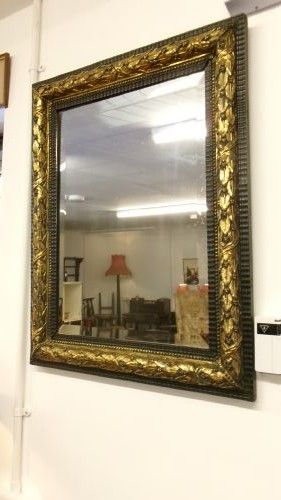


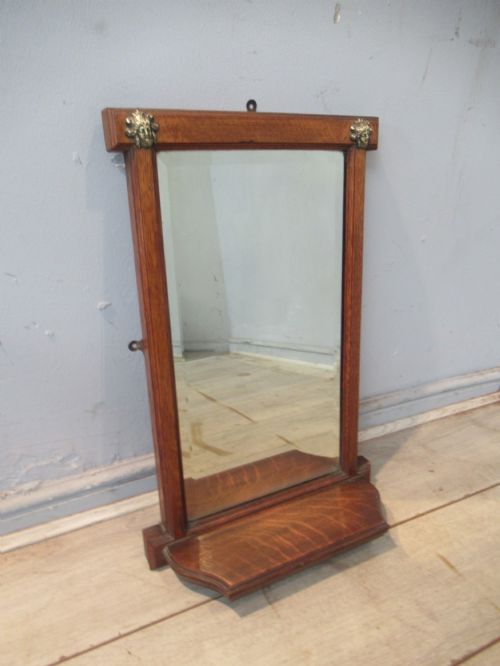


Brass and Wood Mirror
A brass and wood mirror brings warmth and reflection together, combining polished metalwork with timber frames across periods from the eighteenth century onwards.
Brass and Wood Mirror
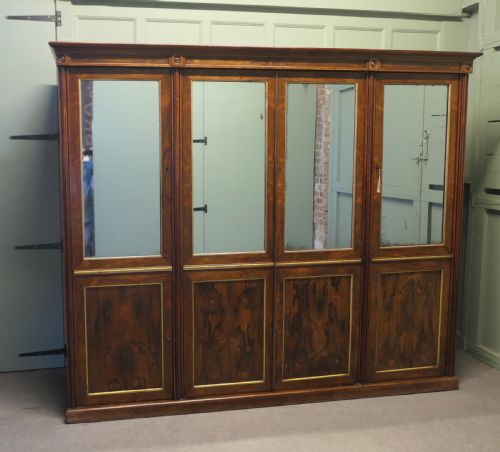
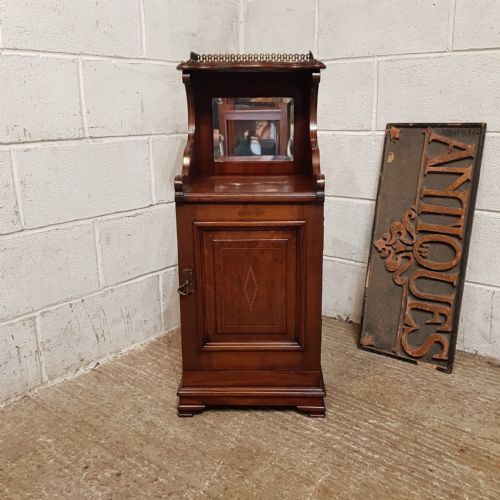
A brass and wood mirror comprises looking glass set within timber frames augmented by brass mounts, inlays, or structural hooks. These objects appear as wall mirrors, overmantel mirrors, cheval mirrors, and toilet mirrors originating from nineteenth-century workshops, Regency studios, and Victorian households.
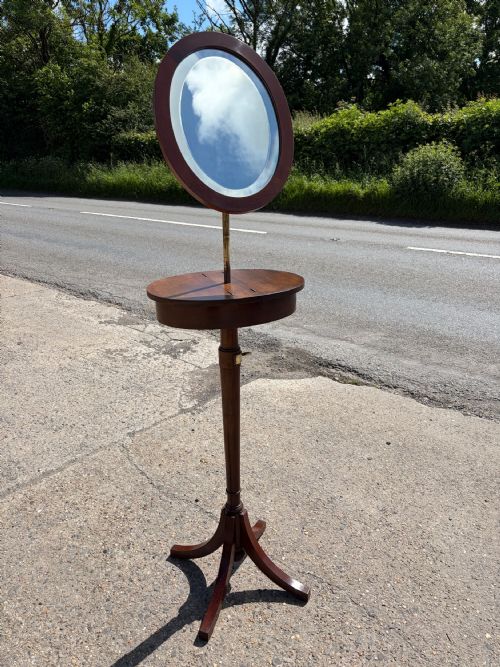
The domestic forms vary from portable shaving stands and toilet glasses to grand cheval mirrors and architectural wall pieces. Many items utilise rich tropical timbers combined with metal detailing, spanning Georgian elegance through to late Victorian production.
Regional variations include Anglo-Indian and Kashmiri pieces featuring intricate brass wire inlay upon dense wood bases. European examples lean towards French Empire, Napoleon III, and Regency idioms with applied brass mouldings and rosewood or mahogany carcases.
How they were made
Cabinetmakers constructed the primary carcases using dense hardwoods such as mahogany, rosewood, walnut, and fruitwood. Timber frames were hand-sawn, joined with traditional joinery, and polished to highlight natural grain patterns.
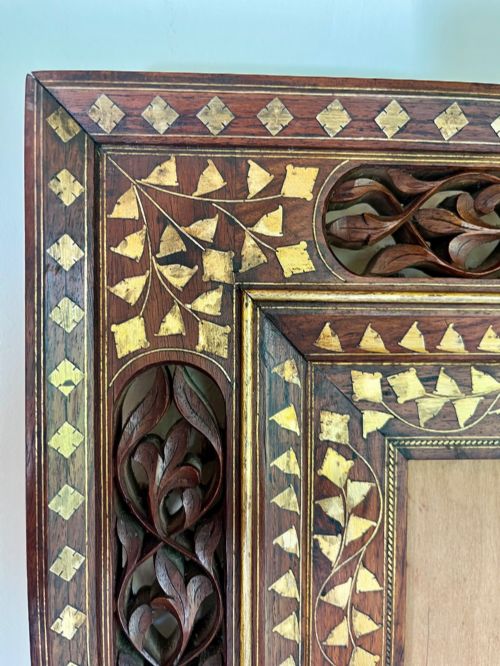
Brass elements arrived as cast mounts, repoussé sheets, or precision-cut brass stringing inlaid directly into channels routed within the wood surface. Mercury-silvered or early mirror glass was secured at the reverse, often protected by wooden backboards.
Listings feature woods spanning mahogany, rosewood, walnut, fruitwood, and oak paired with brass and mirror glass across the nineteenth and twentieth centuries.
What varies in quality
Quality rests upon the precision of the brass inlay and the depth of the timber selection. Finer pieces demonstrate meticulous hand-cut brass stringing flush with the surrounding wood, whilst lesser examples rely on surface-applied stamped metal.
Proportion and structural integrity define the upper tier, particularly in adjustable cheval mirrors and pivoting toilet glasses where heavy brass hardware must support substantial glass plates without sagging.
Gillows·Holland and Sons·Jenkins of Old Swindon
The Brass and Wood Mirror Glossary
- Cheval mirror
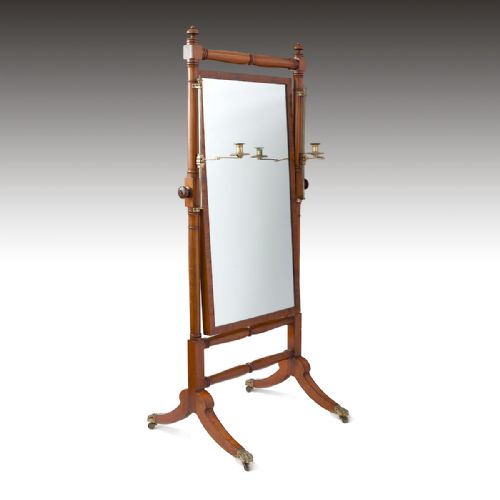
- A full-length plate glass mirror suspended on a vertical swivelling frame between two upright pillars. These large standing glasses allow a full view of attire.
- Overmantel mirror
- A wide mirror designed specifically to hang upon the wall above a fireplace mantelpiece. They frequently match the horizontal proportions of nineteenth-century chimney breasts.
- Repoussé
- A metalworking technique where brass is hammered from the reverse side to form raised decorative reliefs. This process creates tactile surface patterns on nineteenth-century frames.
- Girandole
- A decorative wall mirror featuring attached candle sconces that reflect candlelight into the room. These functional fixtures combine illumination with polished glass.
- Stringing
- A narrow strip of contrasting material inlaid into the surface of wood furniture. In these pieces, brass stringing creates fine geometric borders around the mirror perimeter.
Brass and Wood Mirror: Frequently Asked Questions
How do I date a brass and wood mirror?
Dating relies on combining timber choices with the fixing methods of the brass components and the bevelling of the glass plate. Georgian and Regency pieces typically show hand-cut brass inlay on rosewood or mahogany, while late Victorian items often feature machine-stamped mounts on oak or walnut.
Examining the reverse provides further clues through backboard construction and screw types. Hand-carved or hand-turned wooden components generally point to earlier periods before mass production standardised framing techniques.
Where should I hang a heavy cheval mirror?
Cheval mirrors are freestanding floor pieces rather than wall-hung objects, requiring a stable surface to bear their considerable weight safely. Placing them in bedrooms or dressing rooms allows the swivelling frame to tilt for full-length reflections.
Ensure the floor beneath is level so the supporting side pillars maintain proper tension on the pivot pins. Keeping the mirror away from direct sunlight protects the rosewood or mahogany polish from fading over time.
What is the difference between a toilet mirror and a shaving mirror?
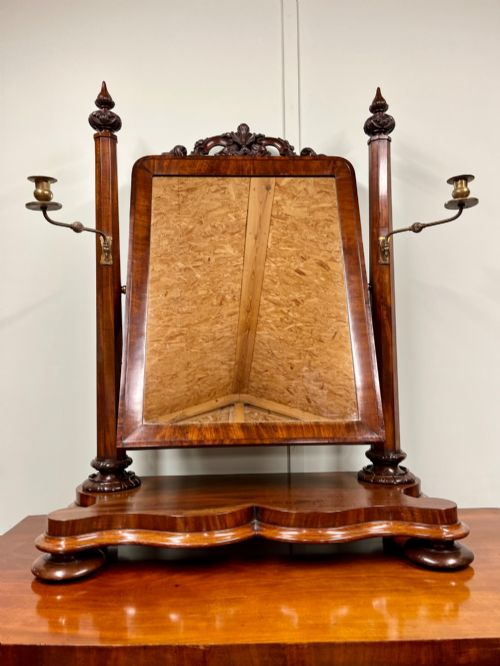
Toilet mirrors are dressing table accessories featuring a small glass plate mounted on upright arms above a small base drawer or box. They were designed for general grooming and personal care in domestic bedrooms.
Shaving mirrors are specialised variants, often telescopic or fitted to tripod bases with integrated brass hooks for hanging accessories. Their adjustable height mechanisms catered specifically to standing users during morning routines.
How should I clean antique brass and wood frames?
Maintenance requires dry dusting the timber and glass surfaces using a soft cloth to prevent abrasive particles from scratching the polish. Avoid commercial chemical sprays that can strip historic wax finishes from mahogany and rosewood.
Clean brass components gently with a dry microfiber cloth, avoiding aggressive metal polishes that might bleed onto the adjacent wood. Professional conservation wax applied sparingly preserves both the timber moisture and the metal lustre.