
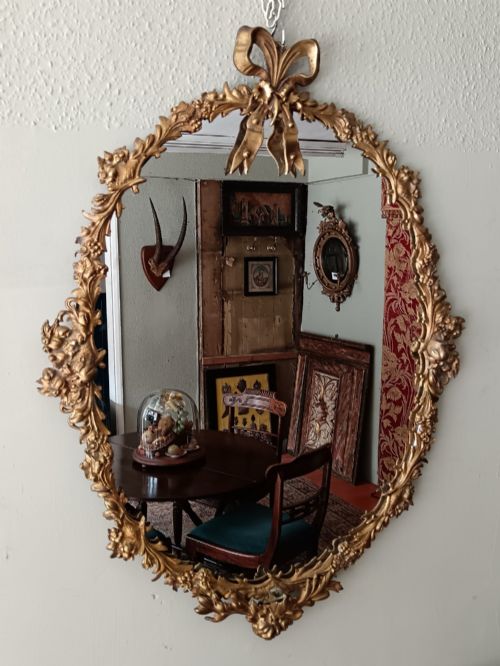


Brass Hall Mirror
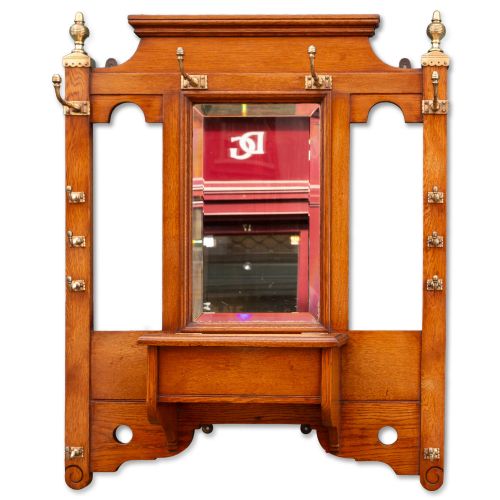
A brass hall mirror brings warmth and functional elegance to an entranceway, combining polished metal frames with practical glass plates for everyday use.
Brass Hall Mirror
A brass hall mirror is an essential entranceway furnishing designed to reflect light and provide a final check before heading outdoors. The items found here span the nineteenth century through the Edwardian period, often incorporating wood structures alongside metal elements.
Most examples originate from the Victorian and Edwardian eras, frequently appearing alongside coat racks, hat stands, and umbrella holders. These entrance furnishings combine domestic utility with decorative metalwork to create a welcoming first impression in a hallway.
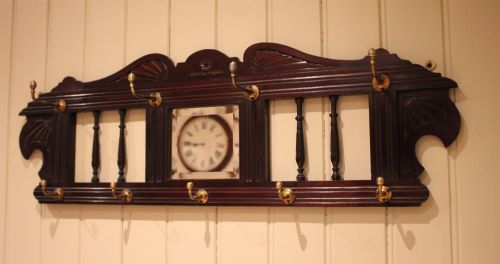
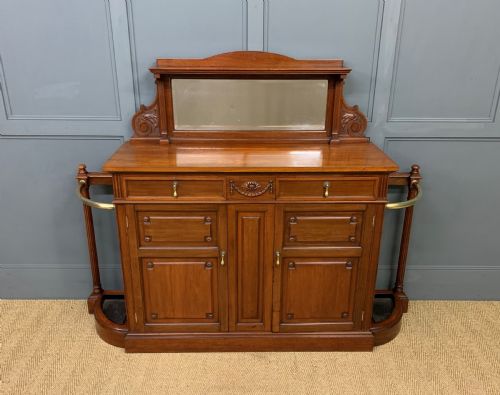
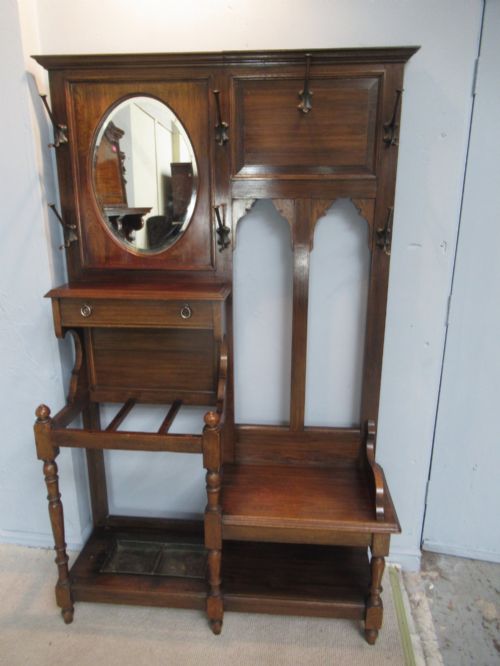
Buyers will encounter various formats ranging from simple wall-hanging plates to elaborate hall stands and portmanteaus. Materials such as mahogany, oak, walnut, and cast iron frequently accompany the brass framework across these periods.
How they were made
Metalworking techniques of the nineteenth and early twentieth centuries relied heavily on casting and repousse work to shape the brass frames. Artisans hammered, chased, and cast the metal to create decorative borders and structural mounts.
Wood elements like mahogany, oak, and walnut were turned, carved, and polished to form the backing boards, coat hooks, and umbrella wells. These timber sections were then joined with the metal components using traditional cabinetmaking methods.
Listings incorporate items from the Victorian, Edwardian, and Arts and Crafts periods, featuring brass, mahogany, oak, and gilt bronze.
What varies in quality
The distinction between standard production items and superior examples lies in the depth of the metalwork and the clarity of the glass plate. Heavy cast brass with crisp repousse detailing indicates a higher standard of craftsmanship than thin stamped sheet metal.
The integration of secondary materials, such as figured mahogany or walnut, and the survival of original bevelled mirror plates distinguish the finest pieces. Structural integrity in the accompanying coat hooks and mounting points also determines the overall grade.
Shoolbred & Co.
The Brass Hall Mirror Glossary
- Repousse
- Metalwork technique where the design is hammered into relief from the reverse side. This method creates decorative texture and dimensional patterns on the brass frame.
- Portmanteau
- A combined entrance piece incorporating a mirror, coat hooks, and umbrella stands. These large furniture items served multiple functional purposes in a Victorian hallway.
- Bevelled plate
- A mirror glass with angled edges cut and polished to a thinner perimeter. This treatment catches the light and adds depth to the reflection.
- Hall tree
- A freestanding wooden or metal furniture piece designed for hanging coats and hats. Many include integrated umbrella storage and a central mirror.
- Louis XVI Revival
- A decorative style popular in the nineteenth century referencing classical French motifs. It employs symmetrical forms, ribbons, and restrained ornamentation.
Brass Hall Mirror: Frequently Asked Questions
Did these mirrors originally include coat hooks?
Many entrance mirrors from the nineteenth and early twentieth centuries incorporated brass hooks for hats and coats. These multifunctional designs maximised space in narrow hallways.
Some surviving pieces retain their original hardware, while others were made solely as wall-hanging looking glasses.
How do I clean antique brass frames?
Dust the brass gently with a soft, dry cloth to remove surface particles. Avoid harsh chemical polishes that strip the historic patina accumulated over the decades.
Preserving the aged surface maintains the character and visual depth associated with nineteenth-century metalwork.
What is a hall stand?
A hall stand is a large entranceway furniture piece combining a mirror, coat hooks, umbrella stands, and often a small glove drawer. These items organised guest garments upon arrival in a home.
They were produced in various woods like oak and mahogany, frequently embellished with cast brass elements.
How do I date a brass mirror?
Dating relies on stylistic clues, construction methods, and the type of mirror plate used. Victorian pieces often feature heavier cast brass and bevelled glass, while Edwardian examples can display lighter frames.
Comparing the accompanying woods, such as walnut or ebonised timber, also helps narrow down the period of manufacture.