

Brass and Iron Bed
When you search for a brass and iron bed, you enter a world of robust metal frameworks shaped in the Victorian and Edwardian eras.
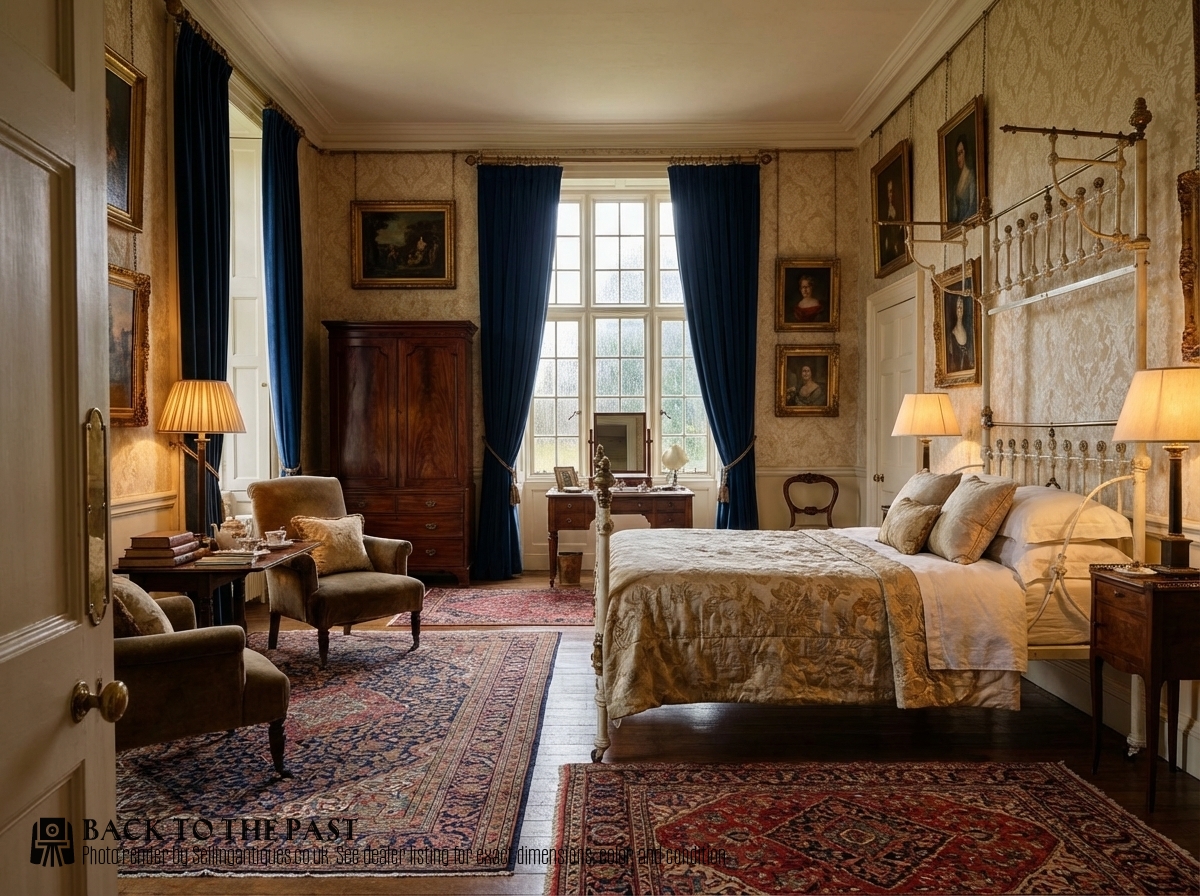
Brass and Iron Bed
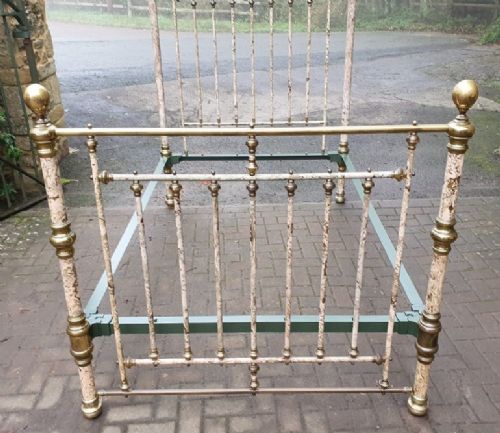
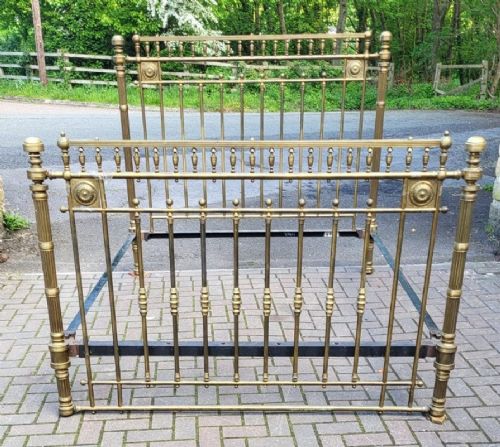
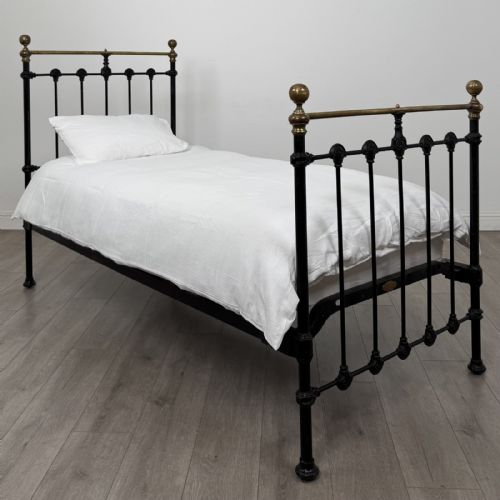
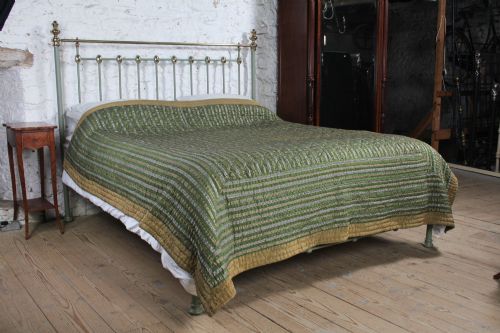
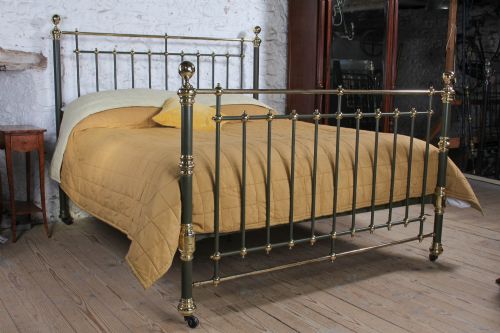
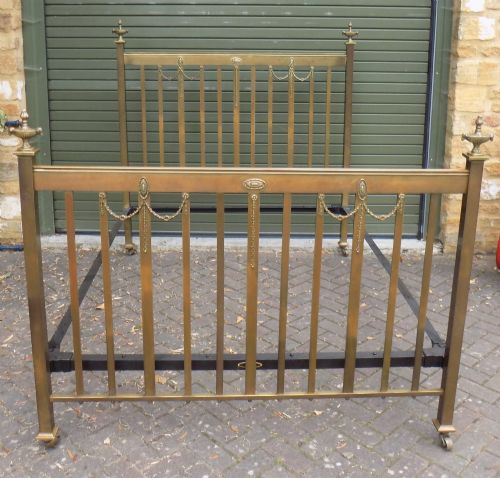
A brass and iron bed combines the industrial strength of cast and wrought metal with the decorative warmth of polished brass components. These pieces date principally from the Victorian and Edwardian periods, stretching from the mid-nineteenth century into the early twentieth century.
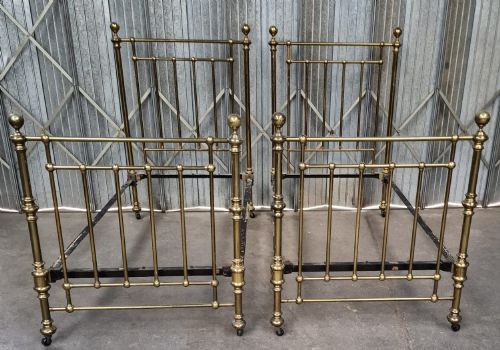
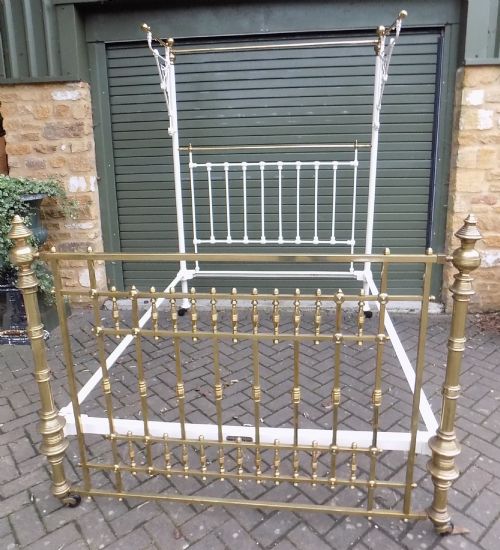
Buyers encounter numerous formats on this page, ranging from standard double and single sizes to king, super king, and specific variations such as low end, no end, and half tester designs. Frames frequently incorporate slot-in iron side rails that rest upon original castors, designed to support modern mattress dimensions with appropriate adaptors.
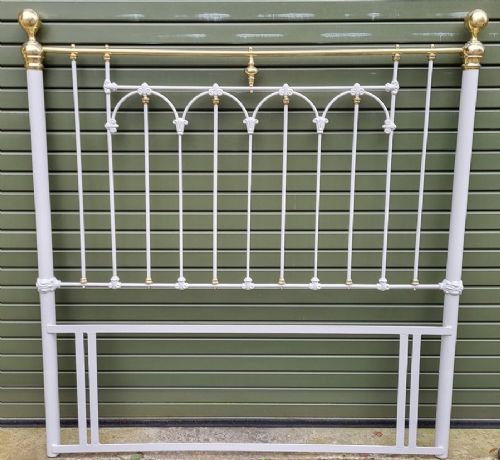
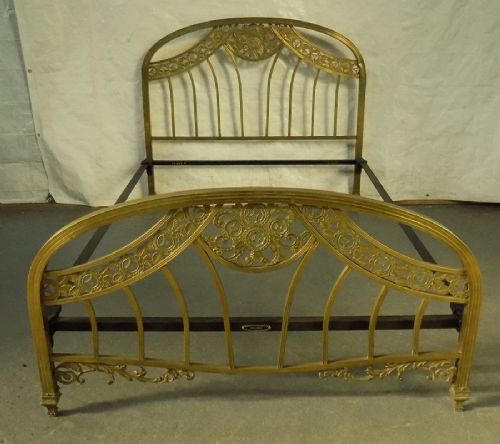
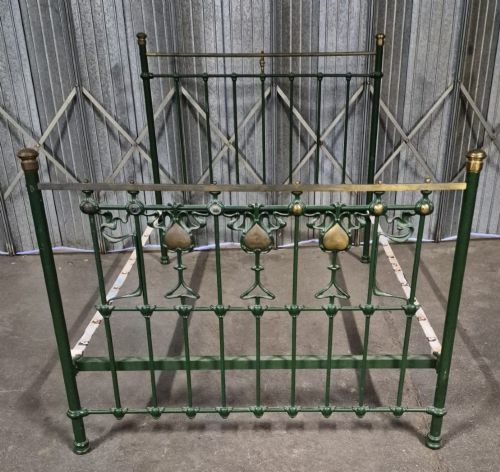
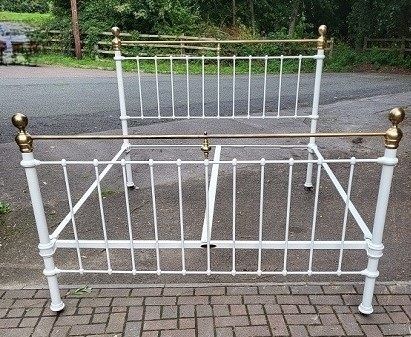
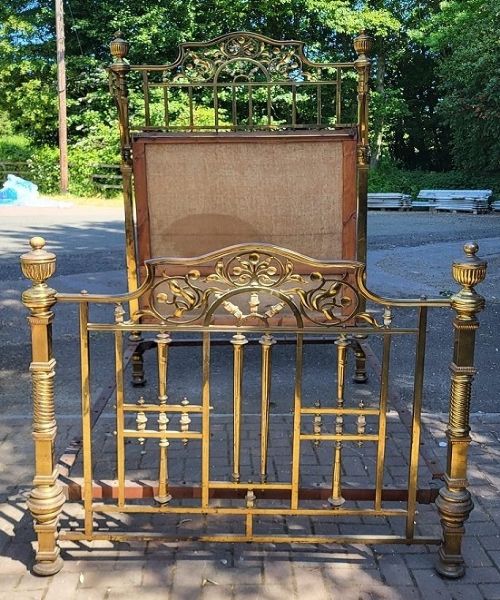
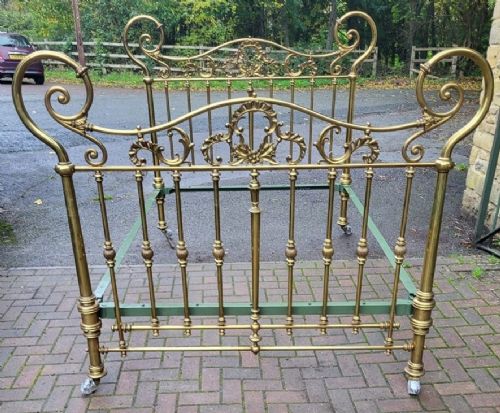
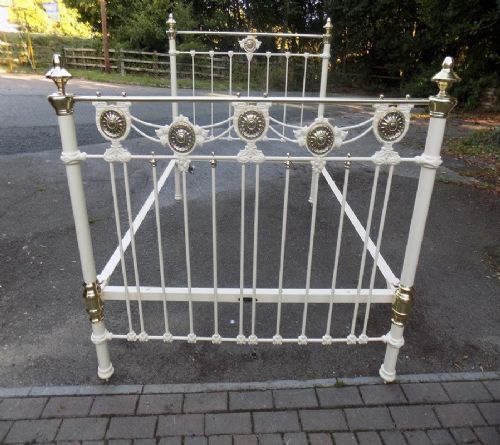
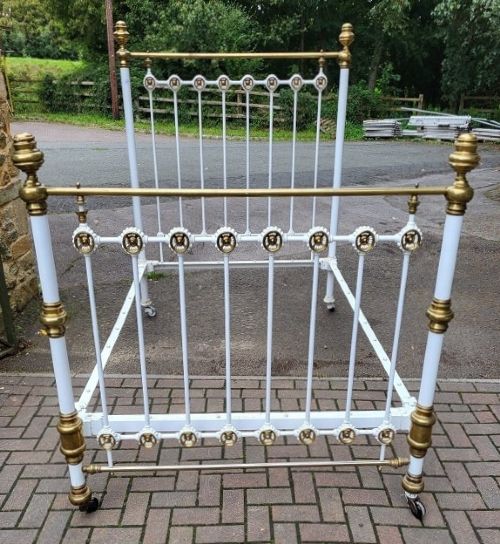
Stylistic influences span traditional British Victorian aesthetics to French provincial models, Art Nouveau curves, and Aesthetic Movement details. Certain examples feature painted finishes in shades like basalt blue and soft cream, alongside decorative elements such as ceramic inserts and mother of pearl.
How they were made
Manufacturers utilised cast iron and wrought iron for the primary structural chassis, providing rigidity and weight to the bedsteads. Brass tubing and sheet metal were applied to the headboards and footboards, often secured with decorative brass castings and iron clamps.
Surfaces were frequently finished with protective paint layers in black, green, or blue, while brass sections relied on mechanical polishing or lacquering to maintain their lustre. Specific pieces incorporate ceramic roundels, toleware components, or mother of pearl inlay within the metal framework.
Brass and Iron Bed Retail Price Guide 2026
Typical asking prices for brass and iron bed among the pieces listed under this phrase on Sellingantiques today, from the lower quarter to the upper quarter. They describe what is for sale here now, not the wider market.
Listings feature Victorian and Edwardian examples constructed from brass, cast iron, and wrought iron, with occasional painted finishes.
What varies in quality
Quality in a brass and iron bed rests upon the crispness of the brass castings and the complexity of the ironwork. Finer examples display detailed ornamentation, substantial gauge metal tubing, and maker signatures such as Winfield.
The integrity of the original joints, side rails, and castors distinguishes superior survivals from altered pieces. Original painted finishes and intact decorative inlays elevate the status of a bedstead above standard utilitarian models.
R W Winfield·Winfield
The Brass and Iron Bed Glossary
- Bedstead
- A framework of a bed consisting of the headboard, footboard, and side rails. This term frequently appears in nineteenth-century inventory descriptions.
- Cast Iron
- Iron shaped by pouring molten metal into a mould, used for the robust structural components and decorative feet of these beds.
- Wrought Iron
- Iron beaten into shape while hot, utilised for forged framework elements that require high tensile strength.
- Half Tester
- A bed featuring a partial canopy extending from the headboard over the upper portion of the mattress.
- Dip Rail
- A footboard or headboard top rail curving downwards towards the centre, characteristic of Edwardian designs.
- Toleware
- Enamelled or japanned metalware, occasionally found on specific continental bed frames.
Brass and Iron Bed: Frequently Asked Questions
Will a standard modern mattress fit an antique bed?
Many Victorian and Edwardian beds differ slightly from modern metric and imperial dimensions, often requiring custom mattress sizes or minor adjustments to the internal iron frame.
Buyers should verify the exact width and length between the side rails before purchasing bedding to ensure a correct fit.
How do I assemble a brass and iron bed?
These beds typically utilise a slot-in iron frame system where the side rails wedge directly into sockets on the headboard and footboard castings. Gravity and the weight of the mattress lock the joints firmly into place without requiring complex tools.
Applying a light lubricant to the slots assists assembly if the metal joints feel tight from age.
How do I clean polished brass parts?
Maintaining brass components involves dusting with a soft cloth and occasionally applying a mild metal cleaner formulated for unlacquered brass. Avoid abrasive pads that can scratch the polished metal surface.
Painted iron sections require only gentle wiping with a damp cloth to preserve the original finish.