



Brass and Copper Light
A brass and copper light brings warm metallic tones and historical character into a room through pendants, lanterns, and standard lamps.
Brass and Copper Light
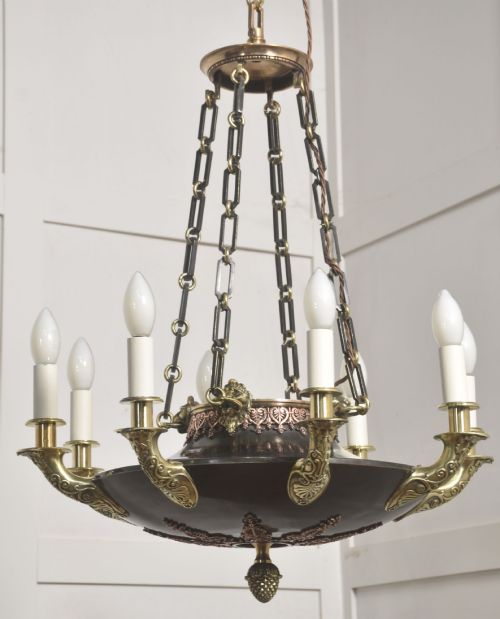
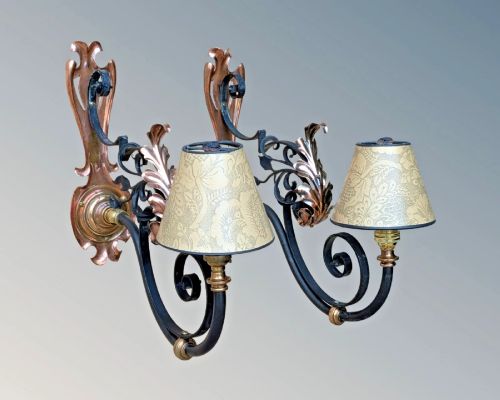
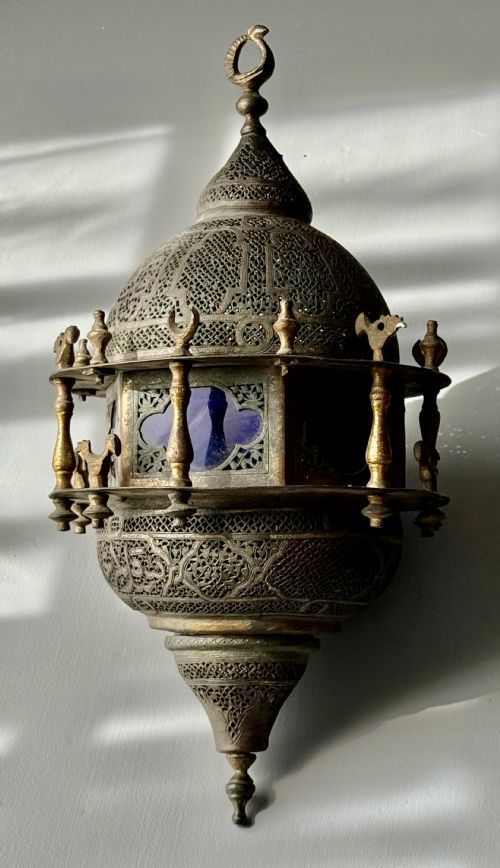
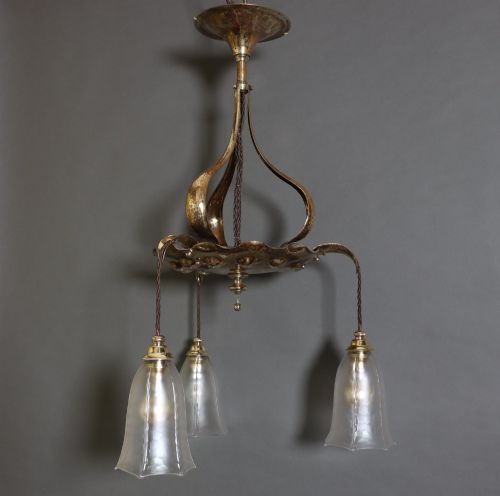
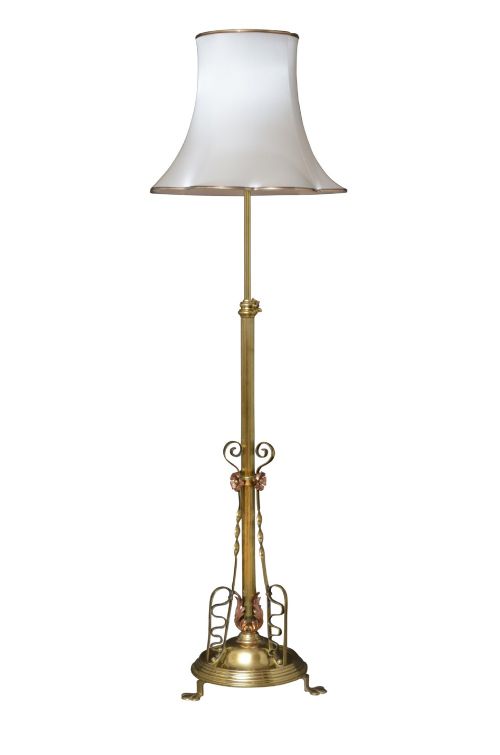
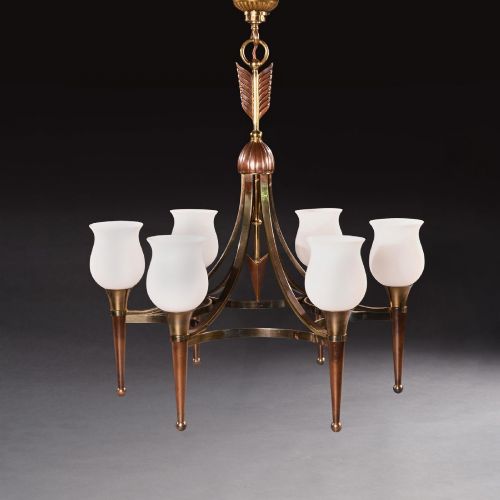
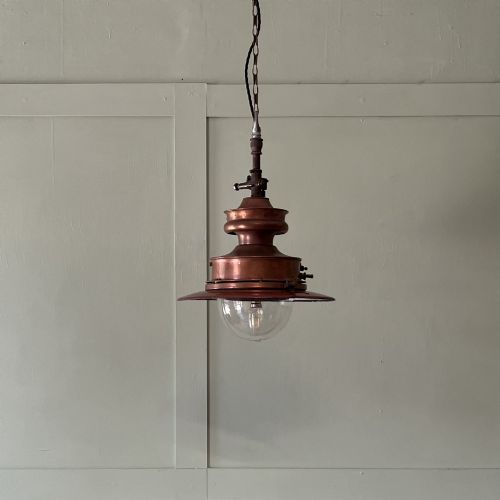
When you search for a brass and copper light, you encounter a diverse range of illuminating objects spanning the nineteenth and twentieth centuries. The selection on this page runs from utilitarian railway and ship lanterns to domestic floor lamps and chandeliers.
The most common pieces you will meet reflect decorative movements such as Arts and Crafts, Art Nouveau, and Art Deco. These items combine the golden hue of brass with the rich warmth of copper, often incorporating glass elements.
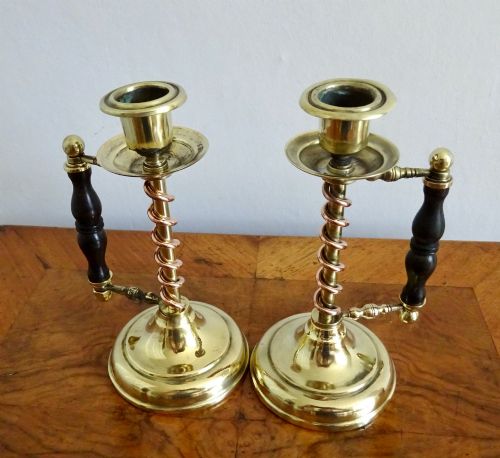
Forms vary extensively across the inventory, including wall lights, ceiling fixtures, candlesticks, and adjustable standard lamps. Origin points range from British workshops to Dutch schools and French ateliers.
How they were made
Maker methods rely heavily on the combination of brass and copper alloys, frequently shaped by hand through beating and piercing techniques. Wrought iron and wood occasionally provide structural support or decorative contrast in pieces from the Arts and Crafts period.
Lighting fixtures incorporate specialised components such as smoked, cranberry, or opaline glass shades and panels. Metalwork often shows patination achieved through chemical treatment or natural ageing of the copper surface.
Listings feature items spanning the Victorian, Edwardian, Arts and Crafts, Art Nouveau, and Art Deco periods, utilising brass, copper, glass, and wrought iron.
What varies in quality
The distinction between standard items and superior examples lies in the depth of hand-craftsmanship and the integrity of the design. Pieces associated with notable designers or specific artistic movements demonstrate superior execution in their metal shaping and assembly.
Material thickness and the complexity of decorative work, such as pierced brass patterns or heavy cast elements, separate utilitarian objects from high-end decorative pieces. The presence of original signed components or documented provenance elevates the status of an item.
Maison Jansen·Andre Arbus·Alderson And Gyde Ltd·Gustave Serrurier Bovy·Dr Christopher Dresser·Jan Eisenloeffel·WMF
The Brass and Copper Light Glossary
- Standard Lamp
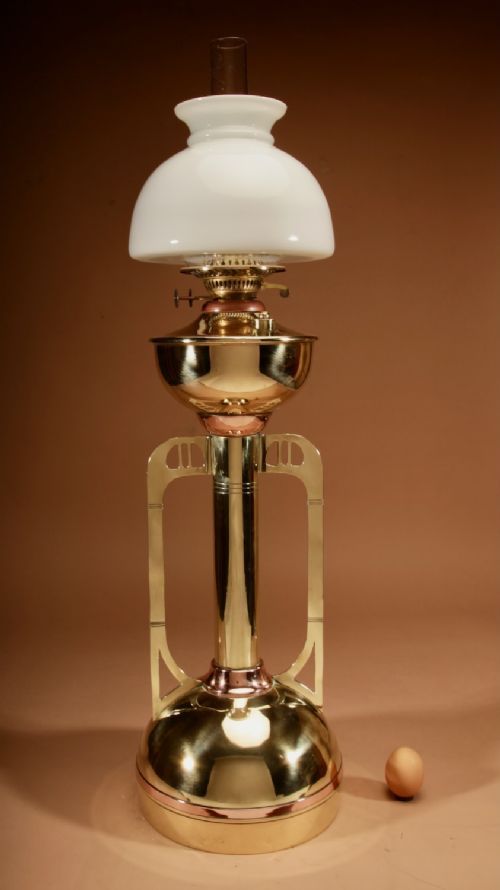
- A tall floor-standing lighting fixture designed to illuminate a room from standing height. These often feature adjustable heights or oil-burning mechanisms in older examples.
- Pricket Candlestick
- A candlestick featuring a central spike upon which a candle is mounted rather than a socket. This form appears frequently in ecclesiastical and decorative metalwork.
- Ankerlight
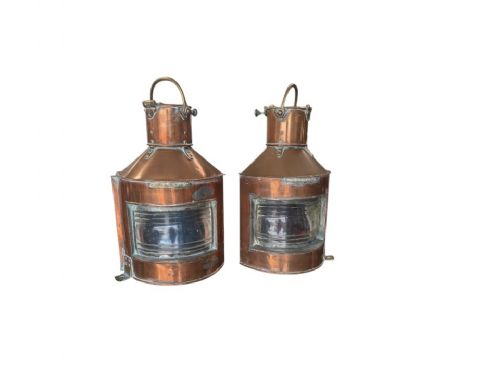
- A type of nautical anchor light used on ships to signal position. These heavy copper and brass lanterns are adapted for interior or exterior decorative lighting.
- Secessionist
- A style associated with Central European artists breaking away from traditional academic art institutions. This aesthetic emphasises geometric forms and stylized motifs in metalwork.
- Opaline Glass
- A milky, translucent glass popular in nineteenth and twentieth-century lighting shades. It diffuses light softly across hallways and rooms.
Brass and Copper Light: Frequently Asked Questions
How do I clean brass and copper?
Maintenance depends entirely on whether you wish to preserve the aged surface or restore a bright metallic shine. Gentle dusting is usually sufficient for historical items with established patination.
Harsh chemical polishes should be avoided on antique pieces to protect the original finish and historical character built up over decades.
Are these lights safe for modern wiring?
Many older lighting fixtures require rewiring to meet contemporary electrical standards. A qualified electrician can safely update internal components while preserving the exterior metalwork.
It is standard practice to inspect the internal channels and holders before installation in a domestic setting.
How do I date a brass and copper light?
Dating relies on stylistic markers, construction techniques, and materials characteristic of specific periods such as the Arts and Crafts movement or Art Deco era. Signatures, stamps, and patent marks provide precise chronological clues.
Comparing the manufacturing methods against known historical timelines helps narrow down the decade of production.
Can ship lanterns be used indoors?
Nautical lanterns translate effectively to interior spaces as pendant lights or wall fixtures. Their robust copper construction and glass panels add industrial or maritime character to rooms.
Many examples are successfully converted from oil or paraffin operation to electricity for modern household use.